Greece’s Prime Minister Kyriakos Mitsotakis convened senior government officials to address the rapidly escalating farmers’ protests, focusing on strategies to accelerate more than €1 billion in delayed subsidies and compensation owed to agricultural producers.
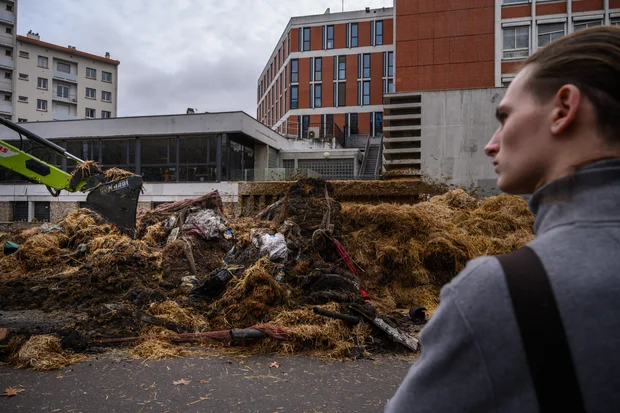
The move came amid widespread tractor blockades of highways, ports, and even airports, as farmers nationwide expressed deep frustration over delayed payments, rising production costs, and long‑standing structural issues in the agricultural sector.

This standoff matters because agriculture represents a vital economic and social pillar for rural Greece — and when tensions reach such a peak, they can disrupt supply chains, local economies, and national politics.
The conflict underscores deeper questions about governance, EU regulatory constraints, rural livelihoods, and how best to balance economic stability with social justice.
Why Farmers are Protesting?
1. Delayed EU Subsidy Payments
The immediate catalyst for the unrest has been the delay in European Union Common Agricultural Policy (CAP) subsidy payments. These payments, administered in Greece by the agricultural payments agency OPEKEPE, were held up after an investigation into alleged fraudulent land and livestock declarations emerged.
The European Commission froze funds while audits proceeded, leaving thousands of farmers without expected income in a critical part of the agricultural calendar.
EU subsidies often form nearly half of a Greek farmer’s annual income, and delays can have dramatic impacts on cash flow for operational costs — ranging from seed and fertilizer purchases to equipment maintenance and payroll.
2. Rising Production Costs and Systemic Pressures
Compounding payment delays are stubbornly high production costs (energy, fuel, fertilizer, and other essential inputs) which have been squeezing profit margins for years.
Farmers’ grievances include the need for tax‑free diesel, stable electricity prices, and full compensation for losses from livestock disease outbreaks such as sheep pox and small ruminant epidemics, which have devastated herds in parts of Greece.
Many farmers assert that these structural pressures have been accumulating for decades, and the OPEKEPE scandal merely exposed the underlying fragility of agricultural incomes in Greece, especially for small and medium‑sized producers.
The Government’s Response

1. Emergency Meeting on Payments
On 10 December 2025, Mitsotakis convened senior officials, including the Deputy Prime Minister, Rural Development and Food Minister, and interim head of OPEKEPE, to review plans and timelines for disbursing more than €1 billion in subsidies and compensation by the end of the year.
Discussions also included coordination among state services and the potential extension of the GAIA programme, which subsidizes electricity costs for farmers.
The government urged farmers to appoint a representative committee to formalize dialogue — a symbolic move toward negotiation that suggested both acknowledgment of farmers’ frustrations and a desire to de‑escalate tensions.
2. Official Statements on Dialogue and Limits
Government voices have stressed a balanced approach: willing to offer support within the limits of public finances and EU regulations, while still urging farmers to engage constructively in talks rather than deepen confrontational tactics.
Authorities have indicated they are exhausting the scope for support measures; including energy cost relief, fuel rebates, and expanded insurance coverage, but have also warned that some demands cannot be met because of EU fiscal and regulatory constraints.
Prime Minister Mitsotakis reiterated that dialogue is the path forward, emphasizing that negotiations cannot be conducted through ultimatums or ongoing blockades that disrupt everyday life for the public.
Escalation of Protests and Public Disruption

1. Nationwide Blockades and Clashes
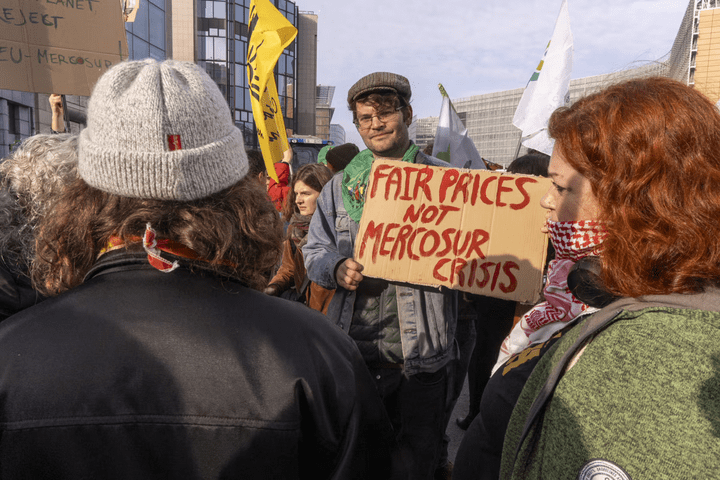
From late November through December, farmers escalated demonstrations, setting up dozens of blockades across Greece — including on major highways like the Athens‑Thessaloniki route, near border crossings with North Macedonia and Bulgaria, and at key ports and airports.
Protests have occasionally turned confrontational, with tensions rising during clashes with police forces attempting to manage blockades and keep trade routes open.
In some parts of Crete, protesters even entered airport tarmacs, causing flight disruptions.
Farmers’ representatives have at times rejected invitations to dialogue until their list of demands is reviewed and initial concessions made, illustrating a deep skepticism toward government overtures and a desire for tangible commitments rather than abstract promises.
2. Key Elements of the Agricultural Unrest
| Issue | Details |
|---|---|
| Payment delays | >€1 billion in subsidies and compensation delayed due to OPEKEPE audit/scandal complexities. |
| Protest scope | Blockades nationwide, including highways, ports, and occasionally airports. |
| Core demands | Timely payments, cost relief (fuel, electricity), structural reforms, compensation for disease losses. |
| Government position | Willing to negotiate and accelerate payments but constrained by EU rules and public finance limits. |
| Public disruption | Transport delays, economic ripple effects on logistics and commerce. |
Different Perspectives on the Standoff

1. Farmers’ Viewpoint
Farmers argue the protests reflect years of neglect from policymakers who failed to address chronic economic pressures.
Many depend heavily on subsidy income (often constituting nearly half of total revenue) and see payment delays as unacceptable, especially when their livelihoods depend on consistent cash flow.
Protest organizers also highlight that rising costs and disease outbreaks have further eroded their ability to stay financially viable, making rapid payment disbursement and cost relief not just desirable but essential.
Some protesters have hardened their stance, planning to escalate actions into the New Year with continued blockades unless concrete government steps are taken.
2. Government and Regulatory Perspectives
The government recognizes the legitimacy of many concerns, especially the hardships caused by delayed subsidies. Officials stress they are doing what they can within the framework dictated by EU regulations and fiscal responsibility, which limits how much immediate relief can be provided.
Deputy officials have detailed potential interventions to mitigate costs through energy subsidies, fuel tax rebates, and expanded insurance coverage.
The goal is to reduce production costs and support liquidity in the rural economy without overextending public finances.
Prime Minister Mitsotakis and spokespeople have also emphasized the importance of dialogue — urging farmers to appoint representatives and commit to negotiations that can yield durable solutions.
Critics of the protests (including some urban political commentators) argue that blockades harm wider society, disrupting supply chains, travel, and commerce, and risk eroding public sympathy if the unrest continues without compromise.
Broader Impacts Beyond Agriculture
1. Economic Ripple Effects
The blockades have already affected supply chain flow throughout Greece, increasing transportation and distribution costs, delaying raw materials to factories, and slowing goods movement between major regions.
While supermarkets and businesses have so far absorbed extra costs, analysts warn that prolonged disruptions may lead to retail price increases and wider economic strain if blockades persist.
2. Social and Political Consequences
The protests have stirred broader discussions about rural‑urban divides and political trust. In agricultural regions, support for the government has reportedly waned as frustration deepens over perceived inaction and delayed payments.
Tourism and related sectors have also voiced concern over travel disruptions affecting holiday plans, particularly during the peak winter and New Year period.
The December 2025 talks by Greece’s Prime Minister and senior officials on a farmer payments plan reflect both the urgency of the crisis and the complex constraints facing policymakers.
Farmers are demonstrating deep frustration not only over delayed subsidy payouts but also broader economic pressures and systemic vulnerabilities. Their protests have cut across the nation, touching key transport routes and raising concerns for everyday mobility, commerce, and supply stability.
The government has signaled willingness to accelerate payments, engage in dialogue, and explore cost‑relief mechanisms. However, it remains bound by EU fiscal rules and administrative limitations, which have shaped both its capacity and political rhetoric.
The tension between immediate relief and broader structural reform illustrates the challenge of reconciling grassroots demands with governance realities.
Looking ahead, the potential success of talks will depend on both sides’ ability to find common ground — ideally through meaningful negotiation, concrete timelines, and shared commitments to long‑term agricultural sustainability.
Whether the protests will ease or escalate into 2026 may hinge on those outcomes, with significant implications for Greece’s rural sectors, political landscape, and economic resilience.