American farmers today are under severe economic pressure. Many feel squeezed by policy decisions, unpredictable markets, rising costs, extreme weather, and uncertainty over trade relationships.
You might expect widespread protests similar to those in Mexico or in Europe, but so far, large street demonstrations have not emerged in the United States. Instead, farmers use other methods such as lobbying, legal actions, political engagement, or quiet complaints.
Understanding this requires exploring the history, economics, social identity, and political strategy of farming in America.
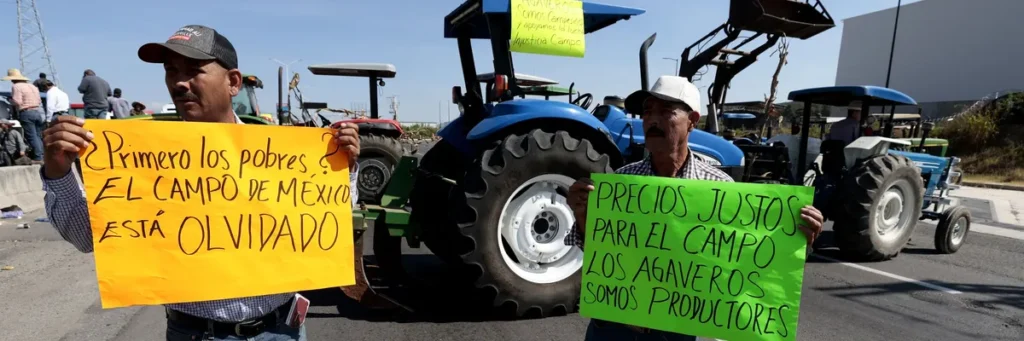
Farmers in many countries have taken dramatic public actions to protest price crashes, trade deals, or government regulations. For example, in Mexico, organized national strikes blocked highways to demand a price floor and changes in trade agreements.
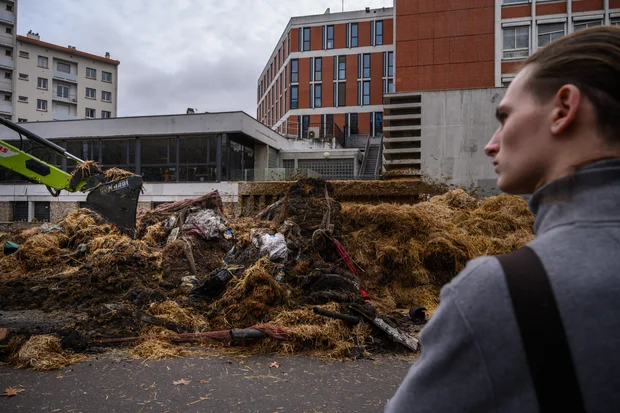
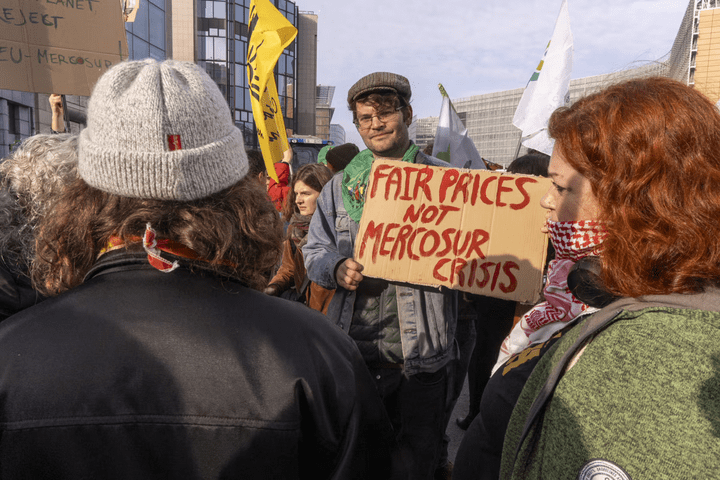
In Europe, tractor blockades have slowed major cities and forced policymakers to reconsider trade deals. In contrast, American farmers have not mobilized in the same way, even as crop prices fall and debt rises.
Looking at why this is the case reveals both the unique conditions of U.S. agriculture and broader global pressures that affect farmers everywhere.
What American Farmers are Facing Today?
1. Price Pressures and Falling Demand
Farmers across the United States have seen crop prices fall sharply for commodities like soybeans and corn.
One reason is falling foreign demand, especially from China, which used to buy large amounts of U.S. soybeans but has shifted its purchases to other countries.
This shift has left many farmers with surplus crops and lower incomes. The result is financial stress and uncertainty about future profits, with some farmers struggling to break even.
2. Tariffs and Trade Policies
In recent years, tariff policy has added another layer of difficulty. New tariffs on imports from Canada, Mexico, and China have triggered fears of retaliation and reduced access to key markets.
Farmers have warned that such tariffs will “bring nothing but pain” to rural America by shrinking export opportunities and raising input costs like fertilizer.
At the same time, there have been federal aid packages designed to help farmers, including multibillion‑dollar programs intended to ease some of the losses. For example, recent proposals promise billions in tariff revenue redirected to aid rural producers.
These measures have softened some financial stress but do not fully solve deep structural problems in agriculture.
3. Costs of Production
Costs for essentials like fuel, seed, fertilizer, equipment, and labor have all climbed, making it harder for farms to remain profitable. When production costs rise faster than what farmers can earn from selling crops, financial margins shrink.
This is a painful reality for many small and medium‑sized farms that operate on thin profit margins.
4. Extreme Weather and Climate Risks
In addition to market pressures, farmers face unpredictable weather patterns driven by climate change.
Flooding, droughts, and storms have damaged crops and put additional financial strain on already vulnerable farms. These weather extremes make farming riskier and have prompted calls for better federal support and disaster relief.
Why There are No Large Street Protests?

Given these pressures, you might wonder why farmers are not protesting in the streets on a broad scale. Based on my understanding, several key explanations help clarify this:
1. Farming Culture and Self‑Perception
In the United States, many farmers see themselves as independent producers who prefer negotiation and political engagement over street confrontations.
Unlike some international movements, there is often a strong cultural belief in solving problems through established political channels rather than public demonstrations.
Many farmers believe that investing time in lobbying Congress, supporting sympathetic candidates, or working through farm bureaus and cooperatives will bring more lasting policy results than a protest march.
This reflects a long tradition in U.S. agriculture of seeking change through political advocacy rather than mass protest.
2. History of Agricultural Advocacy
U.S. farmers have a long history of organizing for change, but this has usually taken the form of political advocacy or economic cooperation rather than street protests.
For example, the American Agriculture Movement of the late 1970s organized tractor rallies in Washington, D.C. to demand federal action on prices and credit, but these rallies were rare and focused on specific demands rather than long campaigns of street protest.
Farmer organizations such as the National Farmers Organization and the American Farm Bureau Federation have worked for decades to influence policy, arrange cooperatives, and push for price supports or tariff protections.
These groups often use letter‑writing campaigns, direct meetings with lawmakers, and media engagement to advocate for change.
3. Political Influence and Lobbying
Farmers in the United States often rely on political influence and representation rather than protests.
Many members of Congress come from rural districts or represent agricultural states, and farm interests are deeply connected to both major political parties. Because of this, farmers sometimes feel that they have access to policymakers through elections and political alliances.
Farm lobbyists work year‑round to shape farm bills, subsidies, trade policy, and insurance programs. These channels give farmers a structured way to seek change, even if progress is slow and uneven.
4. Fear of Dividing Public Opinion
Some farmers and agricultural groups worry that mass street protests could divide public opinion and hurt their cause. Farming communities often depend on public goodwill and positive consumer sentiment.
A protest movement perceived as disruptive could risk backlash or misrepresentation in national media, potentially hurting support for farm interests.
5. Economic and Personal Barriers
Many farmers simply lack the time, money, or capacity to participate in large protests. Running a farm requires around‑the‑clock attention, especially during planting and harvest seasons.
Travelling to a protest site or taking days away from the fields can mean lost income, crop spoilage, or other risks. For many, the costs outweigh the potential benefits of protest.
How Farmers are Speaking Up in Other Ways?
Although large street protests are not common, farmers in the United States are not silent.
1. Lobbying and Political Organizing
Farmers frequently engage through national and state farm bureaus, cooperatives, and advocacy organizations. These groups work with lawmakers to shape agricultural policy, trade agreements, and farm support programs.
They also coordinate with allied industries, such as food processors and export associations, to push shared priorities.
2. Legal Actions and Public Campaigns
Some groups pursue legal action or public campaigns to challenge harmful policies.
For example, farmers and food producers have sometimes brought lawsuits related to trade rules, labour regulations, or environmental restrictions they believe unfairly target agriculture.
3. Local Actions and Community Meetings
In rural states, farmers often speak at county board meetings, agricultural forums, and public hearings. These smaller venues allow them to make their voices heard by local officials, industry experts, and community members.
While these actions do not attract national headlines, they build pressure on decision‑makers over time.
4. Support for Agricultural Research and Innovation
Many farmers work with universities, extension programs, and agricultural researchers to develop new practices that can improve profitability or sustainability.
These efforts include adopting new crop varieties, climate‑resilient practices, automation, and precision farming tools.
Comparisons with International Farmer Protests
To understand why American farmers act differently, it helps to look at international examples.
1. Mexico
In Mexico, farmers organized a national strike and blocked major roads to demand a guaranteed price floor and changes to trade policy. Their coordinated action drew attention to their economic situation and forced government dialogue with farm leaders.
2. Europe
In Europe, farmers have staged tractor blockades and road closures to protest trade agreements and environmental regulations. These protests often involve thousands of participants and have at times influenced EU policymaking.
What This Shows?
These different patterns reflect how farming communities around the world respond to economic and policy pressures.
In countries with less direct political influence or where farmers feel ignored by government, street protests can become a powerful tool. In the United States, where farmers have more institutional avenues for advocacy, they tend to use those channels instead.
Broader Trends Affecting Farmers Globally
Farmers everywhere are facing some common pressures today, including:
- Low commodity prices
- Rising costs of fuel, fertilizers, and equipment
- Unpredictable climate impacts
- Trade competition and market shifts
- Complex regulatory environments
These pressures have sparked protests in many countries and have led farmers to question how global trade deals, climate policies, and economic shifts affect their future.
Farmers from more than 65 countries have mobilized in recent years to protect their livelihoods and demand fair policies.
Understanding these broader trends helps us see that American farmers are part of a global struggle, even if they respond in different ways.
What This Means for the Future?
The absence of widespread street protests does not mean American farmers are content. Many feel ignored, squeezed economically, and unsure about the future of family farming.
The question remains: Will U.S. farmers stay on their current path of political engagement and quiet pressure, or will worsening economic conditions push them toward more visible demonstrations?
In the coming years, several factors will shape this outcome:
- Trade policies and export markets
- Tariff negotiations and international agreements
- Federal farm support programs
- Climate resilience investments
- Domestic market stability
How these issues are addressed by policymakers, farm organizations, and communities will determine whether American farmers remain at the negotiating table or take stronger public action.
Conclusion
American farmers face real hardships, including falling crop prices, market shifts, high production costs, and climate pressures. Yet, unlike some of their international counterparts, they have not taken to the streets in mass protest.
Instead, they rely on political advocacy, organized lobbying, and community engagement to seek change.
This difference reflects the unique history of the U.S. agricultural sector, farmers’ cultural attitudes toward protest, and the availability of institutional channels for policy influence.
Still, the frustrations felt by farmers are real and deserve attention. Only time will tell if these pressures will eventually lead to new forms of public action or if the existing advocacy framework will deliver meaningful solutions for America’s farm communities.