In December 2025, a large demonstration by farmers against a proposed European Union free trade agreement caused major disruption on the streets of Brussels.

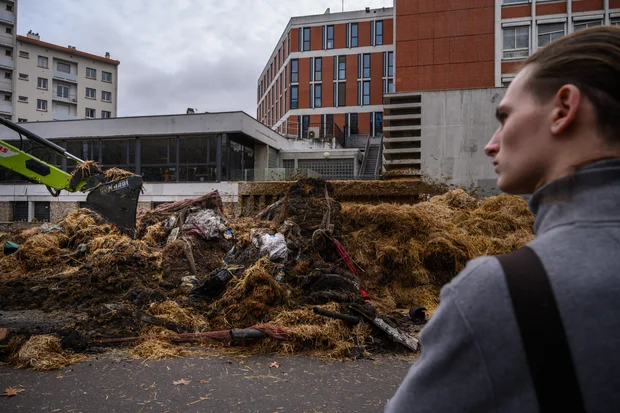
After the protests, teams from the regional cleaning agency had to remove more than 50 tonnes of waste left behind on the capital’s roadways and public spaces.
The scale of the cleanup illustrated the intensity of the demonstration and the logistical challenge presented to city authorities.
The Farmers’ Protest and Its Aftermath
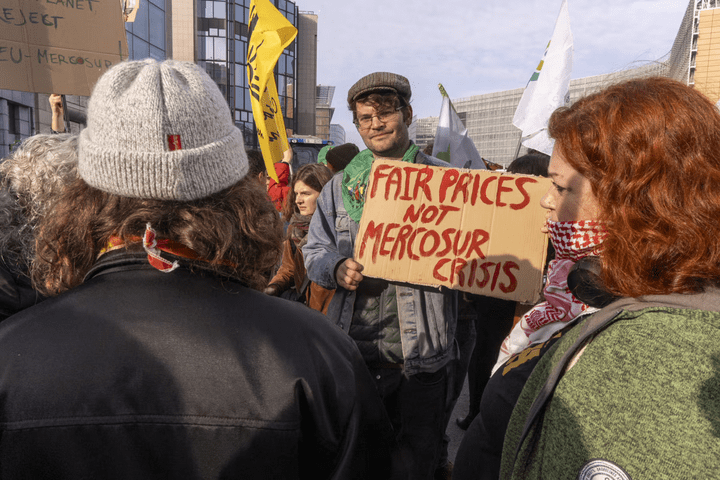
In mid‑December 2025, thousands of farmers from across Europe gathered in central Brussels to express their opposition to the European Union‑Mercosur free trade agreement.
Mercosur is a South American trade bloc that includes Argentina, Brazil, Paraguay, and Uruguay, and the deal would significantly reduce tariffs and trade barriers between the EU and those countries after years of negotiation.
Farmers fear the agreement could disadvantage European agricultural producers by exposing them to competition from imported goods produced under less stringent regulatory regimes.
During the protest, demonstrators used tractors to block roads, including key routes around Place du Luxembourg, Avenue de la Couronne, and Avenue Paul Hymans, where many tractors converged. As events grew more intense, participants left significant waste in the streets.
Clearing this waste became a major task for local authorities once the protest ended.
The Cleanup Operation in Brussels
According to officials from Bruxelles‑Propreté, the regional cleaning agency for the Brussels‑Capital Region, cleanup crews worked late into the night, continuing operations until at least 23:00 to clear the debris from streets and public areas.
Teams responded to requests through the region’s crisis centre and focused efforts on the most heavily impacted areas.

In total, more than 50 tonnes of waste were removed. This included burnt bins and tyres, piles of vegetables such as potatoes and beetroot, and large quantities of wet straw that protesters had used or discarded during their demonstrations.
Some roads were slippery due to the presence of straw and other organic material, requiring additional care from cleanup crews for safety and environmental reasons.
The scale of this cleanup highlights the logistical challenges that arise when major public demonstrations leave behind large amounts of both organic and inorganic waste.
It also underscores the strain such events can put on municipal services even after the protest itself has concluded..
Public Safety and Property Damage
In addition to litter and debris, the protest resulted in damage to public property and confrontations with authorities. Police reported several injuries among officers, and multiple arrests were made during and after the events.
A spokesperson for Brussels police confirmed that six administrative arrests and seven judicial arrests were carried out in connection with the demonstrations. Some officers suffered injuries amid clashes.
Material damage was also reported. Officials noted that riot control equipment like gas masks, helmets, and shields were reportedly destroyed, defaced, or soiled during clashes.
A service vehicle used by law enforcement was hit by a tractor, and some barriers designed to manage protest crowds were damaged. Additional damage included broken traffic signs, shattered windows, and road surfaces that were affected by fires set during the unrest.
This level of property damage required assessment by municipal authorities and affected both traffic infrastructure and public spaces, contributing to the urgency of the cleanup operation.
Why the Farmers Protested?
The Brussels protest was part of a broader wave of demonstrations by farmers in late 2025. The central issue was opposition to the EU‑Mercosur trade agreement, a pact long in negotiation that would create a free trade area spanning roughly 780 million people and covering a significant portion of global economic activity.
Critics within the farming community argued that the deal could make European agricultural markets vulnerable to imports from nations that do not face the same regulatory costs, particularly in areas like environmental protection and animal welfare.
Farmers and unions involved in the protest expressed concern that cheaper agricultural products from Mercosur countries could undercut domestic production, lowering prices and reducing farm incomes.

Many also felt that the Common Agricultural Policy, the EU framework governing farm subsidies and support, was not doing enough to protect local producers in the face of expanding global competition.
The protest took place during an EU summit in Brussels where leaders were debating whether to proceed with signing the agreement or delay it.
Opposition from countries such as France and Italy helped lead to a postponement of the signing until January 2026, allowing additional time for political negotiations and consideration of farmer concerns.
Police Response and Public Order
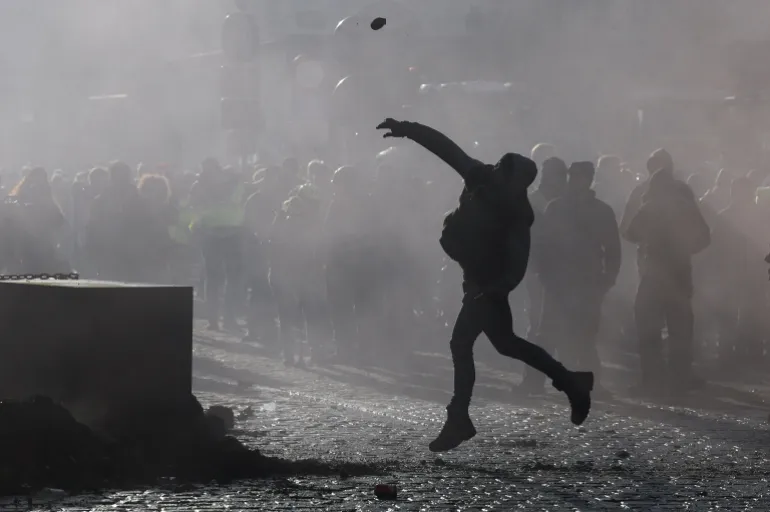
The scale and intensity of the protest required a significant policing response. Officers used tear gas and water cannon in attempts to control crowds and maintain public order as tensions rose near EU buildings, including the European Parliament.
Scenes of confrontation were reported, including the throwing of objects such as potatoes and eggs toward police lines, and the lighting of fires, making some areas difficult to manage.
In crowded demonstrations, maintaining public safety involves careful coordination between law enforcement, municipal authorities, and emergency services, particularly when large vehicles like tractors are involved.
The use of tractors on city streets can pose unique risks, including accidents with pedestrians or infrastructure and obstruction of emergency vehicle access.
By the end of the day, police had dispersed crowds and restored a measure of order, but not without notable strain on resources.
Broader Context of the Protests
The protests in Brussels were not isolated events. Farmers in several EU countries have expressed dissatisfaction with agricultural reform proposals and global trade policies in recent years.
Protests have occurred in France, Belgium, Poland, and beyond, focusing on issues from changing agricultural policy and subsidies to trade agreements that farmers argue will negatively affect their livelihoods.
These demonstrations reflect a deeper political and economic debate within Europe about how to balance the demands of global trade with support for local production and sustainable rural economies.
These broader protests often combine concerns about low farm incomes, rising input costs like fertilizer and energy, and perceptions that policymakers are not sufficiently addressing the unique challenges faced by the agricultural sector.
This context helps explain why protests in Brussels drew participants from multiple countries and included both organized union members and independent farmers.
Cleaning Up Public Space After Large Demonstrations
Large protests inevitably leave behind debris and may require extensive cleanup efforts, especially when demonstrations include elements like agricultural produce, straw, and vehicles not typical of general public gatherings.
In Brussels, the presence of potatoes, beetroot, and straw increased the amount of organic waste that had to be cleared, making standard street cleaning more complex and labour‑intensive.
The wet straw and other materials also created slippery road conditions, posing additional risks for vehicles and pedestrians until they were fully removed.
Bruxelles‑Propreté’s response, including mobilisation through the regional crisis centre and extended night‑time operations, highlights the operational challenges city authorities face in responding to large‑scale demonstrations.
These include not only removal of waste but also ensuring that streets are safe for resumed traffic, that hazardous materials are properly dealt with, and that public health concerns related to organic waste decomposition are addressed.
What This Means for Public Policy and Urban Management?
The Brussels cleanup underscores how public demonstrations intersect with urban management and policy priorities.
City administrations must prepare for the possibility of large protests by coordinating resources in advance, establishing communication channels with protest organizers where possible, and developing protocols for rapid post‑event recovery.
This includes planning for the collection of large volumes of waste and repair of damaged infrastructure.
These events also raise questions about balancing citizens’ rights to protest with the need to maintain public order and protect urban environments.
The costs and labor involved in post‑protest cleaning often fall on municipal budgets, while debates continue about how best to manage and mitigate the impacts of large demonstrations on everyday urban life.
Final Thoughts
The removal of more than 50 tonnes of waste from Brussels after the farmers’ protest reflects not only the physical aftermath of a large public demonstration but also the broader social and political tensions shaping European agricultural policy in 2025.
The cleanup efforts showed the logistical and financial impact of mass protests on urban services, while the protest itself highlighted deep concerns among farmers about trade agreements and the future of European agriculture.
As European leaders continue negotiations on contentious policy issues such as the Mercosur agreement, the public response (including organized protests and associated city management challenges), remains a significant factor in how these debates are conducted and resolved.
The Brussels protest and its aftermath will likely be referenced in future discussions about agricultural policy, trade agreements, and how urban centres prepare for and respond to large‑scale civic actions.