
Gardening taught me one lesson faster than almost anything else: healthy soil changes everything. For years, I focused on fertilizers, expensive plant food, and buying stronger seedlings, thinking those were the secrets to a productive garden.
But after one simple experiment with mulch, I realized the biggest improvement did not come from what I added into the soil. It came from what I placed on top of it.
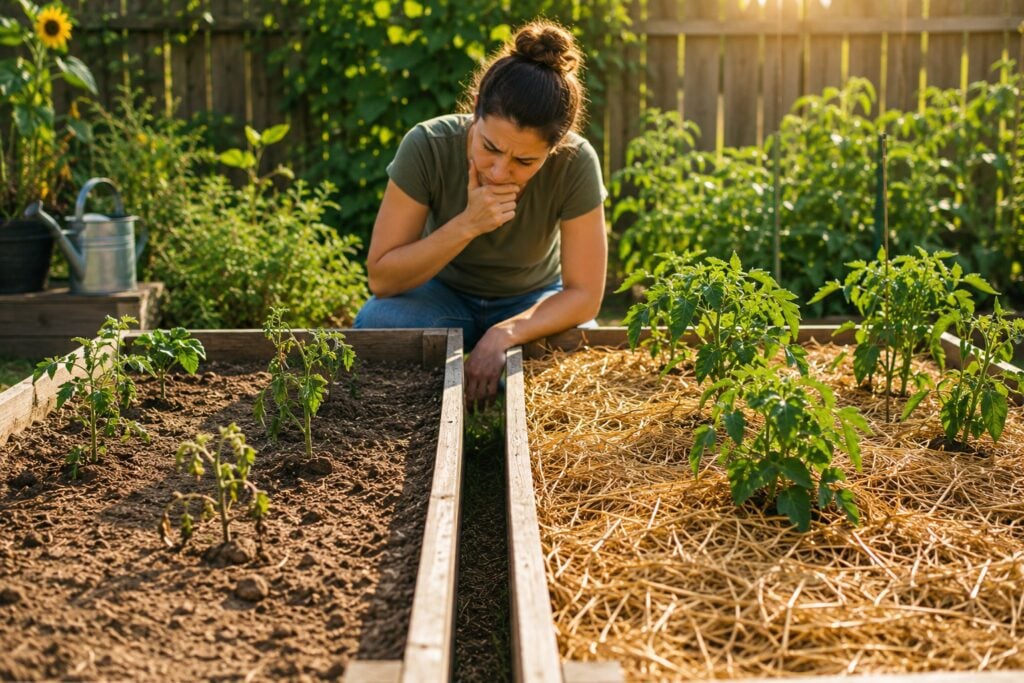
I decided to test two raised garden beds side by side. Same soil. Same sunlight. Same watering schedule. Same seeds.
The only difference was mulch.
One bed stayed completely bare, while the other received a thick layer of straw mulch around three inches deep.
Three months later, the results were shocking.
The mulched garden looked alive, cool, and productive. The unmulched bed looked stressed, cracked, and exhausted. That experience completely changed how I garden, and honestly, I will probably never grow vegetables without mulch again.
Why I Decided to Test Mulch?
Before doing this experiment, I honestly underestimated mulch. I used to think mulch was mostly decorative. I saw it in landscaping around flowers or pathways, but I never fully understood how powerful it could be for vegetable gardens.
One summer changed my mind.
My plants kept drying out quickly, especially tomatoes and peppers. Even after watering, the soil became dry and hard within a day or two.
Weeds exploded everywhere, and the surface of the soil looked cracked under the heat. I spent more time watering and pulling weeds than actually enjoying gardening.
That frustration made me curious.
I kept hearing experienced gardeners talk about mulch like it was some kind of secret weapon. They said it protected soil, reduced stress on plants, and even increased harvests.
So I finally decided to stop guessing and try it myself.
I split my raised beds into two conditions:
- One bed with bare soil
- One bed covered with about three inches of straw mulch
Then I waited.
The Difference Started Faster Than I Expected
The first thing I noticed was moisture.
The bare soil dried out incredibly fast. During hot weather, the top layer became dusty and hard after only two days. I constantly needed to water it. The plants looked tired during the afternoon heat, especially on sunny days.

The mulched bed behaved completely differently.
When I pulled back the straw, the soil underneath stayed dark, soft, and slightly damp for several days longer. Even during intense heat, the moisture remained trapped beneath the mulch layer.
That was the moment I realized mulch acts like insulation for soil.
Instead of direct sunlight baking the surface all day, the straw protected it from extreme evaporation. The roots stayed cooler and the plants handled heat much better.
I also noticed the mulched plants looked healthier overall. Their leaves stayed greener, and they seemed less stressed compared to the plants growing in exposed soil.
Weed Growth Became a Massive Difference
One of the most frustrating parts of gardening is dealing with weeds. They compete for nutrients, water, and space, and they seem to appear overnight.
The bed without mulch became overwhelmed with weed seedlings.
Tiny weeds popped up everywhere.
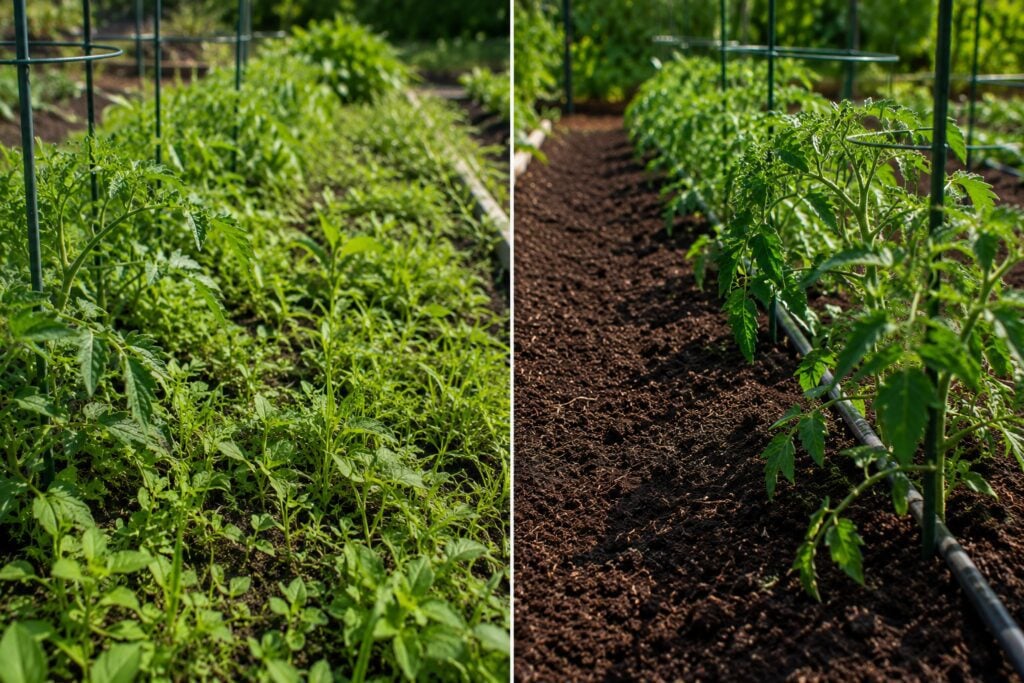
Within weeks, the surface was crowded with unwanted growth. Pulling them became a constant chore, and honestly, it felt endless.
The mulched bed was almost the opposite.
Because the straw blocked sunlight from reaching the soil surface, weed seeds struggled to germinate. The few weeds that appeared were weak and easy to remove.
This alone saved me hours of work.
Instead of constantly bending over to pull weeds, I could spend more time actually caring for my plants and enjoying the garden. For anyone with a busy schedule, mulch is one of the easiest ways to reduce maintenance dramatically.
Soil Temperature Matters More Than Most People Realize
Before this experiment, I never thought much about soil temperature. But after seeing the results firsthand, I realized how important it is.
Bare soil absorbs direct sunlight all day long.
During summer, it can become extremely hot, especially in raised beds. In my garden, the exposed soil became almost uncomfortable to touch in the afternoon.
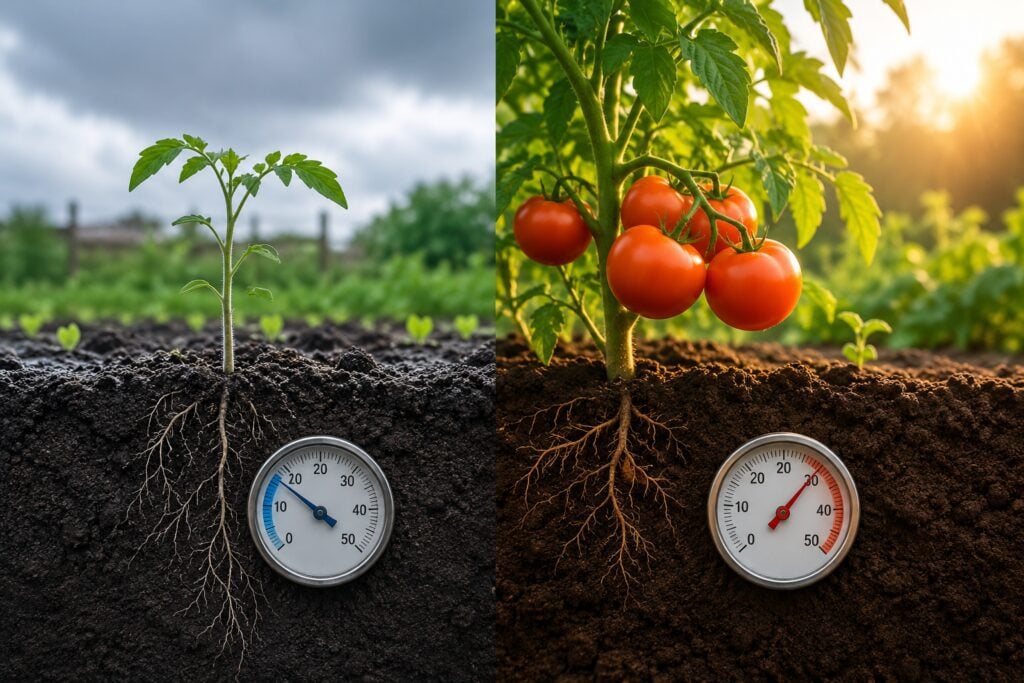
That heat stresses plant roots.
Roots work best in stable conditions. When the soil becomes too hot, plants struggle to absorb water efficiently, and growth slows down. This is why many plants wilt even when the soil technically contains moisture.
The mulched bed stayed noticeably cooler.
The straw layer acted like a protective blanket, shielding the soil from direct heat. Even during intense sunny days, the temperature underneath remained more stable.
Cooler soil created healthier roots, and healthier roots created stronger plants.
This became especially obvious with my tomatoes. The mulched tomatoes grew taller, fuller, and produced more fruit compared to the plants in bare soil.
The Soil Itself Started Looking Alive
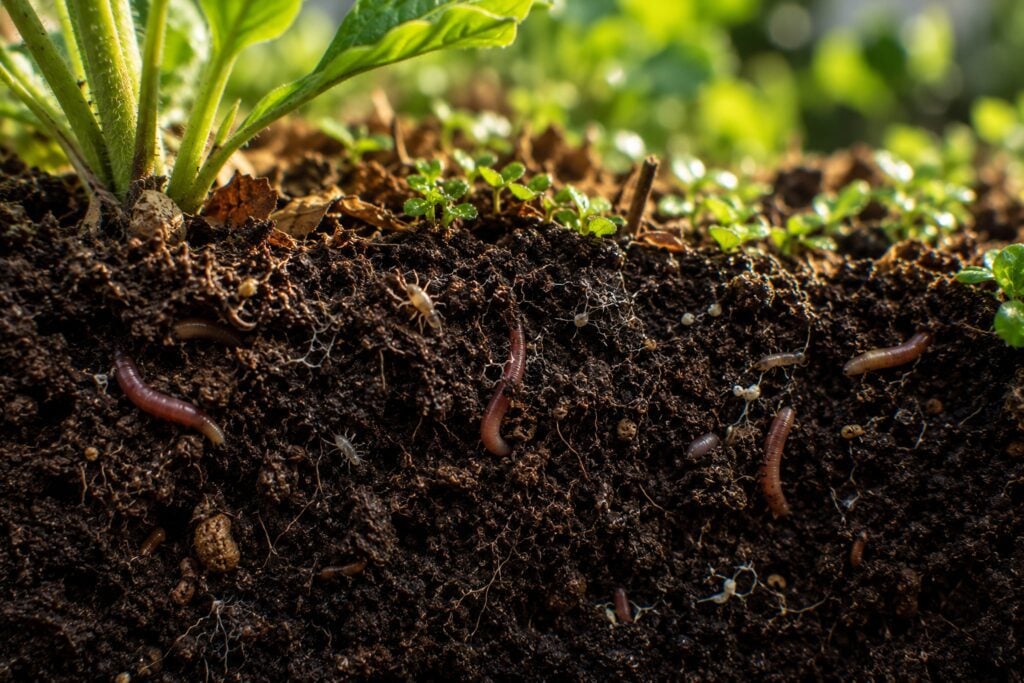
One of the most surprising parts of the experiment happened when I dug beneath the mulch.
The soil underneath looked rich and active. I started finding earthworms regularly, and the dirt had a loose, crumbly texture that held together beautifully without becoming compacted.
The bare soil looked completely different.
It became dry, cracked, and lifeless near the surface. Water tended to run off instead of soaking in deeply. The top layer hardened after repeated exposure to sun and watering.
This taught me something important: healthy soil is not just dirt.
Good soil is an ecosystem.
Mulch helps feed that ecosystem by protecting moisture levels and slowly breaking down into organic matter. Over time, the straw itself begins decomposing and improving the soil naturally.
Earthworms especially love mulched environments because they stay cool and moist.
Those worms help aerate the soil, improve drainage, and recycle nutrients back into the garden.
In other words, mulch helps the entire underground system thrive.
My Harvest Increased More Than I Expected
At the end of the season, the results became impossible to ignore. The mulched bed produced noticeably more vegetables.
The tomatoes were larger and more plentiful. The peppers looked healthier and ripened more consistently.
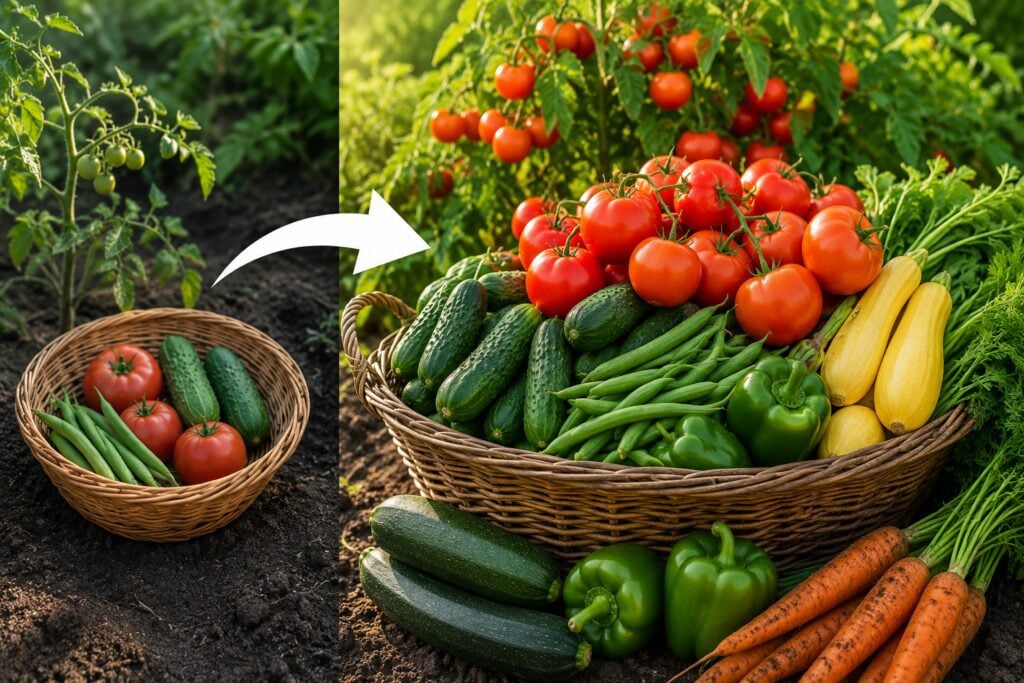
Even leafy greens stayed productive longer before struggling in the heat.
Meanwhile, the bare soil bed produced smaller plants with lower yields overall.
The difference was not because the seeds were different. It was not because one bed received more sunlight or fertilizer. The conditions were identical except for one thing: mulch.
That completely changed my perspective.
I used to think gardening success came mostly from buying the right products. Now I believe protecting the soil is one of the most important steps a gardener can take.
Why Mulch Works So Well?
After researching more deeply, I realized mulch helps gardens in several ways at the same time.
Here is why it works so effectively:
1. It Reduces Water Evaporation
Mulch blocks direct sunlight from drying the soil surface too quickly. This means the ground stays moist longer between watering sessions.
2. It Suppresses Weeds
Weeds need sunlight to grow. Mulch acts like a natural barrier that prevents many weed seeds from sprouting.
3. It Protects Soil Structure
Heavy rain and harsh sunlight damage exposed soil over time. Mulch softens that impact and keeps the soil healthier.
4. It Feeds the Soil Naturally
Organic mulch slowly breaks down and adds nutrients back into the ground.
5. It Supports Beneficial Organisms
Earthworms and microbes thrive in cool, moist conditions. Mulch creates the ideal environment for them. Once I understood these benefits, it became obvious why experienced gardeners recommend mulching so strongly.
The Best Mulch I Personally Recommend
After trying different materials, I found straw works extremely well for vegetable gardens.
It is lightweight, affordable, easy to spread, and breaks down naturally over time. Most importantly, it keeps moisture trapped without compacting the soil.
Other good options include:
- Wood chips for pathways and landscaping
- Shredded leaves
- Grass clippings that are chemical free
- Compost
- Pine needles for acid-loving plants
I personally avoid using overly thick layers that block airflow completely. Around two to three inches usually works best for most vegetable gardens.
What I Would Never Do Again?
After seeing the difference between mulch and no mulch, I honestly cannot imagine returning to bare soil gardening.
The unmulched bed required:
- More watering
- More weeding
- More effort
- More stress for the plants
Meanwhile, the mulched bed stayed healthier with less maintenance.
That completely shifted the way I approach gardening now. Instead of fighting nature constantly, mulch helps create a more stable environment where plants can thrive naturally.
It is one of the rare gardening techniques that is simple, inexpensive, and incredibly effective at the same time.
Final Thoughts
Sometimes the biggest gardening improvements come from the simplest changes.
I used to think mulch was optional. Now I see it as essential.
After only three months, the difference between mulch and no mulch became obvious in every possible way.
The mulched soil stayed cooler, held moisture longer, produced fewer weeds, supported healthier soil life, and ultimately grew stronger plants with better harvests.
The best part is how easy it is to start.
You do not need expensive tools or complicated systems. A few inches of straw or organic mulch can completely change the health of your garden season after season.
Looking back, I honestly wish I had started using mulch years earlier.


