
Gardening used to feel expensive to me. Every time I visited a garden center, I saw beautiful raised beds, fancy pots, expensive tools, and rows of plants that quickly added up in cost.
For a long time, I thought having a thriving garden required a large budget and plenty of space.
But after experimenting in my own backyard, I realized that some of the best gardens actually start with creativity, patience, and smart planning rather than money.
I learned that budget gardening is not about having less. It is about using what you already have, growing smarter, and focusing on what truly matters.
Over time, I discovered simple ways to reduce costs while still creating a productive and beautiful garden filled with vegetables, flowers, herbs, and greenery.
Start Small Instead of Doing Everything at Once
One of the biggest mistakes I almost made was trying to create my dream garden immediately. I wanted multiple garden beds, dozens of plants, decorative pathways, and all the gardening tools at once.
Thankfully, I started small instead.
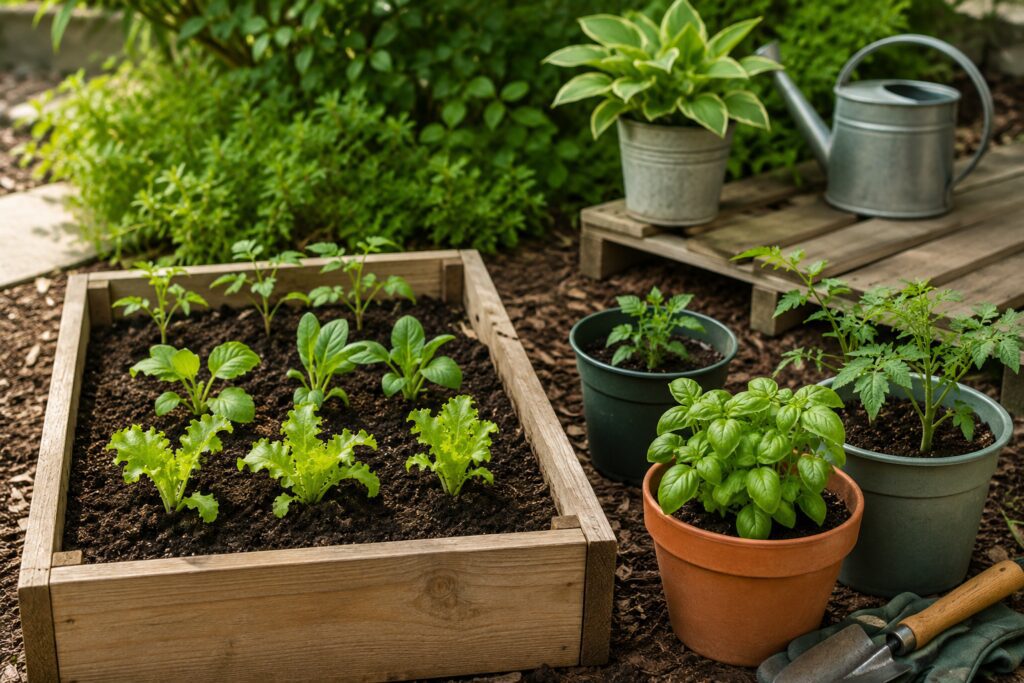
Starting with one or two containers or a small garden bed allowed me to learn without feeling overwhelmed.
I could focus on understanding sunlight, watering schedules, soil quality, and plant growth before expanding.
When I first started, I used only a few pots and planted herbs, lettuce, and tomatoes. Those small successes gave me confidence. I also made fewer costly mistakes because I was managing a smaller space.
A small garden is easier to maintain, cheaper to set up, and perfect for beginners. Once you understand the basics, you can slowly expand over time without draining your budget.
Reuse and Recycle What You Already Have
One of the easiest ways I saved money was by reusing everyday household items instead of buying expensive planters and garden decorations.
Old buckets, food containers, plastic bottles, broken baskets, wooden crates, and unused kitchen items became part of my garden.
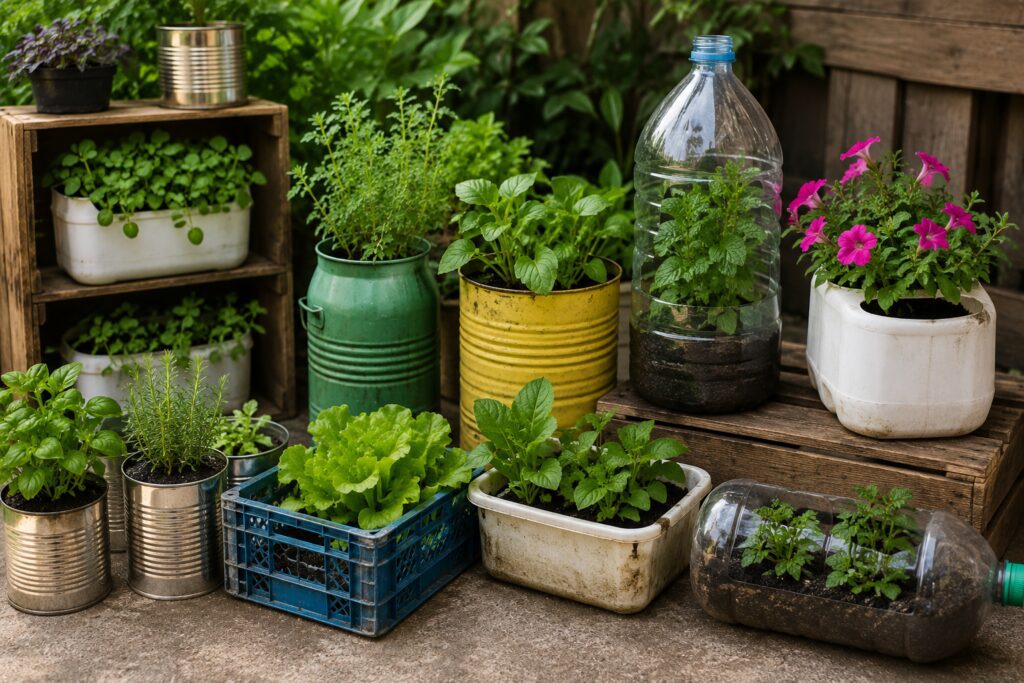
I even turned old containers into hanging planters and seed starters.
At first, I worried recycled items would make my garden look messy, but with a little creativity, they actually gave the space personality and charm. Some of my favorite planters are things I almost threw away.
Recycling also helped me reduce waste while keeping gardening affordable. Instead of constantly buying new products, I started looking at old items differently.
Almost anything can become useful in a garden if you think creatively.
Before buying expensive supplies, I always recommend checking around your house first. You may already own most of what you need.
Swap Seeds and Plants With Other Gardeners

One thing I quickly discovered is that gardeners love sharing. Joining local gardening groups and online communities introduced me to people who happily traded seeds, cuttings, and extra plants.
Instead of buying expensive seedlings every season, I exchanged herbs, vegetable seeds, and flower cuttings with others. This allowed me to grow a wider variety of plants without spending much money.
Plant swaps also helped me learn from experienced gardeners.
Many people shared advice about what grows best locally, how to handle pests naturally, and which plants are easiest for beginners.
Sometimes gardeners have extra seedlings they simply want to give away because they planted too many. I received tomato plants, chili plants, basil, and flowers completely free just by connecting with others.
Gardening becomes much more enjoyable when it feels like a community rather than a solo project.
Make Your Own Compost at Home
At first, I spent money buying bags of compost and fertilizer. Then I realized I was throwing away many kitchen scraps that could actually feed my garden for free.
Making compost became one of the smartest decisions I made.
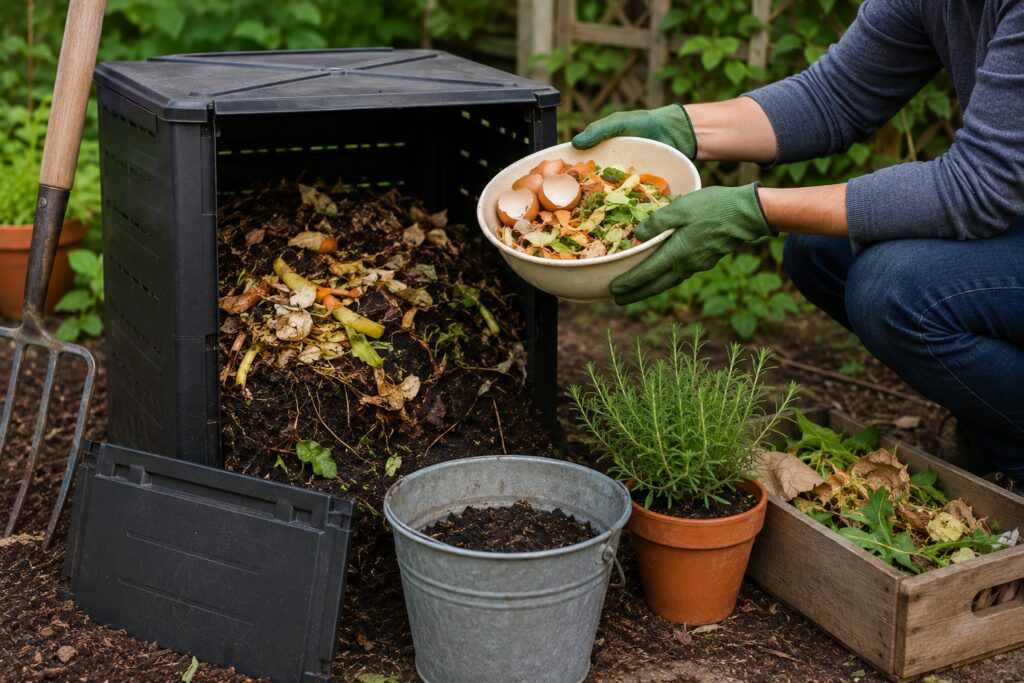
Fruit peels, vegetable scraps, coffee grounds, eggshells, dry leaves, and grass clippings slowly transformed into rich organic material that improved my soil naturally.
Composting reduced waste from my kitchen while saving money on fertilizer.
Over time, my plants became healthier, the soil held moisture better, and I needed fewer store bought products.
You do not need fancy composting systems to start. I began with a simple container and gradually learned what materials work best together. The process was easier than I expected.
Good compost creates healthier plants because it feeds the soil naturally instead of relying heavily on chemical fertilizers.
Choose Perennials for Long Term Savings
When I first started gardening, I focused mostly on plants that lasted for one season. Then I discovered how valuable perennials can be.
Perennials are plants that return year after year, which means you do not have to keep replanting them every season.
This saves both time and money.
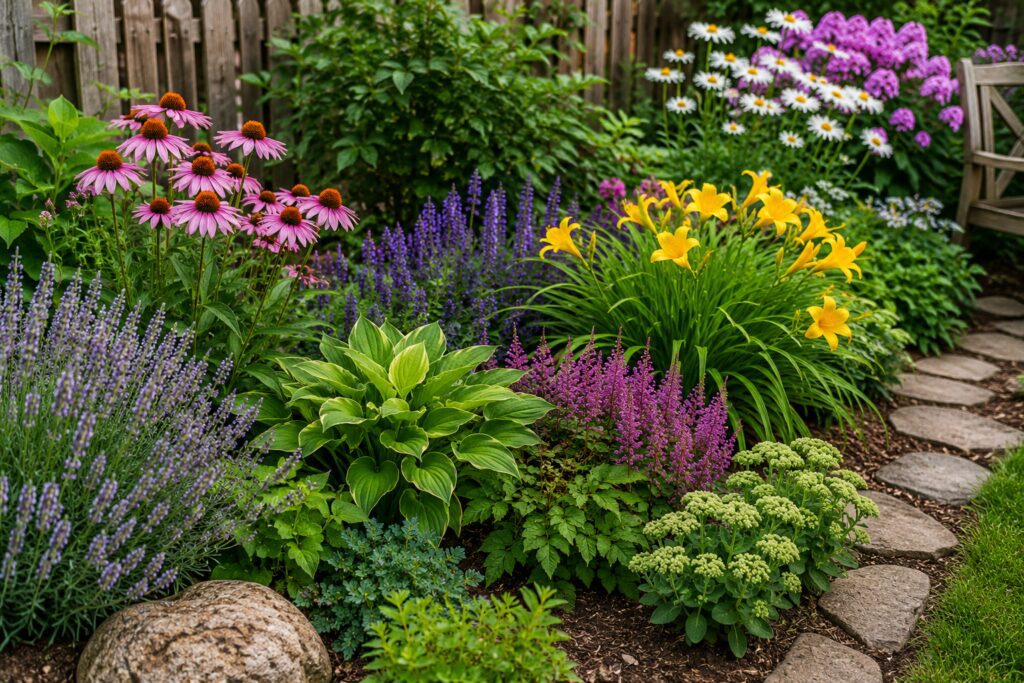
Some perennial herbs, flowers, and vegetables continued growing with very little effort once established.
Herbs like rosemary, mint, and oregano became reliable parts of my garden without needing constant replacement.
Perennials also helped make my garden feel fuller and more established over time. Each year they grew larger and healthier, giving me more value from the original investment.
Choosing a mix of annuals and perennials is one of the smartest ways to create a beautiful low cost garden.
Grow Plants From Seeds Instead of Buying Transplants
Buying mature plants from stores can become expensive very quickly. I noticed that a small packet of seeds often cost less than a single transplant.
Growing from seeds takes more patience, but it dramatically reduced my gardening expenses.
It also gave me access to many more plant varieties that are not always available locally.
Watching tiny seeds sprout and develop into healthy plants became one of the most satisfying parts of gardening for me. I started seeds indoors using recycled containers and simple soil mixes.
Not every seed succeeded at first, but the process taught me valuable lessons about temperature, moisture, and timing.
Over time, I became more confident and successful.
Seeds are one of the best investments for gardeners on a budget because they offer huge potential for very little cost.
Use Mulch to Save Water and Protect Soil
Watering became one of the biggest ongoing expenses in my garden during hot weather. Then I started using mulch, and the difference was incredible.
Mulch helps soil retain moisture, keeps roots cooler, reduces weeds, and improves soil quality over time.
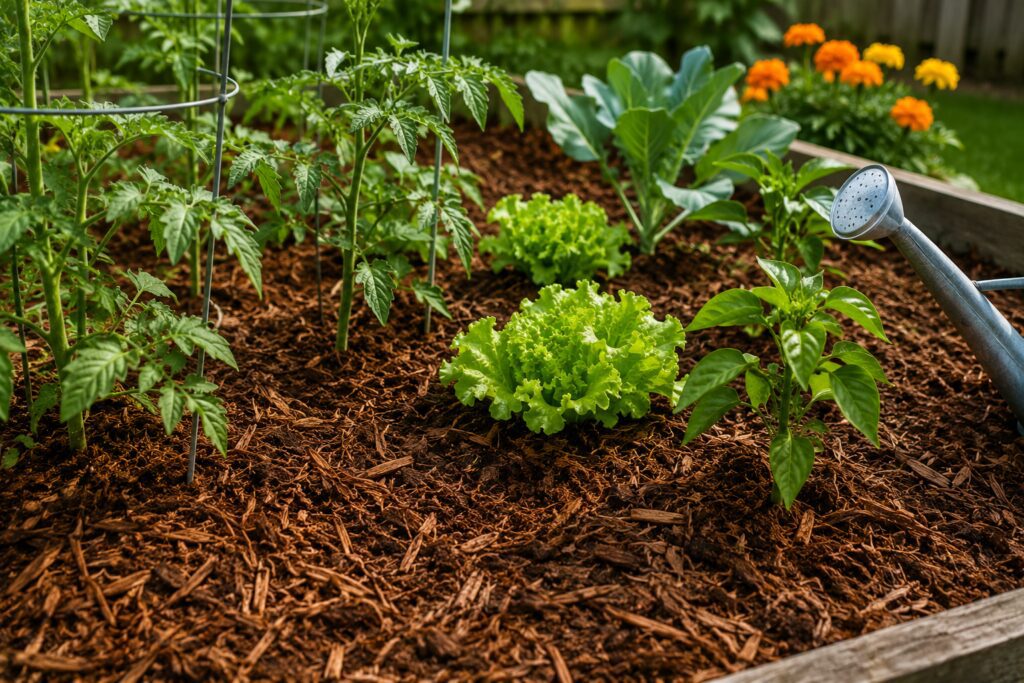
I used dry leaves, grass clippings, bark, and free wood chips from local services.
After applying mulch, I noticed I watered less often because the soil stayed moist longer. My plants also looked healthier and stronger during hotter days.
Mulch reduced weed growth significantly, which meant less maintenance and less competition for nutrients.
Sometimes the simplest gardening solutions have the biggest impact, and mulch became one of my favorite budget friendly tools.
Build DIY Trellises Instead of Buying Expensive Structures
Garden trellises can be surprisingly expensive, especially decorative ones. Instead of purchasing costly structures, I built simple supports using materials I already had.
Old wooden sticks, bamboo poles, leftover wire, and recycled materials became trellises for tomatoes, cucumbers, beans, and climbing flowers.
DIY trellises not only saved money but also made my garden feel more personal and creative.
Some structures were imperfect, but they worked well and added character to the space.
Vertical gardening also helped me maximize small areas. By growing upward instead of outward, I fit more plants into limited space.
Simple homemade supports often work just as effectively as expensive store bought versions.
Water Wisely to Reduce Waste
When I first started gardening, I watered at random times without much thought. Eventually I realized that proper watering habits could save both water and money.
I began watering early in the morning because cooler temperatures reduce evaporation. This allowed the plants to absorb more moisture before the heat of the day arrived.
I also focused on watering the soil directly instead of spraying leaves unnecessarily. Deep watering encouraged stronger roots and healthier plants.
Collecting rainwater became another helpful habit.
Even small amounts added up over time and reduced dependence on tap water.
Smart watering practices made my garden more efficient while lowering maintenance costs.
Choose High Yield Crops for Better Value
Some plants produce far more food than others, making them excellent choices for budget gardening.
Tomatoes, zucchini, herbs, lettuce, cucumbers, beans, and chili peppers gave me large harvests from relatively small spaces.
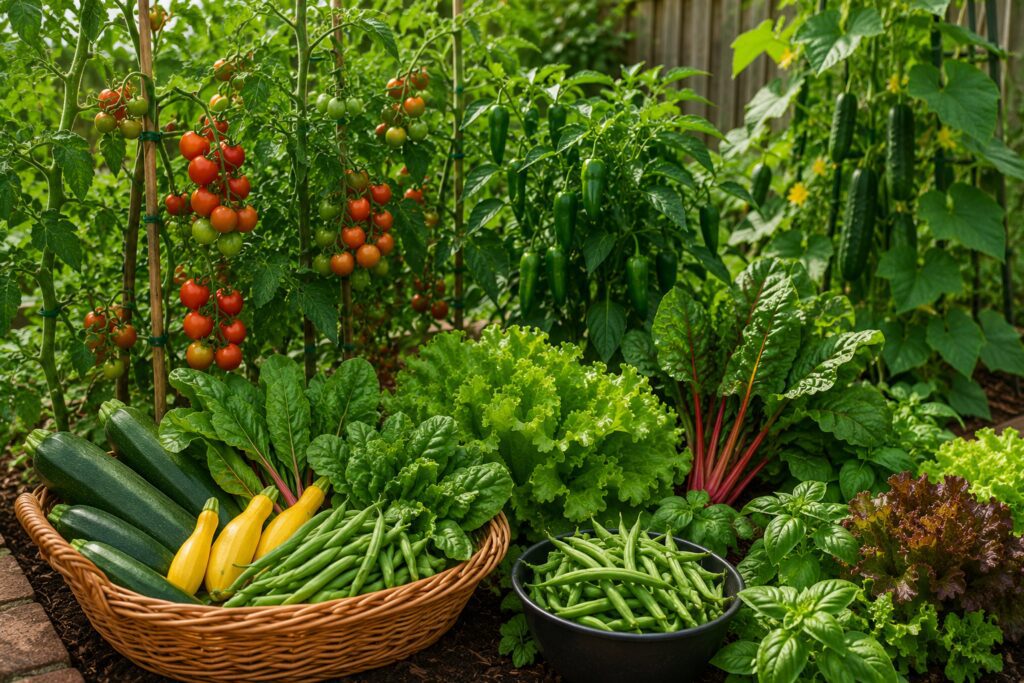
A few healthy plants often produced enough food for weeks.
Growing high yield crops helped me save money on groceries while making the garden feel more rewarding.
Herbs were especially valuable because store bought fresh herbs can be expensive. Having basil, parsley, mint, and cilantro available at home was both convenient and cost effective.
When space and budget are limited, choosing productive plants makes a huge difference.
Use Natural Pest Control Methods
At first, pests frustrated me constantly. I considered buying chemical products, but I wanted a safer and cheaper approach.
I learned that companion planting and natural pest control methods can be surprisingly effective. Marigolds, basil, and certain flowers helped attract beneficial insects while discouraging harmful pests.
Encouraging birds, ladybugs, and pollinators created a healthier garden ecosystem naturally.
I also learned that healthy plants are more resistant to pests in general.
Good soil, proper watering, and strong plant spacing reduced many problems before they started.
Natural pest control saved money while making the garden safer for children, pets, and pollinators.
Learn as You Grow
One of the most important lessons I learned is that gardening is a continuous learning experience. Even experienced gardeners still experiment, fail sometimes, and discover new techniques.
I killed plants, overwatered seedlings, planted things in the wrong season, and made many beginner mistakes. But every mistake taught me something valuable.
Gardening does not need to be perfect to be enjoyable.
Some of my favorite moments came from unexpected successes and small daily improvements.
The beauty of budget gardening is that it encourages creativity and patience rather than perfection. Over time, the garden grows alongside your knowledge and confidence.
Starting a garden on a budget taught me that you do not need expensive tools or a huge backyard to create something meaningful.
With simple strategies, recycled materials, smart planning, and a willingness to learn, anyone can grow a beautiful and productive garden without spending a fortune.


