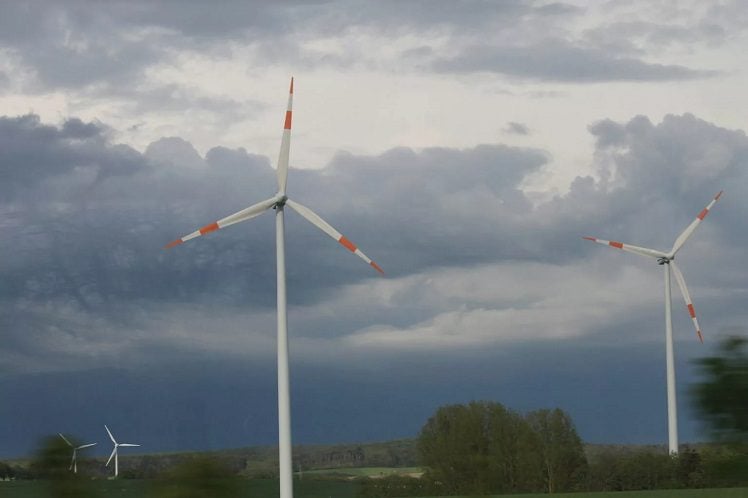
Behind each search, image, or generated paragraph are massive data centers consuming electricity and water to keep powerful computers running. As AI grows, so does the infrastructure required to support it.
According to Allianz Trade, AI may already account for 15% to 20% of global data center electricity use, potentially rising to around 40% by 2030. To me, that is not a reason to reject AI.
It is a reason to build it more responsibly.
Artificial intelligence can improve how we work, communicate, and solve problems. But real progress means pairing innovation with cleaner energy, efficient cooling systems, and better environmental planning.
The future should not force us to choose between smarter technology and a healthier planet.
AI Is Changing More Than the Digital World
When I type a question and receive an answer within seconds, it is easy to forget the servers, processors, electricity, and cooling systems working behind the screen.
Every AI interaction depends on physical infrastructure running continuously.
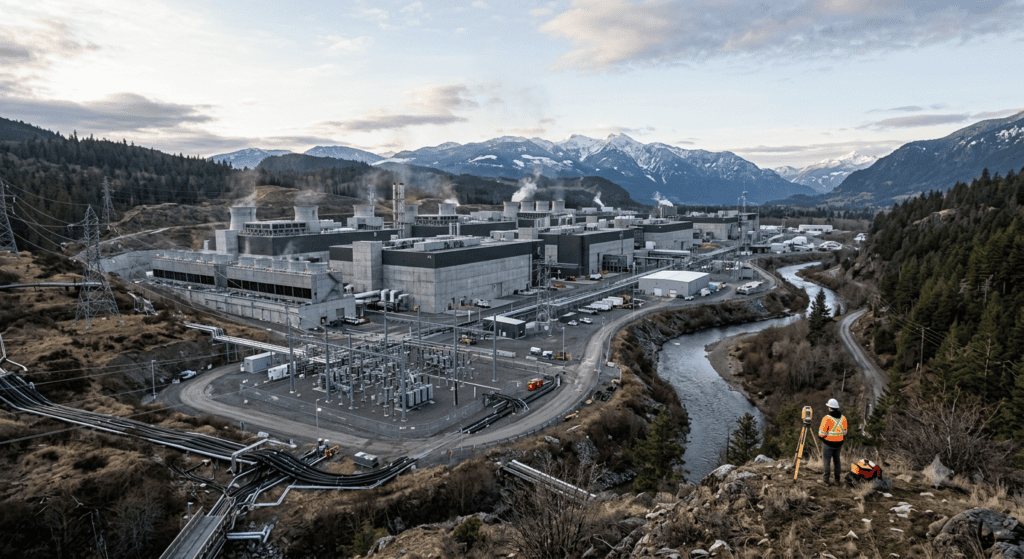
The International Energy Agency estimates that global data center electricity use could more than double to about 945 terawatt-hours by 2030, slightly more than Japan currently consumes in a year.
AI is expected to drive much of that increase.
To me, this shows that AI is no longer just a technology issue. Its growth may influence power grids, energy costs, water supplies, construction, and climate goals.
The digital world may seem weightless, but the choices behind it have real consequences.
Carbon Emissions Could Be Higher Than Earlier Estimates
The real footprint of a data center begins at the power plant.
Two facilities can use the same amount of electricity but create very different environmental impacts. A data center powered by wind, solar, or hydro may produce far fewer emissions than one relying on coal or natural gas.
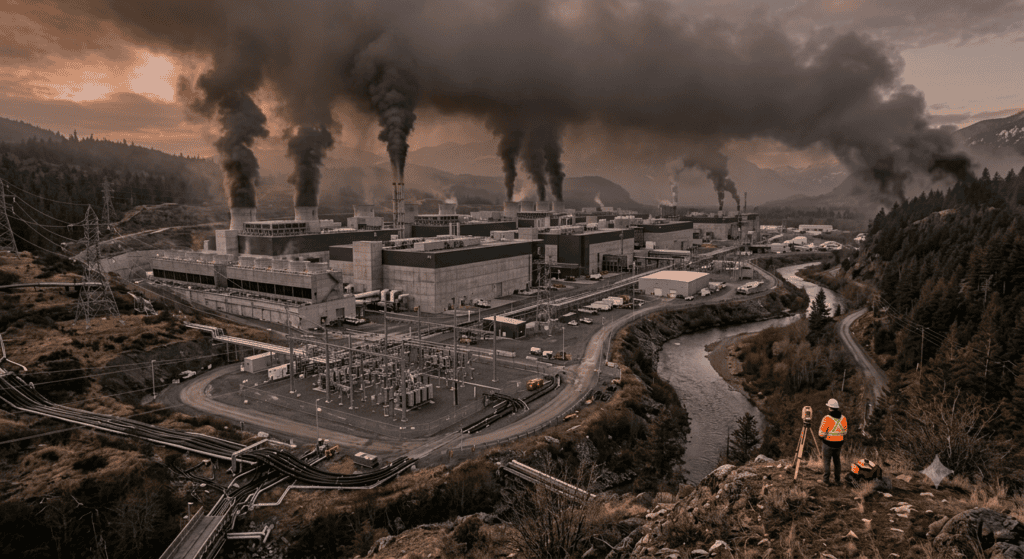
The problem is that AI growth may outpace clean-energy expansion. As more data centers are built, electricity grids could turn to fossil fuels to meet rising demand.
The International Energy Agency expects renewables to supply nearly half of the additional power needed through 2030, but coal and natural gas will still play a role.
To me, this is the key point: efficiency alone is not enough. Smarter computers matter, but cleaner electricity matters just as much. AI can only become truly sustainable when the energy behind it becomes cleaner too.
Why AI Requires So Much Electricity?
Generative AI requires enormous numbers of calculations to produce text, images, video, code, and other content.
Powerful chips handle this work during both model training and everyday use, consuming electricity each time people interact with the system.
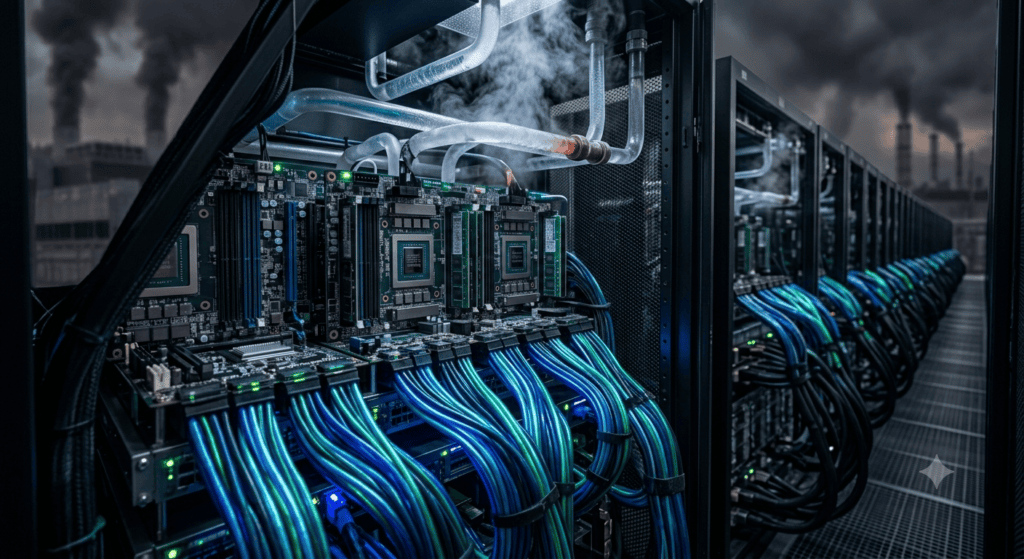
The IEA projects that electricity demand from AI-focused data centers could more than quadruple by 2030. That growth deserves attention, but energy use is only part of the story.
AI may also help reduce waste, improve power grids, support climate research, and strengthen renewable-energy systems. To me, the real challenge is not stopping AI.
It is ensuring that its environmental benefits grow faster than the energy and resources it consumes.
Water Use is Becoming Another Major Concern
AI does not only run on electricity. It also depends on water.
Data center servers produce intense heat, so many facilities use water-based cooling to keep equipment operating safely. This can become a serious concern in regions already facing drought, water shortages, or competition between homes, farms, and industry.
The total water footprint may be even larger because electricity generation can also require water. As AI infrastructure expands, global data center water and energy use could roughly double by 2030.
To me, communities deserve clear answers before new facilities are approved. Companies should disclose how much water they will use, where it will come from, and how waste will be reduced.
Data centers can bring jobs and investment, but digital progress should not come at the expense of local water security.
Cleaner Data Centers Can Support the Future of AI
AI’s environmental impact is not inevitable. It depends on the choices we make now.
Cleaner electricity is one of the biggest solutions, but buying renewable energy alone is not enough. Data centers run day and night, while wind and solar are not always available.
Energy storage, stronger power grids, flexible computing, and reliable low-carbon energy will also be essential.
Efficiency matters too. Better chips, smarter software, and improved cooling systems can reduce electricity and water use. Recycled water, outside air, liquid cooling, and closed-loop systems may further lower the strain on local resources.
To me, location is just as important as technology. Building data centers where clean energy, cooler climates, strong grids, and sufficient water already exist can reduce their environmental pressure.
AI can keep growing, but it should grow with better planning, not at any cost.
My Practical Tips for Using AI More Responsibly
We may not control the energy grid, but we can still use AI more thoughtfully.
I try to begin with a clear prompt instead of generating the same idea repeatedly. When a result is close, I ask for a specific edit rather than starting over. For simple tasks, the largest AI model may not always be necessary.
These habits will not solve AI’s environmental impact on their own. The biggest changes must come from technology companies, governments, and energy providers. Still, responsible use matters.
So does supporting companies that openly report their electricity use, emissions, renewable energy, and water consumption.
Individual choices may be small, but public attention can push the industry toward greater efficiency, transparency, and accountability.
Innovation and Sustainability Must Grow Together
AI may be digital, but its future will be built with real electricity, water, land, and infrastructure.
Artificial intelligence can improve education, health care, science, business, and everyday life. But its growth may also increase energy demand, emissions, water use, and pressure on local communities.
We should not have to choose between innovation and environmental protection.
Cleaner power, efficient chips, smarter cooling, responsible water use, stronger grids, and honest environmental reporting can help AI grow more sustainably.
To me, the lesson is simple: advanced technology is only true progress when the systems supporting it are responsible too. AI can keep moving forward, but sustainability must move with it.