The coolest part of a city may begin with a tree.
As summers grow hotter, I see urban trees as more than decoration. Their shade can soften heat, improve air quality, support wildlife, and make streets feel safer and more comfortable.
Air conditioning helps indoors, but trees protect entire neighborhoods over time. Planting more of them is not just about creating greener cities. It is a practical investment in healthier, cooler, and more resilient places to live.
Why Trees Matter More Than Ever?
Cities do not just feel hotter in summer. They trap heat.
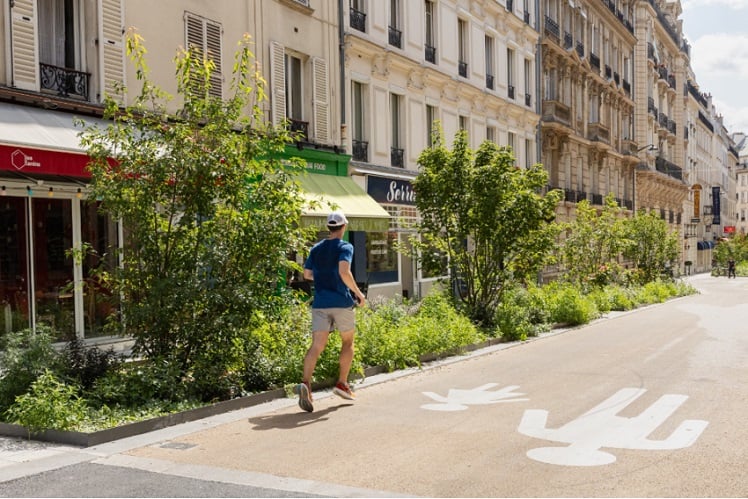
Concrete, roads, rooftops, and parking lots absorb sunlight all day, then release that heat long after sunset. The difference becomes obvious when I walk beneath a tree-lined street and immediately feel the temperature drop.
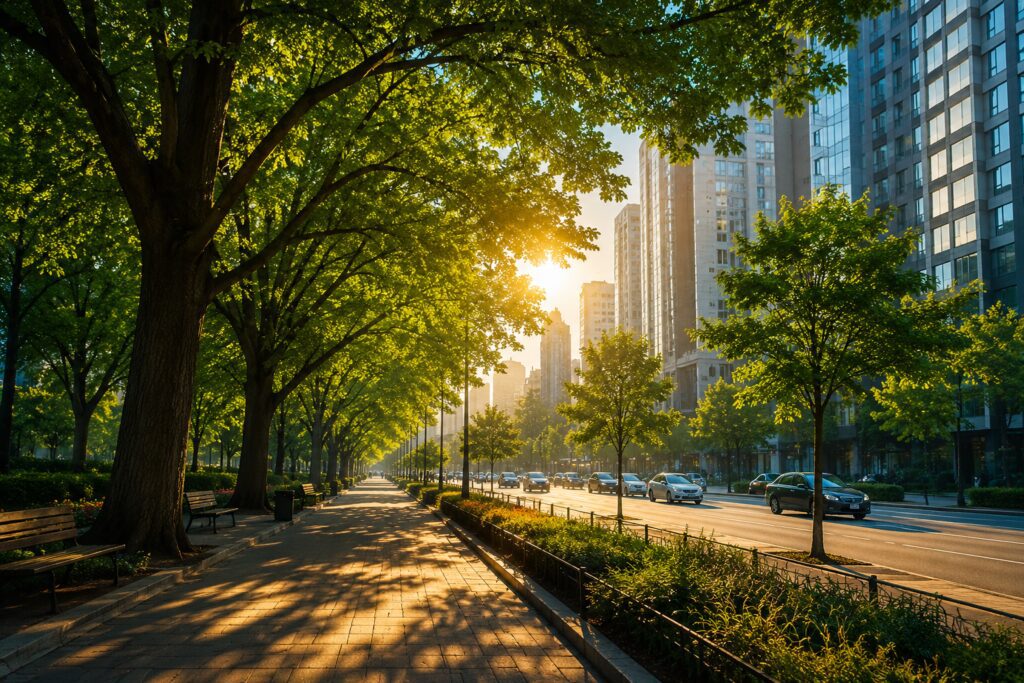
That is why growing calls across the UK for more urban trees make so much sense. Groups including the Woodland Trust, RHS, and Horticultural Trades Association see trees as more than decoration.
They are natural cooling systems that create shade, protect communities, and make cities healthier.
The answer to hotter summers may not always be another machine.
Sometimes, it begins with planting something that will keep cooling the neighborhood for decades.
Record Heatwaves Show Why Cities Need More Shade
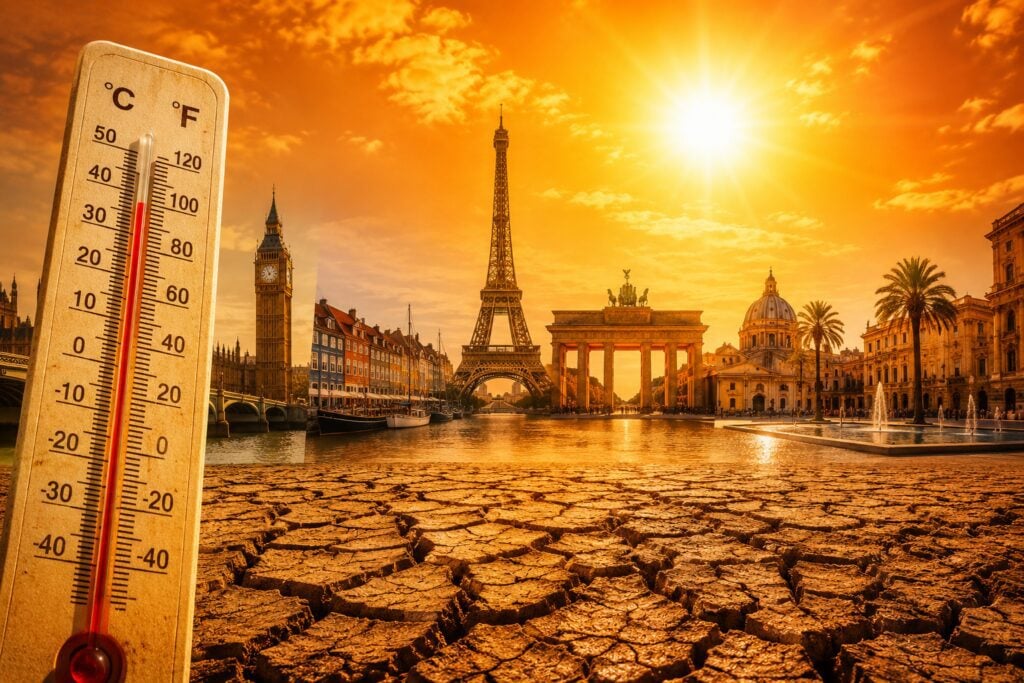
Thirty-seven degrees in Britain no longer feels impossible. That is what makes these heatwaves so unsettling.
When temperatures reached 35.1°C in May and 37.7°C in June, I did not just see broken records.
I thought about older people alone at home, children in overheated rooms, outdoor workers, pets, and families trying to sleep while the heat lingered long after sunset.
Cities suffer most because concrete, brick, roads, and rooftops behave like giant heat batteries. They absorb sunlight all day, then release it slowly through the night.
The danger is not only that afternoons are getting hotter. It is that cities are losing their chance to cool down.
Trees Can Lower Temperatures More Than You Might Expect
The difference between burning pavement and a cooler street may be nothing more complicated than a canopy of leaves.
In one Manchester study, sun-exposed concrete reached about 40°C, while grass measured 23°C. Add tree shade, and temperatures dropped by roughly 12°C on concrete and 9°C on grass.

That is not a small comfort. It can completely change how a street, park, or playground feels.
Trees cool in two ways: their branches block direct sunlight, while their leaves release moisture through transpiration. No electricity, no machinery, and no added emissions. Just living shade working quietly all day.
Green Infrastructure Is More Than Just Landscaping
A city without trees may still function, but it does not function as well.
I have stopped seeing trees as decoration. They cool streets, filter pollution, absorb carbon, slow stormwater, support wildlife, and make public spaces healthier and calmer.
That is why the idea of trees as green infrastructure makes so much sense to me. Roads move people. Drains move water. Trees help cities breathe, cool, recover, and feel livable.
They are not simply part of the view. They are part of what keeps a city working.
Why Growing Trees Locally Matters?
The future of greener cities begins long before a tree reaches the pavement. I had not thought much about where urban trees come from until I learned how important local nurseries are.
Growing more trees within the UK can cut transport emissions, strengthen supply, support skilled jobs, and produce species better suited to local conditions.
Planting campaigns need more than ambition.
They need a reliable system behind them.
Trees may take years to mature, but the decisions made in nurseries today could shape healthier communities for generations.
Some Communities Still Live in “Tree Deserts”
One phrase that really caught my attention was tree deserts. These are neighborhoods where very little tree cover exists.
Without shade, residents often experience:
- Hotter streets
- Poorer air quality
- Less wildlife
- Greater heat stress
- Fewer pleasant outdoor spaces
Unfortunately, these areas are often home to vulnerable communities that already face other social and environmental challenges. Adding trees does far more than improve appearance.
It can genuinely improve everyday quality of life while making neighborhoods safer during extreme weather.
Trees Also Improve Mental Health
Trees do more than cool a city. They change how it feels to live in one.
Whenever I step beneath a canopy of mature trees, I notice the shift almost immediately. The noise softens, my pace slows, and even a stressful day feels slightly easier to carry.
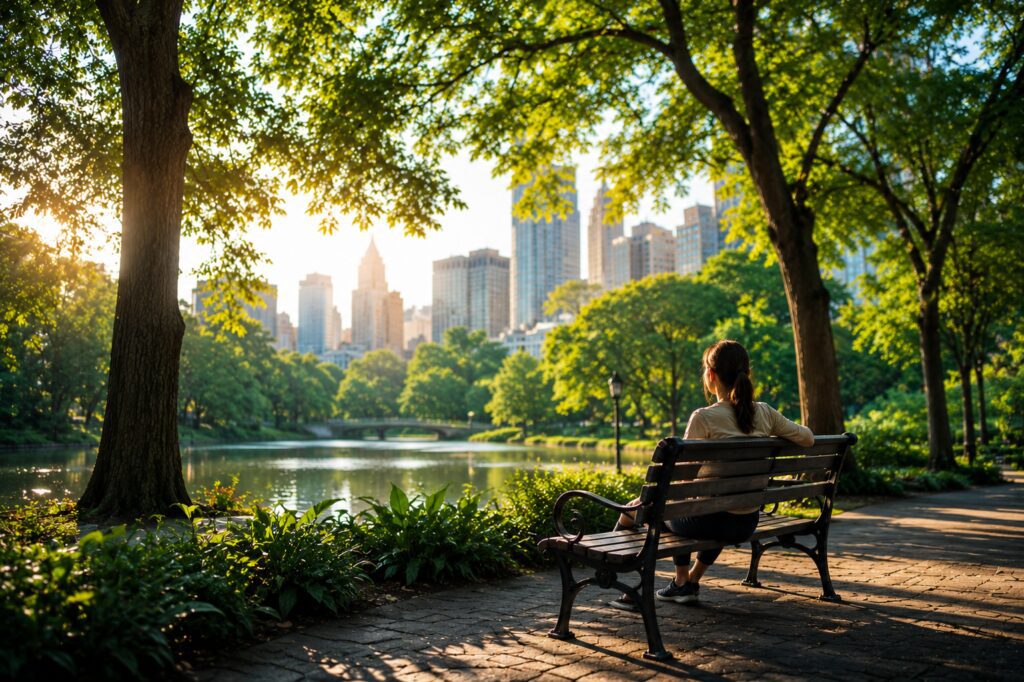
Nature can support focus, movement, and emotional wellbeing, which means every new tree offers more than shade. It creates a small place to breathe, reset, and feel human again.
My Personal Tips for Creating Cooler Outdoor Spaces
A cooler neighborhood does not always begin with a major project. Sometimes, it begins with one carefully placed tree.
I would plant where future shade matters most, then protect young trees with steady watering while their roots establish. I would also combine them with shrubs, grass, and flowering plants to create cooler, greener pockets around the home.
The hardest part is thinking beyond the present.
A tree planted today may not reach its full beauty for years, but someone will eventually walk beneath its shade.
That is why local planting projects matter. Small actions, repeated across a community, can slowly change how an entire neighborhood feels.
Looking Ahead
The climate crisis is no longer knocking at the door. It is already heating the streets outside it.
That is why planting trees feels so powerful to me. A single tree can cool a neighborhood, clean the air, shelter wildlife, ease stress, and make everyday spaces feel more livable.
Unlike many short-term fixes, it keeps giving back year after year.
Trees will not solve every climate problem, but they are one of the simplest actions cities can take now. Plant today, and future generations may one day find shade where there was once only heat.