Beneath leaves, inside tree bark, under the soil, and high in rainforest canopies, an enormous hidden world is still waiting to be discovered.
Scientists now estimate that Earth may be home to between 14 and 30 million insect species, far more than previously believed.
Most of them have never been named, studied, or even seen by researchers, reminding us that our planet is still far more mysterious and biologically rich than we often realize.
We Know Far Less About Nature Than We Think
The insects we have named may be only the visible edge of a much larger world.
Scientists now estimate that Earth could hold between 14 million and 30 million insect species. Research involving more than 1.6 million specimens from a protected region in Costa Rica suggests that most may still be unknown to science.
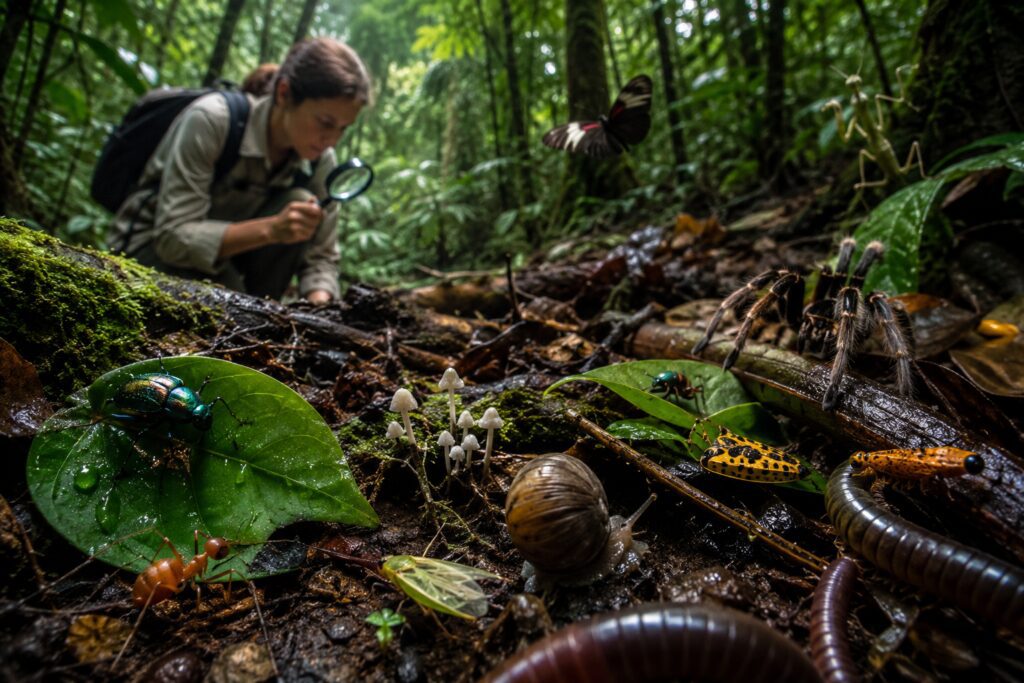
That means countless species could be living unnoticed in soil, leaves, rivers, forests, caves, and even ordinary gardens.
I find that discovery exciting, but also unsettling. Nature may be far richer than we imagined, yet some species could disappear before we ever learn their names.
How Scientists Uncovered This Hidden Diversity?
Scientists did not count every insect on Earth. They learned how to read the hidden patterns inside them.
Using DNA barcoding, researchers examined more than 1.6 million insects collected in Costa Rica. The method works like a biological barcode, helping reveal separate species even when two insects look almost identical.
What fascinates me is how easily appearance can mislead us. Two insects may look the same but live completely different lives, while two that look different may simply be different ages, sexes, or color forms of one species.
By combining genetics with ecological data, scientists uncovered a much larger picture of insect diversity. The discovery is not based on guesswork, but on millions of tiny genetic clues showing that nature is far more complex than it appears.
The Mystery of Cryptic Species
Some insect species may be hiding in plain sight behind the same familiar face.
Cryptic species can look almost identical, yet their DNA, diets, habitats, and breeding patterns reveal that they are completely separate.
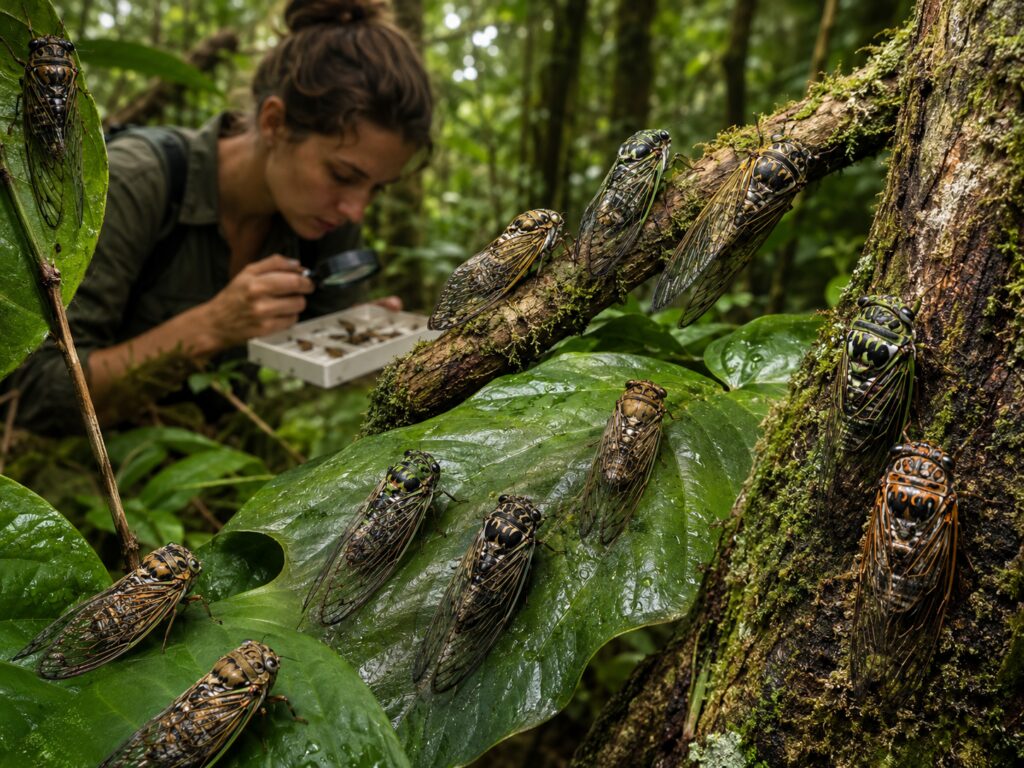
What appears to be one widespread moth, for example, may actually be several species tied to different plants.
That difference matters. Each one may pollinate a particular flower, feed a certain bird, or perform another unique job in the ecosystem.
What concerns me most is how easily a hidden species could disappear unnoticed.
If scientists mistake several species for one, biodiversity loss can remain invisible until it is too late.
Why Insects Matter More Than Their Size Suggests?
Most insects will never make headlines, yet many of them quietly keep the natural world running.
They pollinate plants, rebuild soil, recycle waste, control pests, spread seeds, and feed countless birds, fish, reptiles, and mammals. Without them, entire food chains would begin to unravel.
I try not to judge insects only by mosquitoes, termites, or crop pests. That would be like judging every mammal by rats.
Most insect species do not threaten us. They support the systems we depend on.
What feels most urgent is how many remain unknown. We may be losing future pollinators, medicines, and natural pest controllers before science even has the chance to name them.
Costa Rica Offers a Window Into a Much Larger World
Costa Rica may be where scientists opened the door, but the mystery does not end in the rainforest.
Decades of research in Área de Conservación Guanacaste have revealed how insects connect with plants, moths, amphibians, and entire ecosystems. That long-term view matters because biodiversity cannot be understood in a single visit.
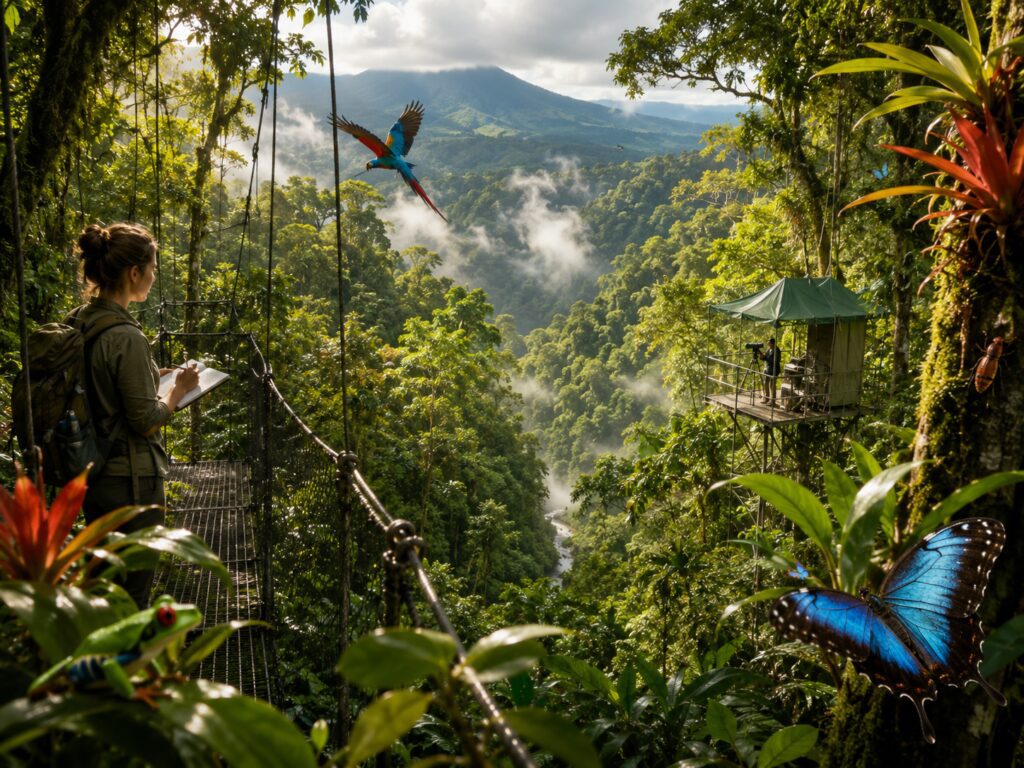
What stayed with me most is that unknown species may also be living much closer to us. Woodlands, wetlands, farms, coastlines, and even ordinary gardens could still hold life science has never properly identified.
Sometimes discovery begins not by travelling farther, but by looking more carefully.
We May Be Losing Species Before Finding Them
Some species may disappear before science ever learns their names.
That is what makes this hidden insect diversity feel so urgent. Forest loss, pesticides, pollution, invasive species, and climate change are already reshaping the precise conditions many insects and amphibians need to survive.
A species confined to one small forest or wetland can vanish with that habitat, leaving no records and no public warning behind.
For me, biodiversity research is not just about discovery. It helps reveal what is at risk.
Since we cannot identify every species in time, protecting whole forests, rivers, wetlands, and grasslands may be the only way to save both the life we know and the life still hidden.
Simple Ways We Can Help Insect Life
A wildlife-friendly garden does not need to be large. It just needs to offer something useful.
I plant native flowers that bloom at different times, giving bees, butterflies, beetles, and other insects a steadier food supply. I also avoid unnecessary pesticides, because the spray aimed at one pest can harm many helpful species.
I have learned to leave a little mess too.
Fallen leaves, hollow stems, bare soil, and small pieces of dead wood can become shelter and nesting space.
Even a balcony pot can help. When many small spaces support life, their impact becomes much bigger than they look.
Protecting the Life We Have Not Yet Met
The most humbling part of this research is realizing how much life still exists beyond our knowledge.
Even with satellites, DNA technology, and centuries of exploration, most insect species may remain unnamed. Yet forests are cleared, rivers altered, and land developed as if we already understand everything living there.
Science may eventually reveal many of these hidden species, but discovery takes time and environmental damage does not wait.
To me, conservation is not only about protecting animals we recognize.
It is also about saving the tiny, unseen creatures quietly holding ecosystems together.
Millions may still be waiting to be discovered. The real challenge is making sure they survive long enough to be found.