In April 2025, Spain made a momentous breakthrough in its energy transition that captured global attention.
On April 16, renewable energy sources (including wind, solar, hydropower, and other clean technologies), met 100 % of Spain’s electricity demand on the mainland grid during a working day, a historic first for a major industrial economy.
This milestone was more than a symbolic achievement; it reflected years of sustained investment, policy shifts, and technological growth that together are reshaping how one of Europe’s largest economies generates and consumes power.
n the following months and years, Spain continued to build on these successes; setting new records, advancing grid flexibility, and positioning itself as a leading example of what deep decarbonization can look like in practice.
A Historic Day for Renewable Power
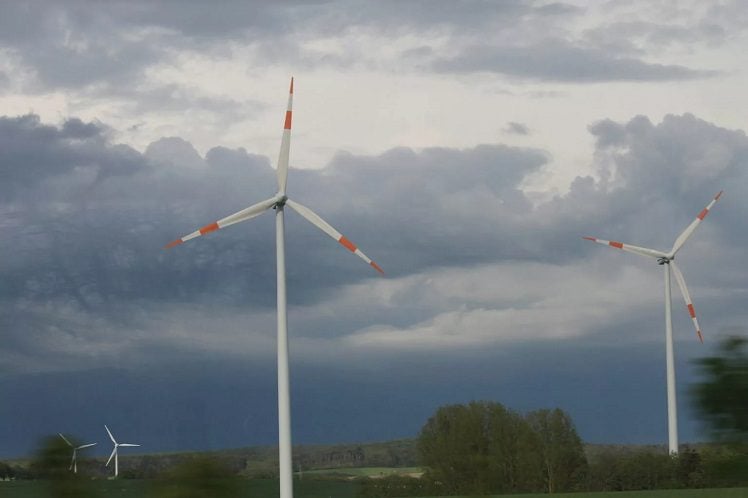
On April 16, 2025, Spain’s electricity grid met its entire demand from renewable sources. Wind power led the charge, providing nearly 46 % of total generation, followed by solar energy with roughly 27 %, and hydropower at around **23 %.
At one peak moment (11:15 a.m.), wind and solar together produced more electricity than the country needed, briefly exceeding 100 % of demand purely from those two technologies.
Reaching 100 % renewable supply on a weekday (not a weekend or holiday), makes this record especially impressive, since electricity consumption is typically higher and less predictable on working days.
Just five days later, on April 21, Spain set another milestone when solar power generation peaked at 20,120 megawatts instantaneously, accounting for more than 61 % of the grid mix at peak midday output; another undeniable sign of how rapidly photovoltaic capacity has expanded.
Broader Success in Renewable Growth
These headline‑making moments were part of a wider trend. Throughout April 2025, renewables accounted for about 64.3 % of the national electricity mix, with technologies that emit no direct CO₂ representing nearly 79 % of total output.
What makes Spain’s progress remarkable is not only the peaks but how consistent its renewable contribution has become.
Across different seasons and grid conditions, clean energy (especially wind and solar) has repeatedly supplied an increasingly large share of the country’s power needs.
Annual generation data shows that renewables now contribute well over half of total electricity production, a stark contrast to just a decade earlier when fossil fuels dominated.
Why Spain’s Renewable Transition Has Accelerated?
Spain’s success didn’t happen overnight. It is the result of a confluence of long‑term investments, strategic shifts in energy planning, and favorable natural conditions:
1. Rapid Expansion of Wind and Solar Capacity
Spain’s geography gives it abundant wind and solar resources, and policymakers have harnessed both. Wind farms across inland regions and solar plants in sun‑rich areas have steadily grown in capacity, complementing longstanding hydropower facilities.
According to national data, installed renewable capacity (particularly solar photovoltaic capacity) has grown substantially over the past decade.
2. Policy Frameworks Supporting Clean Energy
Strong national and European Union commitments to reduce greenhouse gas emissions played a key role. Spain, like other EU member states, set binding renewable energy targets for 2030, including boosting renewable electricity to a high share of total generation.
National plans integrated these EU goals while tailoring incentives and regulatory frameworks for local conditions.
3. Grid Flexibility and Storage Technology
A major challenge with renewables has been variability; solar generates only when the sun shines, wind only when breezes blow.
Spain responded by diversifying its mix and investing in grid flexibility measures, including greater interconnection capacity, demand‑response systems, and energy storage solutions that help balance the grid during times of fluctuating output.
Economic and Consumer Impacts
The renewable transition has tangible benefits beyond environmental goals. According to recent reports, Spanish households are now saving around €10 per month on electricity bills due to the weakening influence of volatile gas prices on power costs.
As renewables displace gas generation (historically a major driver of price spikes), electricity prices have become more predictable and less tied to international fossil fuel markets.
This shift has helped shield Spanish consumers from global energy market volatility, particularly amid geopolitical tensions that have driven up fossil fuel prices in many regions.
Challenges and Continued Progress
Despite the progress, Spain’s transition isn’t without hurdles:
1. Remaining Fossil Fuel Generation
Even as record renewables moments grab headlines, gas and other fossil fuel generation still play roles when renewable output dips.
A report noted that gas generation actually increased in 2025 to help meet demand during evening hours when solar power drops off, which in turn led to an overall rise in operational emissions from the electricity sector.
This highlights the importance of further expanding storage, grid integration, and demand flexibility to reduce reliance on backup fossil generation.
2. Grid Resilience and System Events
Spain’s transition hasn’t been without operational challenges. A significant grid event (the Iberian Peninsula blackout in April 2025) underscored vulnerabilities in real‑time system management as renewable contributions rose.
While the causes were linked to rapid shifts in generation rather than renewables themselves, the event led to reforms and investments in storage and grid control systems to prevent similar large‑scale outages.
3. Regional Disparities in Renewable Contribution
Not all regions contribute equally. Some areas, such as Catalonia, produced a smaller share of renewable electricity in 2025 compared with national averages, reflecting regional variations in resource availability and infrastructure.
Spain on the European and Global Stage
Spain’s renewable achievements place it among the more ambitious clean energy adopters in Europe. Countries like Portugal have also reported high renewable shares, with Portugal generating over 80 % of its electricity from renewables during certain periods.
Across the EU, the average share of renewable electricity continues to climb as member states invest in wind, solar, and hydropower assets.
Spain’s experience offers a blueprint for integrating high penetrations of renewables while maintaining grid stability; a key reference for other nations pursuing decarbonization.
The EU’s broader energy strategy, including efforts under the REPowerEU plan to reduce dependence on fossil imports and accelerate clean energy deployment, aligns closely with Spain’s trajectory, reinforcing the continent’s pivot toward a cleaner, more resilient energy future.
A Future Powered by Renewables?
Looking ahead, Spain has set ambitious targets to continue expanding renewable capacity and further decarbonize its electricity system.
Industry forecasts suggest that the country aims to generate a very high proportion of its power from renewables by 2030, along with significant increases in grid‑scale storage and electrification of key sectors.
Achieving these objectives will require ongoing investment, innovation, and policy support. But Spain’s April 2025 milestone (and the sustained progress since), shows that such a future is not only possible but increasingly tangible.