The heat no longer feels like a headline from somewhere else. It is showing up in streets, homes, schools, and daily routines across the world.
As countries from the UK to Spain, Germany, Denmark, Portugal, France, and the United States break temperature records, I find it harder to dismiss extreme heat as just another uncomfortable summer.
When places unprepared for 40°C weather begin reaching it, the warning becomes impossible to ignore. This is no longer only about feeling hot. It is about health, safety, sleep, work, and how we live in a rapidly warming world.
Heat Records Are Becoming Harder to Ignore
This heatwave is not staying within borders. It is spreading across countries at the same time.
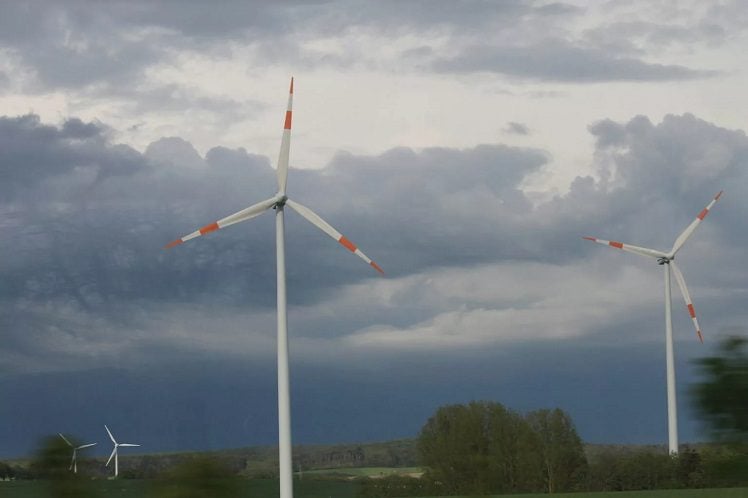
The UK reached 37.7°C, Denmark hit a national record of 37.0°C, France climbed above 43°C, and Germany reached 41.7°C. Spain, Portugal, Italy, and the US Southwest also faced temperatures above 40°C.
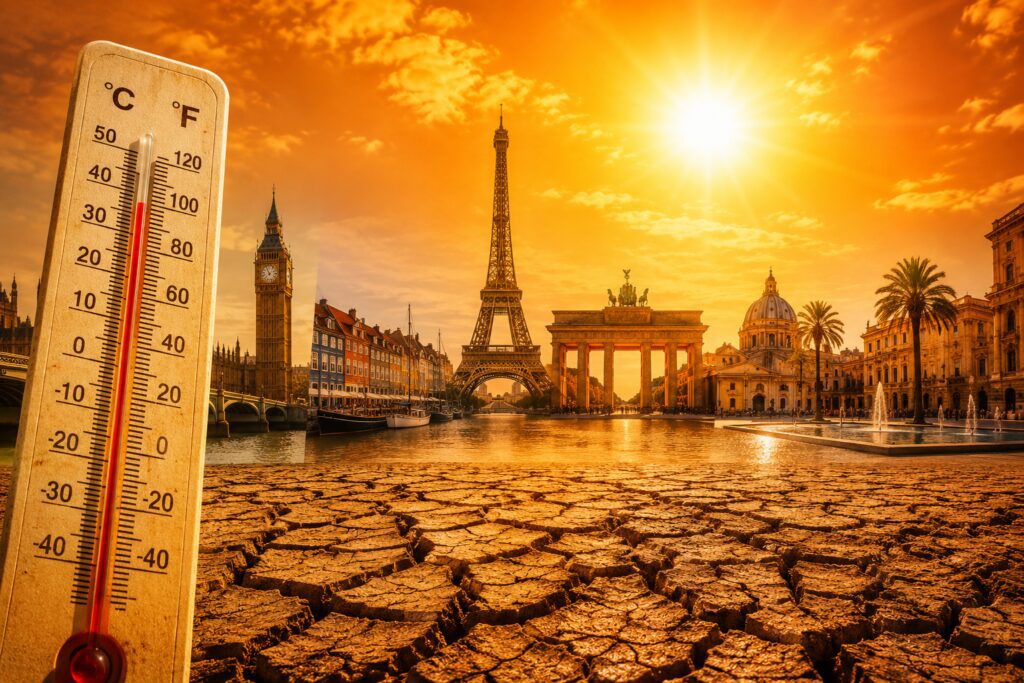
When I see numbers like these, I do not just think about weather charts. I think about families without cooling, outdoor workers, elderly people, children, pets, farmers, and exhausted emergency crews.
Extreme heat changes daily life fast. It turns ordinary routines into health and safety risks, and that is why these records should feel like a warning, not just another headline.
Why Extreme Heat Feels So Dangerous?
Heat does not always arrive with sirens, floods, or dramatic skies. Sometimes, it simply stays too long.
When hot days are followed by warm nights, the body loses its chance to recover. Dehydration, exhaustion, poor sleep, heart strain, and heatstroke can develop faster than many people realize.
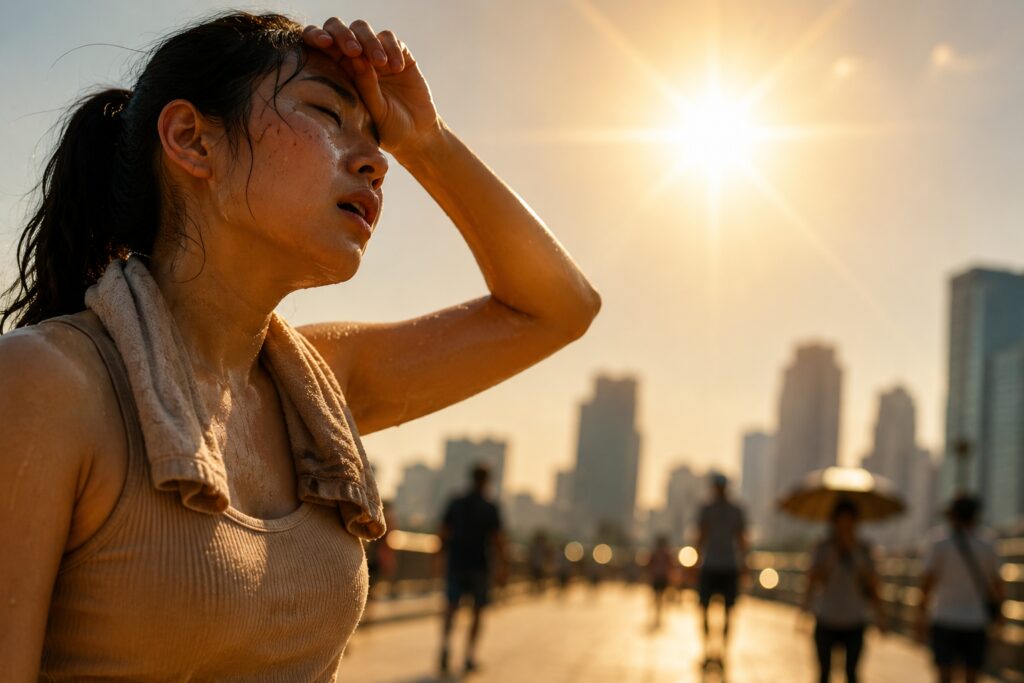
That is why I take small precautions seriously.
Drinking water, resting in shade, and avoiding the harshest midday heat may sound basic, but during a heatwave, those simple choices can protect lives.
Cities Are Especially Vulnerable
You can feel the urban heat island effect before you ever learn its name.
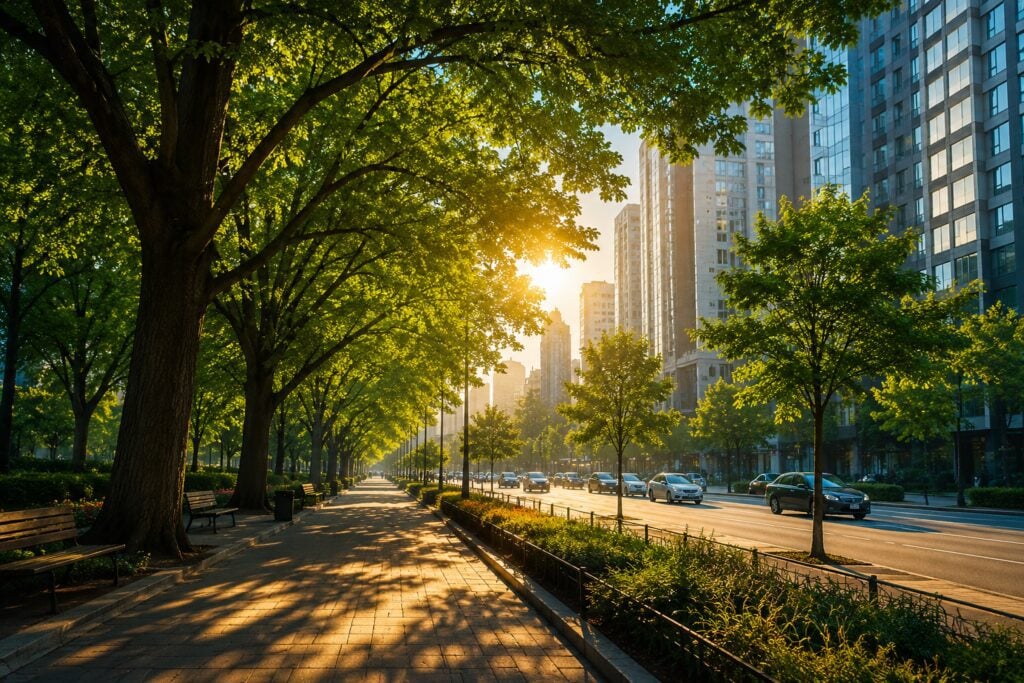
On streets lined with concrete, traffic, and little shade, the pavement radiates heat and every step feels heavier. Then I walk beneath a row of trees or into a park, and the change is immediate.
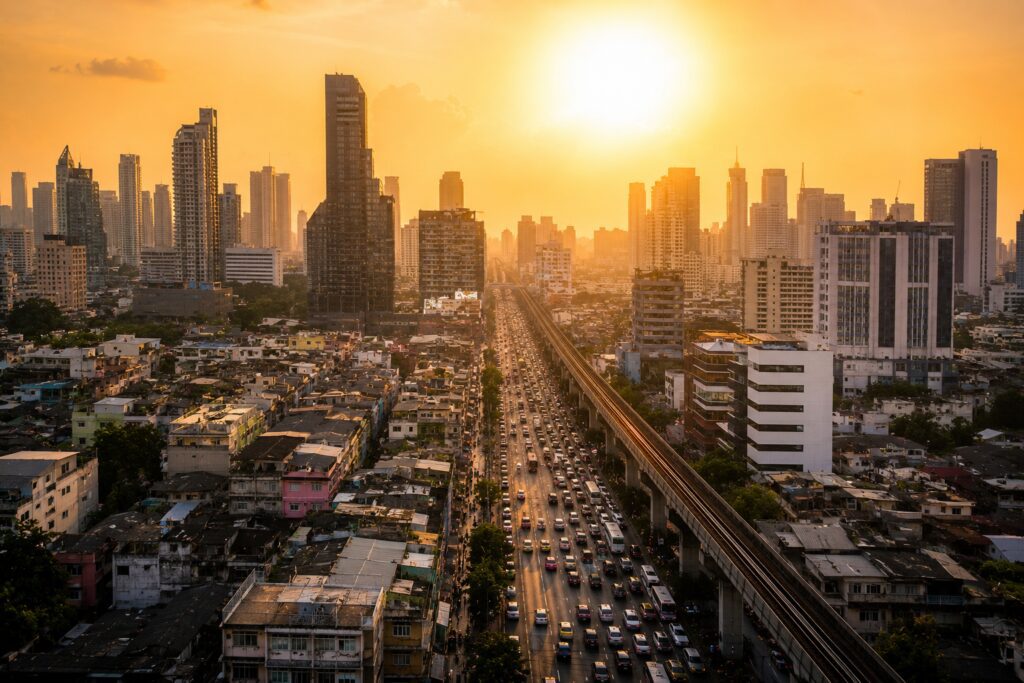
That is why I no longer see urban greenery as decoration.
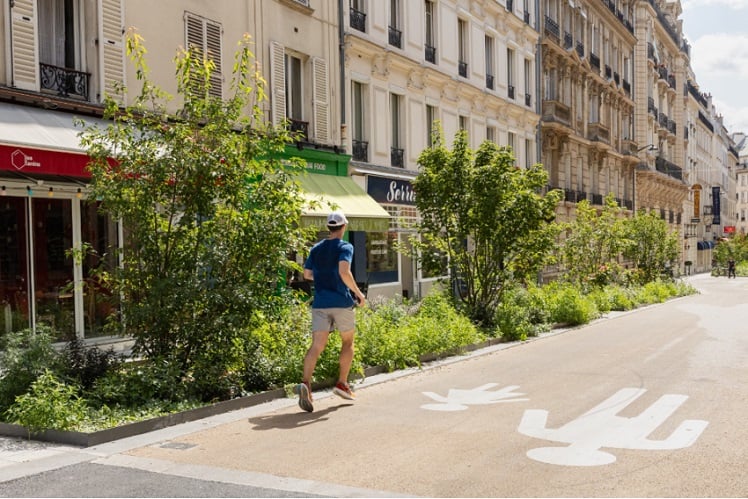
Trees cool the air, shade roads and sidewalks, and make neighborhoods safer and more comfortable. In hotter cities, green space is not a luxury. It is protection.
What We Can Do Personally?
A few degrees of relief can begin with small decisions.
During extreme heat, I move outdoor plans to early morning or evening, carry water, wear lighter clothing, and stay out of direct midday sun.
At home, I close curtains, use fans, check on older relatives, and keep pets inside during the hottest hours.
Longer term, I would add more shade and less concrete wherever possible. Trees, shrubs, and greener surfaces may grow slowly, but they can make everyday spaces far more comfortable.
This Is a Wake-Up Call
Breaking heat records should no longer surprise us. Ignoring them should.
For me, this is not a message of fear, but of preparation. Cities need more trees and cooler public spaces. Governments need stronger heat plans. Communities need to protect older people, children, outdoor workers, and anyone without reliable cooling.
A dangerously hot day is no longer just uncomfortable weather. It can become a public health emergency.
The warning is already here. What happens next depends on how quickly we turn heat records into smarter habits, stronger cities, and real action.