In a North Yorkshire greenhouse, young black poplar saplings are being grown from some of the county’s few surviving mature trees. Each one offers another chance for one of Britain’s rarest native trees to remain part of the landscape.
Only around 7,000 black poplars are believed to survive across the UK and Ireland, and just about 600 are female. That imbalance makes natural reproduction increasingly difficult without careful conservation.
What moves me most is how quiet this work is. No dramatic rescue, just patient hands growing the next generation before the old one disappears.
A Rare Native Tree Facing an Uncertain Future
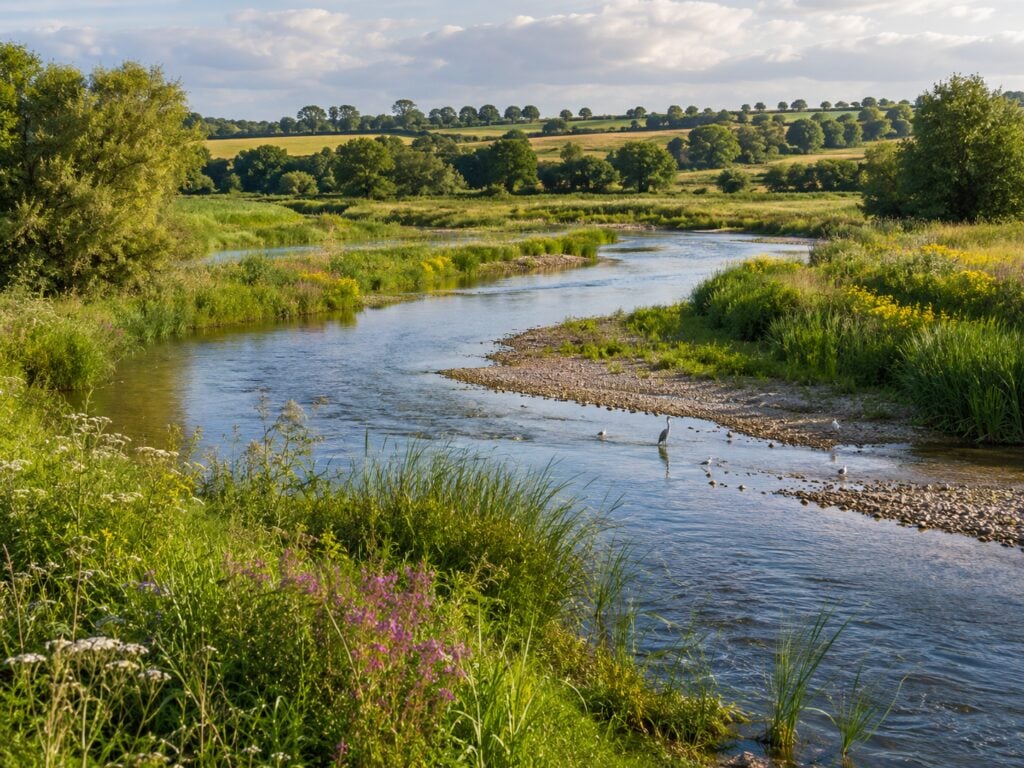
Wetlands were drained, rivers were reshaped, and natural flooding became less common. Without moist, open ground, fewer seeds had the chance to grow.
With so few female trees remaining, even healthy populations may be too scattered to reproduce naturally.
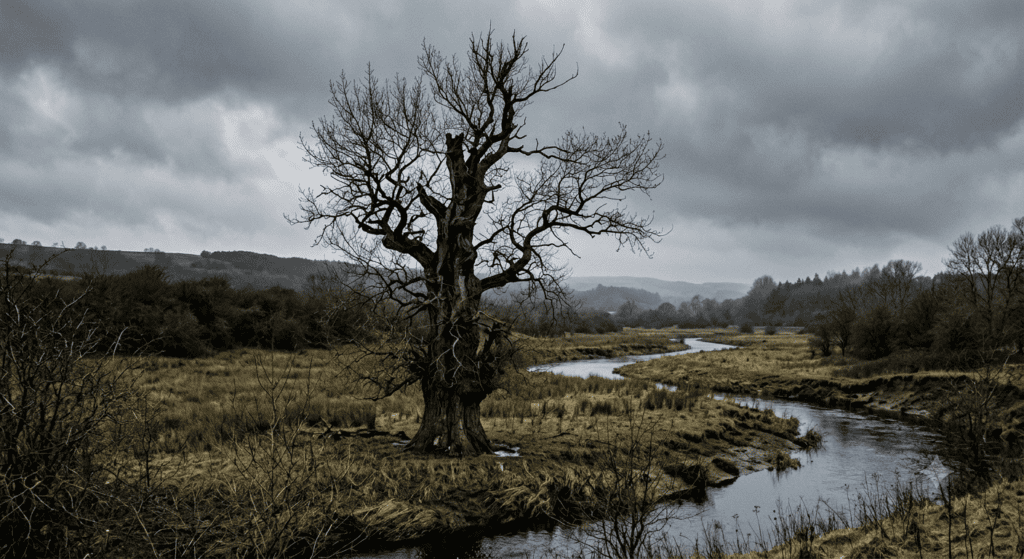
That is why conservation teams are taking cuttings and raising new saplings instead of waiting for recovery to happen on its own.
To me, this is an important lesson.
Protecting the last surviving trees matters, but sometimes saving a species also means carefully rebuilding the conditions it has already lost.
New Saplings Are Being Grown From Yorkshire’s Surviving Trees
In Terrington, young black poplars are being raised from cuttings taken from some of North Yorkshire’s remaining mature trees, including a rare female. Each sapling carries part of the local population into the future.
But growing the trees is only the first step. Soil, water, surrounding habitat, long-term care, and the distance between male and female trees will all influence whether they survive.
That is what stands out to me. Restoration is not one planting day. It is years of careful decisions that give a young tree the chance to become part of the landscape for generations.
Why Male and Female Trees Need to Grow Near Each Other?
For a black poplar seed to become a tree, several unlikely pieces must fall into place at exactly the right time.
Male and female trees need to grow close enough for wind-carried pollen to connect them. The cotton-like seeds must then land quickly on wet, suitable ground because they remain viable for only a short time.
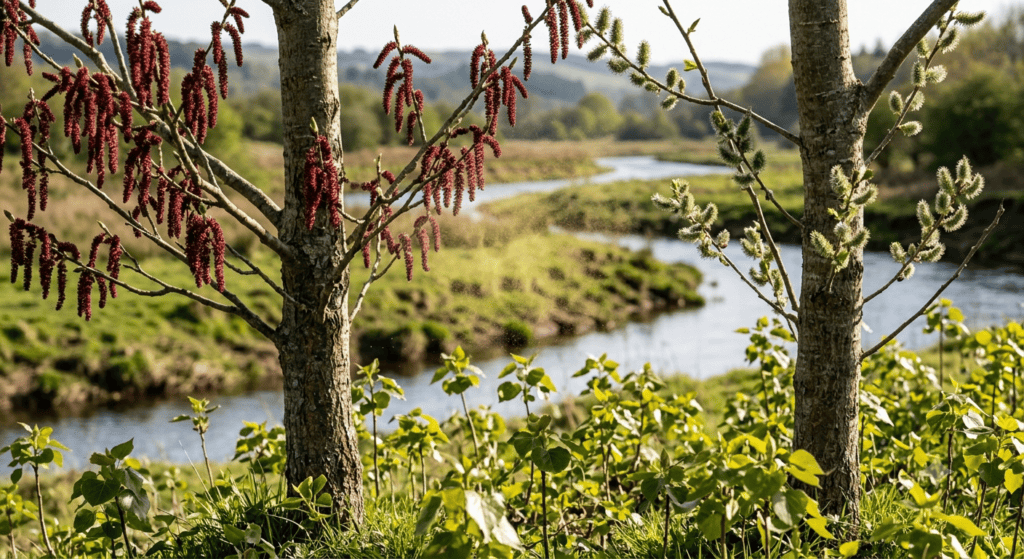
With so few female trees left, those chances have become increasingly rare.
That is why this project matters so much to me. Planting more female black poplars does more than increase numbers. It may rebuild the conditions the species needs to reproduce naturally again, allowing future forests to grow with less human help.
Black Poplars Can Live for Hundreds of Years
One of the things I find most remarkable about black poplar trees is their ability to grow very large and live for generations. A mature black poplar can reach around 100 feet, or more than 30 metres, in height.
Some may live for more than 250 years. Imagine how much change a tree could witness during that time.
A black poplar planted today could potentially still be standing long after the people who planted it are gone. Children born many generations from now may sit beneath its branches without knowing the full story of how close the species once came to disappearing.
Mature black poplars are often recognised by their thick, deeply cracked bark. Their leaves are usually triangular, and older trees sometimes develop a noticeable lean.
Their large trunks and spreading branches can become important habitats for wildlife. Insects may live inside areas of damaged bark, while birds can use cavities and branches for nesting.
Older native trees often support much more life than we can immediately see.
This is why protecting mature trees is just as important as planting new ones. Young saplings represent the future, but ancient trees continue supporting ecosystems that may have developed over many decades.
These Trees Were Once Part of Everyday Rural Life
Black poplars were once much more closely connected to rural communities. Their wood was used for floorboards, cart wheels, and the bottoms of wagons.
Because the timber is naturally flexible and springy, it was useful in situations where wood needed to absorb movement and pressure.
This history shows that native trees were not only part of natural landscapes. They also supported local work, transportation, construction, and daily life.
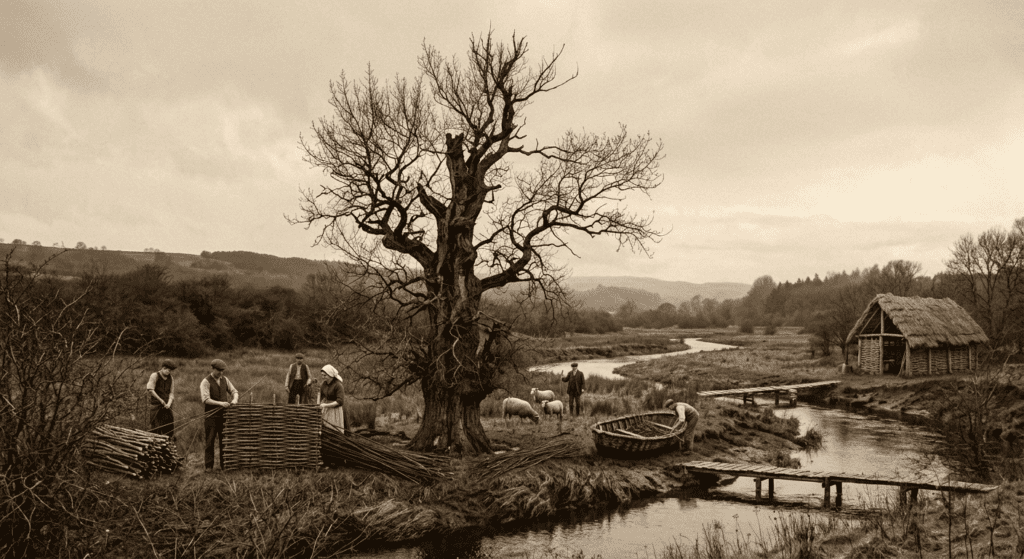
Over time, newer materials and changing industries reduced the demand for black poplar timber. At the same time, many traditional wetland habitats declined.
As the trees became less useful economically, they also became easier to overlook.
The name Forgotten Flora feels especially meaningful because some species do not disappear dramatically. They quietly become less common until very few remain.
For me, learning the history of native plants creates a stronger reason to protect them. Conservation is not only about preserving nature. It can also protect local stories and connections that might otherwise be forgotten.
The Forgotten Flora Project is Helping More Than One Species
The black poplar project is part of a wider conservation effort supporting threatened plants across North Yorkshire. The Forgotten Flora project began around three years ago with the goal of restoring rare and lesser-known native species.
Since then, thousands of wildflowers have been planted. Wildflowers may look small compared with large trees, but they can play an important role in healthy ecosystems.
They provide food for bees, butterflies, moths, beetles, and other insects.
Those insects then support birds and other wildlife. When native plant diversity declines, the effects can spread throughout the food chain. Restoring many different plant species may help landscapes become more resilient.
Diverse ecosystems are often better able to respond to drought, disease, extreme weather, and other environmental pressures. I appreciate projects that focus on overlooked species rather than only the most famous ones.
Every ecosystem depends on many small connections.
My Personal Tips for Supporting Native Tree Conservation
Not every tree we protect will grow large enough for us to sit beneath it.
That is what makes native plant conservation meaningful. I may not have space to grow a rare black poplar, but I can learn which trees belong in my region, choose plants for their mature size, and protect older trees that already support wildlife.
I can also support local restoration projects, share information, and resist the urge to make every old tree look perfectly tidy.
Nature works slowly.
A sapling planted today may take decades to become part of the landscape, but that does not make the effort small.
It makes it a gift to a future we may never fully see.
Small Saplings Can Become Part of a Much Bigger Recovery
Right now, they are only small trees in a greenhouse. One day, they could become part of a landscape that outlives us.
The young black poplars growing in North Yorkshire may eventually shelter wildlife, restore wet habitats, and help rebuild populations capable of reproducing naturally again.
Not every sapling will survive, and recovery will take years. But conservation is rarely one dramatic moment. It is patient work built through science, local knowledge, and people willing to continue when progress is slow.
What inspires me most is how quietly it begins: one cutting, a little soil, and the possibility of a tree that could stand for centuries.