In a bold and forward‑thinking move, France is transforming the way cities are built. The government has introduced a new requirement: all new commercial buildings must partially cover their roofs with either vegetation or solar panels.
This isn’t just about creating pretty rooftop gardens or ticking an environmental box. It reflects a deeper shift in how urban spaces are designed: to work more harmoniously with nature rather than against it.
This policy marks a milestone in sustainable urban planning.
It recognizes that our cities (long dominated by concrete and steel) can play a vital role in tackling climate change, improving public health, and enhancing quality of life.
The Rise of Green and Solar Rooftops
Traditionally, rooftops have been neglected spaces: unused and often hidden from view. But France’s new regulation flips that idea on its head by unlocking the potential of rooftops as spaces for energy production, ecology, and comfort.
Buildings will be required to integrate one of two natural solutions:
1. Green Roofs
Green roofs are exactly what they sound like: rooftop surfaces covered with plants, soil, and other vegetation. These living roofs mimic nature and bring a whole host of benefits. They:
- Act as natural insulation, keeping buildings cooler in summer and warmer in winter: which leads to lower energy use.
- Absorb rainwater, helping to reduce urban flooding and relieve pressure on stormwater systems.
- Purify the air, filtering dust and pollutants while releasing oxygen.
- Support wildlife, attracting birds, bees, butterflies, and other pollinators.
- Reduce noise, especially in busy city centers.
In a country where heat waves and heavy rains are becoming more frequent, these benefits are more than theoretical — they are practical and timely.
2. Solar Panels
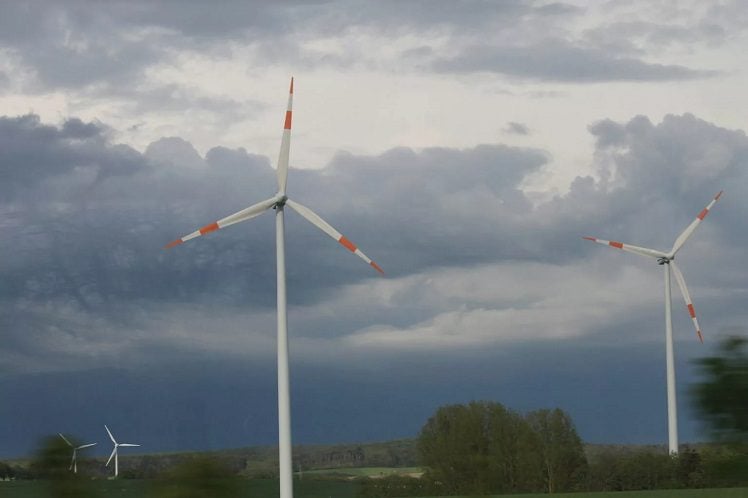
On the other hand, solar panels transform rooftops into energy generators. They:
- Capture sunlight and turn it into clean electricity.
- Reduce dependency on fossil fuels and lower CO₂ emissions.
- Lower energy costs for businesses over the long term.
- Make use of underutilized urban space without taking land away from other purposes.
By combining both green roofs and solar technology, buildings can become urban power plants and ecological hubs at the same time.
Why This Matters?
France’s rooftop requirement might sound like a technical planning policy, but in reality, it touches on many issues that affect everyday life.
1. A Healthier Urban Environment
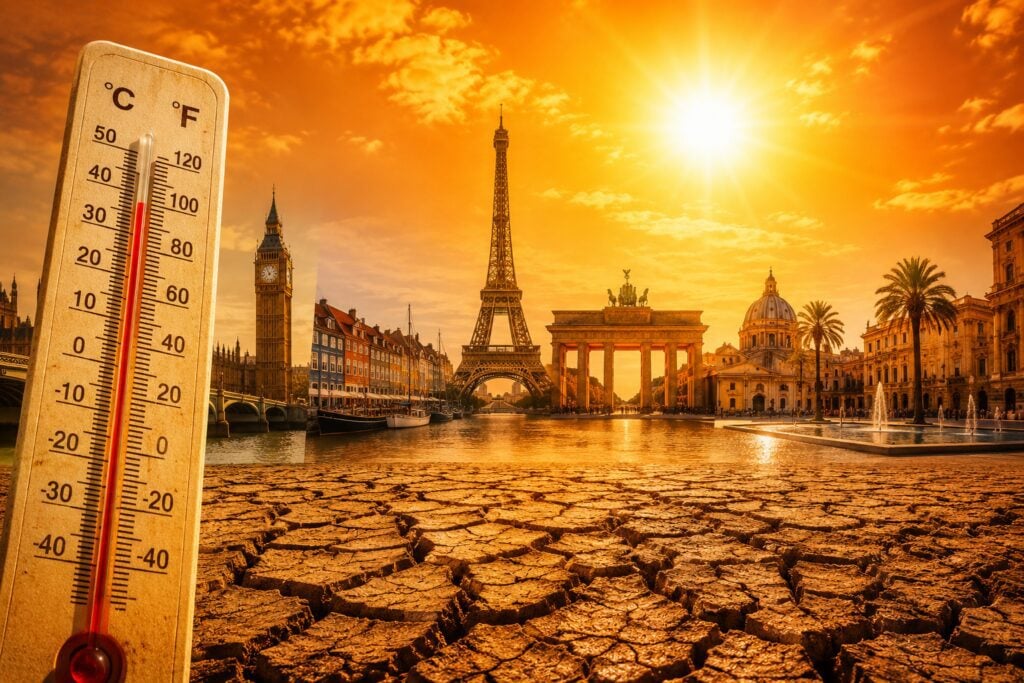
Cities are often heat islands: areas where concrete, asphalt, and buildings absorb and trap heat.
This makes urban areas significantly warmer than rural surroundings, contributing to discomfort and health problems during heat waves.
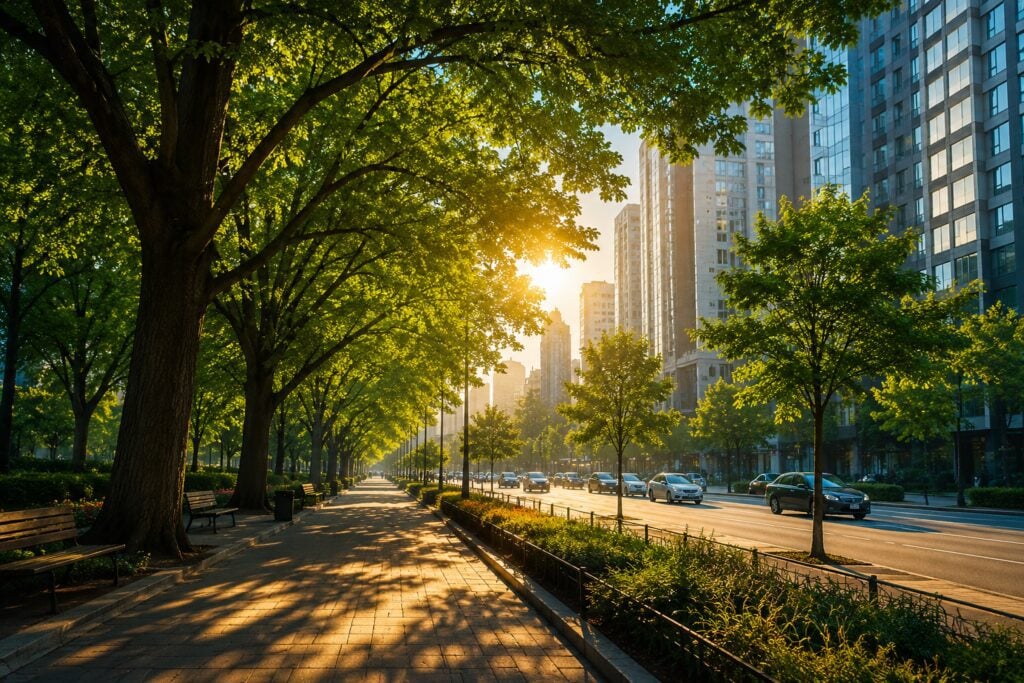
Green roofs help cool down cities naturally, lowering the ambient temperature and reducing reliance on air conditioning. They also improve air quality by filtering pollutants; a welcome improvement for city dwellers who breathe traffic exhaust on a daily basis.
2. Better Flood Control
As climate change increases the frequency and intensity of rainstorms, urban flooding has become a serious concern.
Traditional city infrastructure often struggles to absorb sudden deluges of water, leading to submerged streets, overwhelmed sewage systems, and costly damage.
Green rooftops act like sponges, soaking up rainwater and slowing its release into drains. This alleviates pressure on public systems and provides a natural solution to a growing problem.
3. Wildlife and Biodiversity in Cities
One of the most surprising benefits of rooftop vegetation is its ability to support biodiversity. Bees and other pollinators (crucial for global food production), have been in steep decline.
Green roofs offer safe havens for these creatures, helping to rebuild populations even in the heart of urban centers.
Cities have long been seen as destroyers of nature. This policy flips that narrative, showing that wildlife and city life can coexist.
You Don’t Have to Choose Between Costs and Climate
Some critics of sustainability policies argue that environmental measures are costly or impractical. But France’s rooftop strategy dismantles that idea.
1. Lower Energy Bills
Buildings with green roofs benefit from natural insulation, which can significantly reduce heating and cooling costs. In summer, green roofs block solar radiation and reduce indoor temperatures.
In winter, they help retain heat.
Solar panels, meanwhile, generate electricity that can power the building or even be fed back into the grid.
These savings add up over time, making green and solar rooftops economically smart investments, not just ecological gestures.
2. Job Creation and Innovation
Expanding green infrastructure also supports new industries and jobs. Landscape architects, ecologists, solar installers, urban farmers: a wide range of professionals benefit from the growing demand for green and solar technologies.
This kind of policy doesn’t just reduce emissions: it creates economic opportunities.
Redesigning Urban Living for the Future
France’s rooftop requirement reflects a broader shift in how we think about cities. For decades, urban planning focused on efficiency and growth, often at nature’s expense.
But the climate crisis and growing awareness of environmental degradation have sparked a change in mindset.
The future of cities is being reimagined: rooted in sustainability, livability, and harmony with nature.
In this vision:
- Buildings aren’t barriers to nature, they are part of it.
- Rooftops aren’t wasted space, they are opportunities to improve climate resilience.
- Cities aren’t concrete jungles, but ecosystems interconnected with human life and natural processes.
France’s policy makes this future tangible, not theoretical.
What This Means on the Ground?
While policy sounds impressive in theory, its real significance lies in how it changes everyday reality.
1. For Business Owners
Commercial buildings that adopt green roofs or solar panels benefit from lower operating costs, increased comfort, and often better public perception.
Customers and employees alike appreciate spaces that feel greener and are designed with environmental responsibility in mind.
2. For Residents
Even if you don’t live or work in a new commercial building, you feel the impact. Cleaner air, cooler streets, and healthier urban ecosystems make cities more pleasant and more resilient to climate extremes.
3. For Nature
Green rooftops are stepping stones for urban wildlife. Instead of isolated parks and scarce greenery, cities begin to form networks of habitat that help sustain pollinators and birds.
A Model for the World
France isn’t alone in experimenting with green roofs or solar installations, but its nationwide mandate for all new commercial buildings sets a powerful example.
It shows that sustainability policies don’t have to be optional or fringe ideas, they can be mainstream norms that reshape entire industries and landscapes.
Countries around the world are watching.
In parts of Germany, the Netherlands, and Scandinavia, similar initiatives are gaining momentum. Many cities are exploring incentives, tax breaks, and building standards that mirror the core ideas of France’s approach.
In a world grappling with climate change, urban spaces are crucial battlegrounds. It’s not enough to protect forests and oceans, we must also rethink how we build and inhabit cities, where the majority of the global population now lives.
France’s policy does just that. It turns rooftops into tools of climate action, biodiversity support, and economic benefit.
Beyond Sustainability (A Cultural Shift)
At its heart, this policy represents more than environmental regulation. It reflects a shift in cultural values; where society begins to see nature and development as partners, not opponents.
For residents walking down streets shaded by green roofs, or workers spending afternoons under the cool shade of vegetated terraces, the impact is felt not as policy but as lived experience: cleaner air, calmer spaces, and a sense that cities can be more than concrete and cars.
In this sense, France’s initiative doesn’t just build greener buildings. It cultivates a new relationship between people and the environment: one that recognizes that human wellbeing and ecological health are inseparable.
What Comes Next?
France’s journey is just beginning. The mandate currently applies to new commercial buildings, but many advocates hope it will extend to residential projects and renovations in the future.
If that happens, the impact could be even broader, transforming not just business districts but entire neighborhoods.
Urban planners, architects, community groups, and citizens are now engaging in discussions about scalable solutions: how green roofs and solar panels can be integrated into existing buildings, how cities can track energy and environmental benefits, and how design standards can be refined for maximum impact.