Environmental news can feel exhausting, but Costa Rica proves that damage does not always have to be permanent. In 1983, forests covered only 26% of the country after decades of logging. Today, that figure has risen to 52%.
This recovery was not accidental. Costa Rica restricted forest clearing and paid landowners to protect existing forests and restore damaged land.
Instead of treating nature as something to exploit, the country gave it space to heal.
To me, this is what makes the story so powerful. Nature is resilient, but recovery still requires human choices. When protection becomes policy and commitment lasts for decades, even a devastated landscape can become a forest again.
When Forest Loss Looked Impossible to Reverse?
It’s difficult to imagine Costa Rica as anything other than a green paradise today. Dense rainforests, incredible wildlife, and eco-tourism have become part of its global identity. But that wasn’t always true.
During much of the twentieth century, forests were cleared rapidly for cattle ranching, agriculture, and timber production.
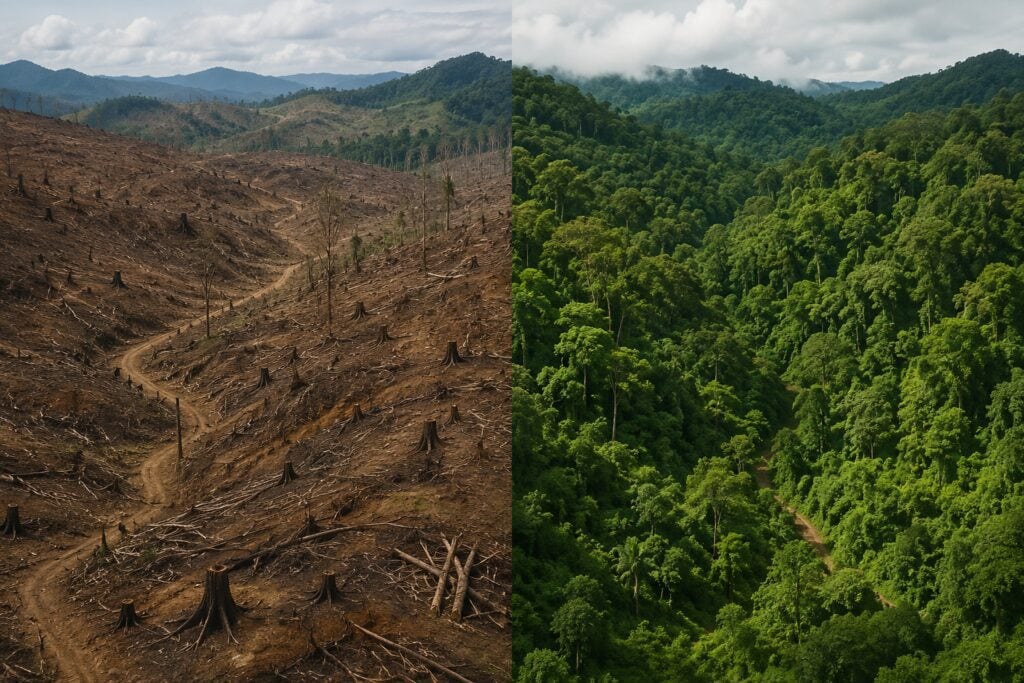
Large areas of rainforest disappeared, leaving fragmented habitats and declining biodiversity.
By the early 1980s, only about one-quarter of the country’s land remained forested. If someone had predicted at that time that Costa Rica would someday double its forest cover, many people probably would have dismissed the idea as unrealistic.
Yet history proved otherwise.
The Policies That Changed Everything
A forest becomes harder to destroy when protecting it is worth more than clearing it.
Costa Rica’s recovery did not come from one dramatic solution. It came from practical policies working together.
Unauthorized forest clearing was restricted, while landowners were paid to protect forests, restore damaged land, plant trees, and preserve watersheds.
To me, the real breakthrough was not only changing the law. It was changing the value of the forest. Conservation became an economic opportunity instead of a financial sacrifice.
Costa Rica shows that lasting environmental progress happens when protection and human needs support each other. People do not have to choose between nature and prosperity. With the right incentives, both can grow together
Sometimes Nature Already Knows What to Do
Costa Rica’s forest recovery was not driven only by large projects. Much of it happened because damaged land was finally given time and protection.
Seeds remained in the soil, nearby trees spread new growth, and wildlife carried plant life across the landscape.
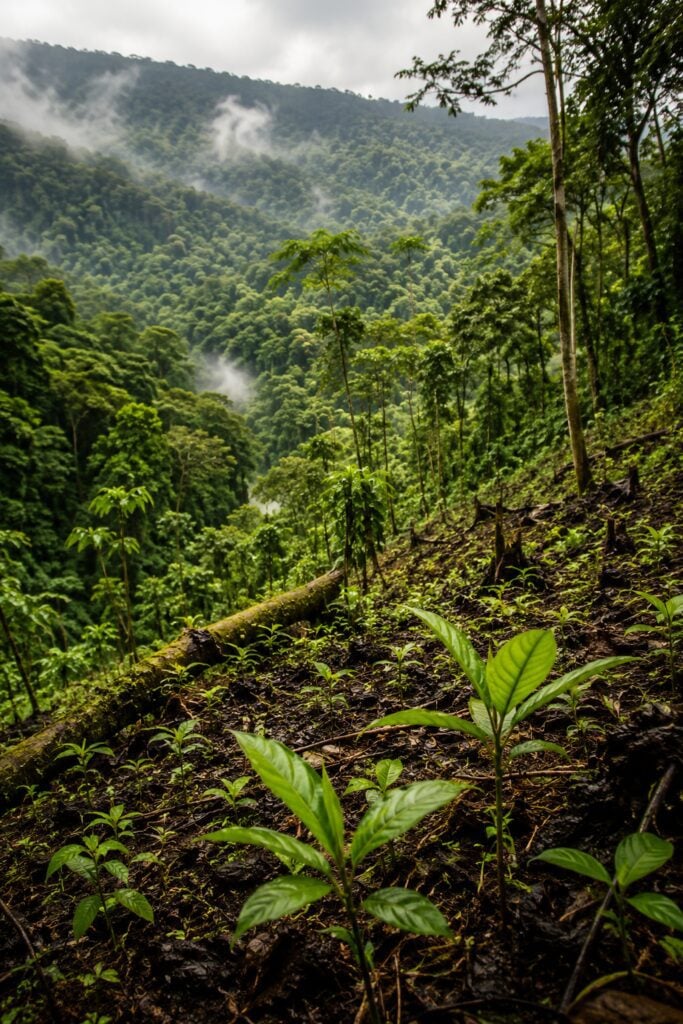
Year by year, abandoned land began becoming forest again.
To me, that is the most hopeful lesson. Nature already carries many of the tools needed to heal. Our role is not always to rebuild everything ourselves. Sometimes, it is simply to remove the pressure, protect the space, and let life return.
Why Healthy Forests Matter So Much?
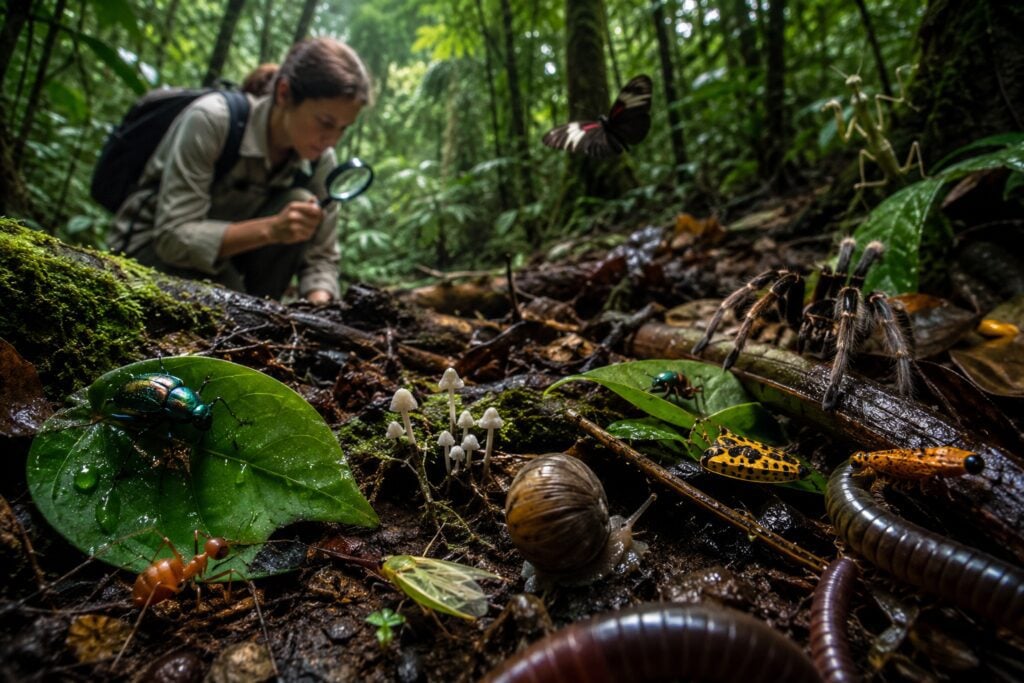
A forest is not simply a collection of trees. It is a living system quietly supporting life far beyond its borders.
Forests store carbon, protect soil, regulate water, cool the air, and provide shelter for countless species. They support pollinators, strengthen farms, and contain plants that have contributed to modern medicine.
To me, that is why forest protection matters so deeply. Even people living thousands of miles away benefit from forests that remain healthy.
Protecting forests is not only about saving beautiful landscapes. It is about protecting the natural systems that provide clean water, stable climates, food, medicine, and life itself.
What Other Countries Can Learn?
Every country has different landscapes, economies, and political challenges. No single conservation model works everywhere. Still, I think Costa Rica offers several lessons that apply almost universally.
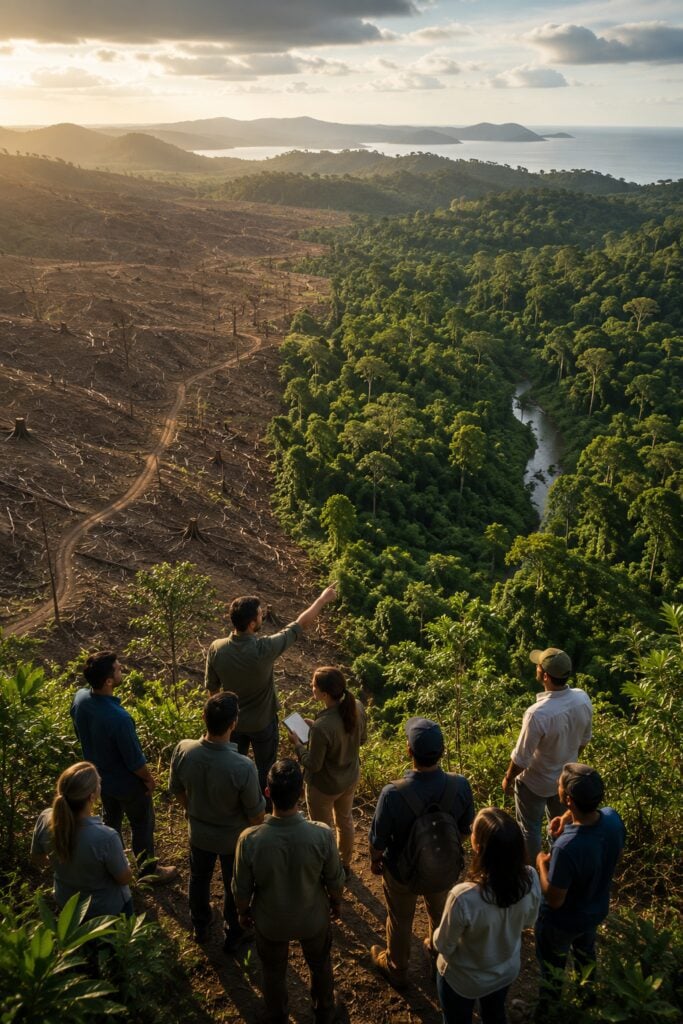
First, protecting existing forests is often easier than rebuilding them after they’re gone. Second, conservation becomes much more successful when local communities benefit financially.
Third, long-term policies matter far more than short-term political cycles. Finally, environmental recovery requires patience. Forest restoration isn’t measured in weeks or months. It’s measured in decades.
Costa Rica stayed committed. That consistency made all the difference.
What This Story Reminds Me Personally?
One reason this story resonates with me goes beyond environmental policy. It reminds me of something much broader. Recovery is possible. Whether we’re talking about forests, ecosystems, communities, or even our own lives, meaningful healing rarely happens overnight.
Progress often looks slow while it’s happening. One tree grows.
Then another. Then an entire forest slowly returns. The transformation seems almost invisible until one day you look back and realize everything has changed.
Nature teaches patience better than almost anything else.
Small Actions Still Matter
A forest does not return because one person saves it. It returns because enough people choose not to give up on it.
Costa Rica’s recovery shows that individual actions matter most when they become collective action. Governments created stronger policies, landowners protected and restored forests, scientists provided evidence, conservation groups rebuilt habitats, and communities continued supporting the effort.
No single decision doubled the country’s forest cover. Together, millions of choices changed the direction of an entire nation.
To me, that is where hope becomes practical. We may not solve climate change alone, but our decisions can strengthen something larger.
Real change begins when individual responsibility becomes shared commitment.