Summer is supposed to feel welcoming. But when June begins pushing toward 40°C, warmth starts to feel like a warning.
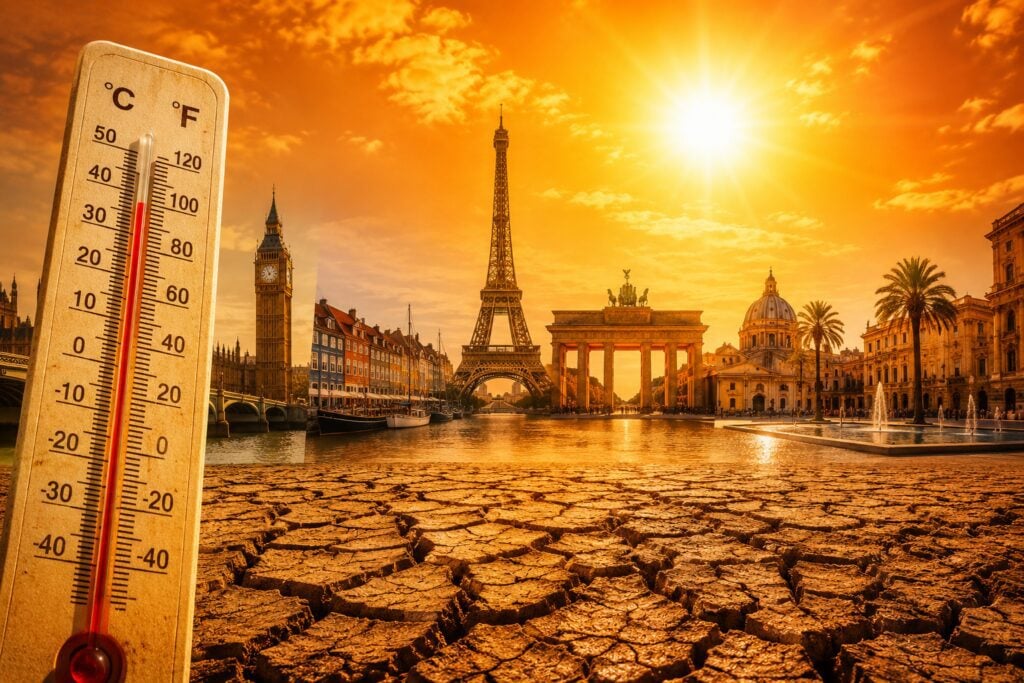
On June 26, 2026, England reached a provisional 37.7°C at Lingwood, breaking a June record that had stood since 1976. More than 150 weather stations also recorded their hottest June days, while unusually warm nights offered little chance to recover.
To me, these are not just weather records.
They show how quickly extreme heat is becoming part of everyday life, and how urgently communities need to prepare for a climate that is changing faster than expected.
Britain’s Climate Turning Point
Britain once treated rare hot days like a reason to celebrate. But extreme heat is no longer just sunshine with better headlines.
During the June 2026 heatwave, temperatures stayed unusually high even after dark. In Cardiff, the night remained as warm as 23.5°C, leaving homes and bodies little time to cool down.
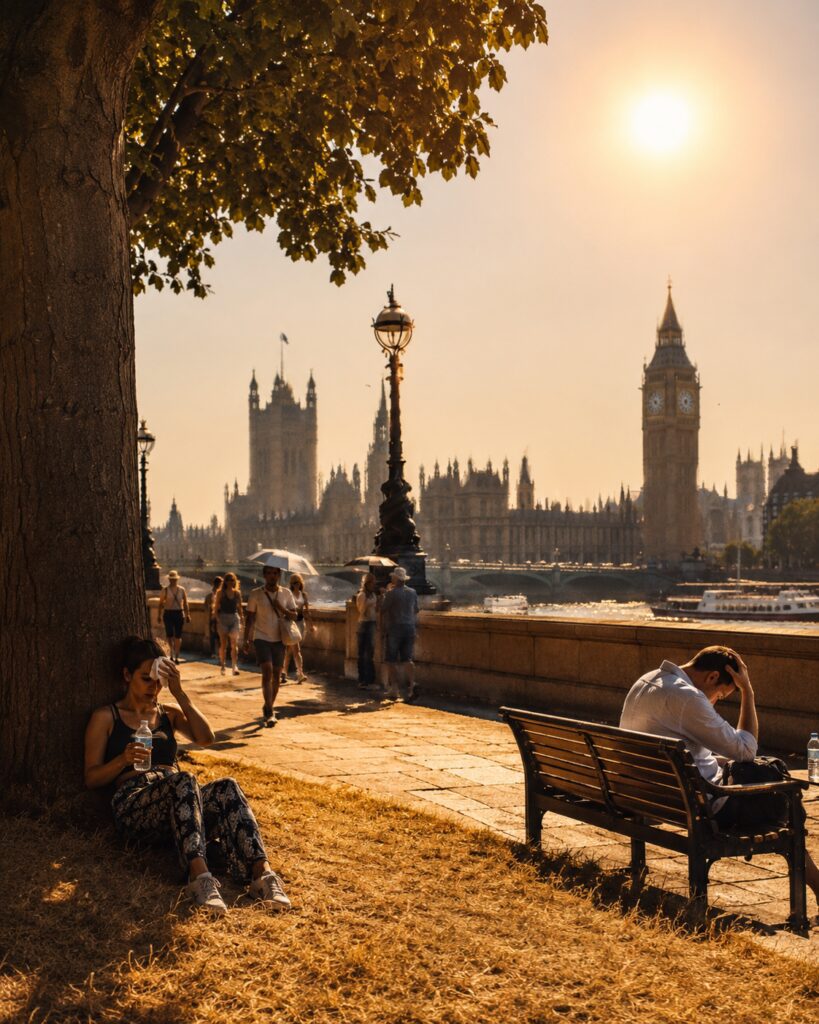
That is what concerns me most. The danger is not one hot afternoon, but heat that lingers through the day and night, placing pressure on people, buildings, transport, and emergency services.
Britain crossed 40°C for the first time in 2022, and researchers now believe another 40°C day is increasingly likely. Extreme heat is no longer a distant possibility. It is becoming part of the climate Britain must prepare for.
Extreme Heat is a Health Emergency
Extreme heat is not beach weather with a bigger number. It changes what the body can safely handle.
When heat lasts for days and nights stay warm, dehydration, exhaustion, and heatstroke become real risks. Older adults, children, outdoor workers, and people in overheated homes may be especially vulnerable, but no one is completely immune.
I do not wait until I feel desperately thirsty. I drink regularly, avoid heavy activity during peak heat, and keep water close.
I also check on people who may be struggling alone.
During a heatwave, one simple message or phone call can be more important than we realize.
Homes and Infrastructure are Not Ready
Britain was built to keep the cold out. Now, that same design can trap dangerous heat inside.
Homes, schools, hospitals, care facilities, and transport systems are increasingly being tested by temperatures they were never designed to handle. Poor airflow, unshaded windows, and heat-retaining buildings can turn indoor spaces into serious risks, especially during hot nights.
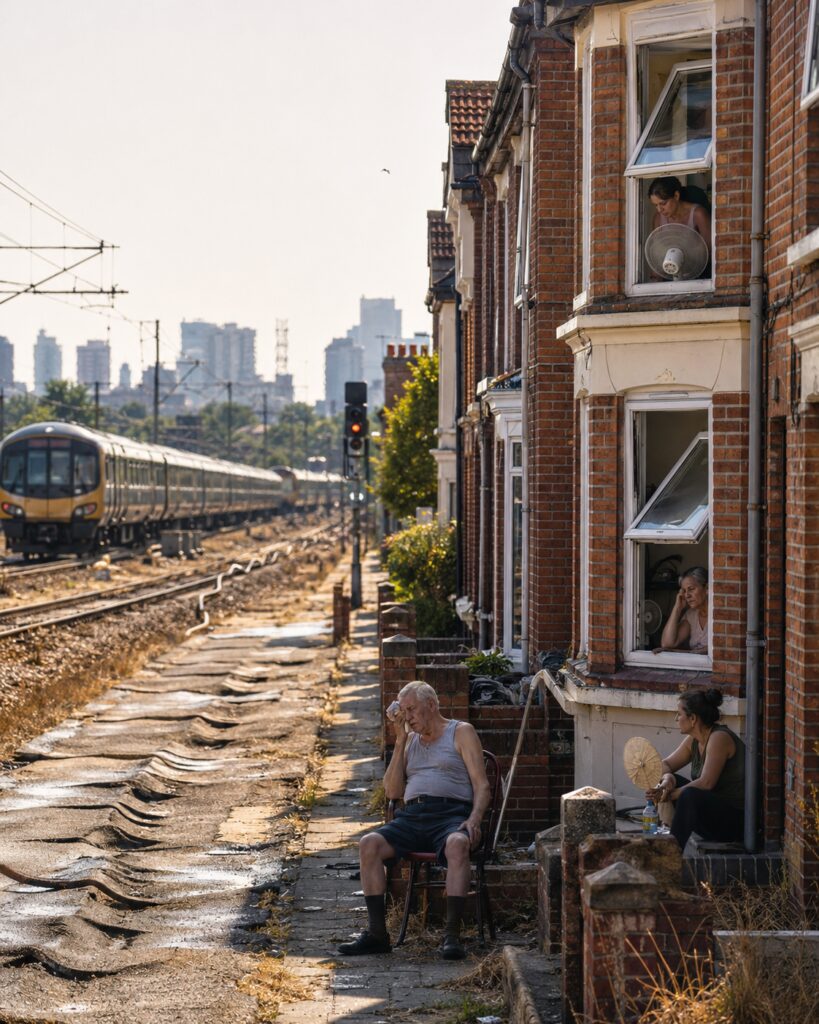
The pressure reaches beyond homes. Railway tracks expand, power systems strain, and public services become more vulnerable.
For me, the lesson is clear: extreme heat is no longer only a weather problem. Infrastructure built for yesterday’s climate must now adapt to the temperatures of tomorrow.
The Climate Crisis is No Longer a Future Headline
Climate change was once described as tomorrow’s problem. Now it is showing up in classrooms, hospitals, homes, train delays, flooded streets, and nights too warm for people to recover.
What used to feel distant has become part of daily life.
Heatwaves are growing longer and more intense, while scientists warn that temperatures beyond Britain’s current record are physically possible.
That should lead to preparation, not panic.
For me, the real danger is not another broken record. It is acting surprised for a few days, then returning to normal while the climate keeps moving further from what our communities were built to handle.
A Striking Climate Week Coincidence
The heat outside became the clearest message inside London Climate Action Week.
While thousands gathered to discuss the climate crisis, extreme temperatures were already testing the city in real time. London also launched its first city-wide heat plan, making the need for action impossible to ignore.
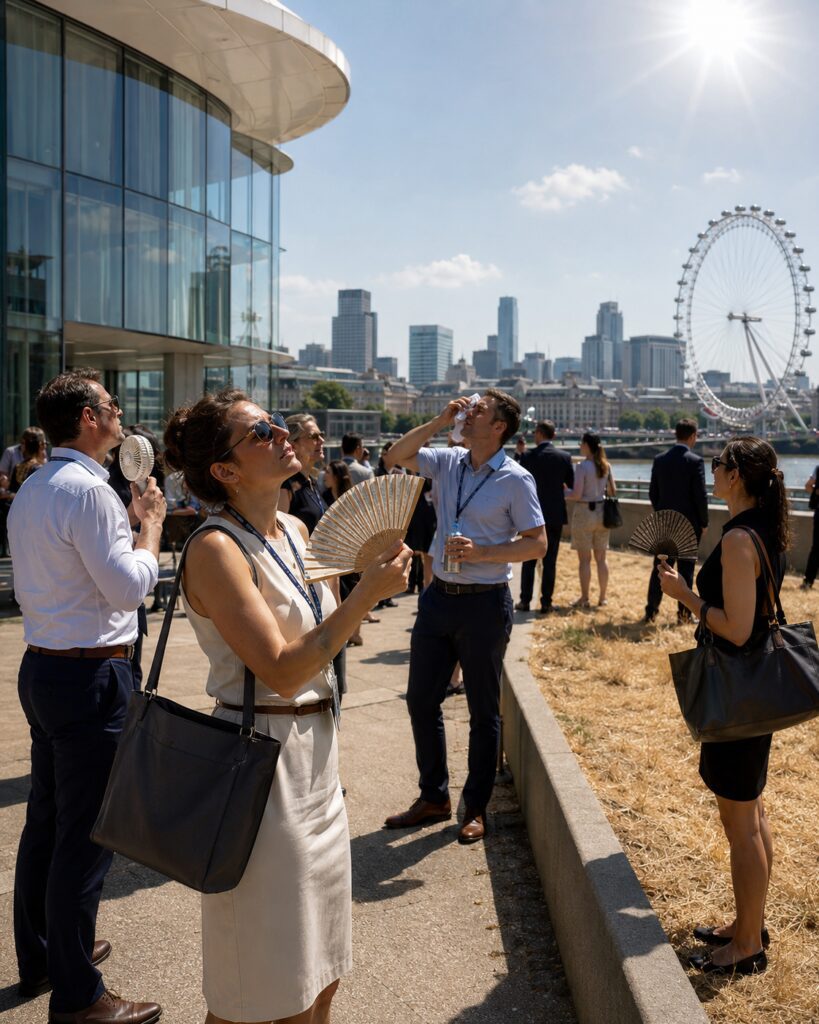
For me, climate events should be measured by what happens after the speeches. More shade, safer homes, cooler schools, prepared hospitals, stronger transport, and real emissions cuts.
Awareness starts the conversation. Practical action is what protects people.
What I Do During Extreme Heat?
Individual action cannot solve climate change, but simple preparation can reduce immediate health risks. During very hot weather, I close curtains or blinds on sunny windows before rooms become overheated. When outdoor temperatures are higher than indoor temperatures, I avoid bringing more hot air inside. Later, when conditions become cooler, I open windows to improve airflow.
I keep water nearby and drink regularly rather than waiting until I feel dehydrated. I avoid demanding exercise during the hottest part of the afternoon. When outdoor activity is necessary, I prefer early mornings or evenings. I also wear light, loose clothing and spend time in the coolest available room. Turning off unnecessary electronics can help because televisions, computers, chargers, and other devices produce additional indoor heat.
Most importantly, I pay attention to official weather and health warnings. A heat alert is not designed to ruin summer plans. It gives people time to prepare before conditions become dangerous.
Adaptation Must Happen at Street Level
I cannot control the heat outside, but I can stop it from taking over my home. Before rooms warm up, I close curtains on sunny windows and keep hotter outdoor air out.
Once temperatures drop, I open windows to let cooler air move through.
I keep water nearby, avoid hard activity during peak heat, wear light clothing, and switch off electronics that add unnecessary warmth.
Most importantly, I take heat alerts seriously. They are not there to spoil summer plans. They are there to give us time to stay safe before the heat becomes dangerous.
The Final Warning
A fan can cool one room. A well-designed city can protect an entire community.
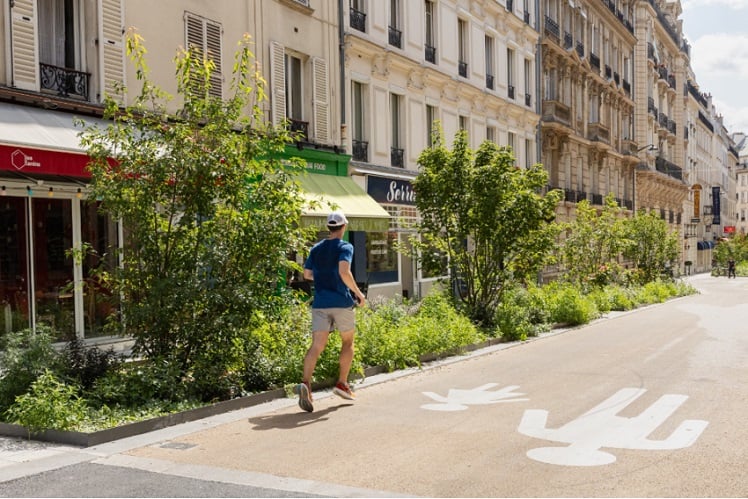
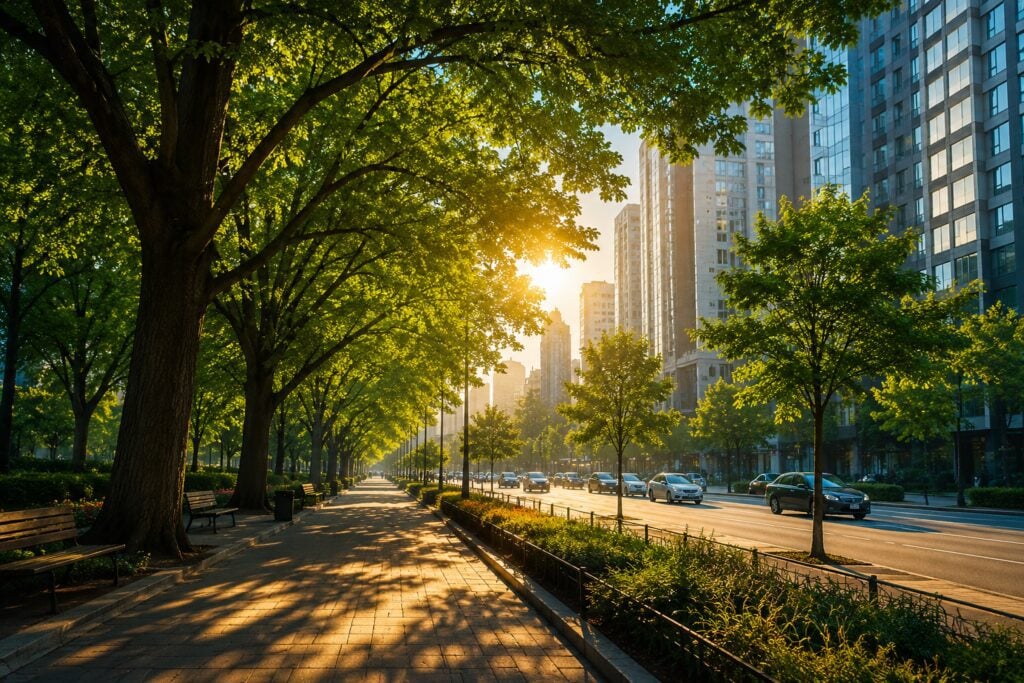
Trees, shaded streets, cooling centers, public water stations, greener spaces, and heat-ready homes should not appear only after another temperature record is broken.
They should become part of everyday city planning.
London’s heat plan is a step in that direction, but preparation alone is not enough.
We need to adapt to the heat already arriving while reducing the emissions making future heatwaves worse. One protects people today. The other protects the climate they will live in tomorrow.