Shenzhen is widely known for skyscrapers, technology companies, and rapid economic growth. However, one of the city’s most important achievements may be found much closer to the water, among tangled roots, tidal mud, insects, fish, and migratory birds.
As I learned more about Shenzhen’s mangrove recovery, I was struck by how close the city came to losing this ecosystem. Rapid urbanization, land reclamation, and coastal development severely reduced its mangrove habitat. By 1991, only about 124 acres reportedly remained. Today, restoration and protection efforts have helped mangrove and coastal wetland habitats recover across the city.
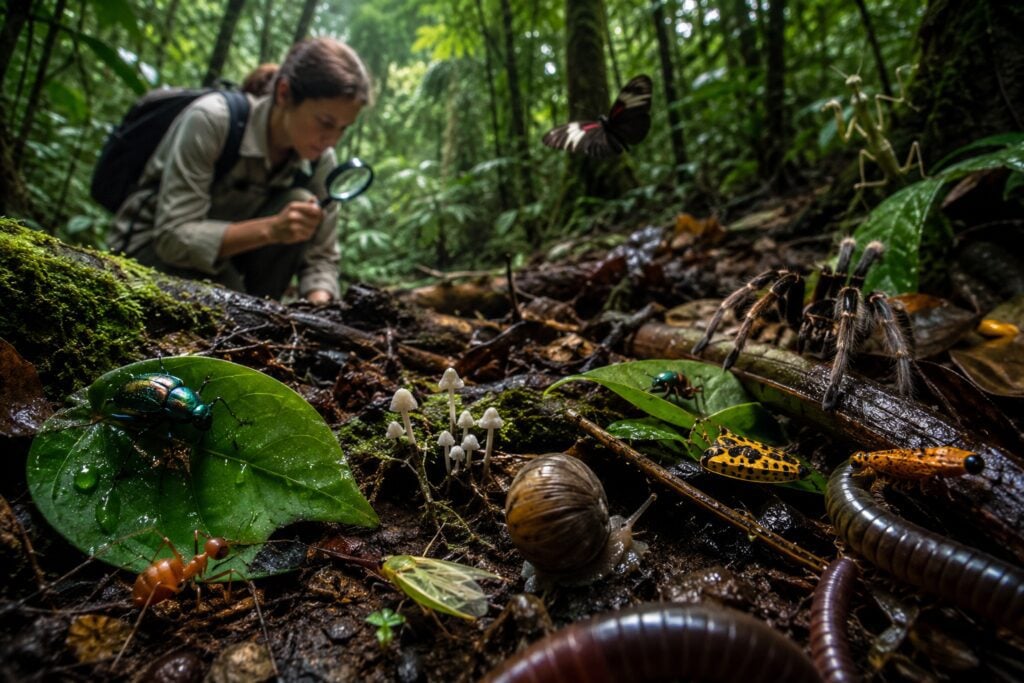
The ecological changes reported alongside that recovery are remarkable. Recorded plant species increased from 307 to 754. Bird species rose from 83 to 220, while recorded insect species increased from 109 to 1,224.
Those numbers are not simply statistics. To me, they show what can happen when a city stops treating nature as unused land and begins recognizing it as essential infrastructure.
Shenzhen Almost Lost Its Coastal Forests

The decline did not happen overnight. It happened through years of decisions that may have seemed practical at the time. Shorelines were altered, wetlands were filled, roads and buildings expanded, and natural tidal areas were separated from the water systems that kept them alive.
This is a common pattern in rapidly developing coastal cities. Mangrove areas often appear muddy, empty, or unproductive to people who do not understand them. That makes them easy targets for reclamation, industrial development, housing, ports, and tourism projects.
But a mangrove forest is not empty land waiting to be improved. It is already a complex and productive ecosystem.
Mangrove roots create hiding and feeding areas for young fish, crabs, shellfish, and other marine life. Birds use the forests for resting, nesting, and feeding. Insects pollinate plants, break down organic material, and support the wider food chain.
Once mangroves are removed, these relationships begin to disappear. The loss may start with trees, but it eventually affects wildlife, fisheries, water quality, flooding, and nearby communities.
Shenzhen’s experience reminds me that environmental damage is rarely caused by one dramatic event. More often, it results from many smaller choices made without considering their combined long-term impact.
Restoration Required More Than Planting Trees
It is tempting to think mangrove restoration is as simple as planting seedlings along the coast. In reality, successful restoration begins by understanding why the original forest disappeared.
Mangroves depend on the natural movement of tides. Water must enter and leave at the right depth, frequency, and speed. If roads, walls, drainage systems, or reclaimed land block that movement, newly planted trees may struggle or die.
Shenzhen’s restoration work included improving natural hydrology, protecting native habitats, managing invasive species, and restoring degraded wetland areas. These actions helped create conditions in which mangroves and other coastal species could recover.
This distinction matters. Planting a tree creates a visible result, but repairing an ecosystem means rebuilding the conditions that allow thousands of living organisms to return.
One practical lesson I take from Shenzhen is to fix the cause before treating the damage. Before beginning a mangrove project, local leaders should examine tidal flows, pollution, soil conditions, native species, previous land use, and nearby construction.
Communities should also avoid planting a single mangrove species everywhere simply because it grows quickly. A healthy coastal ecosystem needs the right native species in the right locations. In some places, the best solution may not involve planting at all. Restoring tidal movement and preventing further disturbance can allow natural regeneration to occur.
Why Mangroves Are Worth Protecting?
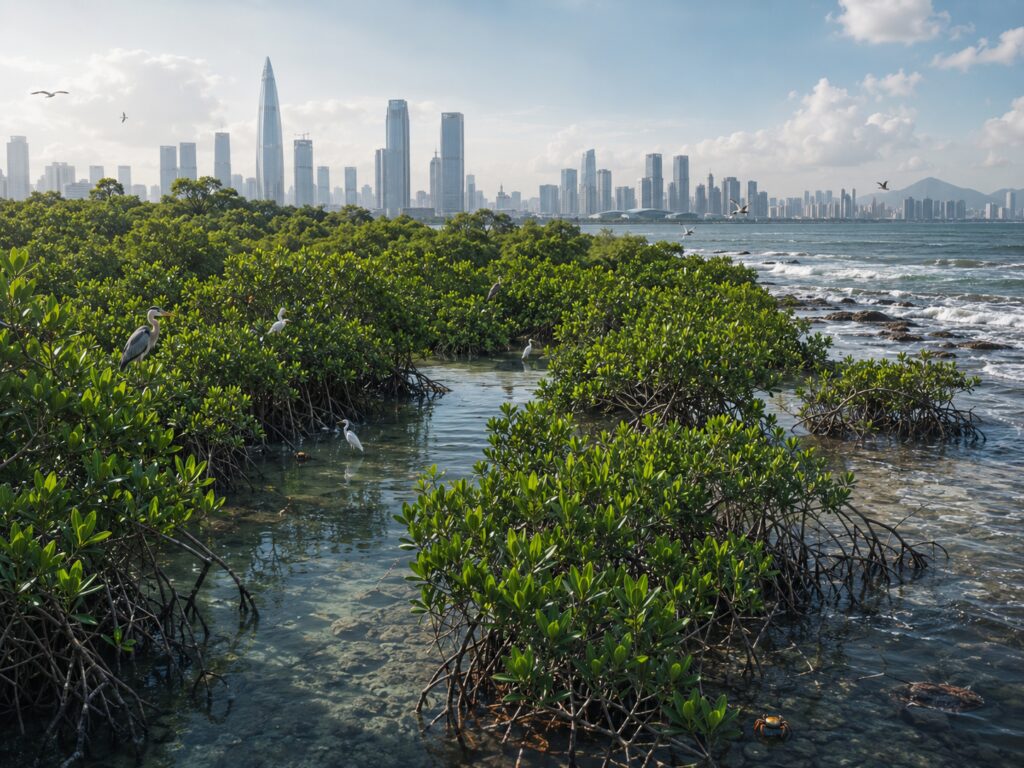
The more I learn about mangroves, the less sense it makes to destroy them. They perform several jobs at the same time, often without the maintenance costs associated with concrete infrastructure.
Their roots slow waves, stabilize shorelines, and reduce erosion. During storms, mangrove forests can help absorb wave energy and reduce the force reaching coastal communities. They cannot prevent every disaster, but they can provide an important natural layer of protection.
Mangroves also improve water quality by trapping sediment and filtering some pollutants before they reach open water. Their root systems provide nursery habitat for fish and other marine species, supporting both biodiversity and coastal fisheries.
Another major benefit is carbon storage. Mangroves capture carbon in their trunks, branches, roots, and especially in the wet soil beneath them. Because this carbon is stored in coastal ecosystems, it is often called blue carbon.
UNEP and NOAA identify mangroves as valuable ecosystems for shoreline protection, water-quality improvement, wildlife habitat, fisheries, and long-term carbon storage.
This means conserving mangroves is not only about saving trees or birds. It is also about protecting homes, supporting food supplies, improving climate resilience, and reducing future public costs.
A city may spend millions constructing seawalls, drainage systems, and water-treatment facilities. Mangroves cannot replace every engineered solution, but destroying them often means paying later to recreate services nature once provided.
Biodiversity Can Return When Habitat Returns
One of the most encouraging parts of Shenzhen’s recovery is the reported increase in wildlife. Plant, bird, and insect diversity all rose as habitat conditions improved.
That relationship is not difficult to understand. Animals cannot return simply because a government declares an area protected. They return when they can find food, water, shelter, breeding areas, and safe migration routes.
Shenzhen lies along an important route used by migratory birds. Restored coastal wetlands can provide places where these birds feed and rest during long journeys. The Futian mangrove wetlands are internationally recognized for their ecological importance, while Shenzhen has also become the host city for the International Mangrove Center.
I think this is an important measure of successful restoration. The goal should not only be to count how many trees were planted. We should also ask whether birds returned, whether fish nurseries recovered, whether native plants survived, whether water quality improved, and whether the ecosystem can continue functioning without constant human intervention.
For local restoration projects, I recommend monitoring wildlife and water conditions for several years. Photographing the site, recording bird sightings, measuring seedling survival, and involving universities or community organizations can reveal whether the project is creating a real ecosystem or merely a green-looking landscape.
What Other Cities Can Learn From Shenzhen?
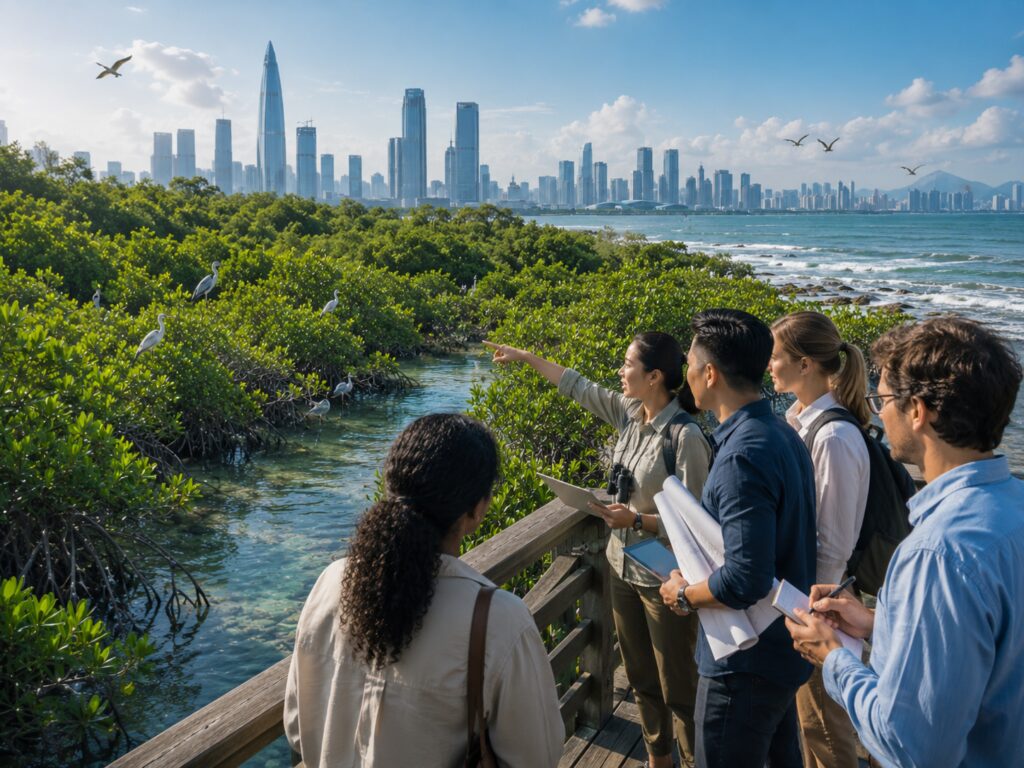
Shenzhen’s recovery does not erase the damage caused by earlier development, and it should not be used as an excuse to destroy healthy mangroves elsewhere. Protecting an existing ecosystem is usually safer, less expensive, and more effective than trying to rebuild it later.
Still, Shenzhen demonstrates that urban growth and ecological recovery do not have to be complete opposites. A densely developed city can protect coastal habitats when conservation is included in long-term planning.
The first lesson is to stop further destruction. Restoration will have limited value if healthy mangroves are still being cleared elsewhere.
The second is to protect enough surrounding space. Mangroves need room to respond to changing tides, storms, sediment, and rising sea levels. A narrow strip of trees trapped between the ocean and concrete development may not remain healthy for long.
The third is to involve local people. Residents, fishers, scientists, schools, conservation groups, and businesses can help monitor wetlands, report damage, remove waste, and build public support.
Personally, I also believe people protect ecosystems more strongly after experiencing them. Boardwalks, guided visits, birdwatching programs, and nature education can help residents understand that mangroves are not dirty or wasted spaces. They are living coastal defenses filled with wildlife.
Restoration Is Possible, but Prevention Is Better
Around the world, governments and conservation groups are investing heavily in mangrove restoration because the ecological and economic benefits are becoming impossible to ignore. Mangroves protect coastlines, store carbon, improve water quality, reduce flooding, support fisheries, and provide habitat for countless species.
Yet large areas have already been lost. Historical estimates vary because older global records are incomplete, but UNEP-supported guidance notes that up to 67 percent of the historical global mangrove range may have disappeared. More recent global monitoring shows that mangrove loss continues, although its rate differs by region and period.
Shenzhen gives me hope because its story proves that damaged coastal environments are not always beyond repair. With political commitment, scientific planning, habitat protection, and long-term monitoring, biodiversity can return.
But restoration should never become permission for destruction.
A newly planted mangrove area cannot instantly replace a mature natural forest. It may take years or decades for soil, wildlife communities, carbon storage, and coastal protection functions to recover fully.
That leaves us with a simple question. If cities are spending millions to restore mangroves because they understand their environmental and economic value, why are other communities still allowing healthy mangrove forests to be cleared?
We already know what these ecosystems do for us. We also know how difficult and expensive they are to rebuild.
The smartest solution is not to destroy them in the first place.