When I think of Leonardo DiCaprio, I naturally think about his award-winning movies. However, his work outside Hollywood deserves just as much attention. For many years, he has used his fame, influence, and financial resources to support environmental causes around the world.
One of his most meaningful contributions was a US$1 million donation to the Elephant Crisis Fund. The money was intended to help protect African elephants from poaching, stop the illegal ivory trade, and support conservation teams working directly in threatened areas.
To me, this story is not simply about a celebrity making a large donation. It shows how public influence can be used to bring attention to problems that are often far removed from our daily lives. African elephants cannot speak about the dangers they face, but people with large platforms can help make sure their situation is not ignored.
Why African Elephants Still Need Protection?
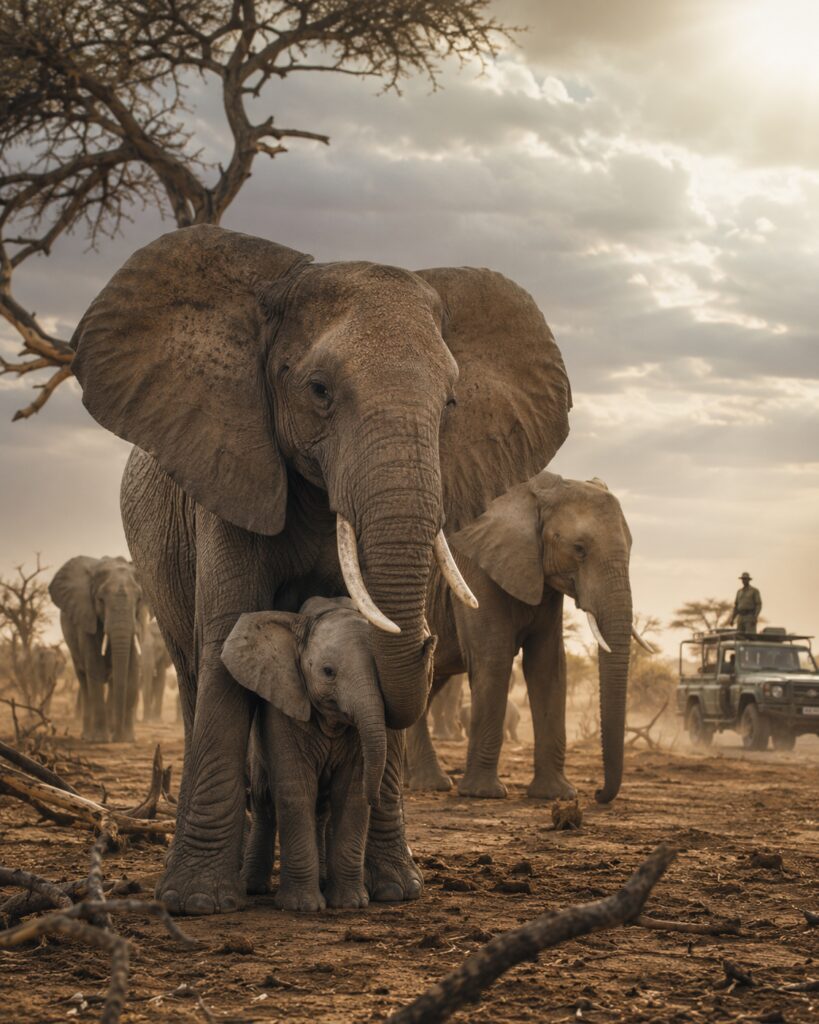
It is easy to look at an elephant and see a powerful animal that can defend itself. I used to think that their enormous size made them almost untouchable. In reality, even the largest land animals remain extremely vulnerable to human activity.
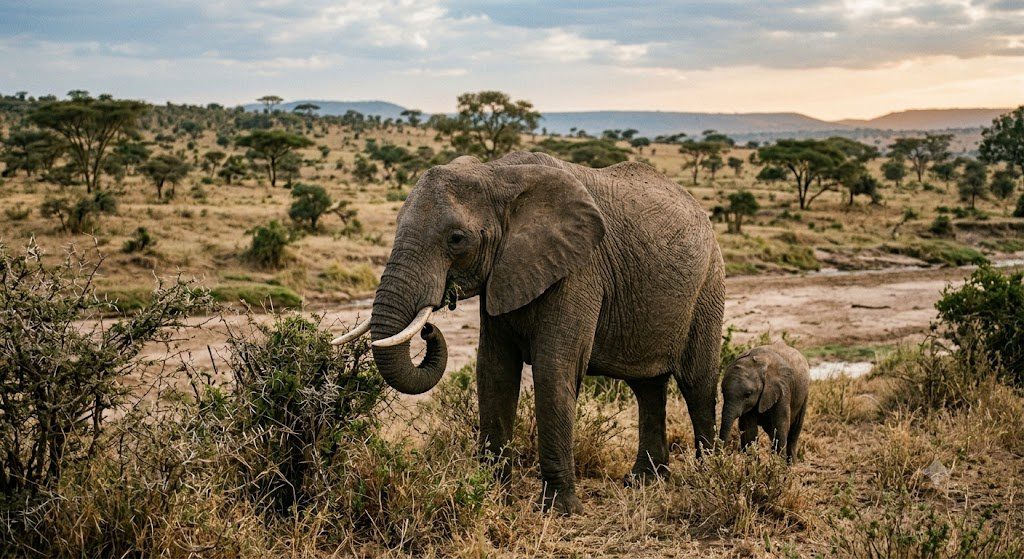
African elephants have been targeted for decades because of the demand for ivory. Their tusks are made of ivory, which has been used to create jewelry, ornaments, carvings, and luxury products. This demand has encouraged organized poaching networks to kill elephants and illegally transport ivory across international borders.
Poaching does not only remove one animal from the wild. It can affect an entire elephant family.
Elephants are highly social animals. They often live in close family groups led by experienced females. Older elephants help younger members locate water, recognize danger, and navigate changing environments. When one of these important animals is killed, the surviving herd may lose valuable knowledge and protection.
Elephants also play an important role in their ecosystems. As they travel, they spread seeds through their waste, open pathways through thick vegetation, and sometimes create access to water that other animals can use. Protecting elephants therefore supports many other species living in the same habitat.
This is why elephant conservation is about more than saving one famous animal. It is also about protecting forests, grasslands, water sources, and the wider balance of nature.
How the Elephant Crisis Fund Uses Donations?
A million-dollar donation sounds impressive, but what matters most is how the money is used. Conservation funding can support several kinds of work, and each one addresses a different part of the problem.
The Elephant Crisis Fund supports projects focused on stopping elephant poaching, reducing ivory trafficking, and decreasing consumer demand for ivory. This can include funding patrol teams, intelligence operations, wildlife investigations, conservation organizations, and community-based protection efforts.
Anti-poaching teams often work in large and difficult environments. Rangers may need vehicles, communication equipment, protective gear, training, fuel, and reliable salaries. Without proper resources, it can be extremely difficult for them to patrol remote areas where poachers may be active.
Funding can also support investigations into illegal wildlife networks. Poaching is not always carried out by isolated individuals. Ivory may pass through several groups before reaching buyers. Stopping the trade therefore requires cooperation between conservation organizations, law enforcement agencies, governments, and local communities.
I believe this is an important lesson about charitable giving. Donating money can be helpful, but supporting organizations with clear goals and direct experience can make that contribution more effective.
Before I support a conservation campaign, I try to check what the organization actually does, where its money goes, and whether it publishes reports about its impact. Even a small donation matters more when it reaches trustworthy people doing practical work.
Leonardo DiCaprio’s Environmental Work Goes Beyond Elephants
DiCaprio’s support for elephants is only one part of his broader environmental work. For years, he has funded and promoted initiatives connected to wildlife protection, climate change, ocean conservation, Indigenous rights, and threatened ecosystems.
What makes his involvement especially valuable is not only the money. His name attracts public attention.
Many conservation organizations do important work without receiving much media coverage. A well-known actor can introduce their mission to millions of people who may never have heard about the issue otherwise. That attention can lead to more donations, stronger public pressure, and wider discussion.
I do not think celebrities should replace scientists, conservationists, or local leaders. Those experts understand the problems much more deeply. However, public figures can help amplify their voices.
The best kind of environmental advocacy happens when influence supports expertise instead of overshadowing it. In this case, DiCaprio’s contribution helped direct attention and resources toward organizations already working to protect elephants.
A Real-Life Rescue Far From a Movie Set
DiCaprio has also been involved in a dramatic rescue that had nothing to do with a movie script. During a boat trip in the Caribbean, he and the crew reportedly responded to a distress call concerning a man who had fallen from a cruise ship.
The man had been drifting in the open sea for several hours. DiCaprio’s boat joined the search and eventually helped locate and rescue him before conditions became even more dangerous.
What stands out to me is the decision to respond. It would have been easy to assume that another vessel or rescue service would handle the emergency. Instead, the people on board changed their plans and participated in the search.
This story reminds me that helping others is not always something we can schedule. Sometimes an opportunity appears unexpectedly, and we must decide whether to ignore it or take action.
Most of us will never be involved in an ocean rescue, but we face smaller versions of this choice regularly. We may see an injured animal, notice someone who needs assistance, encounter harmful behavior, or learn about a community facing a serious problem.
My personal rule is simple: when I can help safely and responsibly, I should not assume that someone else will do it.
What I Learn From His Conservation Efforts?
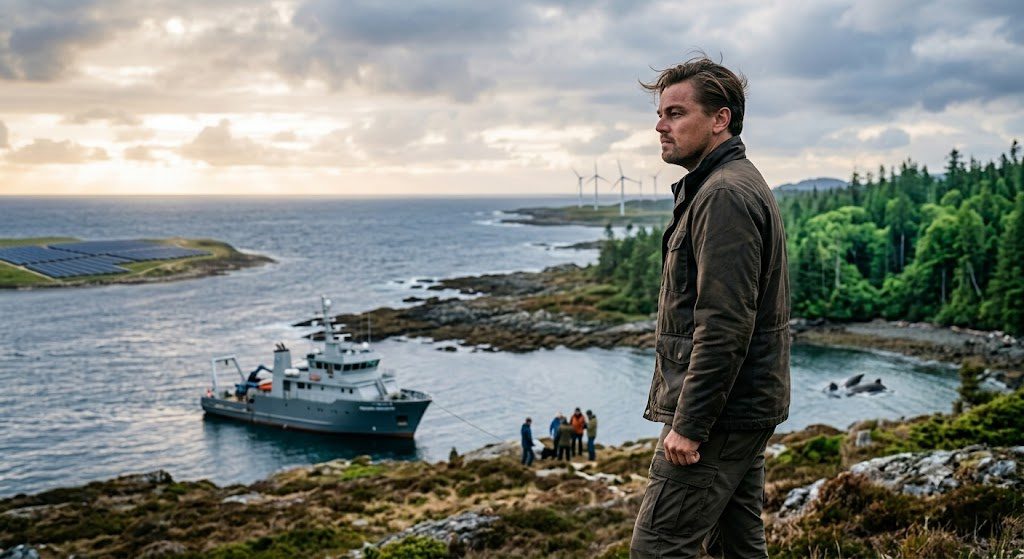
The biggest lesson I take from this story is that people can use whatever resources they have to create positive change. DiCaprio has wealth and a global platform, so his contribution can reach an enormous scale. Most of us do not have those same resources, but that does not make our efforts meaningless.
We can support reputable organizations, reduce purchases connected to wildlife exploitation, share verified information, and encourage others to care about conservation. We can also learn where products come from before buying them.
For example, avoiding real ivory products helps reduce the market that makes elephant poaching profitable. Supporting responsible tourism can also prevent our money from funding attractions that exploit animals.
I also recommend being careful about what we share online. Emotional wildlife stories can spread quickly, but not all of them are accurate. Before reposting a claim, I check whether it comes from a recognized conservation organization, scientific institution, or credible news source.
Another useful step is to focus on consistency. A person does not need to make one enormous gesture to care about wildlife. Small actions repeated over time can be more realistic and sustainable.
I can donate a modest amount, reduce unnecessary waste, support responsible businesses, discuss environmental issues, or volunteer locally. None of these actions will solve the entire crisis alone, but collective action begins with individual choices.
Protecting Elephants Requires Long-Term Commitment
A single donation, even one worth US$1 million, cannot permanently end elephant poaching. Wildlife protection requires long-term funding, strong laws, effective enforcement, public education, and cooperation with communities living near elephant habitats.
Local communities are especially important. Conservation plans are more likely to succeed when people receive real benefits from protecting wildlife. This may include employment, education, tourism income, improved security, or support for farmers whose crops can be damaged by elephants.
It is unfair to demand that communities protect animals while ignoring the financial and safety challenges they may face. Effective conservation must consider both wildlife and human needs.
That is why I appreciate conservation projects that involve local people instead of treating them as outsiders. Rangers, researchers, educators, community leaders, and residents all have roles to play.
DiCaprio’s donation brought valuable support to this work, but the daily responsibility belongs to the people protecting elephants on the ground. Their courage and commitment deserve recognition too.
A Powerful Example of Using Fame Responsibly
Leonardo DiCaprio’s donation to the Elephant Crisis Fund demonstrates how fame can be turned into something practical. His US$1 million contribution supported efforts to fight poaching, disrupt the illegal ivory trade, and protect African elephants in the wild.
His participation in a real-life sea rescue also shows that helping others is not limited to formal campaigns or financial donations. Sometimes it means responding during an unexpected emergency.
I find both stories encouraging because they show two different forms of action. One uses long-term financial support to address a global conservation problem. The other involves an immediate decision to help one person in danger.
Not everyone has the ability to donate a million dollars, but everyone has something they can contribute. It may be money, time, knowledge, attention, or the willingness to act when help is needed.
African elephants continue to face serious threats, and protecting them will require much more than one celebrity donation. Still, every meaningful contribution can move the effort forward. When influential individuals support experienced conservation organizations, they can inspire more people to recognize that wildlife protection is a shared responsibility.