A massive Microsoft data center in Mount Pleasant, Wisconsin, represents the physical side of the artificial intelligence boom. Behind every chatbot response, cloud service, and AI tool are buildings filled with powerful computer equipment that must run, connect, and stay cool around the clock. For nearby residents, however, that technology may come with a sound they cannot switch off.
Three residents of neighboring Sturtevant filed a proposed class action lawsuit against Microsoft on July 1, 2026. They allege that the company’s Fairwater data center produces unreasonable and persistent noise that enters surrounding homes and properties. The complaint describes a low mechanical hum associated with cooling and other operating equipment. It also claims that more than 1,000 households within roughly 1.5 miles could be affected.
I find this story important because it is not simply about whether one industrial building is loud. It raises a larger question: as companies race to build infrastructure for AI, how much disruption should nearby communities be expected to accept?
Residents Say the Noise Never Fully Stops
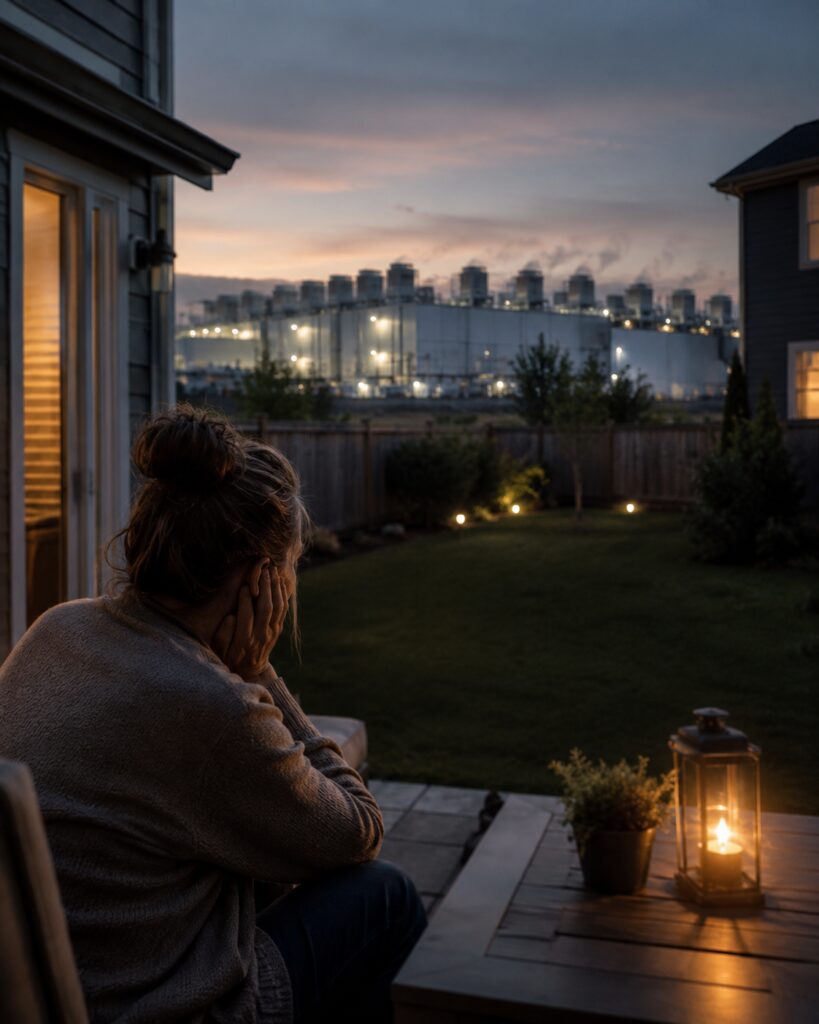
The most difficult kind of neighborhood noise is not always the loudest. A sudden construction sound may be intense, but it eventually ends. A low, steady hum can be less dramatic while still becoming exhausting because residents do not know when they will experience real silence again.
According to the lawsuit, the Fairwater facility creates noise from diesel generators and heating, ventilation, and air-conditioning equipment. The complaint specifically refers to machinery such as chillers, cooling towers, air-handling units, and condenser fans. It characterizes the noise as excessive, consistent, and pervasive.
Some neighbors have said the sound affects their sleep, outdoor activities, and ability to enjoy their homes. One named plaintiff reportedly changed his work schedule because the noise interfered with sleeping during the day. Other plaintiffs said the ongoing hum made it difficult to relax in their backyard. That detail stands out to me. A home is supposed to provide a degree of control. I can close my door, turn off my television, and ask family members to lower their voices. But I cannot easily escape an external mechanical sound that travels through walls or remains noticeable during quiet hours.
Why Data Centers Can Produce So Much Sound?
From the outside, a data center may look like a large warehouse. Inside, it functions more like an enormous digital factory. Thousands of servers process and store data, while networking equipment moves information between systems. All of that hardware generates heat.
To prevent the computers from overheating, a data center needs extensive cooling infrastructure. Depending on its design, this may include large fans, chillers, cooling towers, pumps, air-handling systems, and other mechanical equipment. Backup generators are also installed to keep essential systems operating if the electrical supply fails.
A single fan may not sound especially powerful. When many industrial cooling components operate together, however, they can create continuous broadband noise or a noticeable tonal hum. Lower-frequency sound may also travel differently from ordinary conversation or traffic noise. It can pass through structures and feel more persistent, particularly at night when other background sounds become quieter.
The plaintiffs allege that Microsoft failed to use sufficient industrial practices to absorb, contain, or prevent this operational noise from reaching nearby properties. These remain allegations that must be tested through the legal process. Microsoft has not been found legally responsible merely because the lawsuit was filed.
Microsoft Says It Has Worked on the Problem
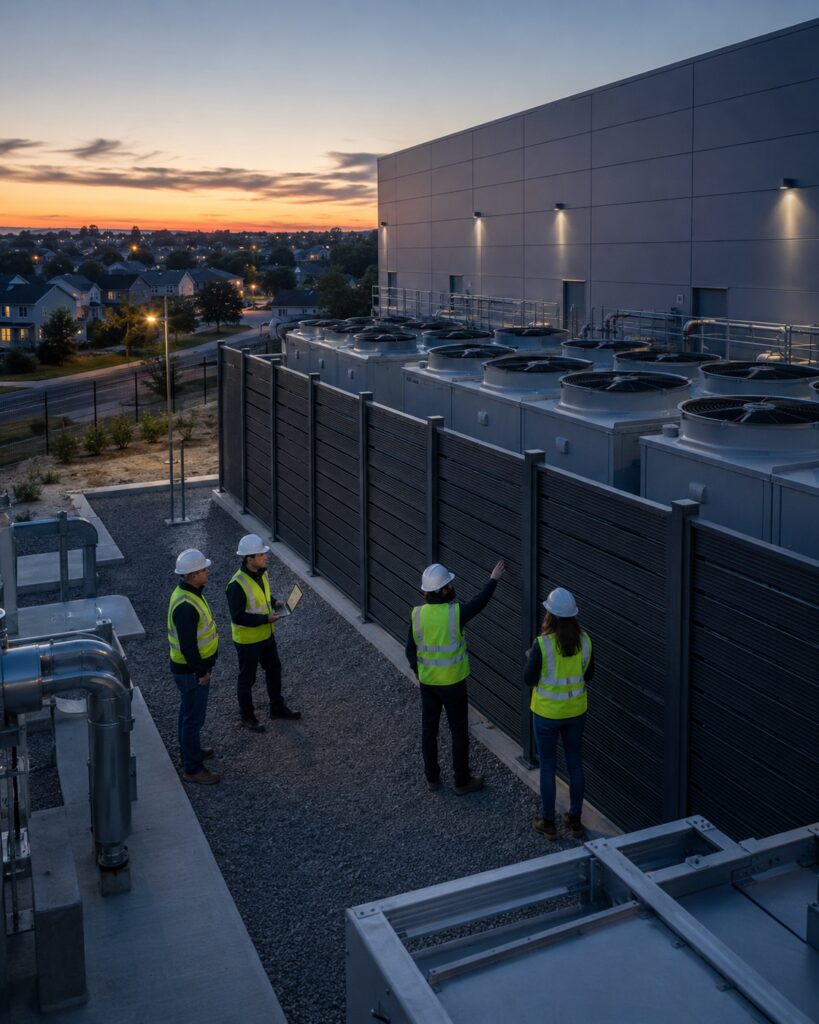
The lawsuit presents one side of a developing dispute. Microsoft has said its teams investigated reports of a tonal sound and introduced measures intended to reduce it.
In a June 18 community update quoted by news organizations, Microsoft said its engineers and consultants had identified and addressed the source. The company stated that independent monitoring and feedback from several neighbors indicated that the immediate mitigations had resolved the issue. It also said more sound-reduction components would be installed over the following months.
The disagreement shows why environmental conflicts are rarely simple. A company may rely on monitoring equipment, legal limits, and feedback from some residents. Other people may continue experiencing the same facility very differently. Sound can vary based on distance, wind, landscape, home construction, time of day, equipment cycles, and a person’s sensitivity to certain frequencies. Two neighbors living on the same road may therefore give honest but very different descriptions.
In the FOX6 report, one resident said the noise had become deeply disruptive, while another neighbor living less than a mile away said it did not bother him. That contrast does not automatically prove that either person is wrong. It shows why careful, repeated measurements at multiple homes are important.
This Is About More Than Decibel Numbers
Noise disputes are often reduced to a single question: does the sound exceed the local limit? That question matters, but it may not tell the entire story. A short daytime reading may fail to represent what residents hear late at night. An average measurement may hide intermittent peaks. Standard sound meters may also treat frequencies differently from the way people experience a recurring hum inside a bedroom.
The complaint reportedly claims that some of the disturbance includes low-frequency or infrasound characteristics that are not easily captured by ordinary municipal standards. Whether that claim is scientifically and legally supported will likely become an important part of the case.
When I evaluate a noise issue, I would want to see more than one measurement. I would look for readings taken during different weather conditions, operating loads, and hours of the day. I would also compare outdoor measurements with readings inside affected homes. Personal testimony matters, but strong technical evidence helps establish whether the problem is widespread, where it is strongest, and which equipment may be responsible.
Why Residents Chose a Class Action?
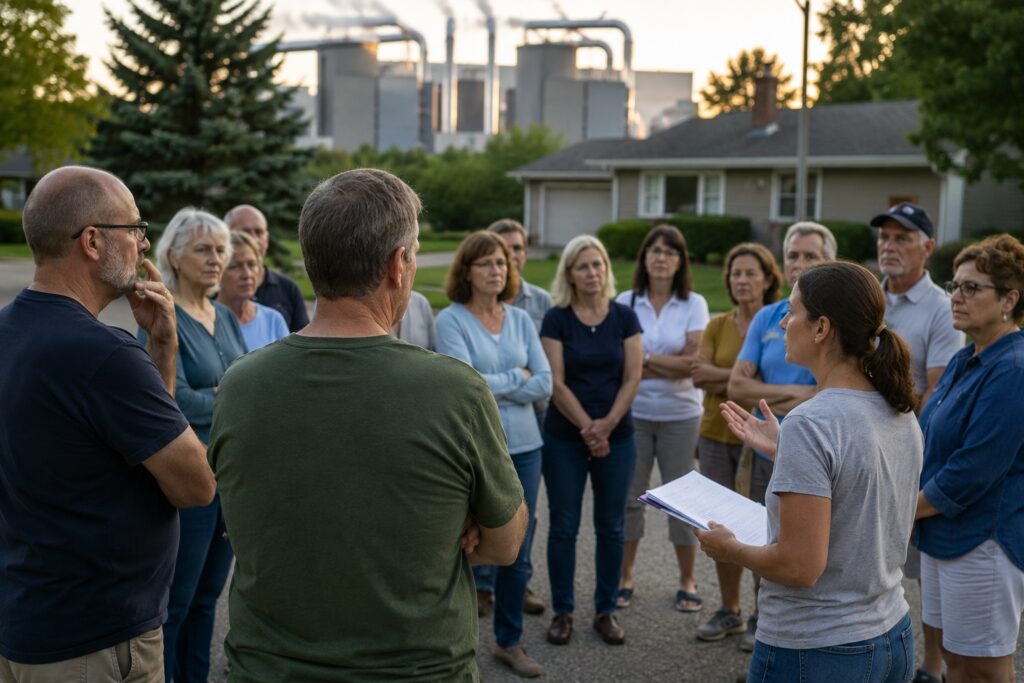
A class action allows a small number of named plaintiffs to seek relief on behalf of a larger group with similar claims. In this case, the proposed group reportedly includes households located within approximately 1.5 miles of the facility.
The lawsuit alleges private nuisance and negligence. In general terms, a private-nuisance claim argues that someone has substantially and unreasonably interfered with another person’s use and enjoyment of property. A negligence claim generally requires proof that the defendant owed a duty, failed to act with reasonable care, and caused harm as a result.
The court will need to decide several issues before this can proceed as a class action. The plaintiffs must establish that the proposed group shares sufficiently similar legal and factual questions. They must also support their claims with evidence connecting the facility’s operations to the alleged harm. The lawsuit reportedly seeks compensation, although a final damages amount has not yet been established publicly. Because the case was only recently filed, its outcome remains unknown.
My Practical Tips for Communities Near Data Centers
When a large industrial or data-center project is proposed near homes, I believe residents should become involved before operations begin. Once a facility is running, solving a design problem can be harder and more expensive.
I would ask local officials and developers for a complete noise study that models both daytime and nighttime conditions. The study should include low-frequency sound, backup-generator testing, cooling equipment operating at maximum capacity, and the combined effect of future expansion.
Residents experiencing a problem should keep a consistent log. I would record the date, time, duration, weather, location, and how the sound affected daily life. Short audio or video recordings can provide context, although phone microphones may not accurately capture low frequencies.
I would also submit complaints in writing rather than relying only on telephone conversations. A written record helps local officials, companies, consultants, and courts identify patterns over time.
Most importantly, I would focus on practical solutions. Sound barriers, quieter fan designs, equipment enclosures, operational adjustments, vibration isolation, landscaping, and larger setbacks may reduce impacts. The best outcome is not always a long legal fight. It is a facility that can operate without making surrounding homes difficult to live in.
AI Infrastructure Still Has to Be a Good Neighbor
The Fairwater dispute reflects a growing challenge in the expansion of artificial intelligence. Digital technology may feel invisible when I use it through a phone or computer, but the infrastructure behind it is physical. It requires land, electricity, water or other cooling systems, backup power, construction traffic, and large amounts of mechanical equipment.
Communities may benefit from investment, tax revenue, jobs, and improved infrastructure. At the same time, residents should not have their concerns dismissed simply because a project is technologically important.
I do not believe the choice must be between stopping technological progress and ignoring local quality of life. Companies building advanced facilities should also be capable of advanced environmental planning.
Microsoft says it has investigated the Fairwater sound and introduced mitigation. The plaintiffs say the disturbance continues and has interfered with their homes. The legal process will now examine those competing claims.
Whatever the final result, the lesson is already clear to me. AI may be shaping the future, but that future is being built beside real neighborhoods. Progress should not only be measured by computing power. It should also be measured by whether the people living nearby can still open their windows, sleep peacefully, and enjoy their own backyards.