In Chernobyl’s abandoned silence, life has been doing something extraordinary.
A dark fungus called Cladosporium sphaerospermum has been found growing in highly radioactive areas, surviving where humans could no longer safely remain.
Scientists are still studying how it responds to radiation, but its presence alone is remarkable.
To me, this story feels both strange and powerful. It shows that nature does not always retreat from disaster. Sometimes, it adapts in ways we are only beginning to understand.
A Strange Life Form Inside One of the World’s Most Radioactive Places
Chernobyl is usually remembered as a place humans had to leave behind. But inside its radioactive silence, life found a way to stay.
Scientists discovered a black fungus called Cladosporium Sphaerospermum growing on radioactive walls inside the Exclusion Zone.
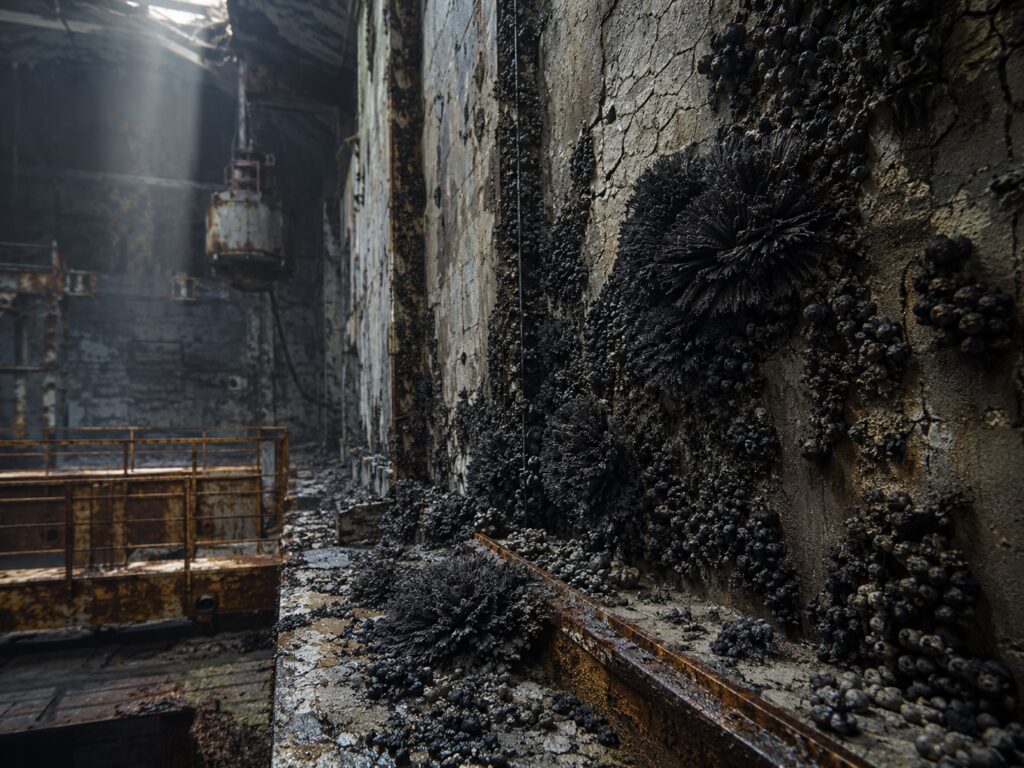
Even more strangely, some studies suggest it may respond to ionizing radiation in a way that helps it grow.
That is what makes this story so fascinating to me. It feels almost impossible, yet it reveals something real about nature: life can be stubborn, strange, and far more adaptable than we expect.
What Makes This Chernobyl Fungus So Fascinating?
The secret may be hidden in its darkness.
Cladosporium Sphaerospermum contains melanin, the same pigment found in human skin, hair, and eyes. In people, melanin helps protect against UV rays.
In this fungus, scientists suspect it may help the organism handle radiation in a far stranger way.
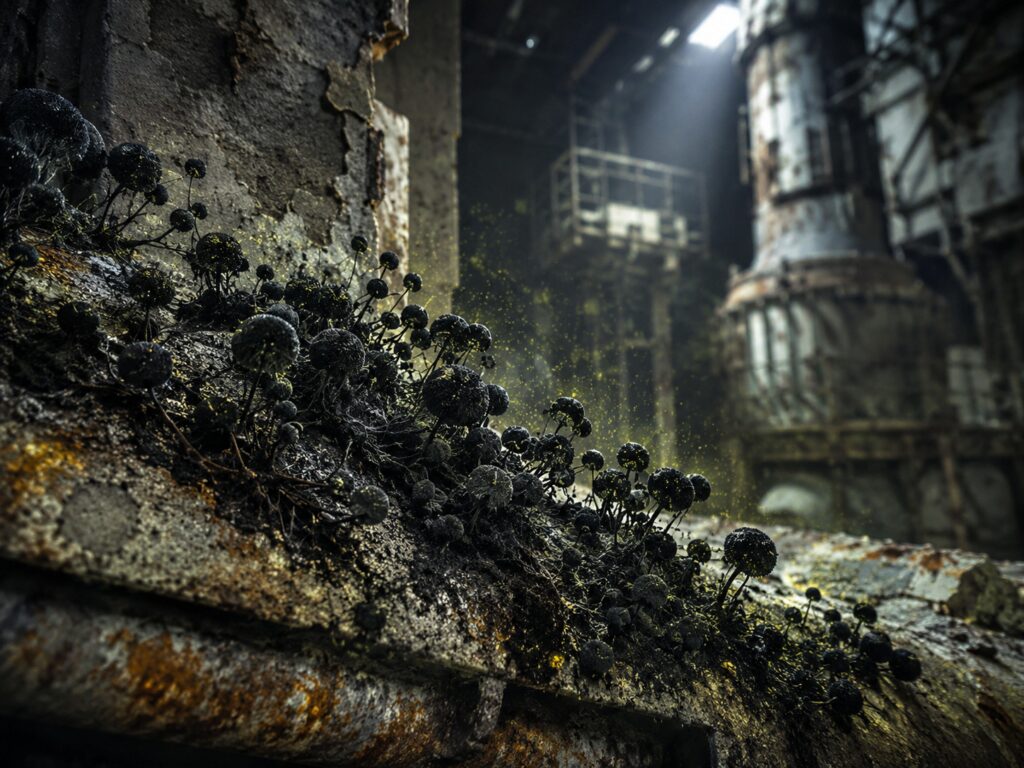
Some researchers have compared the idea to photosynthesis, but with radiation instead of sunlight. This possible process is called radiosynthesis.
It is important to stay careful: this theory is not fully proven. What we do know is that the fungus is unusually radiation-resistant and may grow better when radiation is present.
That uncertainty makes the story even more fascinating. Nature may be doing something we still do not fully understand.
How Scientists Discovered Fungi Living in Chernobyl?
The mystery began when scientists looked inside Chernobyl’s ruined reactor zone and found life where many expected almost none.
Radiation can damage cells, disrupt chemical processes, and harm DNA. Yet researchers discovered dozens of fungal species growing in contaminated areas, many of them dark with melanin.
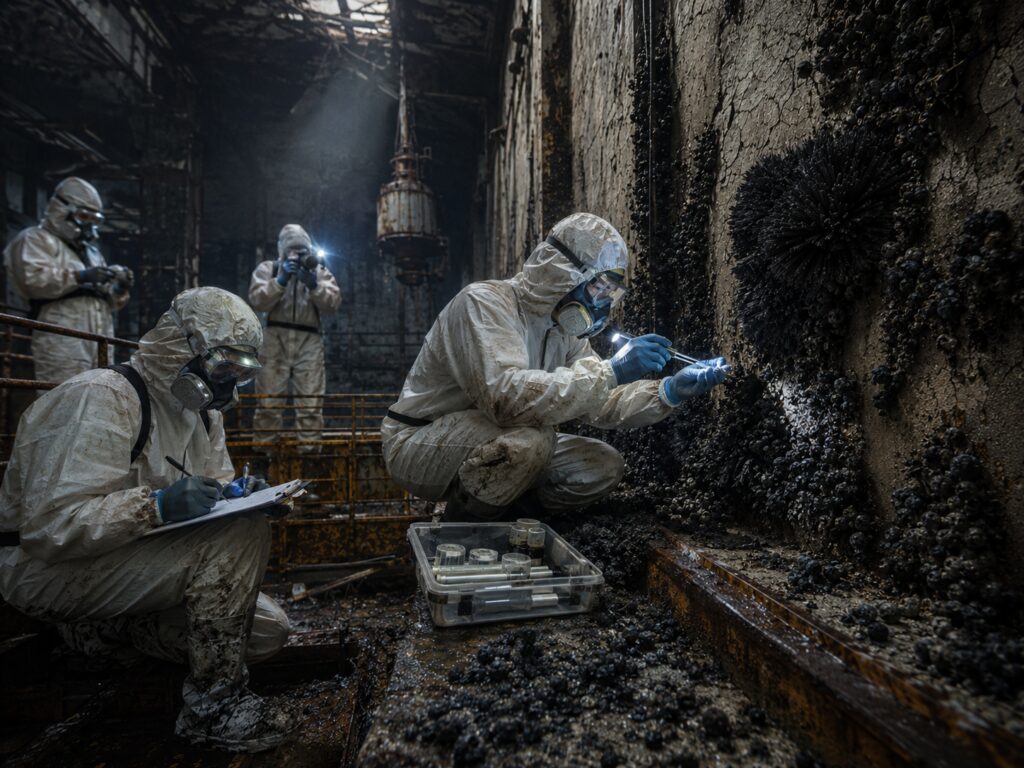
One of the most striking was Cladosporium sphaerospermum. It appeared often in highly radioactive places, raising a strange question: was it only surviving the radiation, or somehow gaining an advantage from it?
That is what makes this story so powerful. Surviving disaster is remarkable. Learning to use it would be something else entirely.
Why Ionizing Radiation Is Dangerous?
Radiation is dangerous because it can break the tiny rules that keep cells alive.
Ionizing radiation carries enough energy to damage molecules, disrupt cell function, and harm DNA. That is why radioactive places are treated with such caution.
But Cladosporium Sphaerospermum seems to survive this world differently.
Its melanin may help shield it from radiation, and some studies suggest the pigment itself changes when exposed to it.
This does not make radiation safe. It simply shows how strange and inventive life can be. What harms one organism may become a challenge another has learned to withstand.
The Possible Role of Melanin
Melanin may be the reason this fungus can face radiation instead of simply being destroyed by it.
At the basic level, it works like a shield, absorbing some radiation and helping protect the cells underneath. But the mystery goes deeper. Some researchers think melanin may also help the fungus interact with radiation as a possible energy source.
It is not the same as photosynthesis, and the science is not fully settled. But the idea is fascinating: a fungus may be turning one of the harshest forces on Earth into something it can survive, and perhaps even use.
That is what makes Cladosporium Sphaerospermum so remarkable. It reminds me that nature does not only endure extreme places. Sometimes, it learns how to work with them.
Why Scientists Are Still Careful About the Claim?
“Radiation-eating fungus” sounds exciting, but it can also be misleading.
Cladosporium sphaerospermum is not eating radiation like food or magically cleaning radioactive places. What scientists know is that it can survive in radioactive environments, and some research suggests radiation may influence its growth.
The exact process is still not fully understood. Radiosynthesis remains an intriguing idea, not a finished answer.
That is what makes the story powerful to me.
Real science is not only about dramatic discoveries. It is also about patience, evidence, and being honest about the mystery that remains.
Could This Fungus Help Space Travel?
The strangest part of this story is that a fungus from Chernobyl might one day help protect astronauts in space.
Cladosporium Sphaerospermum has already been tested on the International Space Station, where a sample appeared to reduce some radiation passing through it compared with a control material.
That does not mean spacecraft will be covered in fungus anytime soon. But it does suggest a fascinating possibility: living materials may help inspire future radiation shields for missions to the Moon, Mars, and beyond.
A fungus found in one of Earth’s most dangerous places may one day teach us how to survive in another.
Nature’s Quiet Reminder From Chernobyl
Chernobyl’s black fungus is not just a story about radiation. It is a story about life refusing to disappear.
In a place humans had to abandon, Cladosporium Sphaerospermum found a way to keep growing. Scientists still do not know all its secrets, but it has already challenged how we think about survival in extreme environments.
Radiation is dangerous, but this fungus shows that some organisms may have tools we barely understand. They do not wait for perfect conditions. They adapt, endure, and sometimes turn the impossible into a place to live.
That is what makes this story so powerful.
Inside one of history’s darkest disaster zones, nature is still writing something strange, quiet, and full of possibility.