A quiet river in Bromley has become the scene of a troubling environmental warning.
Thousands of fish have been found dead in the River Pool, including European eels, sticklebacks, gudgeon, stone loach, chub, roach, and dace. The sudden loss has raised urgent questions about what entered the water and how badly the ecosystem has been affected.
For me, this is more than a sad wildlife incident.
It is a reminder that even small urban rivers carry life, and they need protection before damage becomes impossible to ignore.
A Peaceful River Hit by a Sudden Wildlife Tragedy
When thousands of fish die in a local river, the water is telling us something is wrong.
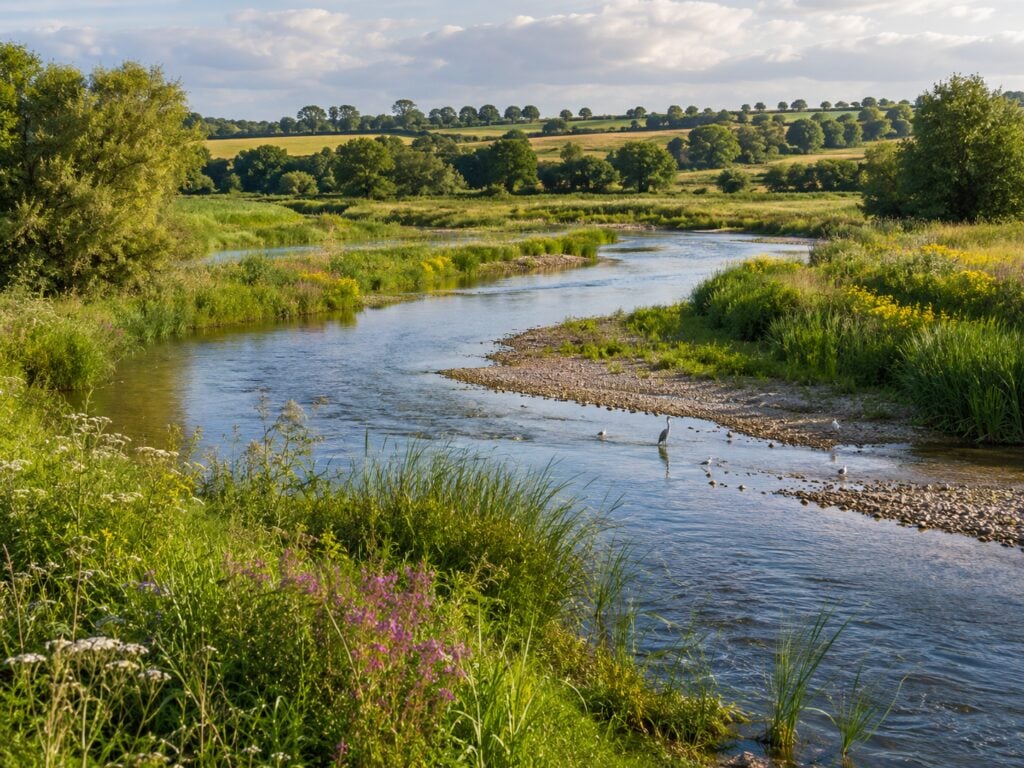
In Bromley, a 3km stretch of the River Pool has become part of a pollution mystery, with dead fish found from Cator Park to where the river meets the Ravensbourne.
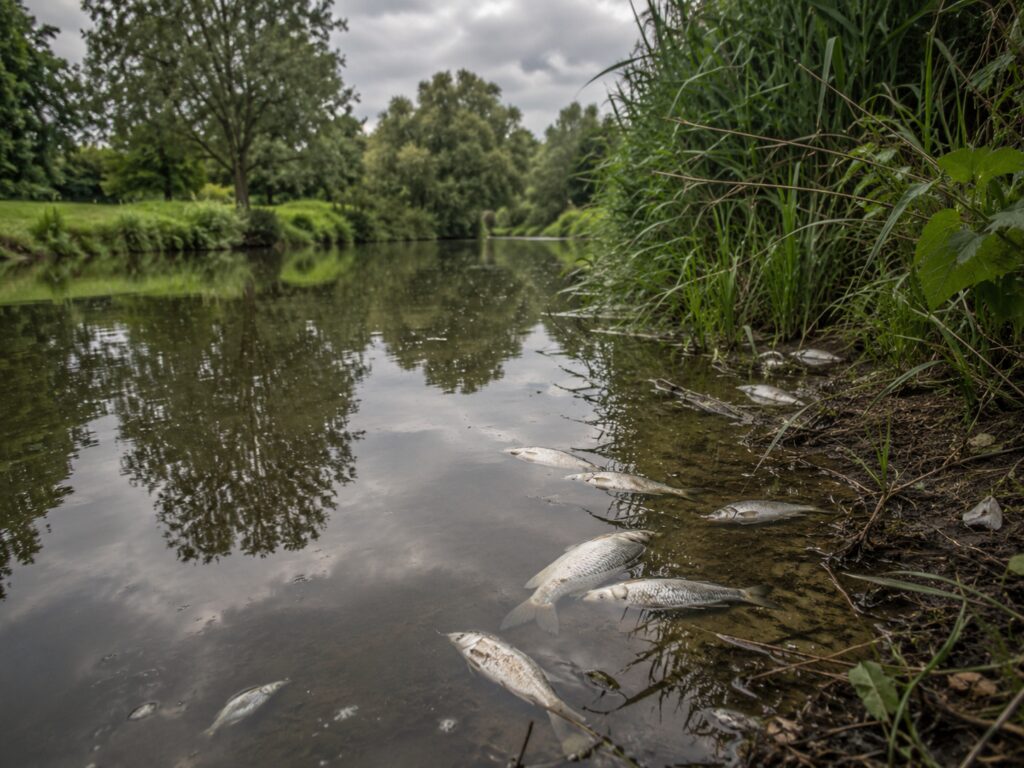
The Environment Agency and Thames Water are investigating, but the damage is already visible.
For me, this is not only about fish. It is about the hidden health of an urban river, the wildlife depending on it, and the urgent need to protect waterways before quiet damage becomes a public crisis.
Why This Pollution Incident Matters?
Small urban rivers can look ordinary, but they often carry more life than we realize. The River Pool supports fish, insects, birds, and other wildlife moving through the local landscape.
That is why the discovery of dead European eels, sticklebacks, gudgeon, stone loach, chub, roach, and dace feels so serious.
This was not one species affected. It was a whole river community disrupted.
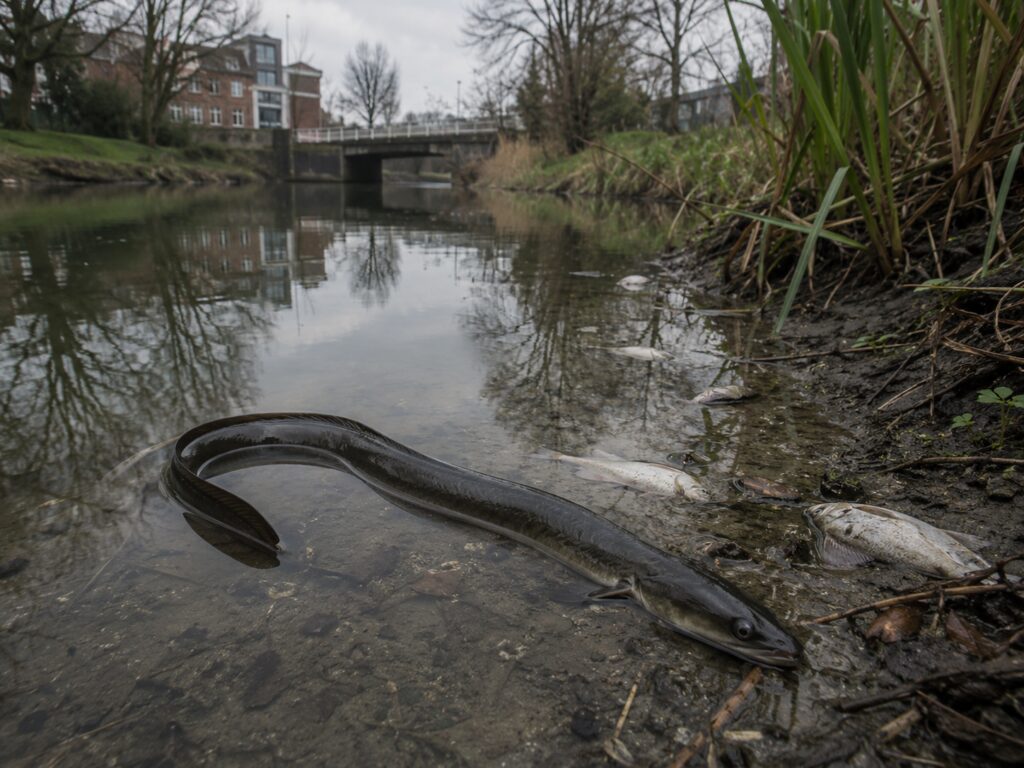
The loss of European eels makes it even more painful, because they are already critically endangered. For me, this is why local pollution incidents matter.
One damaged stretch of river can hurt wildlife that is already fighting to survive.
The European Eel Makes This Even More Serious
The European eel is not just another fish in the river. It is a traveller.
Born in the ocean, it moves into rivers and coastal waters for much of its life, then returns to the sea to spawn. That incredible journey depends on connected, healthy waterways.
But pollution, barriers, habitat loss, overfishing, and climate change have pushed the species into serious decline.
Glass eel numbers have fallen dramatically since the 1980s, and the European eel is now critically endangered.
That is why the River Pool incident feels so heavy. These eels were once part of London’s rivers and food culture. Now, every loss is a reminder that a familiar species can become rare faster than we want to believe.
What Authorities Are Doing Now?
When fish die suddenly, the first question is not only what entered the river. It is what changed in the water.
The Environment Agency is testing water quality, collecting samples, and checking whether more wildlife may be at risk. Thames Water is also investigating and has added aeration along parts of the River Pool to help raise oxygen levels.
That matters because pollution can strip oxygen from the water, leaving fish unable to survive even while surrounded by it.
For now, the cause is still unknown.
Careful testing is essential to find out whether sewage, chemicals, runoff, drainage problems, or another source triggered the damage.
Why the Public Has Been Told to Stay Away?
The drinking water supply is safe, but the river itself still needs to be treated with caution.
Until officials confirm what caused the pollution, I would avoid the affected stretch completely. No touching the water, no letting children play nearby, and no allowing pets to drink from it or walk through polluted mud.
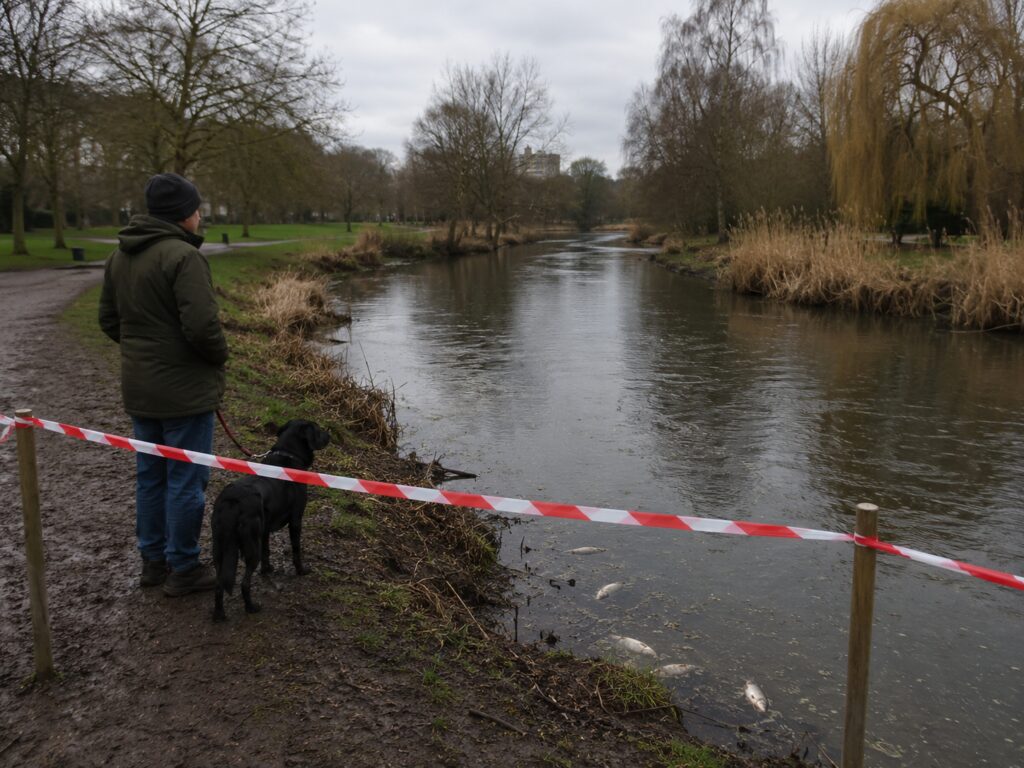
That is the difficult thing about river pollution. The water may look normal, but the danger is not always visible.
For now, the safest choice is simple: give the River Pool space, follow official advice, and use another walking route until the area is cleared.
What Local Rivers Mean to Communities?
A river is not just water moving through a town. It is part of the community’s breathing space.
The River Pool supports wildlife, cools the area, gives people somewhere peaceful to walk, and connects residents with nature close to home. That is why this fish death incident feels so tragic.
Healthy rivers often work quietly in the background until something goes wrong. Then we realise how much life depends on them.
For me, this is the bigger lesson. Urban rivers are not small or forgettable. They are living systems, and they need care before a crisis forces us to pay attention.
Simple Ways We Can Help Protect Rivers
We may not be able to solve a river pollution case ourselves, but we can help stop the next one.
Do not pour oil, paint, chemicals, or medicine down drains.
Report dead fish, strange smells, foam, oily patches, or discoloured water. Keep litter, pet waste, and dumped garden waste away from riverbanks.
And when local river groups are doing the quiet work of testing water, clearing rubbish, or planting native species, support them.
Protecting a river is not always dramatic.
Sometimes it begins with the small things we choose not to put into it.