Hertfordshire’s woodlands have been keeping some of their oldest secrets beneath the trees.
A new survey has found far more ancient woodland than previous records showed, revealing rare habitats, old trees, wildflowers, and wildlife that may need stronger protection.
To me, this feels like more than a mapping update.
It is a reminder that nature can hide history in plain sight, and sometimes we only discover its value when we finally look closely enough.
A Surprising Discovery Beneath the Trees
When a survey reveals more ancient woodland than expected, it is not just updating a map. It is uncovering places that have been quietly holding centuries of life.
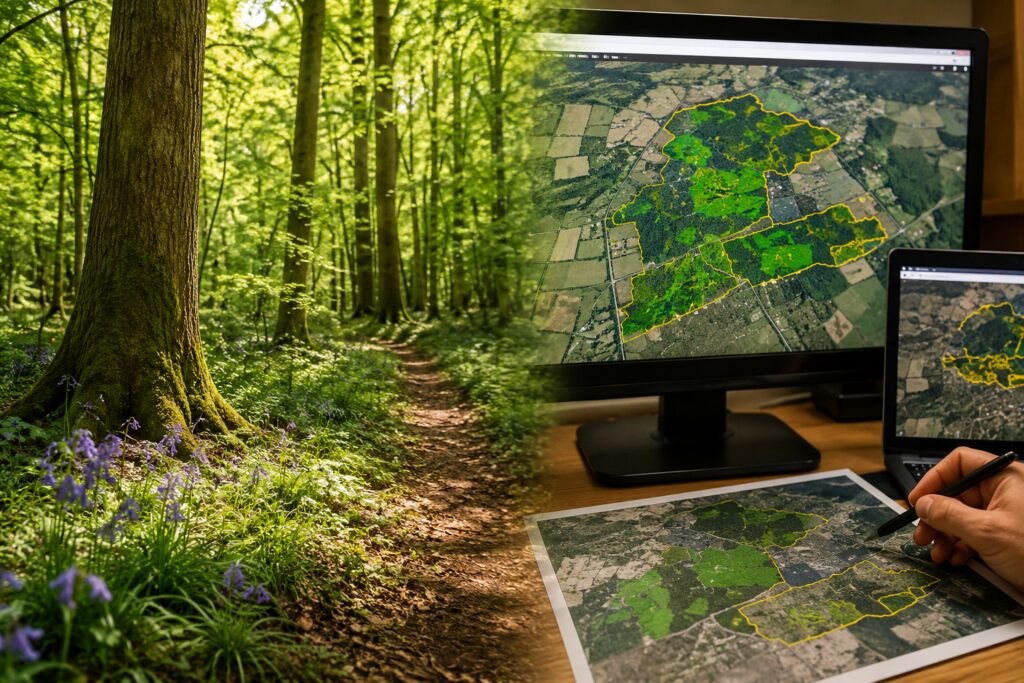
In Hertfordshire, improved digital mapping has identified around 50% more documented ancient woodland sites than older records showed. That means more rare habitats, old trees, wildflowers, fungi, insects, and wildlife can now receive the attention they deserve.
For me, this story feels hopeful. It reminds us that nature is not only something we are losing.
Sometimes, when we look carefully enough, we discover what is still here and still worth protecting.
What Makes Ancient Woodland So Special?
Ancient woodland is not just a group of old trees. It is a living record of centuries.
Because these woods have remained continuously wooded since at least 1600, their soil, plants, fungi, insects, birds, and mammals have had time to form something deeply layered and difficult to replace.
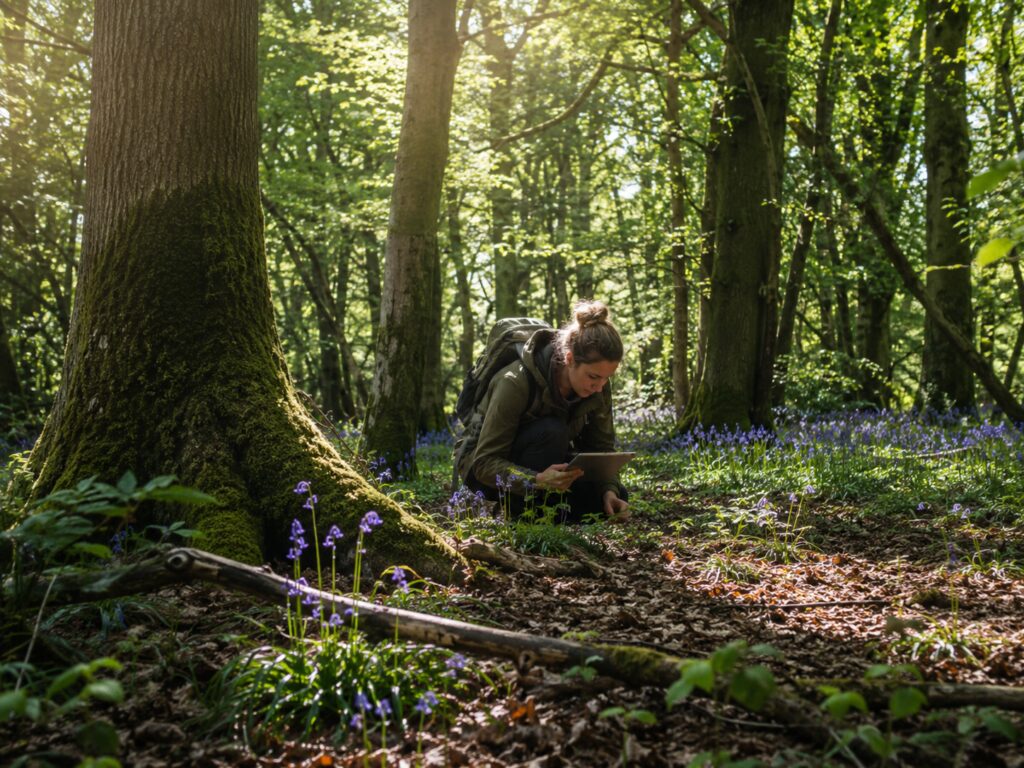
I think of them as living libraries. Bluebells, wood anemones, Herb Paris, and other slow-spreading species can reveal a long history hidden beneath the canopy.
That is why Hertfordshire’s ancient woods matter so much. They are not only beautiful places to visit. They are rare habitats carrying stories that took hundreds of years to grow.
Why Better Mapping Changes Everything?
A woodland that is missing from the map is easier to overlook.
That is why this Hertfordshire survey matters. Better digital mapping, smaller woodland records, and new recognition of ancient pasture and parkland have created a clearer picture of what still survives.
Ancient woodland cannot be replaced quickly. New trees can be planted, but centuries of soil life, fungi networks, seed banks, and wildlife relationships take time that cannot be rushed.
For me, this is more than better data. It is a stronger chance to protect places that were valuable long before we noticed them.
The People Behind the Discovery
This project worked because it did not rely on maps alone.
Digital tools helped reveal the bigger picture, but the real strength came from people who know the land: ecologists, volunteers, historians, and local residents. Their surveys, records, and memories helped identify woodland details that technology could easily miss.
That is what makes this story powerful to me.
Conservation is strongest when science and community knowledge work together.
A volunteer recording wildflowers or someone sharing local history may seem like a small contribution, but those details can help protect ancient woodland for generations.
Ancient Woodlands are Home to Rare Species
Ancient woodland is where biodiversity has had centuries to build its quiet complexity.
In Hertfordshire, these habitats support bluebells, Herb Paris, barbastelle bats, marsh tits, and countless smaller species that depend on old trees, deadwood, shaded soil, and layered vegetation.
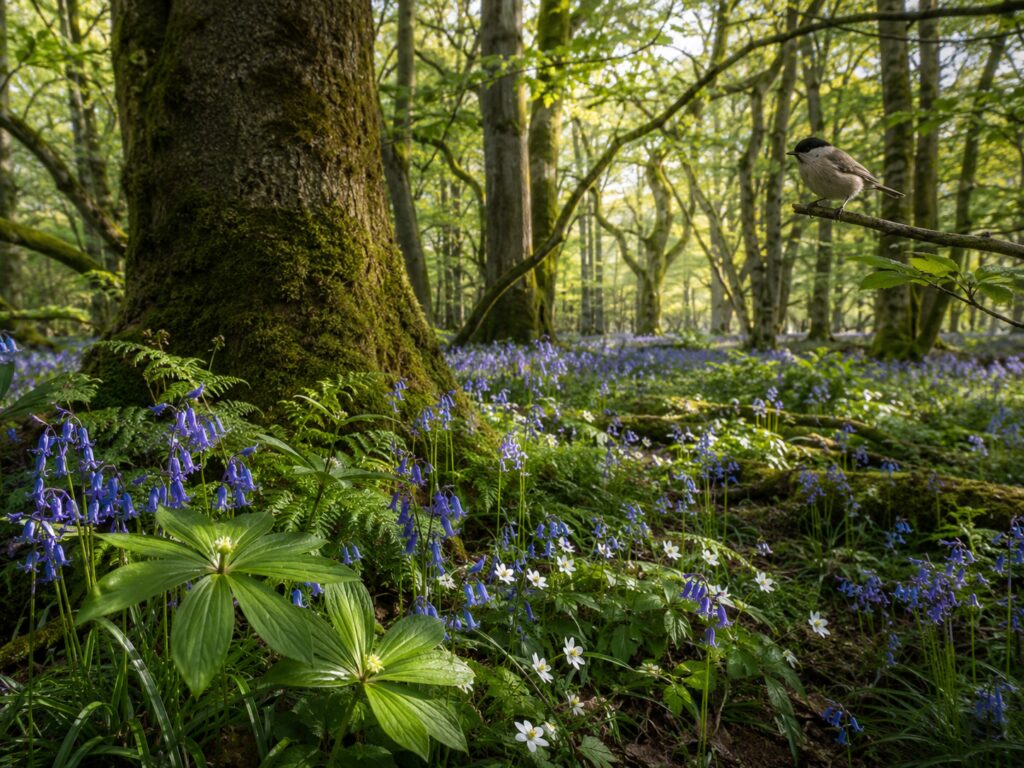
A spring carpet of bluebells may look magical, but it also hints at a long woodland history.
Herb Paris tells a similar story, growing as a rare and distinctive sign of ancient habitat.
That is why these woods matter. They are not just beautiful green spaces. They are living homes for species that cannot simply move somewhere else.
Why Ancient Woodlands Matter for Climate Change?
Ancient woodland is not only beautiful. It is quietly helping the climate.
The trees store carbon, but so do the roots, soil, fungi, and long-established life beneath them. That is why protecting old woodland matters as much as planting new trees.
These places have spent centuries building resilience. They cool the land, hold moisture, shelter wildlife, and connect nature across the wider landscape.
For me, climate action is not always loud or high-tech.
Sometimes, it means protecting the old woods that have been working for us long before we noticed.
Connecting Woodlands for a Stronger Future
Ancient woodland becomes even more powerful when it is not left standing alone.
The updated Hertfordshire inventory can help protect old woods, expand them, and connect them with the wider landscape. That matters because many habitats have been broken into small, isolated pockets, making it harder for wildlife to move, feed, breed, and adapt.
Hedgerows, tree lines, grasslands, and restored riverbanks can become natural bridges between these spaces.
For me, that is the hopeful part.
We may not be able to undo every loss, but we can reconnect what remains and give nature a better chance to recover.
Simple Ways We Can Support Woodland Protection
You do not need to be a woodland expert to help protect ancient woodland. You only need to notice it differently.
When I understand that these places are rare and irreplaceable, I walk more carefully.
I stay on paths, avoid trampling delicate plants, and never pick or dig up wildflowers like bluebells.
Supporting local wildlife trusts, joining surveys, reporting sightings, or simply learning the names of nearby plants and birds can also make a difference.
The more people recognize the value of ancient woodland, the harder it becomes for these quiet, historic places to be ignored.