I think wetlands are one of the most underrated parts of our natural world. At first glance, they may look like simple areas filled with water and plants, but they quietly protect us in ways we often do not notice.
They help reduce flooding, clean our water, support wildlife, and create healthier environments for communities. That is why the possibility of losing federal protections for many U.S. wetlands concerns me.
What stands out to me is that wetlands are not just empty land. They are living systems that do important work every day.
Once they are damaged or destroyed, replacing what they provide may not be easy.
Why Wetlands Matter More Than Most People Realize?
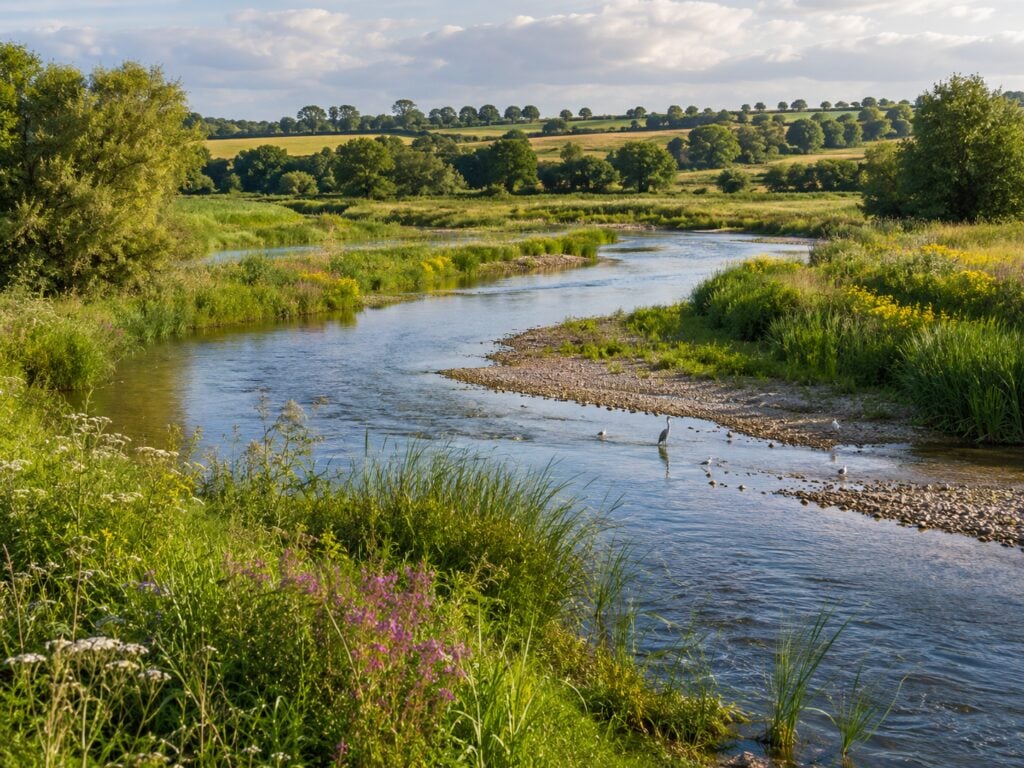
Wetlands are often misunderstood because they do not always look dramatic. They may be marshes, swamps, seasonal ponds, or areas where water collects during certain times of the year.
However, their quiet appearance hides an incredible amount of ecological importance.
One of the biggest benefits of wetlands is their ability to filter water naturally.
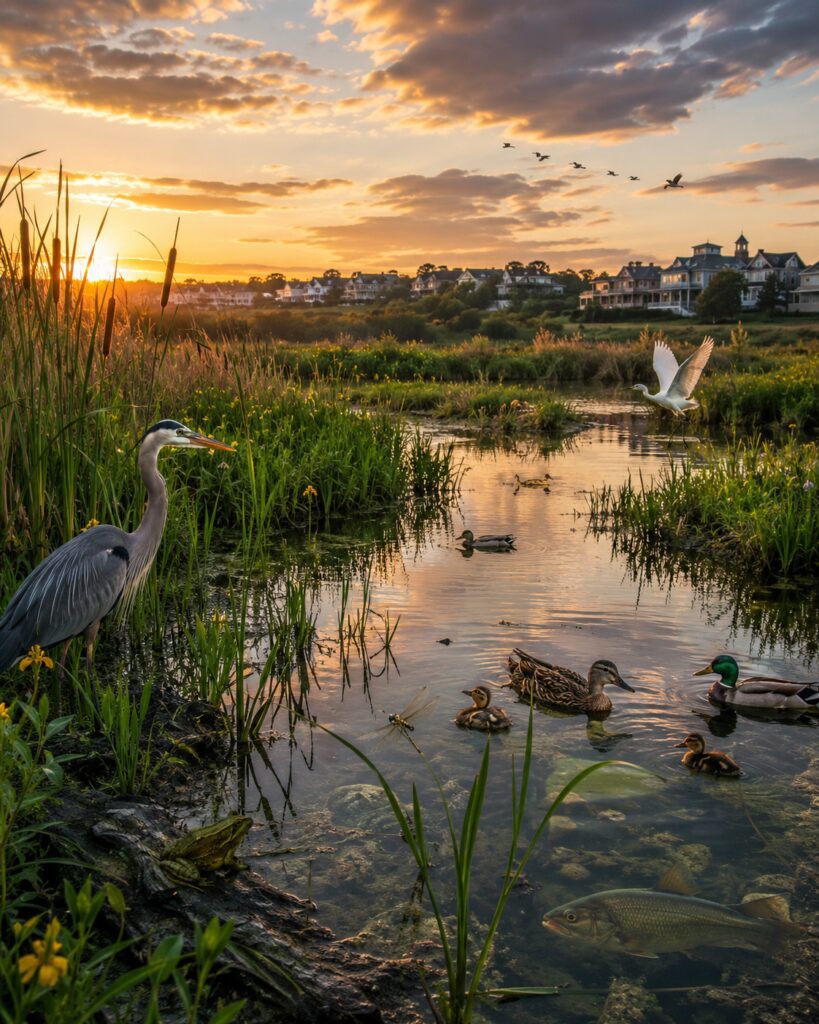
Wetland plants and soils trap pollutants, sediments, and excess nutrients before they reach rivers, lakes, and drinking water sources In many ways, wetlands work like natural water treatment systems.
They also help reduce flooding.
During heavy storms, wetlands can absorb and store large amounts of water, slowing the speed at which floods spread into nearby communities.
Without wetlands, rainwater moves faster across landscapes, increasing pressure on drainage systems, rivers, and neighborhoods. I think this is one of the reasons wetland protection matters even to people who never visit these areas.
A wetland far away can still influence the quality of water, safety from flooding, and health of ecosystems in another community. These areas are not isolated pieces of land. They are connected parts of a much larger environmental system.
A Proposed Change Could Remove Protection From Millions of Acres
The concern comes from a proposed change to the definition of “waters of the United States” under the Clean Water Act.
Under previous interpretations, many wetlands and smaller waterways received federal protection because they played important roles in larger water systems. The new approach would focus protection mainly on waters with a continuous connection to larger rivers, lakes, or other permanent water bodies.
This means many seasonal wetlands and temporary streams could lose federal oversight.
The problem is that these smaller waterways may not look important at first glance, but they often act as the foundation of larger ecosystems.
A stream that only flows after heavy rain can still transport nutrients, recharge groundwater, and support wildlife. A seasonal wetland can still provide essential habitat during important parts of an animal’s life cycle.
Scientists often describe these smaller water systems as the “veins” of larger ecosystems because they connect landscapes together.
Removing protection from these areas could create long-term consequences that are difficult to reverse.
Communities Could Face Higher Risks From Pollution and Flooding
Environmental changes often feel distant until they affect everyday life. However, weakening wetland protections could create direct impacts for communities across America.
One major concern is water quality. When wetlands lose protection, pollution from agriculture, construction, industry, and development can move more easily into waterways.
Contaminants can travel downstream and eventually affect drinking water sources.
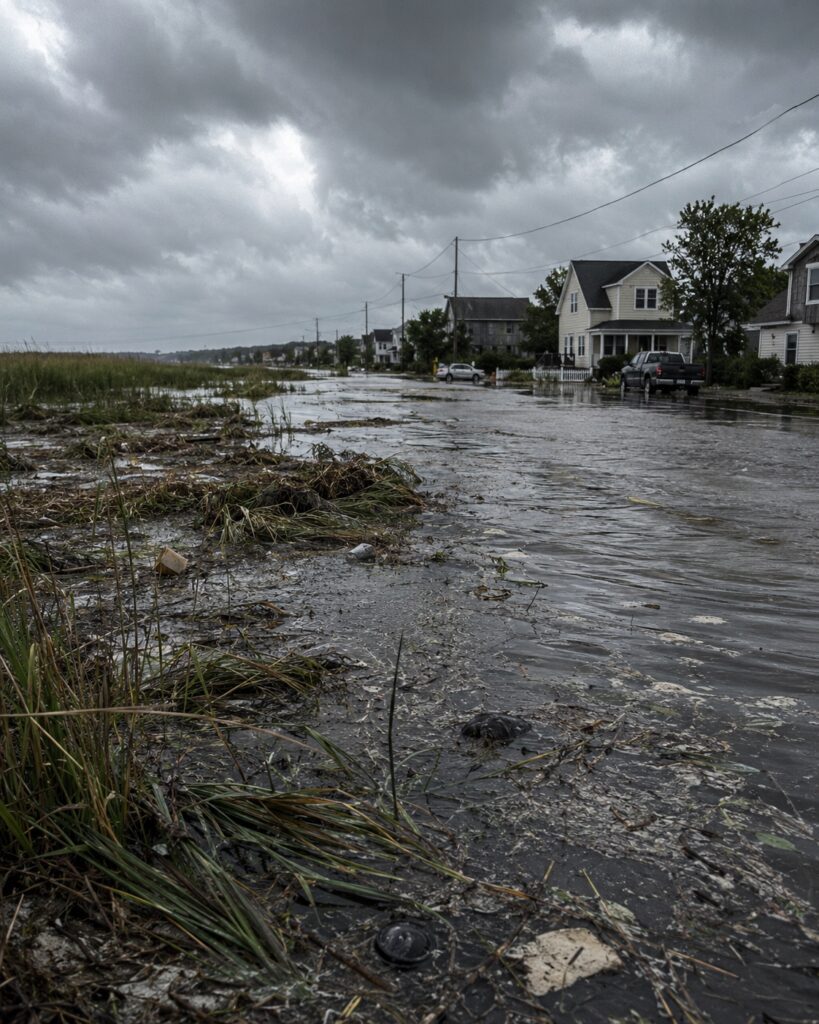
Cleaning polluted water is expensive. When natural filtration systems disappear, communities may need to spend more money building and maintaining artificial treatment systems.
Flooding is another serious concern.
Wetlands naturally slow and absorb stormwater. When they are removed or damaged, heavy rainfall can create stronger flood events that threaten homes, roads, and local infrastructure.
The financial cost of flooding often falls on taxpayers through repairs, emergency response, and rebuilding efforts. For me, this highlights an important point: protecting nature is often cheaper than repairing damage after nature’s protection systems are removed.
Wildlife Could Lose Critical Habitats
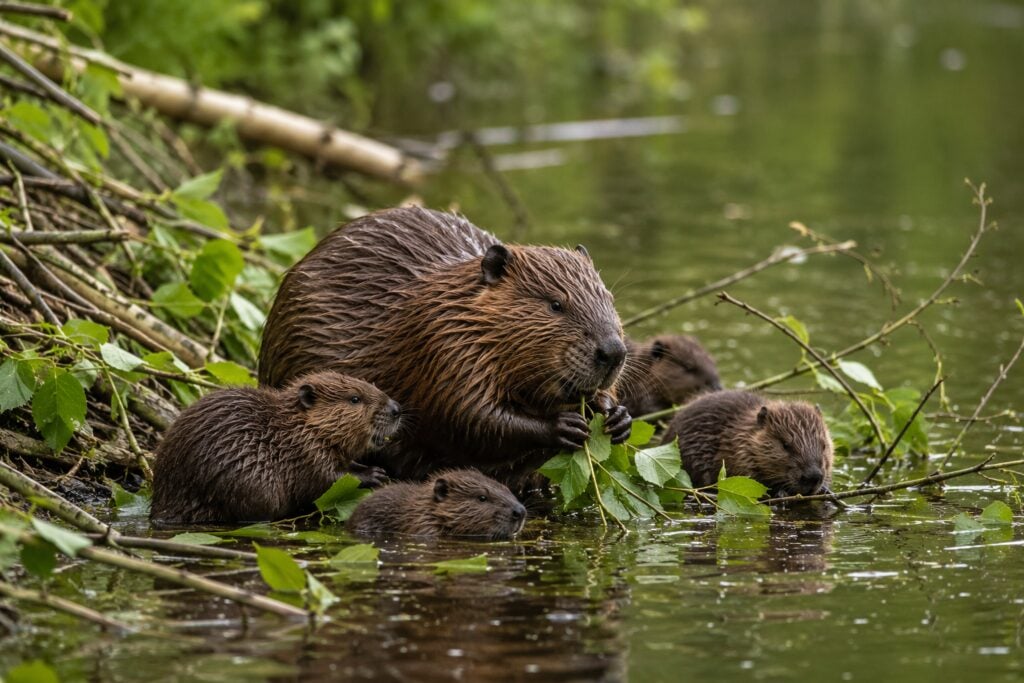
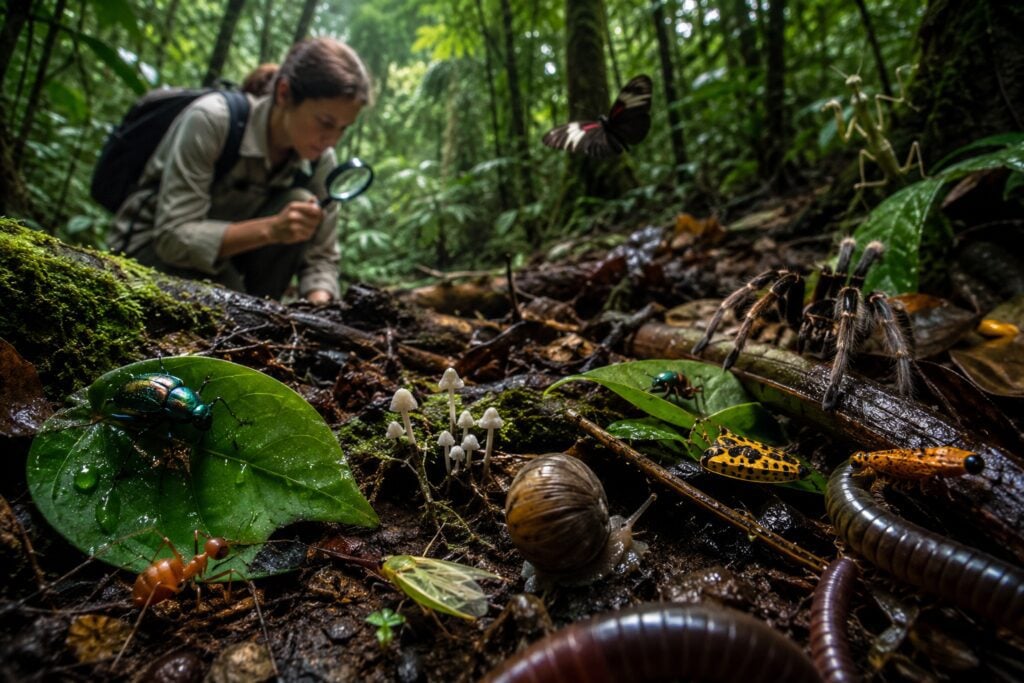
Wetlands are also some of the most important habitats for wildlife. They provide breeding areas, feeding grounds, and shelter for countless species, including birds, fish, amphibians, insects, and mammals.
Many endangered and threatened species depend on wetlands and seasonal waterways to survive. When these habitats disappear, animals lose more than just a place to live.
They lose access to food sources, migration routes, and safe areas to reproduce.
Wildlife populations are already facing pressure from habitat loss, climate change, pollution, and human development. Removing additional protections could make recovery even harder for vulnerable species.
I believe one of the biggest mistakes humans make is seeing land only through its economic value.
A wetland may not immediately generate income like a building project or industrial site, but its benefits are much larger.
It supports biodiversity, protects water supplies, and strengthens communities. Nature provides services that we often only notice after they are gone.
Why Strong Environmental Protection Benefits Everyone?
Some people worry that environmental regulations create challenges for farmers, landowners, and developers. Responsible development is important, and communities need balanced solutions.
However, protecting wetlands does not mean stopping all growth.
The goal should be creating a system where development happens responsibly while important natural protections remain in place.
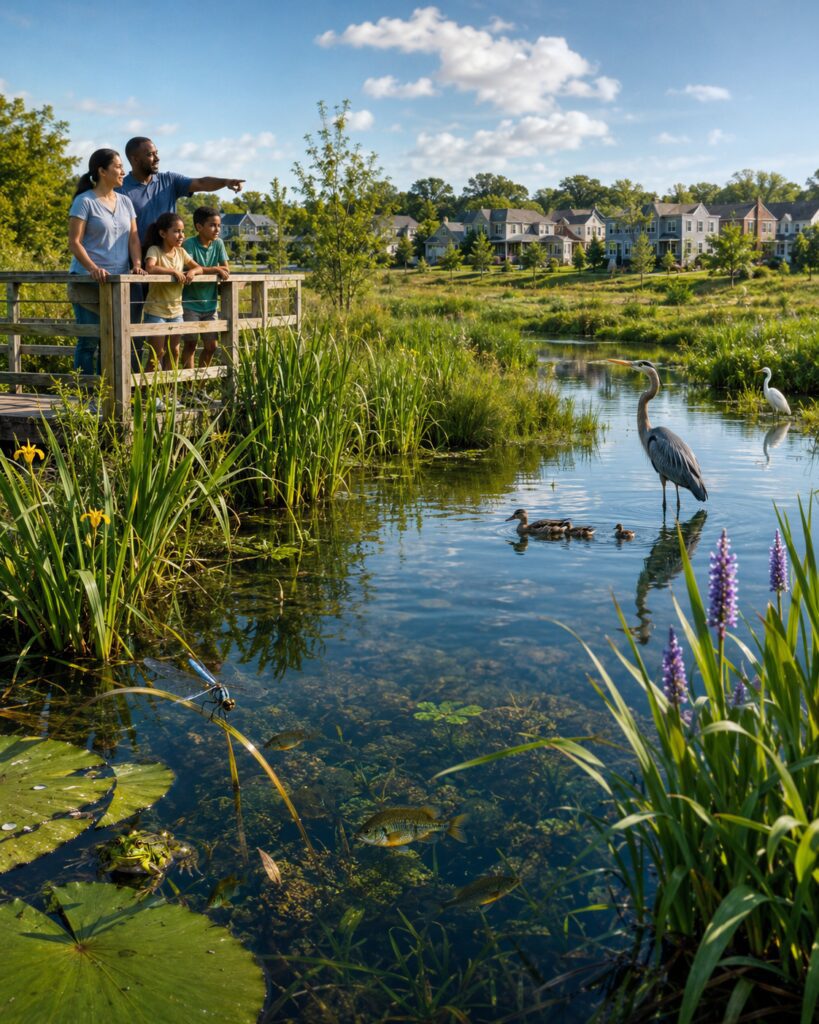
Clear rules can actually help communities plan better. The problem occurs when regulations become so weak that environmental damage becomes easier and the costs are transferred to the public.
Clean water, flood protection, and healthy ecosystems benefit everyone, including businesses and local economies.
A strong environment creates stronger communities.
What Individuals Can Do to Protect Wetlands?
Large environmental decisions are often made by governments, but individuals still have an important role. One simple action is learning about local wetlands and waterways.
Many people do not realize how close these ecosystems are or how much they contribute to their communities.
Reducing pollution at home can also help. Properly disposing of chemicals, reducing plastic waste, limiting fertilizer use, and preventing trash from entering storm drains can protect local water systems.
Supporting conservation organizations, participating in local clean-up events, and encouraging responsible environmental policies are other ways to make a difference.
Even small actions matter because environmental protection is built through millions of choices. I also believe education is one of the most powerful tools. When more people understand why wetlands matter, it becomes easier to protect them.
Protecting Wetlands Means Protecting Our Future
The debate over wetland protections is about much more than land regulations. It is about deciding what kind of future we want to create. Wetlands protect drinking water, reduce flooding, support wildlife, and strengthen ecosystems.
Losing these natural systems could create problems that affect communities for generations.
For me, the lesson is simple: nature’s protections are often invisible until they disappear. A wetland may look like a quiet patch of land, but beneath the surface it is working every day to protect people and wildlife.
Once these ecosystems are damaged, bringing them back is incredibly difficult. That is why protecting them before they are lost is one of the smartest choices we can make.
A healthier future depends on recognizing that nature is not separate from human life. We are connected to the rivers, wetlands, forests, and ecosystems that surround us.
Protecting wetlands today means protecting cleaner water, safer communities, and a more sustainable future for everyone.