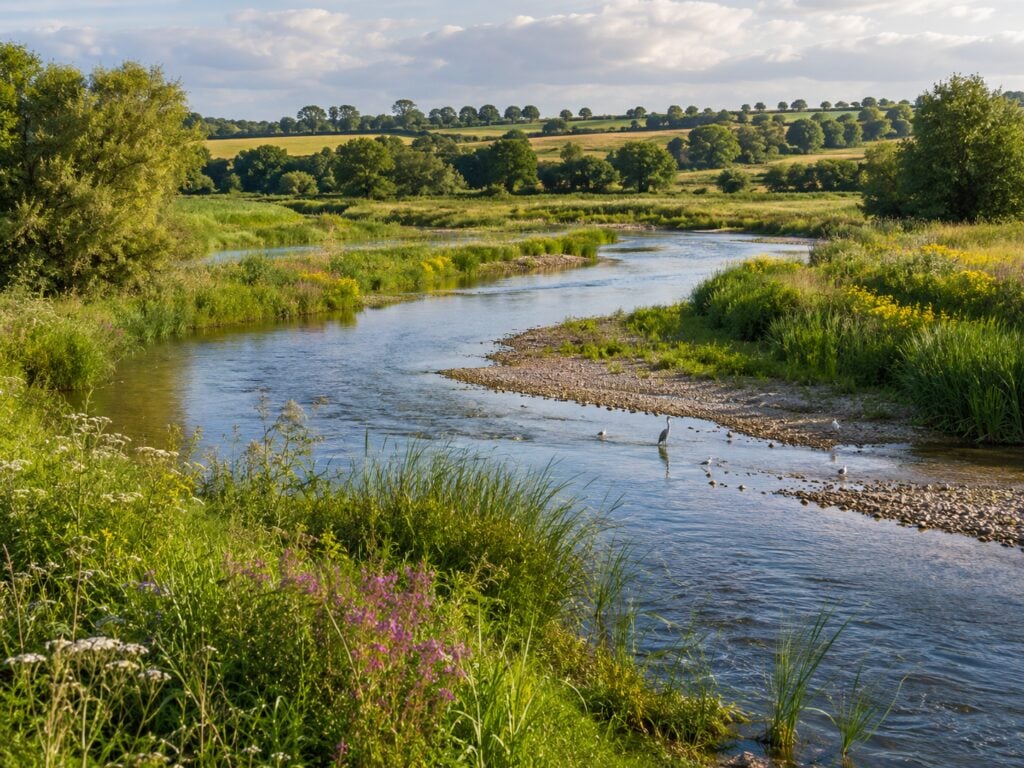
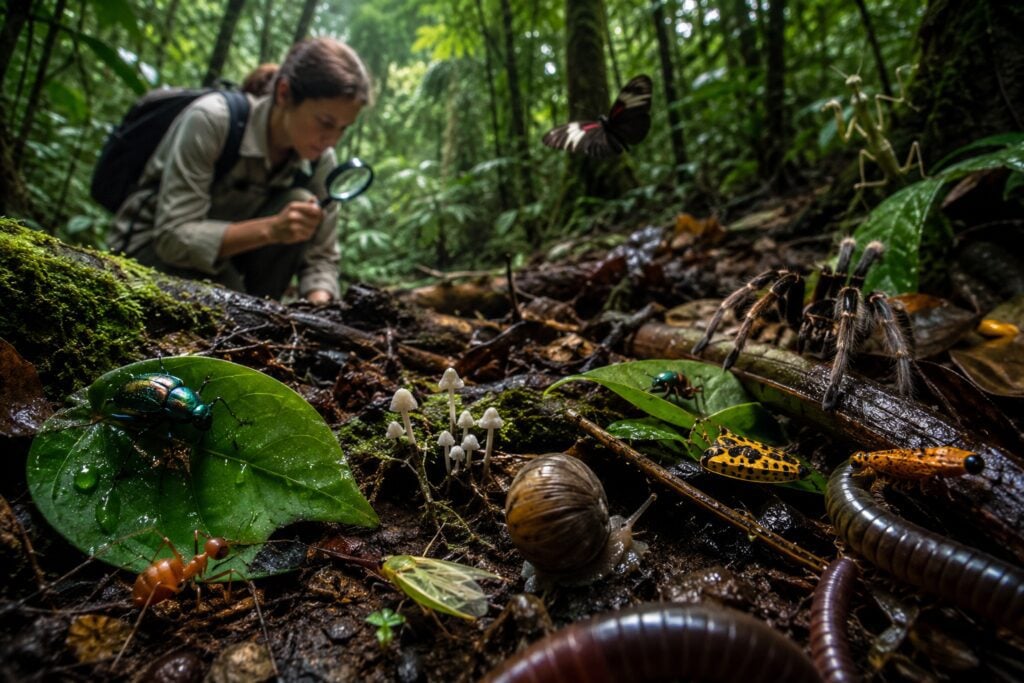
A forest can be counted in logs, but that is never the full value of what stands there.
When I look at ancient native forest, I see wildlife habitat, stored carbon, clean water, cultural history, and ecosystems built over centuries. That is why Professor David Lindenmayer’s change of view carries so much weight.
After more than 40 years studying Australian forests, he says the evidence changed his mind. He once believed native logging could be sustainable. Now, concerns about biodiversity, bushfire risk, climate impacts, and economics point him elsewhere.
For me, the question is not whether we still need timber. We do. The real question is whether irreplaceable native forests should keep carrying the long-term cost of producing it.
Sustainability Means More Than Replanting Trees
A forest can grow back without truly becoming the same forest again.
Young trees may replace harvested ones, but old habitat, carbon stores, wildlife, and ecological complexity can take centuries to rebuild. That is why I think sustainability must mean more than keeping timber harvests below regrowth estimates.
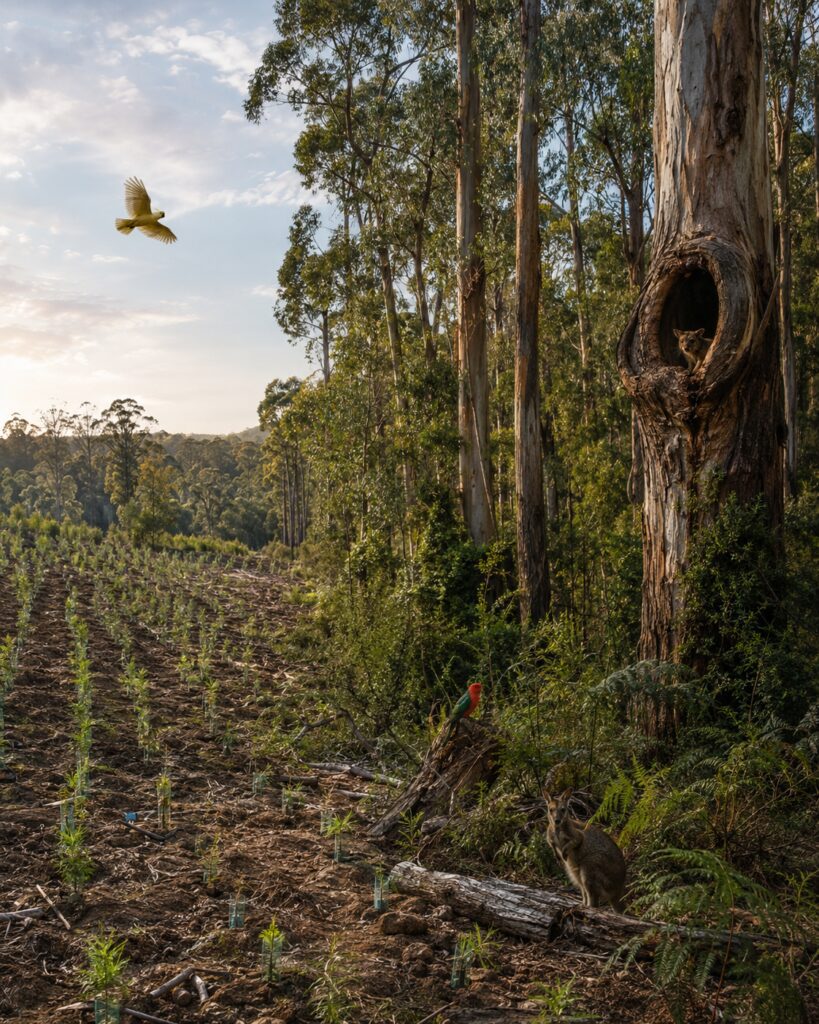
Government figures may show logging remains within calculated yield limits, but Professor David Lindenmayer argues that the bigger picture also matters: biodiversity, ecosystem health, carbon, environmental risk, and long-term economic viability.
For me, counting trees is only the beginning. The real question is whether the whole forest is still able to function, recover, and support life.
The Economics of Native Forest Logging are Under Pressure
A forest industry can keep cutting trees and still be struggling to survive.
That is why the economics matter. Professor David Lindenmayer argues that native forest logging has relied heavily on public funding while facing rising costs, shrinking timber supply, fire damage, and tighter environmental requirements.
The production trend also points downward.
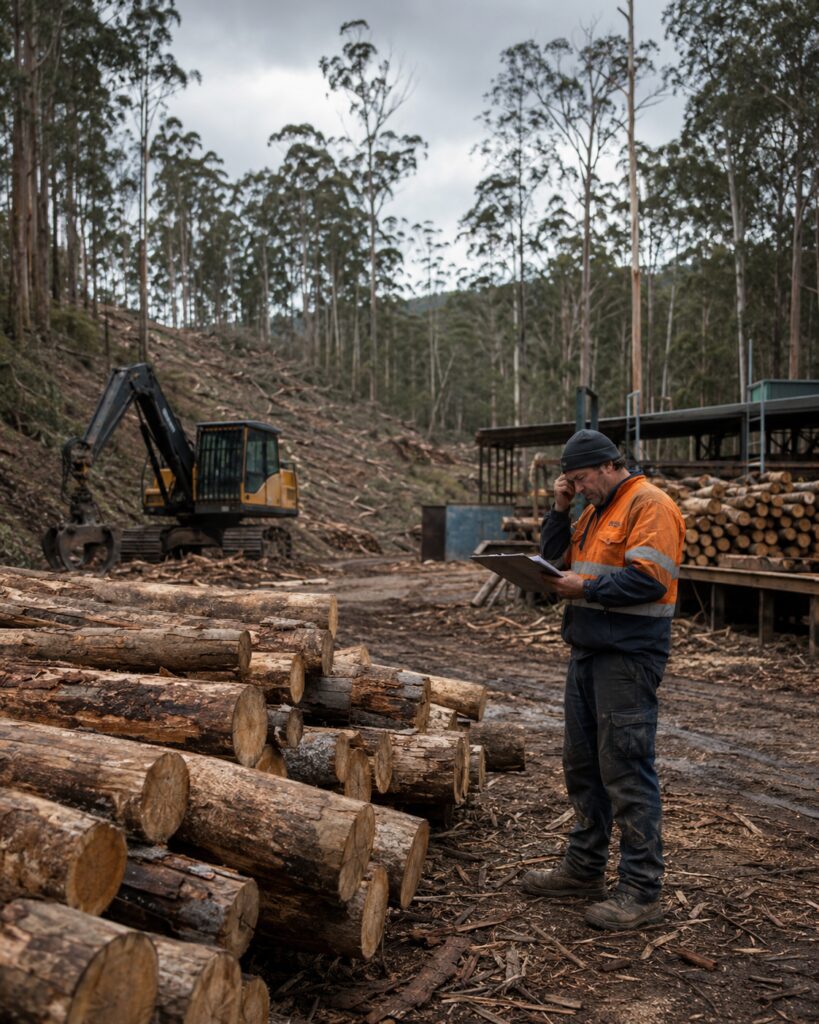
Native hardwood harvesting fell sharply in 2022–23, while plantations already supplied most of Australia’s sawlogs.
Plantations may not replace every native hardwood product, but the direction raises a difficult question for me: should more investment go into improving renewable timber systems instead of continuing to depend on forests that take generations to recover?
Sustainability is not only about whether trees grow back.
It is also about whether the industry can stand on its own without creating larger economic and environmental costs.
Logging May Change How Some Forests Burn
A forest can lose trees and still become more vulnerable to fire.
Logging is sometimes described as a way to reduce bushfire risk, but the reality is more complicated. After harvesting, forests may become younger, denser, drier, and more exposed to heat and wind.
Leftover debris can also change how fuel builds near the ground.
Research suggests some logged native forests may face greater fire risk for decades, although fire behaviour still depends on drought, weather, vegetation, and local conditions.
That does not mean every logged forest will burn, or that all fuel reduction is ineffective. Carefully planned treatments near homes are very different from large-scale timber harvesting.
For me, the lesson is simple: removing trees should not automatically be called fire prevention. What happens to the forest afterward matters just as much.
Old Trees Cannot Be Quickly Replaced
You can plant another tree. You cannot plant another 200 years.
Large, old trees hold more than timber. Their hollows become homes for birds, possums, gliders, bats, and other wildlife, yet those spaces can take more than a century to form.
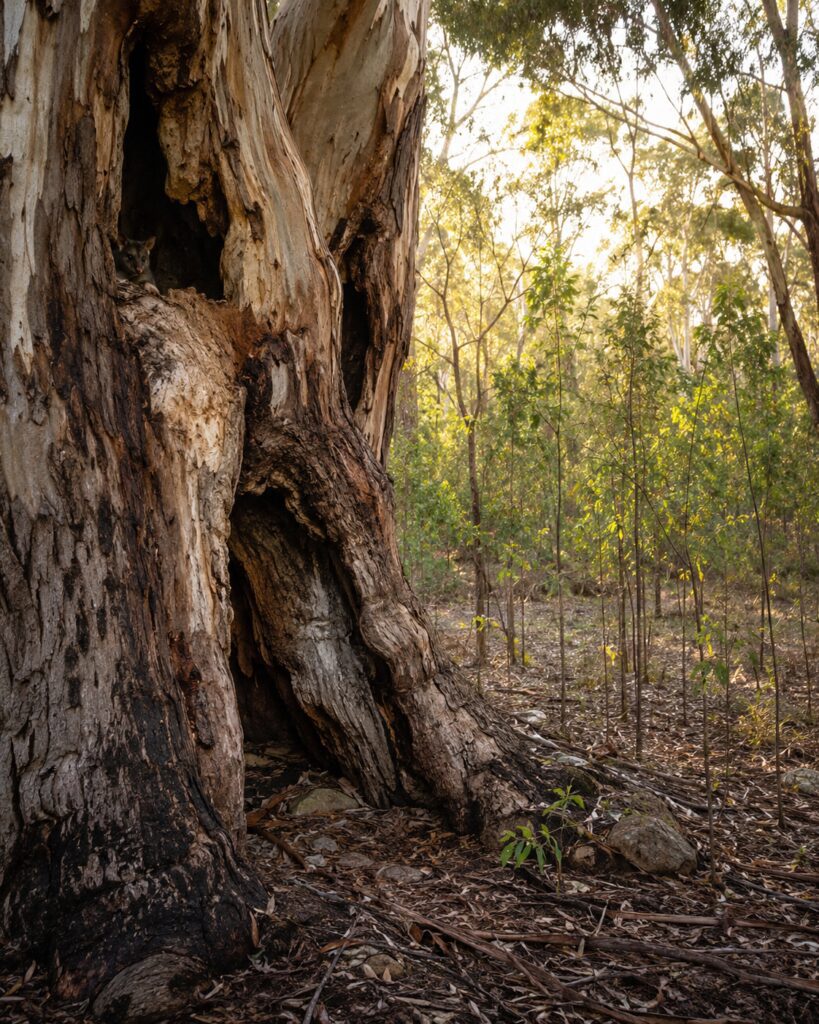
Research in Victoria’s mountain ash forests has linked the loss of hollow-bearing trees with declines in tree-dwelling mammals. Even when a logged forest turns green again, some of its most important habitat may still be missing.
When I look at an ancient tree, I do not only see its size. I think about the generations of wildlife that may have depended on it, and how long nature would need to build that home again.
Logging Areas Can Overlap with Threatened Species Habitat
A forest does not have to disappear completely for wildlife to lose its home.
In Victoria, a 2025 study found that 99% of areas previously approved for logging overlapped with habitat for at least one nationally threatened species.
On average, each area contained potential habitat for eight listed species.
The impact is not only about removing trees. Roads, cleared land, and repeated disturbance can break connected forests into smaller pieces, making it harder for wildlife to move, feed, breed, and stay protected.
That is why I no longer see a forest as a collection of separate trees. It is one living network, and damage in one section can reach far beyond the logging boundary.
Native Forests are Also Important Carbon Stores
A forest can keep carbon locked away for centuries, but once it is logged, that storage begins to change.
Some harvested wood becomes long-lasting building material, but much of it ends up as paper, woodchips, waste, or short-lived products. Carbon is also released through harvesting, transport, processing, decomposition, and burning.
That is why protecting high-carbon native forests can sometimes store more carbon than continuing to harvest them, even when wood products are included.
For me, the answer is not to stop using timber.
It is to grow more of it in well-managed plantations while allowing old native forests to keep doing what they already do best: storing carbon and supporting life.
Plantations Could Become a Larger Part of the Solution
Protecting native forests only works if we are honest about where future timber will come from.
Australia will need more structural wood as housing demand grows, so moving away from native logging requires investment, stronger plantation planning, and real support for workers and regional communities.
Plantations can produce timber more quickly and predictably, helping reduce pressure on forests rich in wildlife, carbon, water, and cultural value. But they are not a perfect substitute.
They still need land, water, careful management, and responsible harvesting.
For me, the goal is not to replace native forests with endless plantations. It is to grow timber where production makes sense while protecting ecosystems that cannot simply be planted again.
How I Can Make More Responsible Timber Choices?
A wooden product can look natural and still carry a complicated environmental story.
That is why I try to look beyond the finished table, floor, or deck and ask where the timber came from. Plantation-grown, reclaimed, recycled, or responsibly certified wood can be a better choice when the sourcing is clear.
I also value durability. A well-made piece that lasts for decades may use resources more wisely than cheap furniture replaced every few years.
For me, “made from wood” is not the same as “sustainable.” The real story depends on the forest, the way it was managed, how long the product lasts, and what happens when it is no longer needed.