A tiger recovery this large is not just a conservation win. It is proof that decline does not always have to be permanent.
India’s tiger population grew from about 1,706 in 2010 to roughly 3,682 in 2022, making the country home to around 75% of the world’s wild tigers.
What makes that remarkable to me is that this recovery happened across landscapes shared with millions of people. Tigers are surviving not in isolation, but alongside farms, roads, villages, and growing communities.
The lesson feels powerful: protecting wildlife does not always mean separating people from nature. Sometimes, it means creating enough space, safety, and cooperation for both to survive.
A Recovery That Took Years of Consistent Work
A tiger population does not recover because people protect tigers alone. It recovers when the entire landscape begins working again.
India’s progress came from years of reducing poaching, protecting habitat, monitoring wildlife, supporting prey populations, and working with communities living near tiger territory.
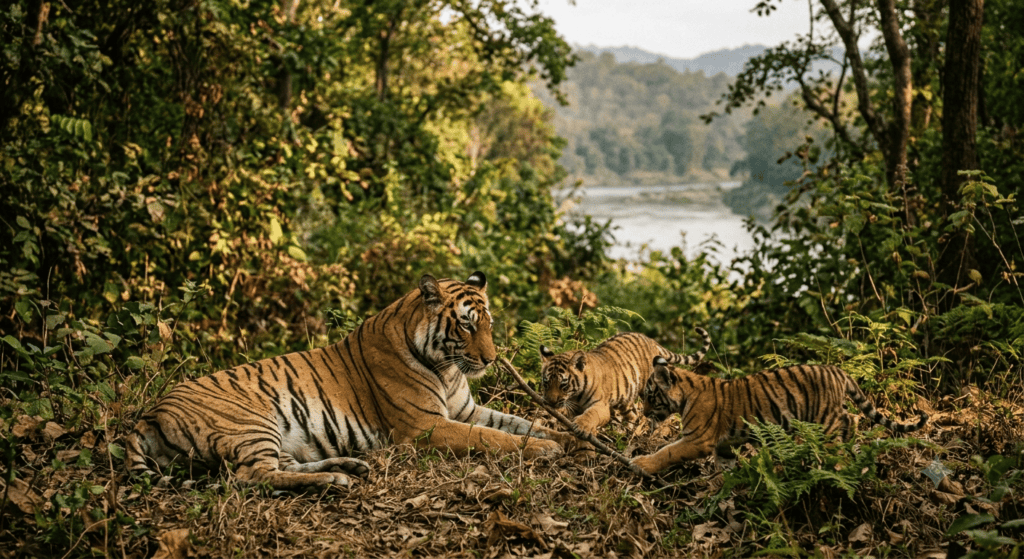
That wider effort matters because a tiger needs more than safety. It needs forests, water, space to breed, enough prey, and people willing to protect the landscape around it.
To me, conservation is like repairing a house.
Saving one room is not enough if the foundation is failing. India’s success shows what becomes possible when the whole ecosystem, including the people who share it, is part of the solution.
Protecting Tigers Means Protecting Their Homes
A tiger does not stop at the edge of a protected area simply because a map says it should.
Tigers travel long distances for food, water, territory, and mates. When forests are divided by roads, farms, cities, or development, populations can become isolated even when hunting is banned.
That is why reserves need connections. Wildlife corridors allow tigers to move between habitats and help maintain healthier breeding populations.
What stays with me is how differently wildlife sees a landscape. We see borders and property lines. A tiger sees one connected path through forests, rivers, villages, and open land.
When I follow conservation progress, I look beyond population numbers. More tigers are encouraging, but protected and connected habitats are what give recovery a future.
Local Communities Became Part of the Solution
A tiger may be protected by law, but coexistence is often decided in the communities living closest to it.
For local families, tigers are not distant symbols. They can mean lost livestock, safety concerns, and difficult limits on land use. Conservation becomes much harder when those costs are ignored.
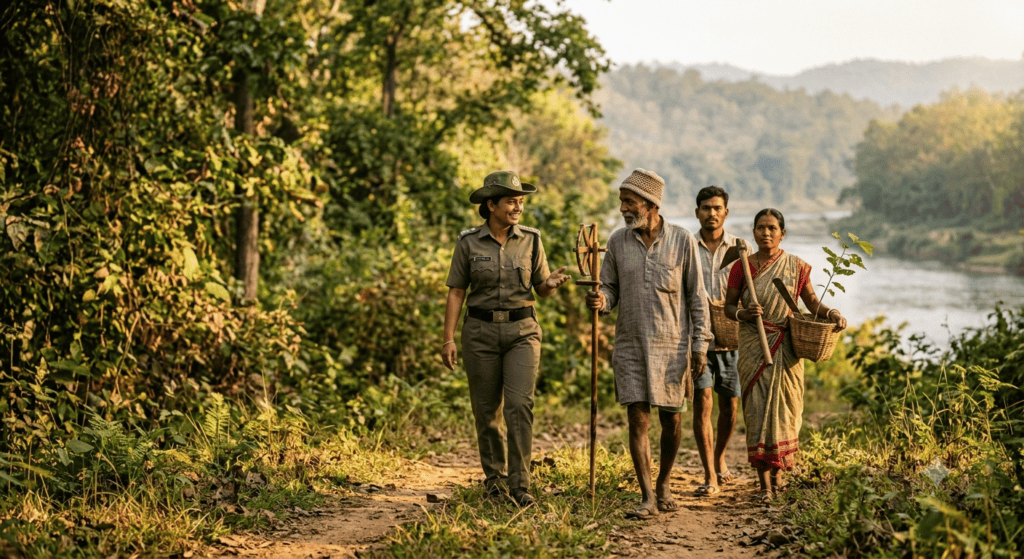
That is why practical support matters. Fair compensation, local jobs, education, responsible tourism, and community involvement can turn wildlife protection from a burden into a shared opportunity.
India’s progress shows that people and predators can sometimes share the same landscape, but cooperation does not happen automatically.
For me, the strongest conservation treats local people as partners, not obstacles. Their knowledge of forests, wildlife movement, and seasonal change may be just as valuable as the science guiding the project.
Why Tigers Matter Beyond Their Own Survival?
Follow a tiger’s footprint through the forest, and you may find an entire ecosystem being protected behind it.
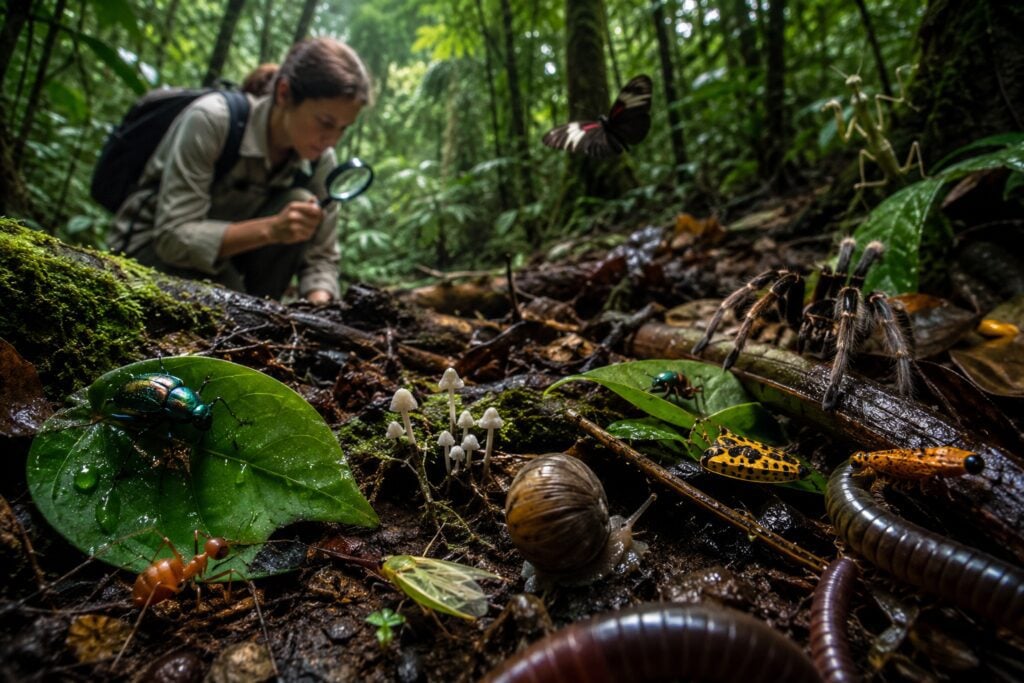
Because tigers need vast, healthy territories, protecting them can also protect forests, rivers, deer, birds, insects, plants, and countless species sharing the same landscape.
That is why I see tigers as more than endangered predators. They are umbrella species. When their habitat is protected, entire ecosystems can benefit.
Healthy forests may also store carbon, protect water, reduce erosion, and support nearby communities.
For me, tiger conservation is never only about saving one powerful animal. It is about protecting the web of life that survives around it.
What India’s Success Does Not Mean?
A growing tiger population is a victory, but it also creates a bigger responsibility.
As more tigers move beyond protected areas, they face roads, shrinking habitats, poaching, fewer prey animals, and increasing contact with people. That means conservation cannot stop when the numbers rise.
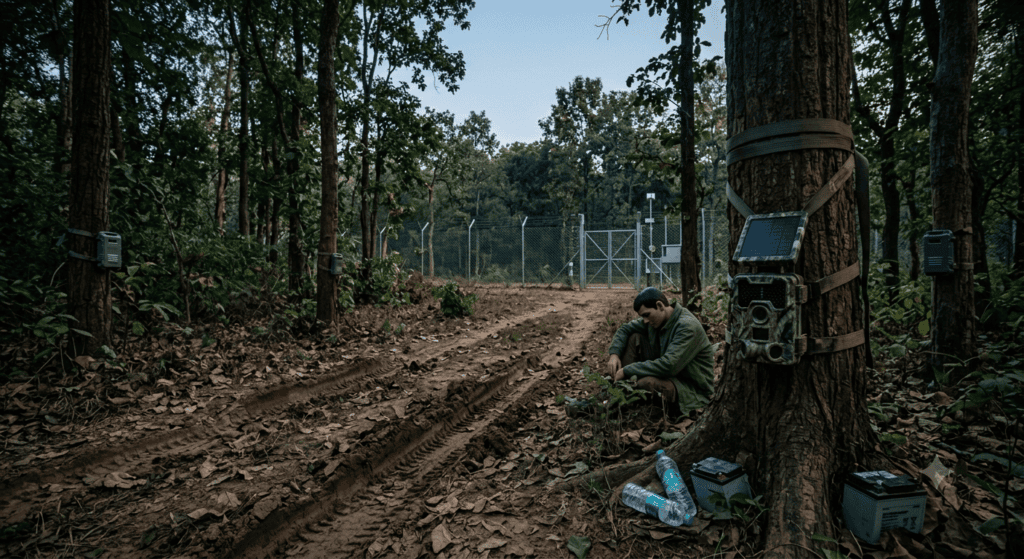
Wildlife corridors must remain connected, communities need faster support during conflicts, and future development must consider how tigers move across the landscape.
For me, India’s success is not the finish line. It is proof that recovery is possible and a reason to protect the conditions that will keep tigers thriving for generations.
What We Can Learn From India’s Tiger Recovery?
Environmental news can make progress feel impossible. Stories about habitat loss, pollution, and declining wildlife often arrive faster than stories of recovery.
That is why India’s conservation success matters to me. It shows that long-term protection, research, community involvement, and consistent action can change the direction of a crisis.
No single group can protect nature alone. Governments create policies, scientists study ecosystems, rangers protect wildlife, and local communities help make conservation work in everyday life.
In my own choices, I try to support responsible wildlife tourism, avoid products linked to habitat destruction, learn how conservation benefits local people, and share success stories supported by real evidence.
Environmental problems deserve attention, but progress deserves to be seen too. Hope is most powerful when it reminds us that steady action can still change what happens next.
Conservation is a Choice We Continue Making
Recovery becomes powerful when it stops being a promise and starts becoming visible.
India’s progress shows what can happen when habitat protection, science, strong laws, local communities, and long-term planning move in the same direction.
The work is not finished, but the results prove that conservation can succeed even in landscapes shared by millions of people.
Tigers still need connected forests, healthy prey, protection from poaching, and cooperation from nearby communities. But their recovery offers something increasingly valuable: evidence that nature can respond when given enough space, patience, and support.
To me, the biggest lesson goes beyond one species. When people protect ecosystems consistently, the benefits can spread through forests, wildlife, communities, and future generations.