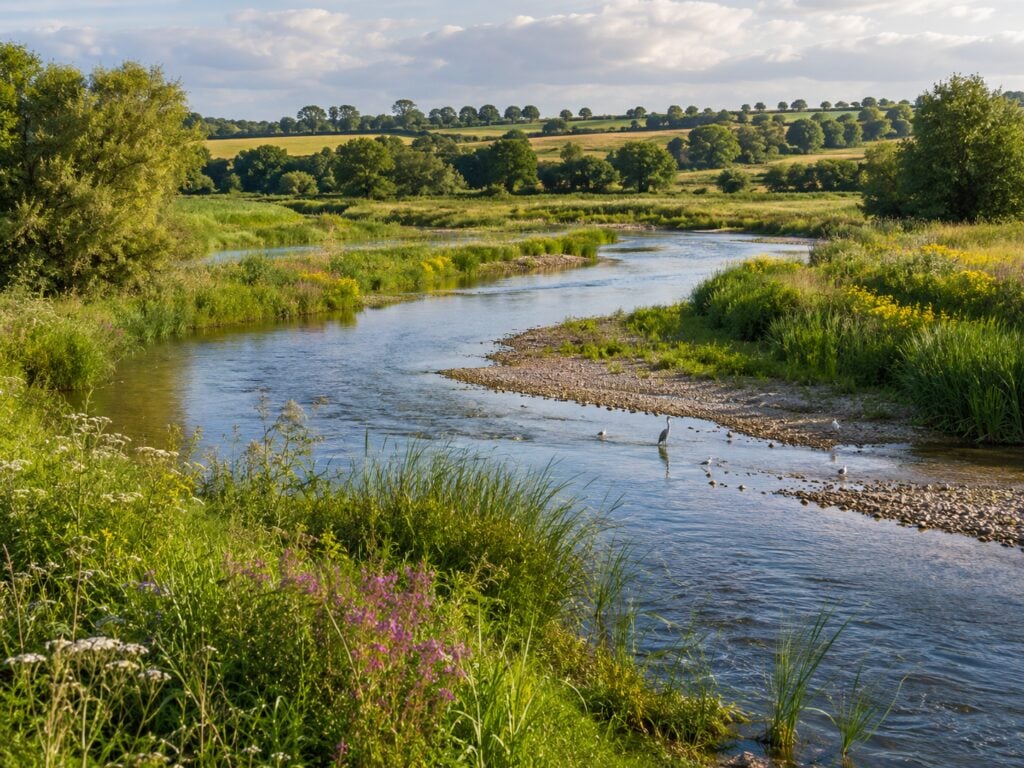
A river should leave ripples, not footprints across a dry bed.
That is what makes the sight of the Rio Grande disappearing into sand in Albuquerque so difficult to ignore. For generations, this river has supported cities, farms, wetlands, wildlife, and communities across the United States and Mexico.
But persistent drought, record-low snowpack, early snowmelt, and rising temperatures have left parts of the river exposed. Fish are becoming trapped in shrinking pools, while water managers face increasingly difficult choices.
What concerns me most is that the crisis began before summer.
Without enough mountain snow feeding the river, the entire system entered the hottest months already under pressure.
To me, the dry riverbed is more than a sign of drought. It is a warning written directly across the landscape.
A River That Supports Life Is Disappearing From View
When a river disappears, the silence spreads far beyond the empty channel.
The Rio Grande supports the bosque, wildlife, farms, communities, and entire food webs along its banks. When the water stops flowing, shallow habitats vanish, isolated pools grow hotter, and fish become trapped with fewer places to hide or feed.
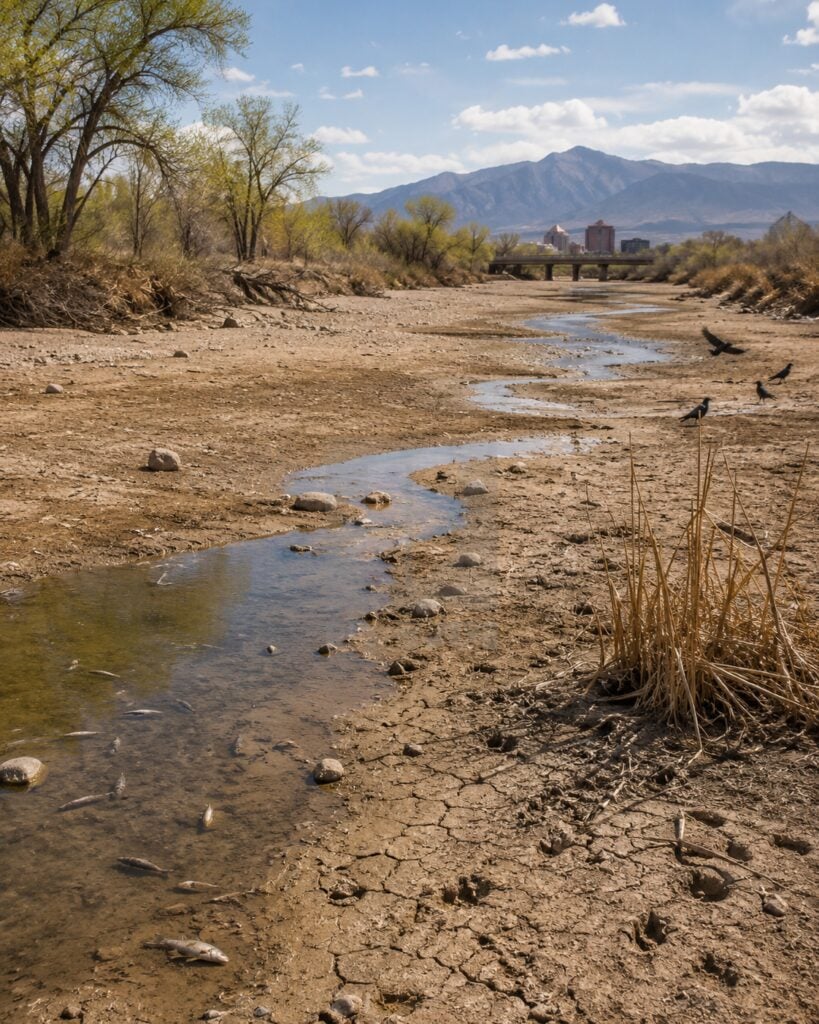
The landscape changes for people too. A river once filled with movement and life can suddenly feel exposed and fragile.
That is what stays with me most. Environmental change is not always distant or difficult to see. Sometimes, it appears as dry sand where a living river should be.
Record-Low Snowpack Left the River With Little Support
The Rio Grande begins long before water reaches the river. It begins as snow stored high in the mountains.
That snow acts like a natural savings account, slowly releasing water through spring and summer. But in 2026, parts of the system entered the season nearly empty.
Snow water levels fell to just 4% of normal in the Rio Chama Basin and 13% in the Rio Grande headwaters, while snow in the Jemez Mountains had already disappeared.
When snow is scarce or melts too early, water arrives before it is needed most. By the hottest months, rivers, ecosystems, farms, and communities are left with far less to rely on.
For me, the lesson is simple: when winter saves less water, summer has much less to spend.
Elephant Butte Reservoir is Reaching Critically Low Levels
A reservoir can store water, but it cannot store what never arrives.
Elephant Butte Reservoir, New Mexico’s largest, has been hovering near just 9% to 10% of capacity. Without strong monsoon rainfall, water managers warned it could fall close to 2% by late August.
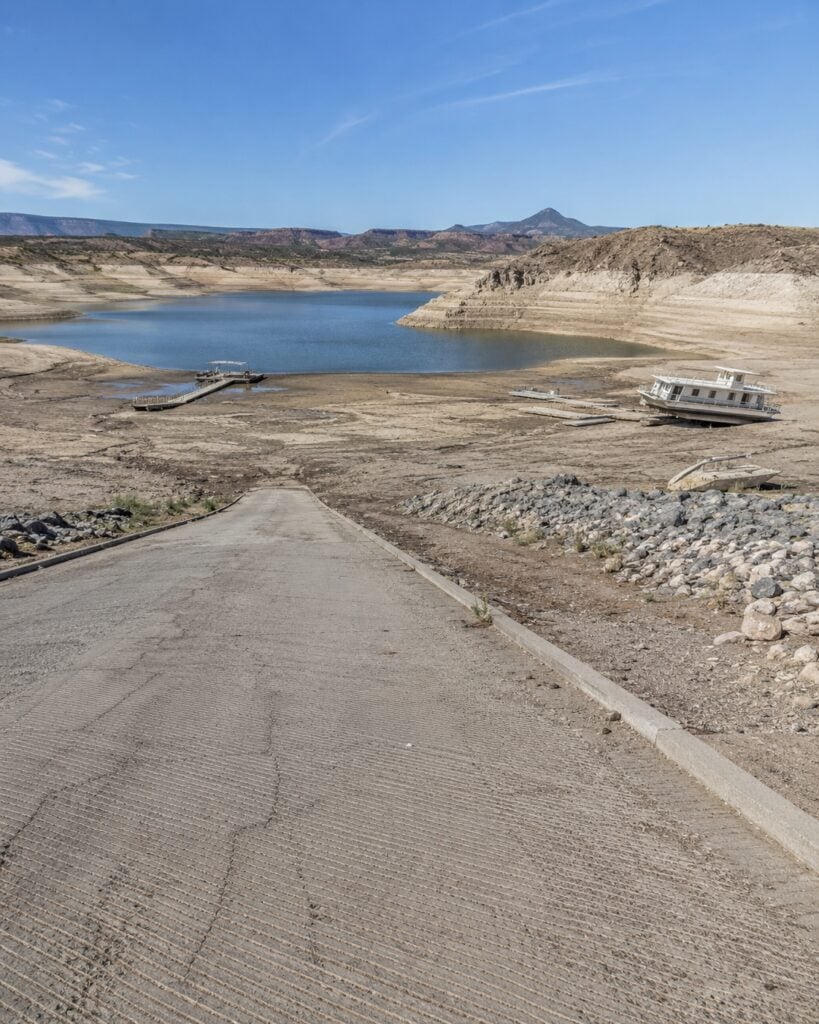
Those numbers mean more than shrinking shorelines. Low storage leaves less flexibility for farms, communities, wildlife, recreation, and the many legal demands tied to the Rio Grande.
What concerns me most is the lack of easy choices. When water becomes this limited, helping one need may mean less for another.
Reservoirs are built to carry water through dry years. But when drought continues season after season, even the largest storage systems can begin running out of room to protect us.
The Rio Grande Silvery Minnow Is Fighting for Survival
When the Rio Grande stops flowing, the silvery minnow loses more than water. It loses the moving habitat its entire life depends on.
Once found across a much larger river system, this endangered fish now survives in only a small fraction of its historical range. Drying channels can trap minnows in shrinking pools where water warms, oxygen falls, and escape becomes impossible.
Conservation teams can rescue fish and support spawning, but those efforts are emergency measures, not a replacement for a healthy river.
For me, that is what makes this crisis so urgent.
Saving the silvery minnow ultimately means protecting the connected, flowing river that keeps it alive.
A Dry River Does Not Only Affect Wildlife
A river can be in crisis even while water still comes from the tap.
The Rio Grande supports farms, businesses, recreation, wildlife, green spaces, and communities across the region. Albuquerque has built a more resilient water system through conservation, groundwater, reuse, and the San Juan-Chama project, but that does not make a dry river less serious.
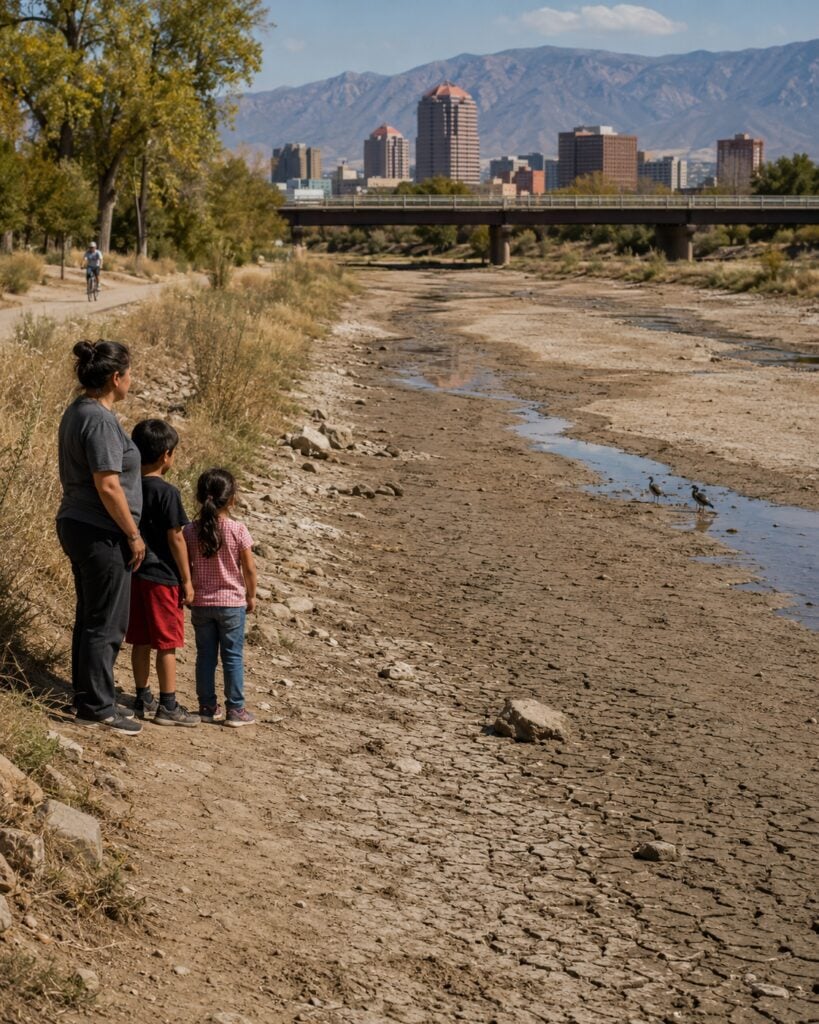
To me, the river is more than a water source. It is a living indicator of the health of the entire landscape.
When a major river repeatedly struggles to flow, it is telling us that the wider water system is under pressure, even if daily life has not fully felt the consequences yet.
Climate Change Is Making an Already Dry Region More Difficult to Manage
Drought is not new to the American Southwest. What is changing is the heat surrounding it.
Warmer temperatures pull more moisture from soil, rivers, plants, and reservoirs. Snow melts earlier, dry ground absorbs more water, and demand rises just as supplies begin shrinking.
That is why one low-rainfall year can now cause much deeper stress.
The 2026 snow drought followed record warmth, leaving rivers and reservoirs under pressure before summer fully began.
For me, the bigger question is no longer whether drought will return. It is whether our water systems can keep supporting communities, farms, and ecosystems in a climate that is becoming hotter and less predictable.
What Individuals Can Do to Help Conserve Water?
Saving a river begins with big decisions, but it is also shaped by the water we waste without noticing.
Individual habits cannot solve the Rio Grande crisis alone, yet they can support wider conservation.
I pay closest attention to outdoor use by choosing drought-tolerant plants, checking irrigation for leaks, watering during cooler hours, and using mulch to keep moisture in the soil.
Inside the home, fixing small leaks is one of the simplest places to start. A slow drip may seem harmless, but over time, the loss adds up.
For me, water conservation should not begin only when reservoirs are nearly empty. It works best when it becomes part of everyday life.
The River Needs More Than One Good Rainstorm
One storm can bring the river back for a moment. It cannot erase years of drought.
Monsoon rain may reconnect dry channels, refill shrinking pools, and give wildlife temporary relief. But long-term water loss, depleted reservoirs, weak snowpack, and rising temperatures require much more than a few wet days.
The Rio Grande needs lasting solutions: smarter conservation, efficient irrigation, restored habitats, careful groundwater use, and stronger cooperation between communities sharing the same limited supply.
For me, the real danger is waiting until the water is almost gone. By then, every choice becomes harder.