At Border Cave in South Africa, early humans appear to have built sleeping areas from layers of grass, plants, and ash. Even more fascinating, they may have burned old bedding and replaced it instead of letting waste build up.
That changes how I picture prehistoric life. These people were not only making tools and searching for food. They may also have cared about comfort, cleanliness, and keeping their living space organized.
Long before mattresses existed, humans were already finding better ways to rest.
Border Cave Preserved Thousands of Years of Human History
Border Cave was not a temporary hiding place. It was a place people returned to for thousands of generations.
Layers inside the South African cave preserve signs of human life stretching from around 220,000 to 43,000 years ago, including ancient plant bedding and several carefully formed sleeping areas.
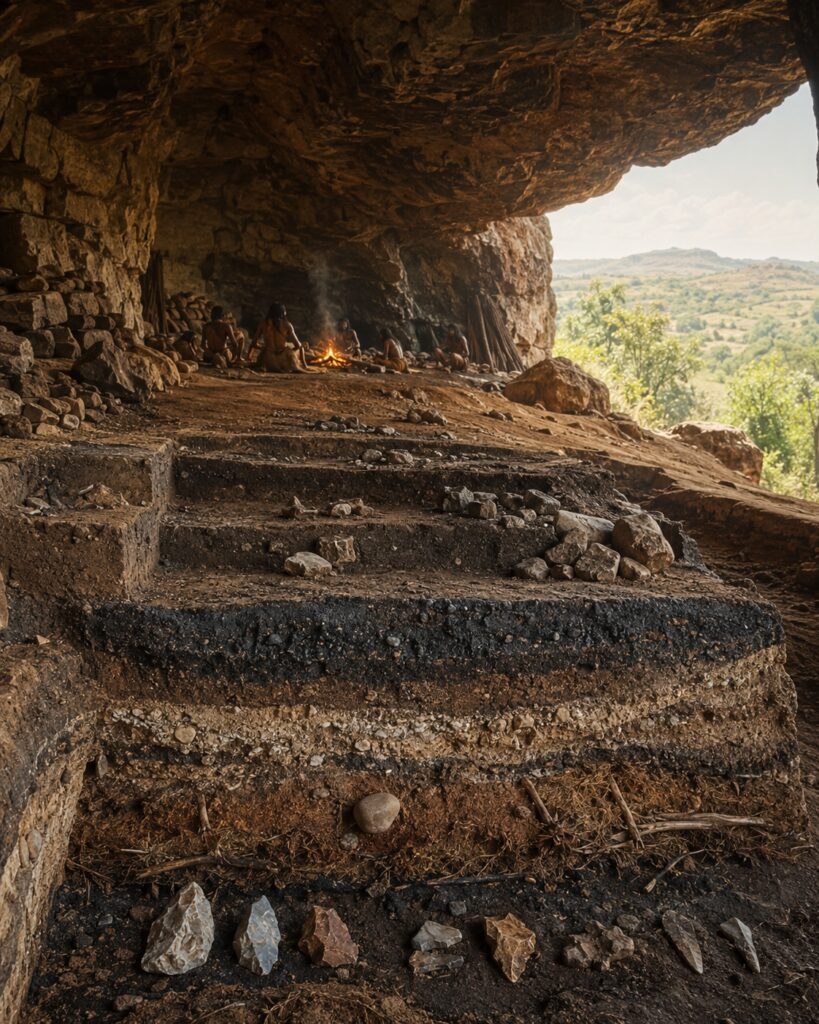
When I picture the cave, I imagine more than survival. I see fires burning, tools being made, food prepared, children cared for, and families creating familiar routines.
The discovery makes early humans feel less distant. Their world was harsh, but their lives may have been far more organized, social, and thoughtful than we often assume.
What Were Early Human Beds Made From?
Long before mattresses existed, early humans had already learned that better rest begins with a better surface.
At Border Cave, they used grasses, sedges, and ash to create softer, warmer sleeping areas above the cold, uneven ground. The layers may also have helped reduce moisture and dirt.
That detail feels surprisingly familiar to me. Even a thin mat can completely change a night outdoors.
Comfort was probably not a luxury. After hunting, gathering, travelling, making tools, and caring for others, a safer place to sleep may have helped people recover for the next day.
They May Have Used Fire to Keep Sleeping Areas Clean
Finding ancient grass bedding is already impressive, but the evidence of repeated burning may be the most interesting part of the discovery.
Researchers believe people intentionally burned old bedding before replacing it with fresh plant material. Instead of allowing old grass, dirt, insects, and waste to continue building up, they may have used fire as part of a regular cleaning process.
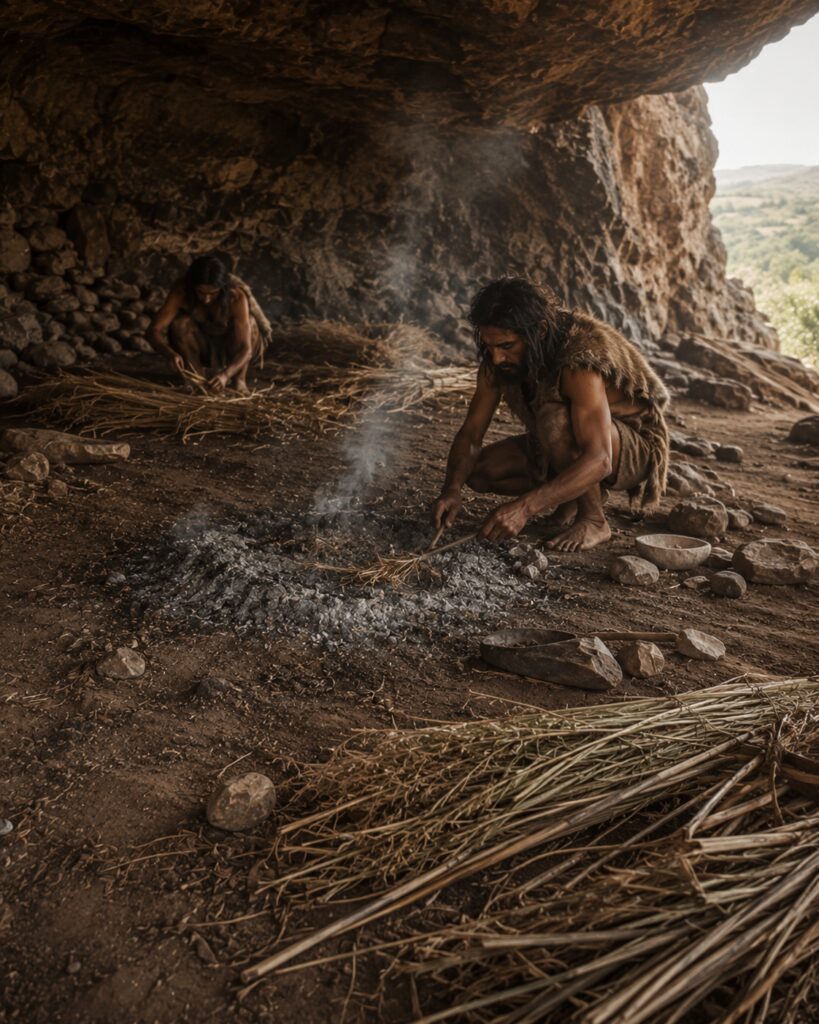
The ash left behind may also have provided additional benefits. Scientists believe it could have discouraged crawling insects or helped create a cleaner surface for new bedding.
This suggests that early humans may have understood cause and effect through experience.
Perhaps they noticed fewer insects after sleeping near ash.
Maybe they realized that burning old plant material removed unpleasant smells or unwanted pests. They may not have understood bacteria or hygiene in the way we do today, but they could still observe which habits made life healthier and more comfortable.
I think this is an important reminder that knowledge does not always begin in books or laboratories. Humans have learned through observation, experimentation, and repeated experience for thousands of generations.
Early Humans May Have Followed Regular Housekeeping Routines
One burned sleeping area could have been accidental. Repeated evidence found across different layers suggests something more organized.
The people living in Border Cave may have followed a cycle: They collected suitable grasses. They arranged the plants into sleeping surfaces. They used the bedding for a period of time. They burned or cleared old material. Then they created fresh sleeping areas. This behavior appears to have continued for thousands of years.
To me, that consistency is remarkable. It suggests that maintaining sleeping spaces may have become part of everyday life and cultural knowledge.
Older members of the group may have taught younger people which plants worked best, where bedding should be placed, and when old material needed to be removed.
We often think of culture as art, language, music, clothing, or traditions.
However, simple household habits can also be part of culture. Even today, families pass down routines without realizing it.
We learn how to prepare food, organize our homes, clean shared spaces, and care for our belongings by watching other people. Ancient bedding practices may have worked in a similar way.
Clean Sleeping Areas Could Have Improved Survival
At first, making a bed may not sound as important as hunting animals or creating tools. However, clean and comfortable sleeping spaces could have offered real survival advantages.
Old plant material can attract insects and collect waste. Replacing bedding may have reduced contact with pests and helped create a healthier living environment.
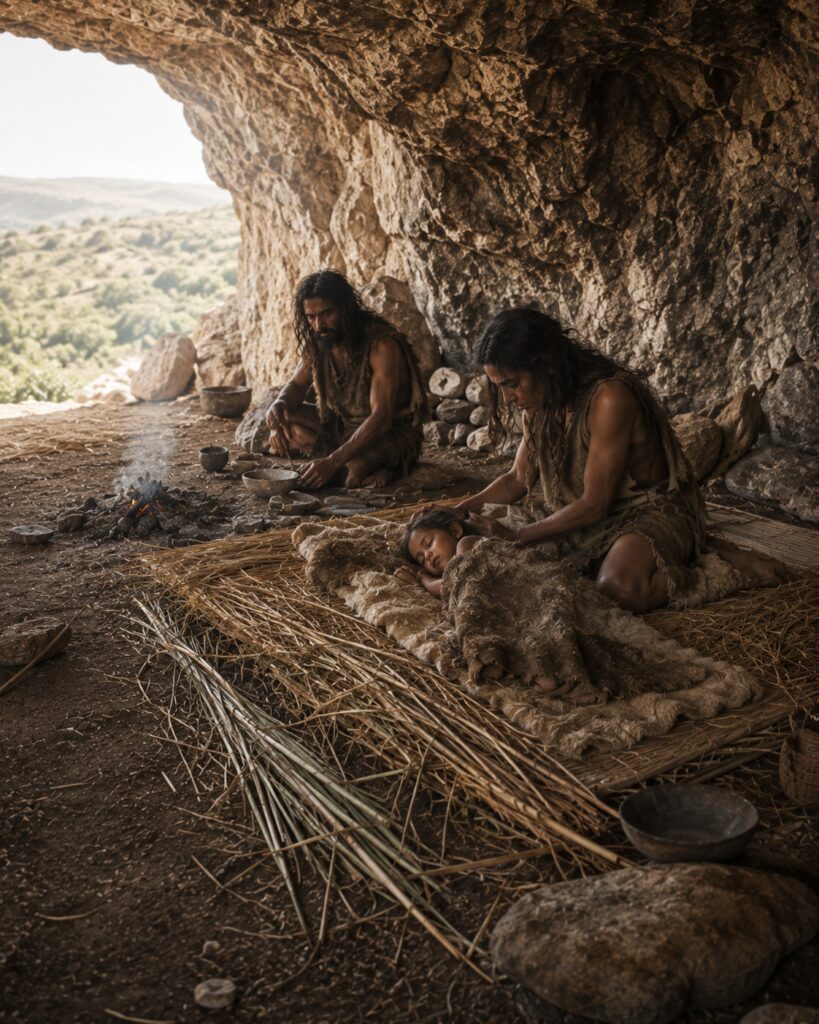
A cleaner sleeping area may also have improved sleep.
Good sleep supports physical recovery, attention, memory, decision-making, and emotional stability. Early humans faced physically demanding lives, so proper rest may have been extremely valuable.
People who slept better may have been more alert when searching for food, avoiding danger, protecting children, or travelling through difficult environments.
Of course, researchers cannot know exactly what these early people were thinking. However, their repeated actions suggest that maintaining sleeping areas mattered enough to become a long-term habit.
A More Human Picture of Our Ancient Ancestors
This discovery changes the way I imagine early humans. They were not simply primitive people reacting to hunger, danger, and weather. They observed their environment, solved everyday problems, and created routines that improved their lives. They searched for useful plants. They built softer places to sleep. They may have used ash to reduce insects.
They regularly removed old bedding.
They passed useful habits from one generation to another. These actions may seem ordinary, but ordinary routines often reveal a great deal about intelligence.
A comfortable sleeping area suggests planning. Cleaning suggests awareness. Repeating the same useful behavior suggests learning and shared knowledge.
The discovery also shows that some human priorities have remained surprisingly consistent. We still want safe places to sleep. We still clean our homes. We still try to prevent insects from entering our bedrooms.
We still arrange our surroundings to feel more comfortable. The materials have changed, but the basic need has not.
What This Discovery Can Teach Us Today?
Long after the tools were put down and the fire grew quiet, early humans still had one more need: a safe place to rest.
That is why ancient sleeping areas feel so personal to me. They reveal people caring for their living space, gathering together, and creating comfort after difficult days.
The discovery also reminds me that small routines have always mattered. A clean, calm sleeping area can support better rest, energy, and wellbeing.
My takeaway is simple: do not treat sleep as whatever time remains after everything else. Keep the space comfortable, reduce clutter, care for the bedding, and create time to slow down.
Mattresses have changed. The human need for safe, restorative sleep has not.
Final Thoughts
Long before bedrooms existed, people were already learning how to make rest feel safer and more comfortable.
Nearly 200,000 years ago, early humans at Border Cave may have gathered grasses, built sleeping surfaces, burned old bedding, and created fresh layers again. Their materials were simple, but the care behind them was surprisingly thoughtful.
What stays with me is how familiar this feels. Their world was completely different, yet they still valued comfort, cleanliness, and a safe place to sleep.
The next time I change my sheets, I may remember that this small human routine began thousands of generations before us.