Along the busy Cleethorpes coastline, a fragile piece of history is hiding in plain sight. Some of the area’s sand dunes have survived since the 14th century, quietly supporting wildlife and preserving traces of an older shoreline.
Now, as thousands of visitors arrive for major seaside events, people are being urged to tread carefully; because one careless shortcut through the dunes can damage a habitat that took centuries to form.
A Living Landscape with Centuries of History
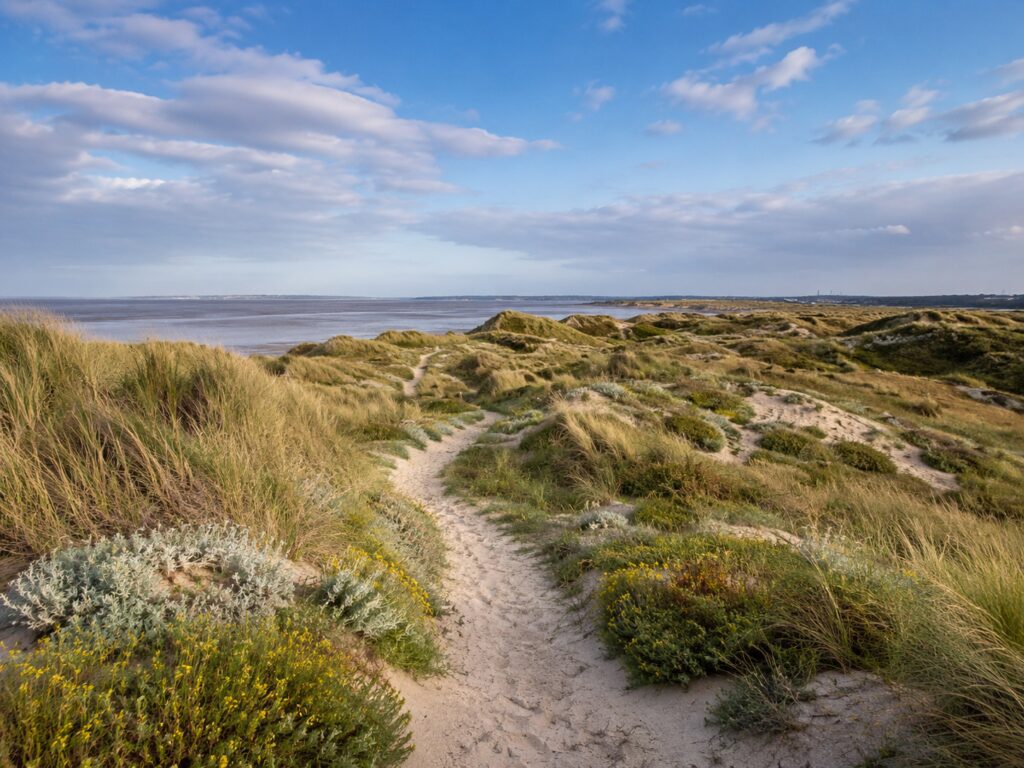
The dunes at Cleethorpes may look like simple hills of sand, but some have stood there since the 14th century.
With large crowds expected for Armed Forces Day and World Sand Dune Day, small choices matter more than ever. Staying on marked paths, taking litter home, and giving wildlife space can help protect this fragile landscape.
What stays with me is that these dunes are not just scenery. They shelter wildlife, strengthen the coastline, and preserve a living piece of history that has survived for centuries.
Why Sand Dunes are More Than Just Hills of Sand?
A dune may look empty from a distance, but up close it is full of movement and life.
Wind-blown sand gathers around grasses, whose roots hold the dune together while their stems trap even more sand. Over time, these layers create habitats for insects, birds, reptiles, flowers, and shrubs.
That balance is surprisingly fragile. Repeated footsteps can crush the plants, loosen the sand, and speed up erosion.
This is why staying on marked paths matters. A simple detour can protect the living structure that keeps the entire dune in place.
Cleethorpes Has a Remarkable Coastal Legacy
Some of Cleethorpes’ grassy dunes are not just part of the coast. They are fragments of an older shoreline.
Known as relict dunes, these surviving ridges date back centuries and reveal how the landscape looked before the boating lake and modern sea defenses reshaped it.
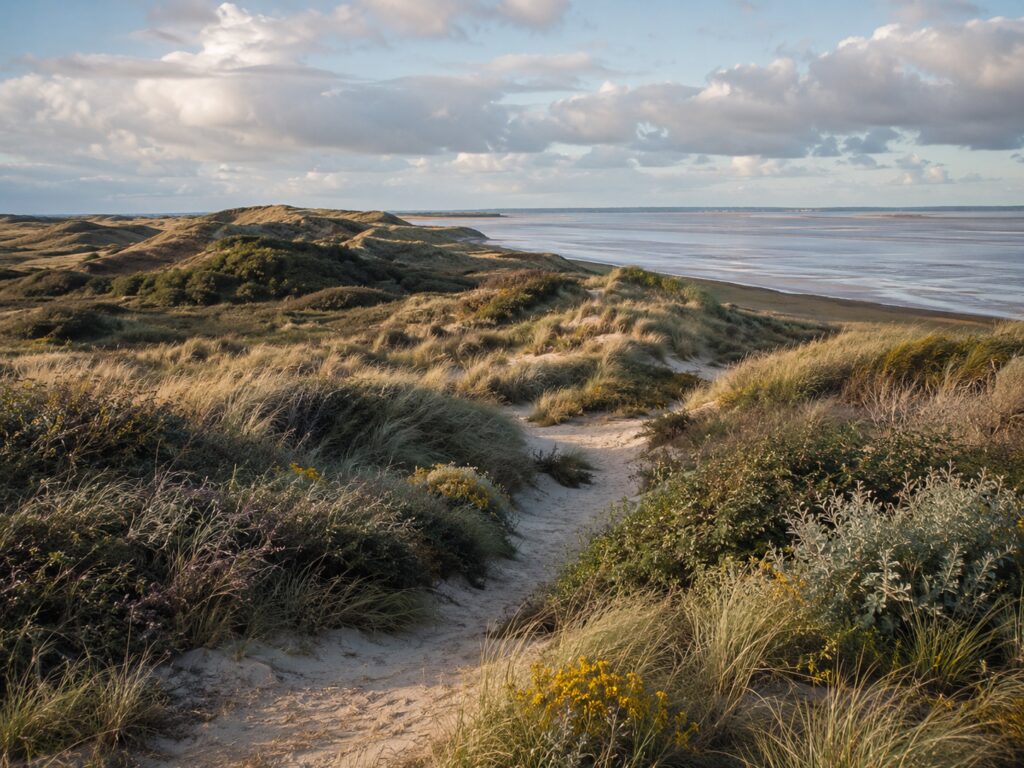
What seems like a simple mound may actually mark the edge of a long-lost coast.
That history sits within a Site of Special Scientific Interest, surrounded by the shifting waters and wildlife of the Humber estuary.
To me, protecting these dunes means preserving more than habitat. It means keeping a rare piece of the coastline’s memory alive.
Why Coastal Dunes are Increasingly Threatened?
Dunes may survive storms, but thousands of careless footsteps can still break them down.
Development, litter, erosion, invasive plants, and rising seas already place these habitats under pressure. When vegetation is repeatedly crushed, the sand loses its natural anchor and begins to move more easily.
Wildlife feels the impact too. Birds may abandon nests, animals waste energy escaping people or dogs, and plastic waste can remain long after visitors leave.
I do not think protecting dunes means staying away from the coast.
It means enjoying them with care. Follow the paths, take rubbish home, and give wildlife space so these fragile places can survive beyond our visit.
How Staying on the Path Protects an Entire Ecosystem?
A shortcut across the dunes may save a few steps, but it can leave damage that lasts far longer.
I stay on marked paths because they protect the roots holding the sand together, the insects hidden in the grass, and the birds nesting beyond view.
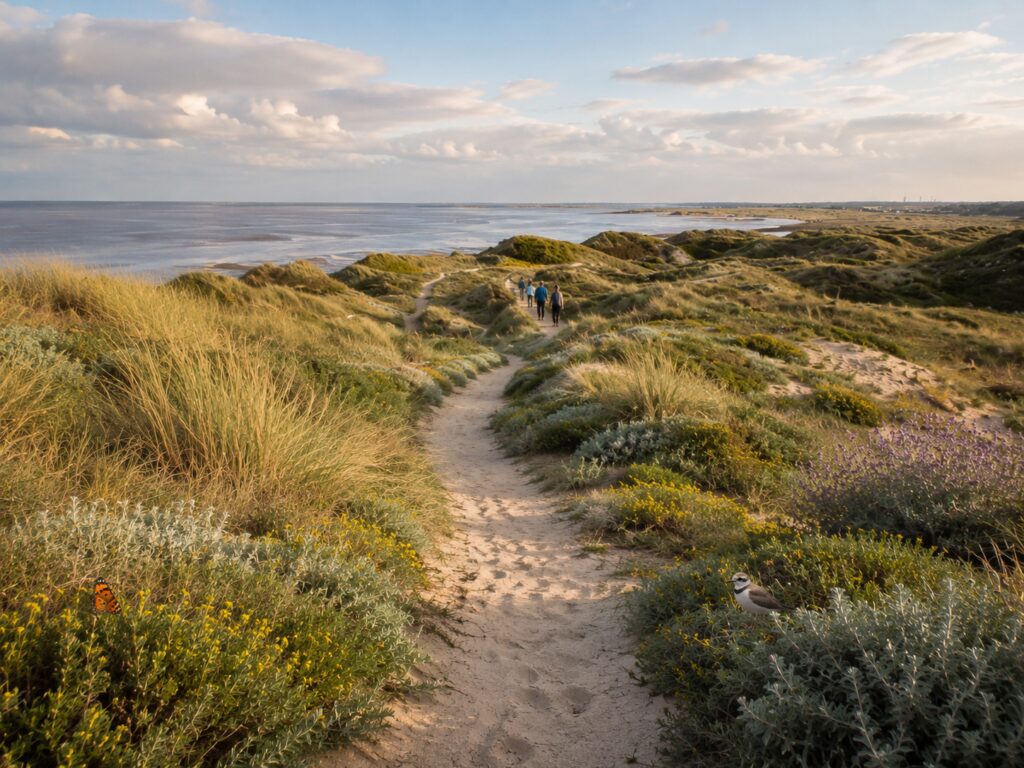
One unofficial trail can quickly become many, turning a narrow line into a wide patch of exposed sand.
I also respect signs and temporary barriers, especially around restoration or nesting areas. When children understand that dunes are living habitats, not ordinary hills, staying on the path feels less like a restriction and more like protection.
Simple Ways Visitors Can Make a Real Difference
Protecting the dunes begins with what I choose not to leave behind.
I carry a reusable bag in case bins are full, watch wildlife from a distance, and keep dogs under control near sensitive areas.
If a bird becomes restless or defensive, I take it as a sign to step back.
I also leave flowers, shells, and dune plants where they belong. Even small natural objects can support the habitat.
Before visiting, I check local signs and seasonal guidance. One careful visitor may seem insignificant, but thousands of thoughtful choices can protect the coast far beyond a single day.
A celebration should leave memories, not damage.
Armed Forces Day brings energy and pride to Cleethorpes, but the nearby dunes also need protection. World Sand Dune Day is a reminder that these centuries-old habitats are part of the area’s heritage, not empty space beside the event.
I believe celebration and conservation can work together.
Stay on marked paths, take litter home, watch wildlife from a distance, and respect sensitive areas.
When visitors understand what the dunes hold, enjoying the coast becomes part of protecting it.