For most of us, seeing a mosquito is hardly breaking news. It may mean an itchy evening, a restless night, or a quick search for insect repellent. But in Iceland, the discovery of three mosquitoes was remarkable enough to attract international attention.
In October 2025, an insect enthusiast named Björn Hjaltason found two female mosquitoes and one male in Kjós, a rural valley southwest of Reykjavík. He had been using ropes soaked in wine to attract moths when unfamiliar insects appeared in his garden. The specimens were later identified as Culiseta annulata, a cold-tolerant mosquito found across parts of Europe and other northern regions.
These were the first mosquitoes recorded alive in Iceland. Until then, the country had been widely described as one of the last mosquito-free places on Earth, alongside Antarctica. However, the discovery does not yet prove that Iceland has developed a permanent breeding population. Experts said continued monitoring would be needed to determine whether the insects survived the winter and successfully reproduced.
That uncertainty is important. Three insects do not equal an invasion. Still, the finding arrived after Iceland experienced extraordinary spring heat, making it difficult to ignore the larger question: is a warming climate beginning to change which species can live in places once considered too cold?
A Small Discovery With a Much Larger Meaning
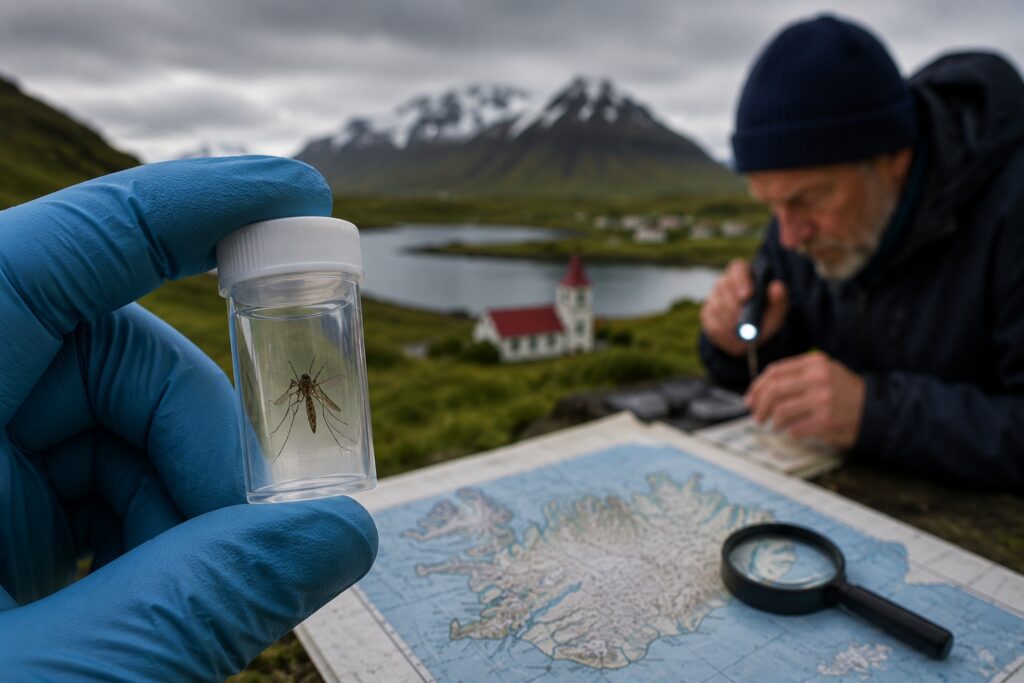
The number of mosquitoes involved could fit easily inside a small specimen container. Yet the story matters because ecosystems often change through developments that seem minor at first. A new insect, plant, fish, or bird appearing outside its familiar range can be an early sign that local environmental conditions are shifting.
Iceland’s isolation and unusual climate have historically made it difficult for mosquitoes to establish themselves. Mosquitoes may occasionally arrive on aircraft, ships, vehicles, or inside transported goods, but arrival is only the first step. They must also find suitable water, reproduce successfully, survive seasonal changes, and maintain a population over time.
The Culiseta annulata species is especially interesting because it is adapted to relatively cold environments. Unlike tropical mosquitoes that need consistently warm weather, this species can survive winter by sheltering in protected places such as sheds, basements, barns, or other structures. That gives it a better chance than many mosquito species of tolerating Iceland’s climate.
Even so, scientists have not confirmed exactly how the three insects reached Kjós. Hjaltason suggested they might have arrived through ships or shipping containers connected to the nearby Grundartangi industrial and port area. That is plausible, but it remains speculation rather than a confirmed explanation.
My first lesson from this story is not to confuse discovery with establishment. A species can arrive accidentally without becoming a permanent resident. The real scientific test will come through repeated surveys during future springs and summers.
Iceland’s Climate Was a Natural Barrier
Iceland’s mosquito-free reputation was never simply the result of being cold. Many colder regions, including parts of Scandinavia, Canada, Alaska, and Siberia, have large mosquito populations. The difference lies in the details of the climate and the mosquito life cycle.
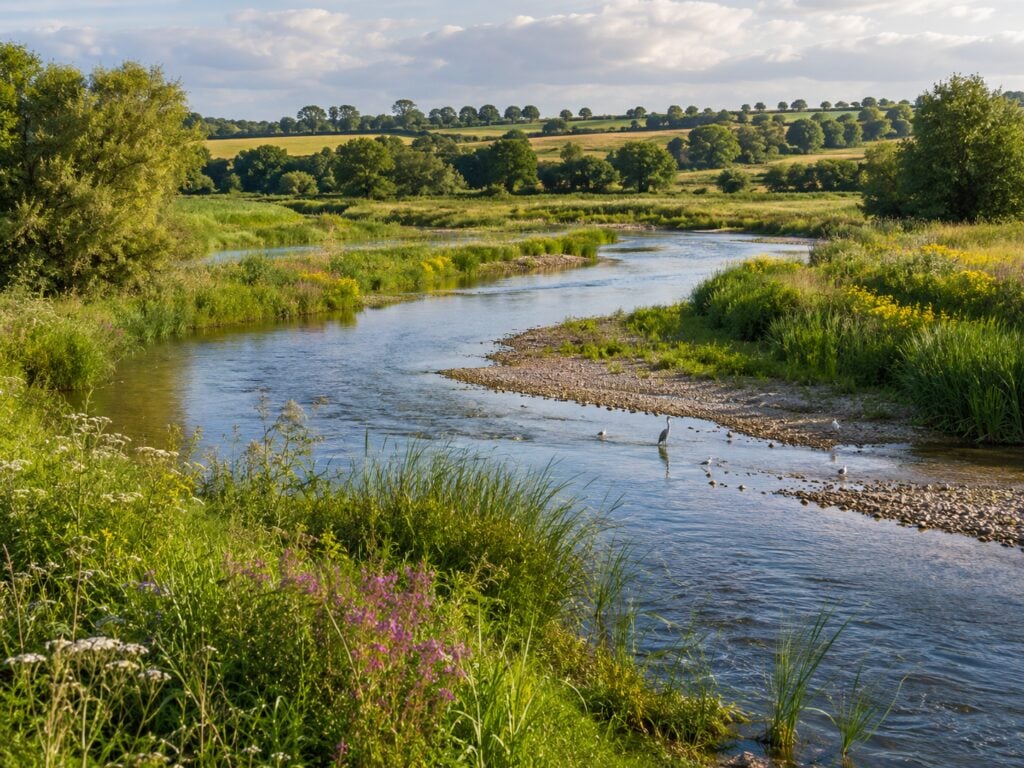
Mosquitoes usually need standing or slow-moving water for their larvae to develop. Depending on the species, this can include ponds, marshes, rain-filled containers, drainage areas, tree holes, or temporary pools created by melting snow.
Iceland has wetlands and pools, so the complete lack of water was not the only explanation. One theory is that the country’s repeated freezing and thawing periods disrupted mosquito development. Eggs or larvae might begin developing during a mild spell, only to be killed when temperatures suddenly dropped again.
Its geographical isolation also reduced the number of insects arriving from elsewhere. A mosquito species cannot establish a population if suitable individuals rarely reach the island in the first place.
However, climate barriers are not permanent walls. When winters become milder, warm periods last longer, or seasonal patterns change, species may gain more time to reproduce and survive.
I find this especially important because climate change does not simply make every location uniformly hotter. It changes timing. Spring can begin earlier, cold periods can become less predictable, and warm conditions may last longer. For insects with short life cycles, a few extra suitable weeks can make a major difference.
Record Heat Changed the Conversation
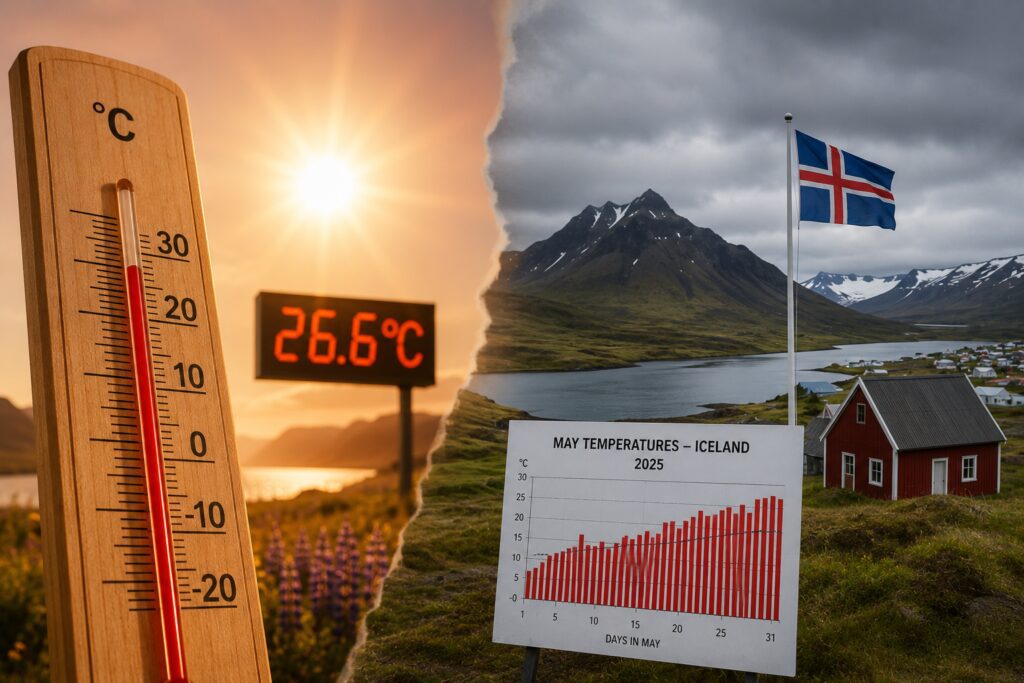
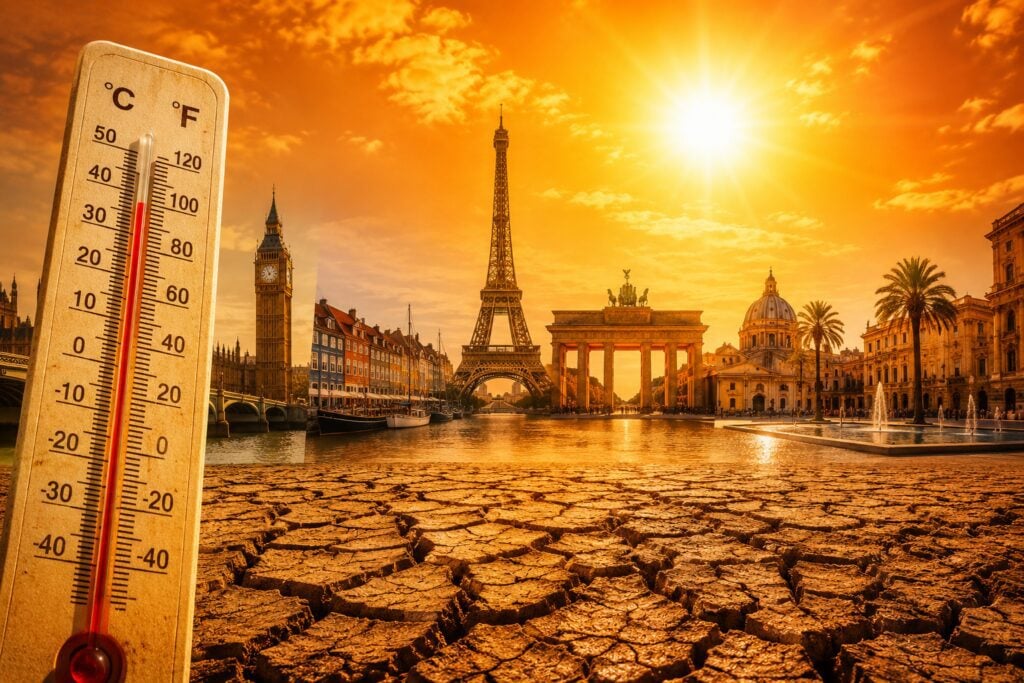
The discovery followed one of the most unusual warm periods ever recorded in Iceland. In May 2025, the country experienced what the Icelandic Meteorological Office described as its most significant May heatwave on record.
On May 15, the temperature at Egilsstaðir Airport reached 26.6°C, setting a new national record for the month. May temperature records were broken at 94 percent of Iceland’s automatic weather stations that had operated for at least 20 years. Some locations experienced temperatures more than 10°C above their normal monthly conditions.
Temperatures of at least 20°C were recorded somewhere in Iceland for 10 consecutive days. This was highly unusual for a country where such warmth in May is normally brief and limited.
A later climate analysis concluded that human-caused climate change made the May heatwave more likely and more intense. However, that does not prove that the heatwave directly caused the three mosquitoes to appear in October. The insects could have been transported into the country independently.
The more careful conclusion is that warmer conditions may improve the chances of imported insects surviving after they arrive.
This distinction matters to me. Climate discussions become less trustworthy when every unusual event is blamed on global warming without evidence. A better approach is to separate what we know from what is still being investigated.
We know Iceland experienced record-breaking heat. We know three mosquitoes were discovered there for the first time. We know the species can survive cold winters. We do not yet know whether those mosquitoes reproduced locally, survived the following winter, or arrived specifically because of climate change.
One Mosquito Species Does Not Mean a Health Crisis
Whenever mosquitoes appear in the news, many people immediately think of diseases such as malaria, dengue, Zika, chikungunya, or West Nile virus. Those concerns are understandable, but the discovery in Iceland should not be treated as evidence of an immediate disease outbreak.
Different mosquito species carry different diseases, and many do not play an important role in spreading serious human infections. Disease transmission also requires more than the presence of mosquitoes. A pathogen must be introduced, the mosquito must be capable of carrying it, environmental temperatures must support its development, and enough contact must occur between mosquitoes and susceptible hosts.
The mosquitoes found in Iceland were not reported as carrying a dangerous pathogen. The immediate importance of the discovery is ecological rather than medical.
That does not mean public-health authorities should ignore it. Mosquito surveillance can help scientists detect new species, monitor breeding locations, and assess whether disease-carrying mosquitoes might arrive in the future. But surveillance is very different from panic.
My practical advice is to read beyond alarming headlines. Ask which mosquito species was found, whether it is established, whether it can transmit local diseases, and whether health authorities have issued an actual warning.
In this case, there was no reason for Icelanders or travelers to assume that the country had suddenly become unsafe.
How New Species Can Affect a Delicate Ecosystem?
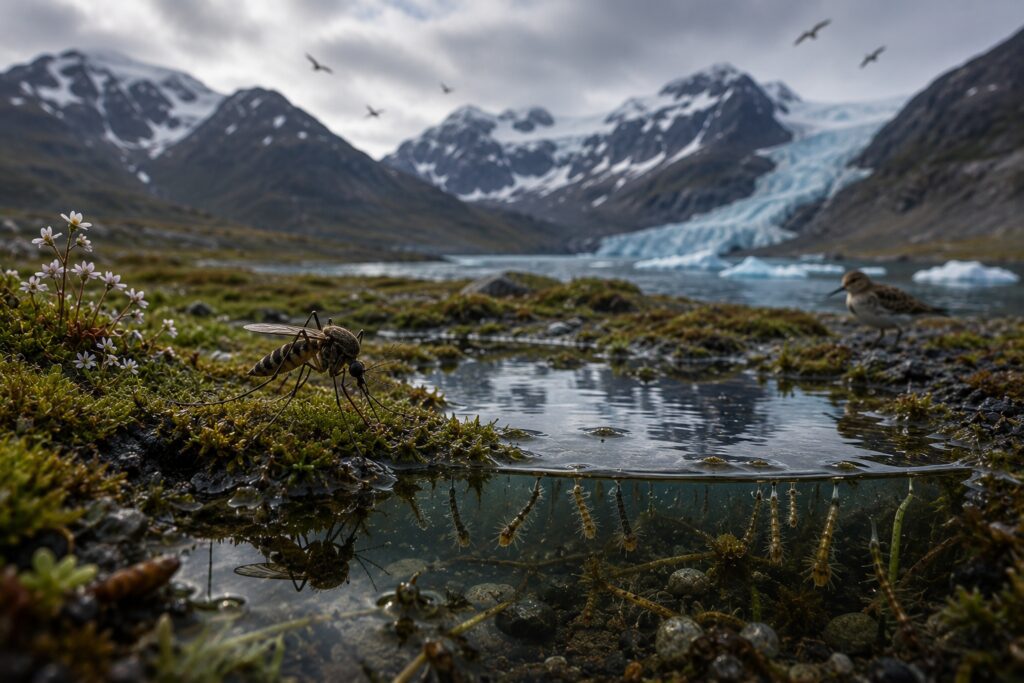
Iceland’s cold-adapted ecosystems developed under conditions that limited many insects and other organisms found farther south. When new species arrive, they may become food for birds and fish, compete with native insects, or change local ecological relationships.
Not every newly arriving species becomes invasive. Many disappear because they cannot reproduce successfully. Others remain rare and cause little noticeable harm. A smaller number spread rapidly and create serious environmental or economic problems.
Researchers have warned that unusually warm conditions can have significant consequences for ecosystems adapted to Iceland’s historically cool climate. Temperature changes can affect vegetation, soil organisms, freshwater life, migration timing, and the seasonal behavior of insects.
The challenge is that ecological effects often appear slowly. By the time a new population becomes obvious, removing it may be difficult or impossible.
This is why early monitoring matters. Scientists can use traps, citizen reports, genetic testing, and breeding-site surveys to determine whether mosquitoes are appearing repeatedly and whether they were born locally.
People can help without becoming fearful. Photographing an unfamiliar insect and reporting it to a natural-history institution can provide valuable evidence. The Icelandic discovery itself began with an observant citizen who noticed something unusual and sent specimens to experts instead of relying only on his own identification.
What Residents and Travelers Can Do?
At this stage, most people in Iceland do not need to change their daily lives. Three confirmed mosquitoes do not justify widespread spraying, aggressive pest control, or fear about outdoor activities.
However, simple precautions are useful in any place where mosquitoes could reproduce. Residents can remove unnecessary standing water from buckets, uncovered containers, blocked gutters, flowerpot trays, and discarded objects around homes.
Water that serves a real purpose should not automatically be removed. Natural wetlands are valuable habitats and should not be damaged in the name of mosquito control. The focus should be on artificial containers and neglected water sources close to buildings.
Travelers should continue checking official guidance rather than relying on sensational social-media posts. Standard insect repellent and suitable clothing may be useful during outdoor activities, but Iceland has not suddenly become a tropical mosquito destination.
My personal tip is to think in terms of prevention rather than reaction. Monitoring early, managing artificial breeding sites, and sharing accurate information are far more useful than waiting until a species has spread widely.
Climate Change Is Moving Ecological Boundaries
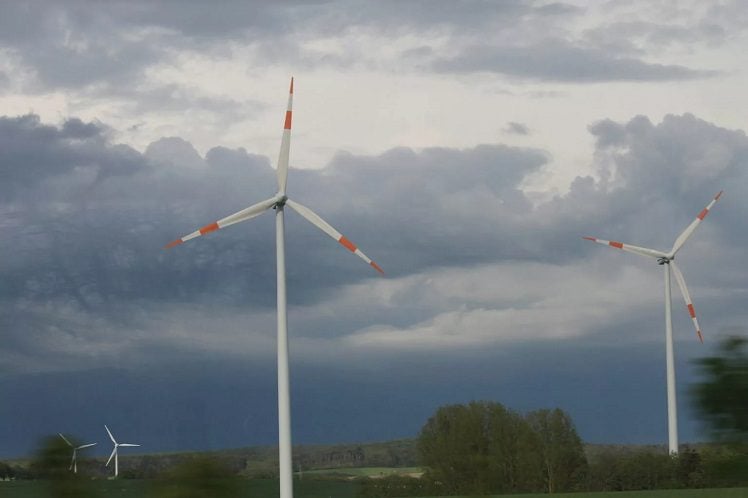
The Iceland mosquito story belongs to a broader pattern. As temperatures rise, many species are shifting toward cooler latitudes, higher elevations, or regions that were previously unsuitable for them. Warmer conditions can extend insect breeding seasons and allow some species to survive winters that once limited their range.
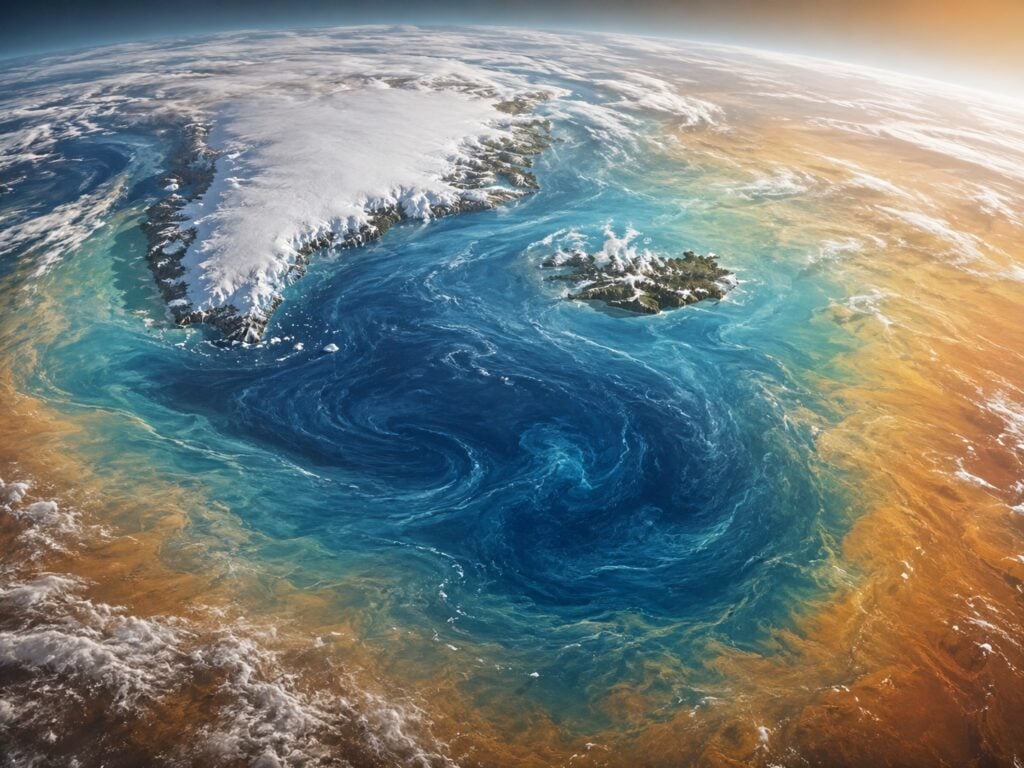
The Arctic is warming rapidly, and changes are already visible through melting glaciers, changing vegetation, altered ocean conditions, and new species appearing in northern ecosystems. Still, climate change is only one part of the movement of species. Global shipping, air travel, trade, tourism, and transported goods provide the routes that allow insects to reach new places.
I often think of it this way: transportation opens the door, while climate determines whether a species can remain inside.
Reducing climate risk therefore requires more than controlling insects after they arrive. It also means cutting greenhouse-gas emissions, improving port and cargo monitoring, protecting healthy ecosystems, and helping scientists track changes over time.
The Most Important Answer Will Come Next Spring
The discovery of three mosquitoes in Iceland is historically significant, but the story is not finished. The most important evidence will come from what researchers find during later breeding seasons.
If no additional mosquitoes appear, the 2025 specimens may have been temporary arrivals that failed to reproduce. If the species is found repeatedly, especially in different life stages or locations, that would suggest it has begun establishing itself.
Either result will teach scientists something valuable.
For me, this story is a reminder that climate change does not always announce itself through a dramatic disaster. Sometimes it appears as a broken temperature record. Sometimes it appears as a plant flowering earlier than expected. And sometimes it arrives as a strange insect caught on a wine-soaked rope in an Icelandic garden.
Three mosquitoes may seem insignificant, but they raise a serious question about how quickly the boundaries of life are changing.
The discovery should not cause panic, and it should not be exaggerated into proof that Iceland now has a permanent mosquito population. But it deserves attention because the conditions that once kept certain species away may no longer be as reliable as they were.
The real story is not simply that mosquitoes reached Iceland. It is that a warming and increasingly connected world is making once-improbable ecological changes easier to imagine—and more important to monitor.