I used to see beavers as simple animals that built dams, but their role in nature is far more impressive. These natural engineers can reshape landscapes, create habitats, and even help communities manage flooding.
In west London, reintroduced beavers have helped reduce flood risks near Greenford railway station by slowing water flow through their dams and wetlands. Their work has also created a healthier ecosystem, attracting more birds, insects, and other wildlife.
For me, this story shows that some of nature’s solutions are already around us. Sometimes, protecting wildlife can also mean protecting people.
How Beavers Became Unexpected Flood Protectors in London?
When many people hear the word “beaver,” they probably imagine a remote wilderness rather than a busy city like London. But that is exactly what makes this story so interesting.
The beavers were reintroduced in west London in 2023 as part of conservation efforts to restore natural ecosystems.
Instead of seeing them as a problem, conservationists saw an opportunity to bring back an animal that has been shaping waterways for thousands of years.
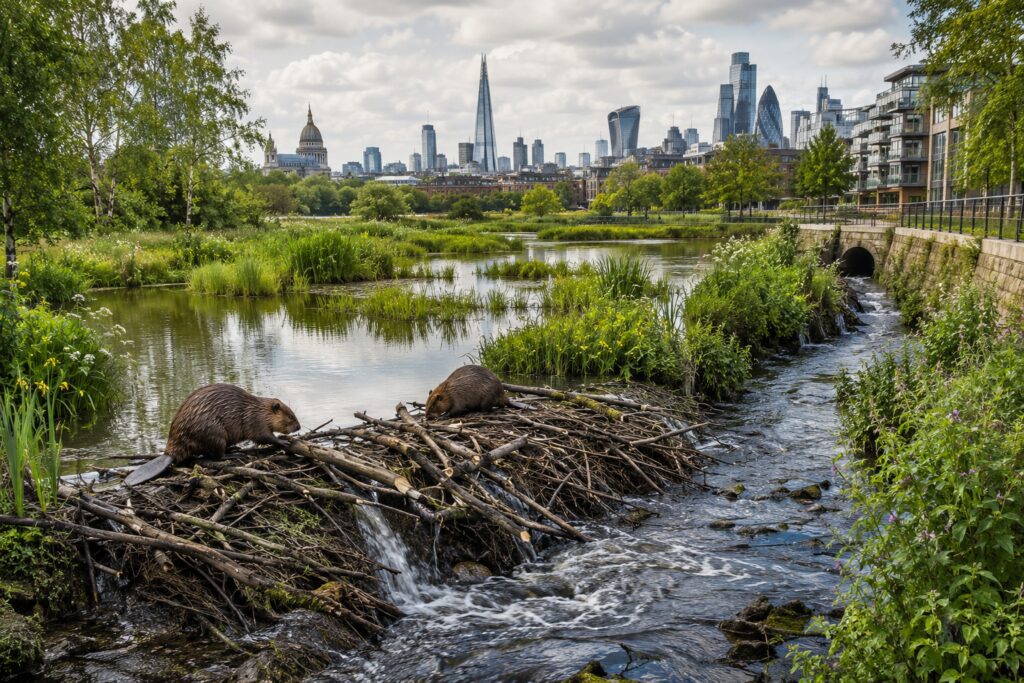
Beavers are often called “ecosystem engineers” because their activities physically change the environment around them. By building dams from branches, mud, and vegetation, they create ponds and wetlands that support many different forms of life.
At Greenford railway station, these natural changes have created an unexpected benefit.
During periods of heavy rain, water can move too quickly through urban landscapes, putting pressure on drainage systems. The beaver dams help slow that flow by keeping water upstream for longer.
I find this fascinating because it shows how wildlife can become part of the solution. Instead of always trying to control nature, sometimes we can work with it.
Why Beaver Dams Are So Important for Water Management?
A beaver dam may look simple, but its impact can be surprisingly powerful. When rain falls, water normally travels quickly across the ground and into rivers, streams, or drainage systems.
In cities, where many surfaces are covered with roads and buildings, there are fewer natural places for water to slow down.
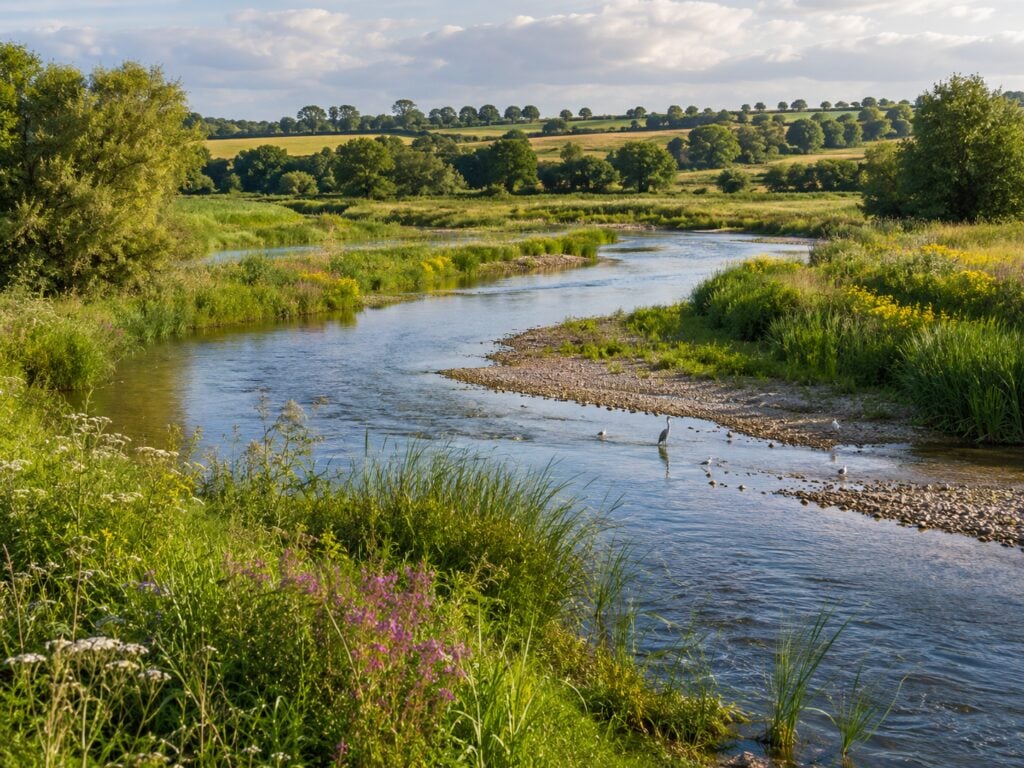
Beaver wetlands change that process. The ponds created by beavers act like natural reservoirs. They temporarily store water, reduce sudden surges downstream, and allow the surrounding soil and plants to absorb more moisture.
This does not mean beavers can completely prevent every flood. Extreme weather events can still overwhelm natural systems and human infrastructure.
However, they can reduce pressure and make landscapes more resilient. I think this is an important lesson for modern cities. As climate change brings more intense rainfall in many places, we need more creative ways to manage water.
Restoring natural systems could become one valuable part of that solution.
A New Home for Wildlife Beyond the Beavers
The biggest surprise from this project is that the beavers have helped create an entire ecosystem, not just a place for themselves. Their wetlands have attracted more birds, invertebrates, and other animals.
Ecologists have also recorded at least two new bat species arriving in the area. This happens because wetlands are incredibly valuable habitats. They provide food, shelter, and breeding areas for many species that struggle to survive in heavily developed environments.
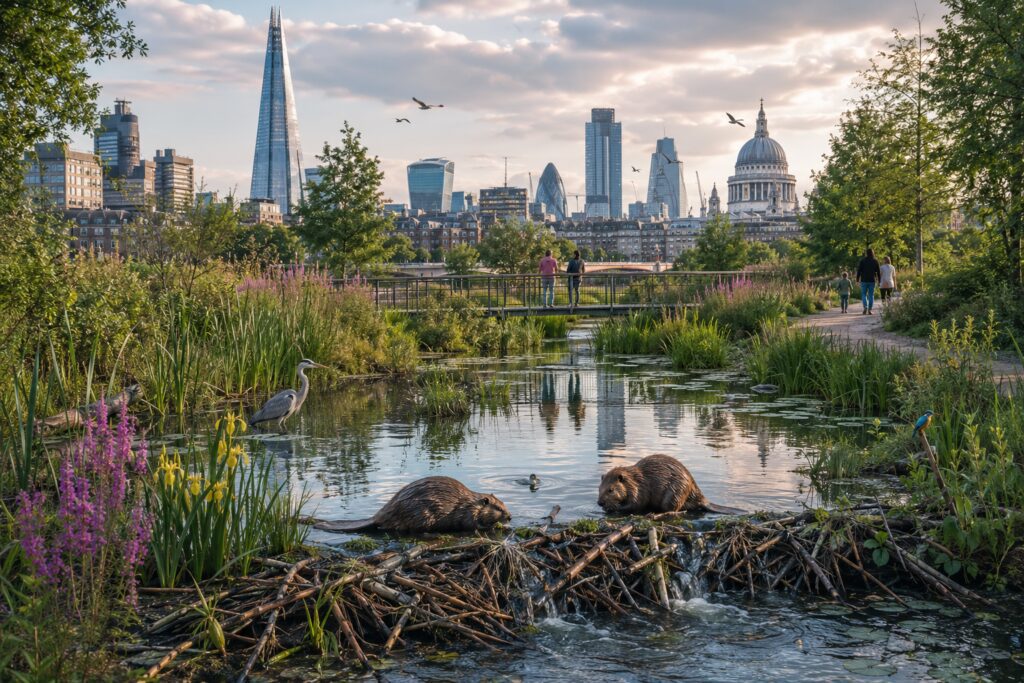
A single beaver family can transform an ordinary waterway into a much richer landscape.
For me, this is one of the most beautiful parts of conservation. Protecting one species often helps many others. Nature is connected in ways we sometimes do not notice until we give it space to recover.
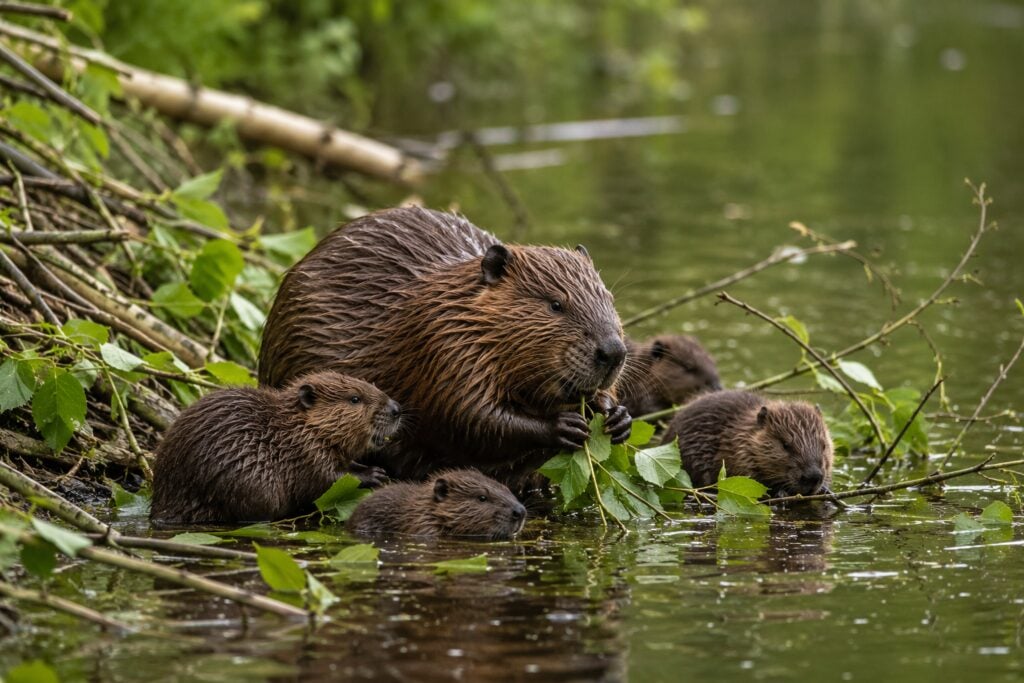
The arrival of two new beaver kits this year is another positive sign. Baby beavers, known as kits, show that the colony is not just surviving but successfully adapting to its restored environment.
Why Bringing Back Beavers Matters for Cities?
For centuries, beavers were often removed because their dams changed waterways and affected human activities. But today, I see a growing shift in how we view them, not as a problem, but as part of nature’s solution.
Their return shows how wildlife can help address challenges like flooding, biodiversity loss, and climate change. While beavers are not the answer everywhere, they remind us that cities and nature can exist together.
For me, conservation is not only about protecting remote forests. It can also happen near neighborhoods, train stations, and the places we experience every day.
What We Can Learn From London’s Beaver Success?
This story offers several lessons that I think every community can apply. The first is to respect the role of native wildlife. Many animals that seem inconvenient actually provide important environmental benefits.
Before removing them, we should understand what they contribute.
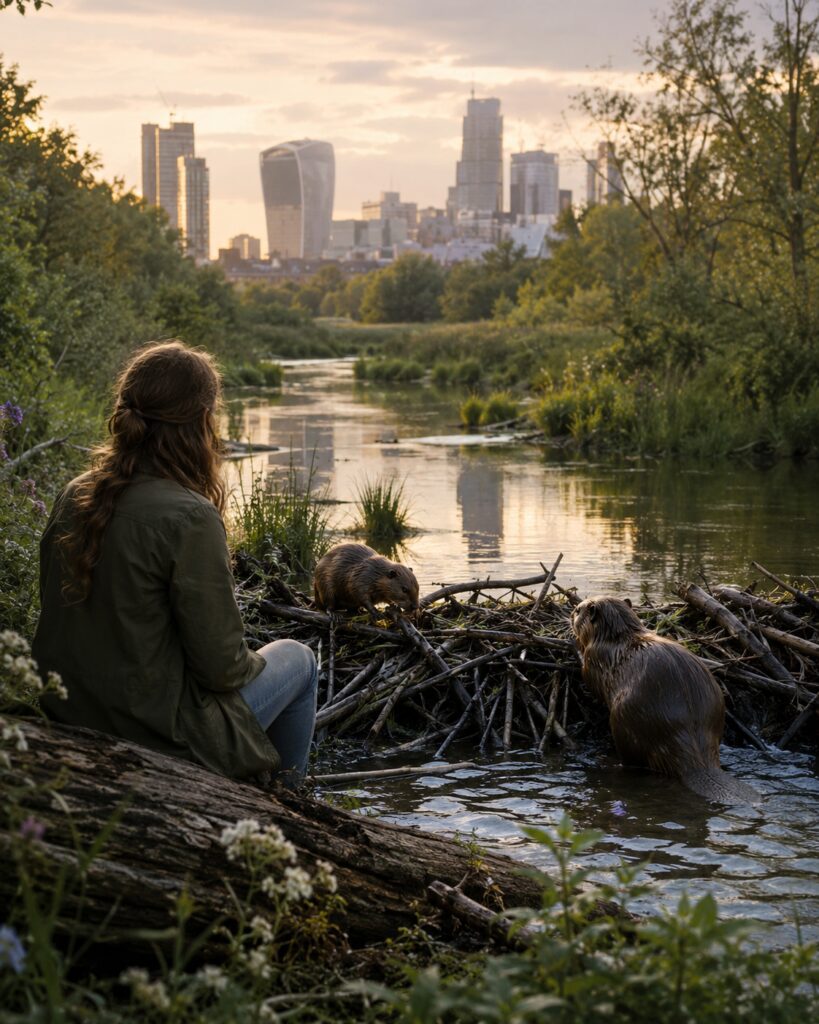
The second is to invest in restoration. The beavers did not create this success overnight. Their return required planning, monitoring, and commitment from conservation teams.
The third is to look for solutions that work with nature instead of against it. Traditional engineering can help solve problems, but natural systems often provide additional benefits at the same time.
A concrete flood barrier may protect one area, but a restored wetland can also support wildlife, improve water quality, and create healthier ecosystems.
My Thoughts on Why Nature-Based Solutions Matter
Stories like this give me hope because they show that environmental restoration is not only about protecting the past. It is about creating a better future.
The beavers in west London were not introduced just to make a beautiful wildlife story. They are part of a larger idea: nature can help cities become stronger, healthier, and more prepared for future challenges.
Of course, conservation requires balance.
Beavers need to be managed carefully in areas where their activities may conflict with roads, farms, or infrastructure. But that does not mean we should ignore their value.
The goal is not choosing between humans and wildlife. The goal is finding ways for both to benefit. The beavers near Greenford railway station are proving something simple but powerful: sometimes the animals we protect are the same animals that help protect us.