Rhubarb is a perennial plant (a long-living herbaceous plant) that grows from a thick root structure (rhizome). Its edible part is the fleshy stalk (or petiole) that is crisp, sour, and often red or green.
The large triangular leaves are dramatic in size and appearance, but they are toxic and must never be eaten.
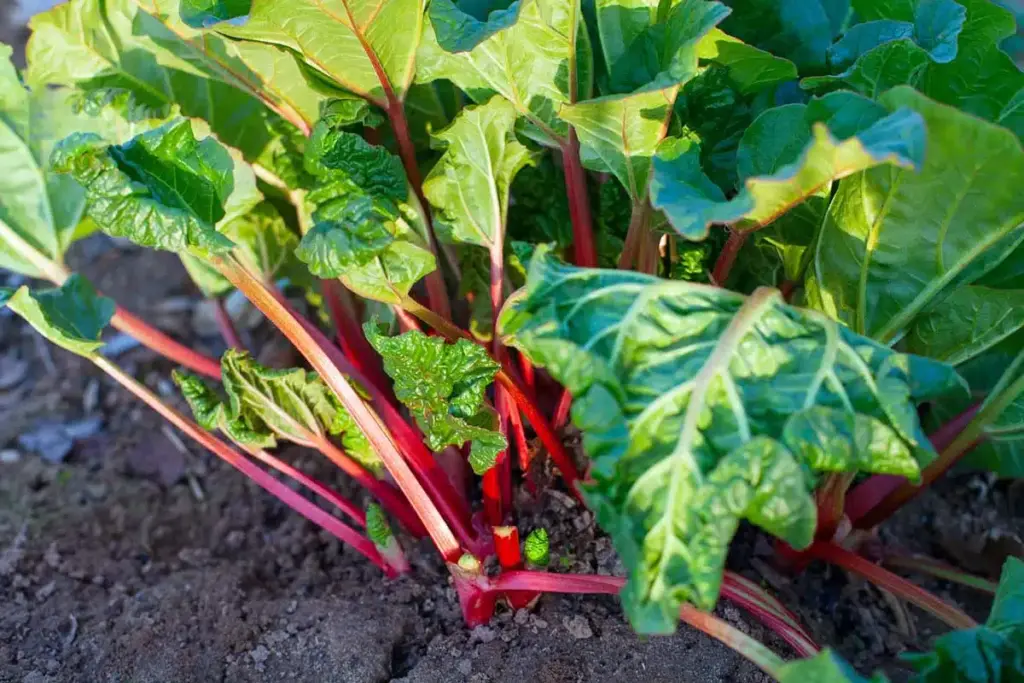
Because of that, I learned to treat different parts of rhubarb differently. The stalks are for food, the leaves are for non-food uses — compost, garden work, or creative projects.
This approach lets me honor the entire plant while keeping safe practices.
Why I Use Only the Stalks?
The stalks of rhubarb are edible and commonly used in cooking. They have a pleasantly tart, slightly sour flavor that works wonderfully with sweet ingredients like sugar or fruit.
Because of their sourness, I almost always cook them rather than eat them raw.
Cooking softens the fibers and brings out a gentle sweetness. Rhubarb stalks pair especially well with sweeter fruits; for example, I love combining rhubarb with strawberries for pies or compotes.
Nutrition and Benefits I Appreciate
Rhubarb stalks are more than flavor. They contain fiber, vitamin K, some minerals, and antioxidants that help with digestion and overall health.
When I enjoy rhubarb dishes occasionally, I see them as a refreshing way to add nutrients and fiber to my diet. Because of the tartness, rhubarb often replaces heavier or sugary desserts; so I consider it a lighter, healthier treat.
How I Harvest and Store for Best Results?
When I harvest rhubarb (if the plant is mature (at least 2–3 years old)), I use the “twist and pull” method instead of cutting with a knife. I gently grip a stalk at the base, twist slightly, and pull.
The stalk comes free cleanly, which helps the plant recover and produce more stems later.
I never harvest more than half of the stalks at once. That way I let the plant stay strong and continue growing.
After harvesting, I remove and discard the leaves immediately (they are toxic). Then I wash the stalks and store them in the refrigerator if I plan to use them soon. For longer storage, I cut them into pieces and freeze them, or cook and preserve them as sauces or jams.
In cooking, I tend to stew or bake them; for example in crumbles, pies, compotes, or as a sweet-sour sauce. I often mix them with sugar or sweeter fruits (like strawberries) to balance the tartness.
That’s how I make the most of the stalks’ unique flavor and texture.
What to Do with the Leaves and Non-Edible Parts
I always remove the leaves before cooking or storing. The leaves (and other non-stalk parts) contain high levels of oxalic acid and other compounds that are toxic if ingested.
But I do not throw them away carelessly. Instead, I find useful, creative, and sustainable ways to put them into good use.
1. Common Uses I Try
| Use | How I Do It? | What to Watch Out For? |
|---|---|---|
| Compost material | Chop leaves and add to compost pile | Make sure leaves don’t get eaten by pets/humans |
| Natural pesticide spray | Boil leaves in water ~30 min, cool, strain, dilute, add mild soap, spray on affected plants | Use only on non-edible plants or outside edible crop growing time |
| Weed barrier mulch | Layer large leaves on soil surface to suppress weeds, then let them decompose | Replenish leaves periodically as they break down |
| Natural dye (greenish-yellow) for fabric or yarn | Simmer leaves in water to extract color, strain, soak cloth/fiber | Wash items thoroughly after dyeing — leaves are toxic |
| Garden crafts (stepping stones, molds, etc.) | Use large leaves as molds or forms for stepping stones, bird baths, garden art | Make sure materials are safe for outdoor use and leaves are disposed safely |
These uses allow me to respect the entire plant rather than waste parts. I treat leaves with care — I never eat them, and I keep them away from pets or children.
Safety and Limitations: What I Always Keep in Mind
It is essential to understand that only the stalks of rhubarb are safe for eating. The leaves contain toxic compounds, including high levels of oxalates, which can cause digestive issues and problems for kidneys if consumed.
Because of that, even though the leaves can be composted or used for external purposes, I make sure no one eats or handles them carelessly.
I store compost or leaf-derived solutions clearly labeled so that no confusion occurs.
Moreover, I treat rhubarb as a seasonal or occasional treat rather than a daily food. Overconsumption (especially of processed rhubarb or concentrated extracts) can pose health risks.
Additional Benefits of Rhubarb That I Appreciate
While rhubarb is mostly known as a food plant, there are other advantages I have discovered:
- Digestive support and fiber
Rhubarb stalks offer fiber, which helps digestion and can assist in preventing constipation. - Antioxidants and nutrients
Nutrients like vitamin K, potassium, magnesium, fiber, and antioxidants in rhubarb can support bone health, digestion, and general wellness — especially when used moderately. - Low-calorie, refreshing treat
Because rhubarb is tart and fibrous, it makes a refreshing dessert or side dish when sweetened appropriately. For those trying to reduce sugar or heavy desserts, rhubarb is a lighter alternative. - Sustainable garden use
By using leaves for compost, natural pesticide spray, dye, or mulch, I reduce waste and create a more sustainable garden cycle. The whole plant becomes useful.
My Favorite Ways to Use the Whole Rhubarb Plant
Here are the uses I rely on regularly.
1. Rhubarb-Strawberry Pie or Compote
I cut fresh stalks into chunks, rinse them, then stew them with a little sugar and optionally pair them with strawberries. The result is a sweet-tart compote perfect for pies, tarts, or even as a sauce over yogurt.
2. Freeze for Later Use
If I harvest more than I need, I slice the stalks into pieces, freeze them in freezer-safe bags. This way I have rhubarb ready all year for pies, sauces, or jams.
3. Compost the Leaves and Waste
I collect leaves, cut them roughly, then add them to my compost bin. They break down while enriching the compost. This reduces waste and enriches garden soil.
4. Homemade Garden Pesticide (Non-Food Plants)
When pests attack my ornamental plants, I boil chopped rhubarb leaves in water for 30 minutes, let the mixture cool, dilute it, add a drop of gentle soap, and spray on leaves.
I never use this spray on edible plants; only ornamentals.
5. Mulch or Weed Barrier
I lay layers of rhubarb leaves on soil around shrubs or trees to suppress weeds. As they decay, they add nutrients back into the soil.
6. Natural Dye or Garden Crafts
Sometimes I simmer leaves to extract a subtle greenish dye for small fabric projects. Other times I use the large leaf shape as molds or forms for garden stepping stones or decorative bird baths.
What I Learned from Growing Rhubarb?
From years of working with rhubarb, I gathered several important lessons:
- Treat rhubarb with respect. Use the stalks for food and the leaves only for external, non-food uses.
- Never exceed moderate use when consuming rhubarb stalks. Because of oxalates and other compounds, excessive intake can raise risks.
- Compost or reuse leaves to reduce waste. Rhubarb has more value than just a seasonal treat.
- Harvest gently with twist-and-pull technique to avoid damaging the plant and encourage future growth.
- Store stalks properly or freeze to enjoy rhubarb beyond its short season.
Why I Value the Whole Rhubarb Plant?
Rhubarb is more than just a sour-sweet ingredient for pies. For me, it is a versatile plant — part seasonal kitchen treat, part garden helper, part sustainable resource.
By respecting its unique properties and handling it thoughtfully, I make the most of the entire plant.
If you grow rhubarb or plan to plant it, I encourage you to harvest carefully, enjoy the stalks in moderation, and look for creative ways to reuse the rest of the plant.
That way you honor nature, minimize waste, and get the best value from your garden.
You might be surprised how much one rhubarb plant can offer; food, compost, garden care, even fabric dye or craft material. Using rhubarb this way deepens my connection to gardening and makes me feel like a responsible gardener.