If you’re like most tea lovers, you brew a cup, enjoy the aroma and taste, then toss the spent tea bag into the trash without much thought. But what if that little used bag still had plenty to give—especially to your plants?
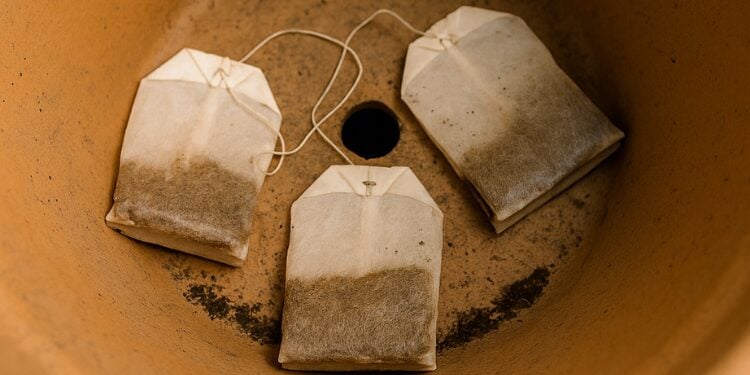
As it turns out, those soggy tea bags are full of nutrients, organic matter and compounds that plants adore.
Rather than disposing of them, tuck them into your plant pots or garden beds and you’ll unlock a range of benefits: improved soil health, stronger roots, moisture retention and even pest deterrence.
Benefits Tea Bag for Your Plant Pots or Garden Beds
1. Enriching the Soil with Organic Matter
One of the most compelling reasons gardeners start burying used tea bags is their role as a natural source of organic material. After steeping, tea leaves still carry traces of nitrogen, tannins, phosphorus and potassium—key nutrients plants need for healthy growth.
Instead of letting that go to waste, the tea bag becomes a slow-release source of nourishment as it breaks down.
At the same time, the decomposing bag helps improve soil structure—particularly in compacted or depleted soils. It creates tiny air pockets, improving aeration, root-penetration and water movement.
In pots especially, where soil often becomes dense and lifeless, this organic boost is a simple yet effective fix.
2. A Gentle Nitrogen Boost for Leafy Growth
Nitrogen is one of the major nutrients that drives vigorous foliage growth. After brewing, tea leaves still contain small amounts of this nutrient—making a used tea bag a gentle, safe fertilizer for plants that love it, like herbs, leafy vegetables or indoor houseplants.
Because the nutrient release is gradual, it avoids the risk of burning roots that can come with strong synthetic fertilizers.
For plants like basil, mint, spinach, or indoor favourites like pothos, spider plant and philodendron, this mild nitrogen boost can make a real difference. Young seedlings, in particular, appreciate a little extra support during those early stages.
3. Improved Moisture Retention in Containers
When you bury a used tea bag just under the soil surface or mix it into the base layer of a pot, it acts much like a tiny sponge. The fibrous bag material and the tea leaves hold onto moisture, releasing it slowly over time.
This is especially useful for container plants that dry out quickly, or during hot weather when soil moisture evaporates fast. By keeping soil evenly moist, your plants avoid the stress of drying out between waterings.
In essence, you lower watering frequency, support more stable root conditions and help sensitive plants thrive.
4. Inviting Earthworms and Soil Life
Healthy soil is alive. One of the key indicators of a vibrant soil ecosystem is the presence of earthworms. These tiny workers make air channels, enrich the soil with their castings and help roots penetrate deeper.
By introducing decomposing organic matter like tea bags, you’re giving worms something to feed on and encouraging their activity.
In turn, increased worm activity improves the overall health of your soil: better drainage, improved aeration and stronger root systems. For anyone growing in pots or raised beds where soil tends to compact, this is a major plus.
5. Natural Pest Deterrent
It may sound surprising, but certain compounds in tea—like tannins and even leftover caffeine—can help keep pests at bay. For example, the scent of brewed tea and the presence of decomposing leaf material can confuse or deter soft-bodied insects like fungus gnats, ants and aphids.
For indoor plants particularly vulnerable to pests, placing a slightly dried tea bag on the soil surface can act like a gentle barrier. While it’s not a substitute for full pest control, it’s a clever, natural layer of defence.
6. A Mini Compost Boost for Your Pots
If you’re not ready to bury tea bags directly around every plant, there’s another very useful option: treat used tea bags as mini-compost boosts.
Toss them into your compost pile or bin where they help balance “brown” materials (like dry leaves or paper) with “green” ones (like used tea). The residual caffeine and sugars in tea leaves speed up decomposition and introduce moisture and microbial activity.
And if you don’t have a dedicated compost system, burying a tea bag in each pot is essentially giving each plant its own micro compost boost, right where it needs it.
7. Reducing Fungal Problems in Seedlings
One of the common frustrations when starting seedlings indoors is damping-off disease—a fungal collapse of young plants. The tannins and mild antimicrobial compounds remaining in used tea leaves help create a slightly less hospitable environment for those fungi.
By mixing a little used tea leaves into seed-starting mix or placing a tea bag at the bottom of each seed tray compartment, you can reduce the risk of these fungal attacks and give your seedlings a stronger start.
8. Support for Acid-Loving Plants
Tea is naturally acidic, and even after brewing a portion of that acidity remains in the leaves. That makes used tea bags particularly helpful for acid-loving plants like azaleas, blueberries, hydrangeas, camellias and rhododendrons.
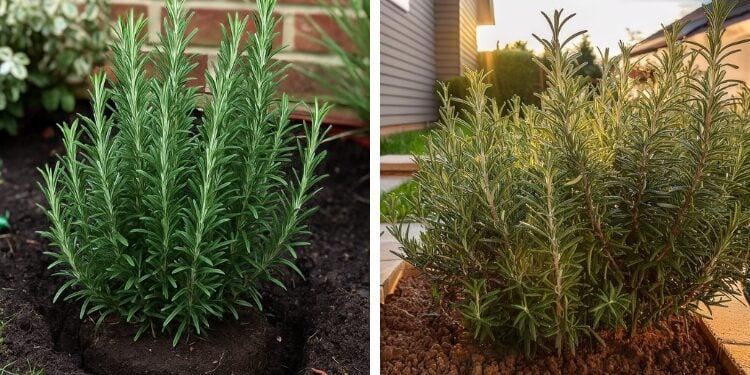
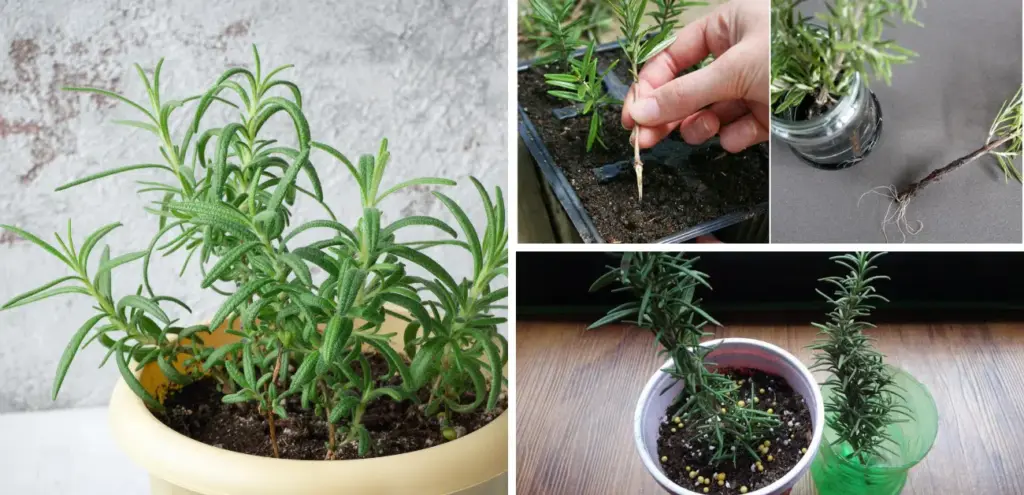
Just be aware: this isn’t ideal for plants that prefer neutral or alkaline conditions (such as succulents, lavender or rosemary). As with any gardening trick, know your plants and match the tool to the need.
9. Waste Reduction and Eco-Friendly Gardening
Every time you bury a used tea bag instead of throwing it into the trash, you’re doing your part for a greener garden.
These bags reduce household waste, close the loop on nutrient use from your kitchen to your plants and align with zero-waste and sustainable gardening practices.
Keeping a small bowl by your kettle or tea station to collect used bags is an easy habit. Once or twice a week, just pop them into the soil or compost—and you’re turning waste into a garden resource.
10. Boosting Microbial Activity in Soil
Microbes are the unsung heroes of the garden. Bacteria, fungi and beneficial soil life drive nutrient cycling, help plants resist disease and build strong roots.
When you add used tea bags into the soil, you’re feeding those microbes. The leaves and bag fibres become food for them, increasing microbial diversity and activity.
A well-microbially rich soil offers benefits such as better nutrient availability, improved structure and stronger plant performance. For container gardeners and small space growers, this is a powerful, low effort tactic.
How to Use Tea Bags Effectively in the Garden or Pots?
Here’s a simple guide to putting this technique into action:
- First, check the bag material. Use only natural-fibre tea bags (like cotton or paper). This is important because many commercial pyramid or “silken” tea bags contain plastics that won’t break down in the soil.
- Let the tea bag cool completely after use.
- For pots: tuck the used tea bag 1–2 inches below the soil surface, close to the plant base but not touching the stem.
- For small garden beds: bury 2–4 used tea bags per week scattered across the bed surface and lightly cover with soil.
- Monitor watering. Because the bag improves moisture retention, you might need to adjust watering accordingly.
- For seedlings: mix used tea leaves into seed-starting mix or place a tea bag at the bottom of seed trays.
- Avoid flavored teas with oils, sugar or artificial additives—they may introduce unwanted chemicals.
- And as mentioned: avoid using tea bags for plants that prefer alkaline soil.
Types of Tea and Plants That Benefit
Different teas offer slightly different benefits. Green tea is high in antioxidants and good for microbial health; black tea is rich in tannins and excellent for soil structure; herbal teas like chamomile or peppermint have their own advantages, such as antifungal or pest-repelling properties.
| Type of Tea | Key Benefits for Soil & Plants | Best Plants to Use It With | Avoid Using On |
|---|---|---|---|
| Green Tea | High in antioxidants, boosts microbial activity, improves soil structure | Leafy greens, herbs, indoor plants (pothos, peace lily), seedlings | Succulents, cactus |
| Black Tea | Rich in tannins, increases acidity, enhances soil moisture retention | Acid-loving plants: hydrangeas, blueberries, azaleas, camellias | Lavender, rosemary, sage |
| Herbal Tea (e.g., chamomile, peppermint) | Chamomile reduces fungal problems; peppermint helps deter pests | Seedlings, vegetable gardens, houseplants vulnerable to gnats | Plants sensitive to too much moisture |
| White Tea | Gentle nutrients, mild acidity, safe for delicate plants | Seedlings, young herbs, indoor ornamental plants | Alkaline-loving ornamentals |
| Decaf Tea | Same structure benefits without caffeine; good for sensitive plants | Ferns, calatheas, moisture-loving plants | Cacti, succulents |
| Flavored Tea (without oils) | Mild nutrients, improves compost quality | Compost piles, outdoor pots | Plants sensitive to additives |
| Fruit Tea | Adds mild organic sugars that feed microbes | Flowering plants, fruit shrubs | Plants prone to mold |
Plants that respond especially well to used tea bag additions include indoor houseplants (like pothos or spider plant), herbs (basil, mint), vegetables (lettuce, spinach) and acid-loving shrubs (hydrangeas, blueberries).
Conversely, skip this trick for plants that prefer dry, alkaline soil.
Final Word
When you pause after your next cup of tea and think about where the bag goes, remember this: you’re holding something more than just leftover leaves. You’re holding potential. You’re holding a tool for richer soil, healthier roots, fewer pests, stronger seedlings and a more sustainable garden.
By simply burying that used tea bag in your pot or garden bed, you invite ancient wisdom into modern growing. You connect kitchen habits with planting habits. You give your plants subtle boosts that add up over time.
So the next time you finish your brew, don’t toss that tea bag. Tuck it beneath the soil instead. Let it do the quiet work of nourishing, protecting and regenerating your garden—one sip, one bag, one plant at a time.