Peeling a juicy orange or lemon, you hold what seems like kitchen waste—but in fact you’re holding a garden treasure. Those bright, fragrant citrus peels carry nutrients, oils and textures that plants and soil absolutely love.
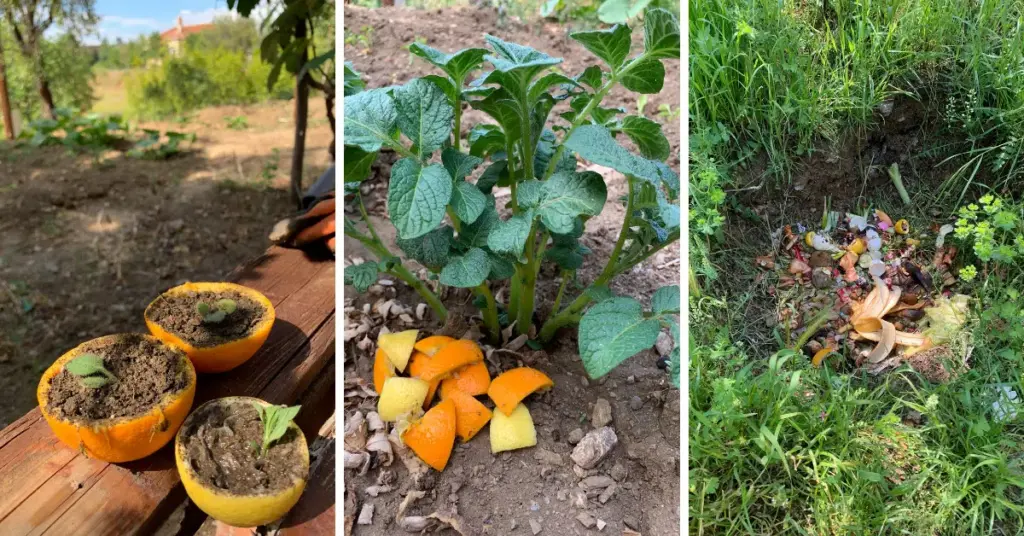
By repurposing them thoughtfully, you can boost soil health, repel unwanted pests, support micro-life, save money and reduce waste—all with what would otherwise head to the compost or bin.
In this expert-yet-simple guide you’ll learn what makes citrus peels useful, how to use them effectively in your garden, what to watch out for, and how to integrate them into your gardening habits so that nothing good goes to waste.
Why Citrus Peels Matter in the Garden?
Citrus peels contain several features that make them surprisingly beneficial for garden and plant health:
- They include residual nutrients such as nitrogen, potassium and phosphorus which can leach into soil as they break down.
- The peels carry essential oils—like limonene—that offer aromatic and potentially pest-deterring effects.
- The fibrous structure and waxy rind mean they decompose more slowly than soft kitchen scraps, which gives a sustained effect and improves soil texture when chopped or managed.
- Using them supports sustainable gardening: less kitchen waste, fewer chemicals, more natural cycles.
When used properly and in balance, citrus peels act as a smart resource rather than waste.
Key Benefits of Using Citrus Peels
Here are the main advantages you’ll get when you start incorporating citrus peels into your garden routine:
- Nutrient boost for soil and plants. As peels break down they release small amounts of nutrients plants crave—especially in containers or poorer soils where every bit helps.
- Improved soil texture and root environment. Finely chopped peels mixed into the base layer of pots or garden beds help loosen soil, create micro-air pockets, and support root growth.
- Pest deterrent and companion for beneficial. The citrus scent and oils may discourage some pests like ants, slugs or aphids from frequenting your plants; meanwhile pollinators and beneficial insects continue to thrive in a healthier ecosystem.
- Mulching and moisture retention. When used as part of a mulch layer or shredded into topsoil, the peels help the surface hold moisture, reduce evaporation and support more stable growing conditions.
- Compost enhancement and waste reduction. Rather than throwing peels away, you’re diverting them into productive use—adding organic matter either directly to soil or via composting. This closes nutrient loops in your home garden.
Table: Compare Uses & What Works Best
| Use Method | Best For | How to Do It | What to Avoid |
|---|---|---|---|
| Chopped into pot base | Container plants, small raised beds | Chop peels small (1–2 cm), mix into bottom layer | Adding large un-chopped pieces that decompose slow |
| Mulch layer on garden beds | Flower beds, shrubs, drought-sensitive soil | Spread ½–1 inch of chopped peels on top, cover | Leaving whole peels exposed where pests hide |
| Compost inclusion | Overall garden enrichment | Chop peels, mix with browns & greens in pile | Dumping large volumes of citrus alone |
| Direct soil scatter | Vegetable beds, lawns | Lightly scatter peels around plant base, rake in | Using untreated peels near acid-intolerant plants |
| DIY peel spray or infusion | Pest deterrence, foliar-feed | Soak peels in hot water, strain, spray diluted mix | Using undiluted oil concentration |
How to Use Citrus Peels Step by Step?
1. Collect and Rinse Peels
Whenever you use citrus fruit, rinse the peel to remove residues. Keep a small container near your kitchen or compost bucket to collect them.
2. Chop or Sred for Faster Breakdown
Large sections of peel will decompose slowly and might attract unwanted pests. Chop them into smaller pieces so microbes can access them easier.
3. Choose Your Method
- For pots: Mix chopped peels into the bottom two-thirds of the container when repotting.
- For garden beds: Spread a thin layer of chopped peels and gently rake in, or add them to the mulch layer.
- For compost: Add peels as you would other green material, balancing with browns like dried leaves or paper.
- For pest control: Create a peel infusion by placing peels in hot water, leaving to steep for a few days, straining, diluting and spraying. Use caution – this is not a substitute for full pest management.
4. Monitor Soil and Plant Responses
Check how your soil behaves: if it’s tighter than usual, you may need more other organic matter. If you see pests gathering more than before, reconsider method or amount.
5. Use in Moderation
Because citrus peels decompose slower and can introduce more acidity than many garden wastes, use them as part of the mix rather than the majority. Too much citrus may slow breakdown and imbalance compost or soil.
Which Plants and Situations Benefit Most?
- Container plants and patio pots: Soil often depletes faster here, so the nutrient and structure boost is very useful.
- Vegetable beds with frequent planting: You’ll appreciate the organic matter input after harvest cycles.
- Flower beds under cyclical stress (heat, dryness): Mulched citrus peels help retain moisture and reduce temperature swings.
- Gardens aiming for lower-input, more sustainable care: Citrus peels are free, natural and align with eco-friendly practices.
- Young seedlings and start-ups: A gentle boost helps in early stages before heavier fertilizers are required.
When Not to Use—or Use with Caution?
- Sites with highly acid-sensitive plants (e.g., some succulents, lavender, rosemary) may not appreciate additional acid from citrus peel decomposition.
- Worm composting systems: Some worm composters report slower action or worm avoidance if large volumes of citrus are added.
- Areas where large un-chopped peels might provide hiding spots for slugs, rodents or pests—always chop and mix in.
- If you’re relying solely on peels as a nutrient source—remember they support but don’t replace comprehensive fertilizer or soil amendment regimes.
Integrating into Your Weekly Garden Routine
- Step 1: After peeling citrus, rinse the peel and chop it.
- Step 2: Decide placement: pot, bed, compost or mulch.
- Step 3: Apply within 24 hours where possible so the peel is fresh.
- Step 4: Water lightly afterwards to help leaching of nutrients and integration into soil.
- Step 5: Monitor over the next few weeks: check soil texture, plant growth, pest presence. Adjust usage next time accordingly.
- Step 6: Make it habitual. Keep a small bowl or container for peels in your kitchen so you don’t forget—they become a regular garden resource.
Final Thoughts
Citrus peels are a simple garden tool you already have in your kitchen. By treating them not as waste but as a resource, you foster healthier soil, more resilient plants, fewer chemicals and a more sustainable garden practice.
When chopped well, used in moderation, and applied intelligently, they deliver value: nutrient input, soil structure benefits, moisture retention and mild pest deterrence.
Begin with small amounts, observe what happens in your particular soil and plant mix, and scale wisely. In doing so you’ll convert what was once trash into a thriving garden asset.
Start today with your next citrus peel—and watch your garden respond.