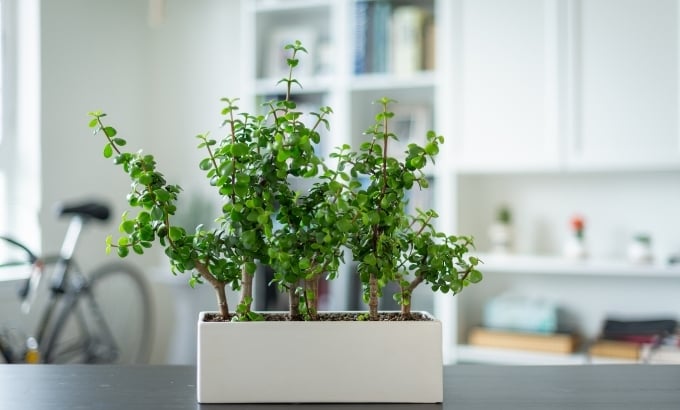
Growing a healthy herb like rosemary is rewarding, but what if you could take that single plant and turn it into dozens? With just a few smart moves you can multiply your Rosmarinus officinalis (common rosemary) plants without spending a dime on new ones.
In this clear, expert-style guide you’ll learn exactly how to take cuttings, root them, transplant them and care for them so your single plant becomes a thriving herb patch.
Why Propagating Rosemary Matters?
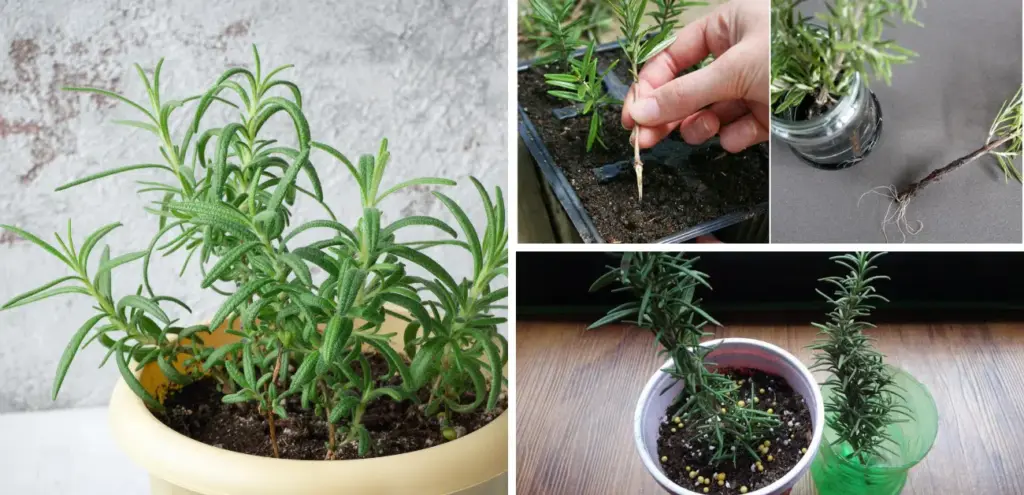
Propagating rosemary gives you more plants, which means more fresh herbs for cooking, more fragrance for your garden, and more greenery for your home.
It also means you can share plants with friends, swap with neighbors or create a full bed of rosemary in your outdoor space. Most importantly, propagation builds your gardening confidence—and once you know the method, it’s easy to repeat year after year.
The Best Time & Plant to Choose
Choose a healthy, established rosemary plant as your “mother plant.” Look for strong growth, no signs of pests and vibrant aromatic leaves.
The ideal time to take cuttings is during the active growth season (often spring or early summer), when the plant is producing fresh shoots.
These younger stems root more readily and give you the best success rate. Avoid woody old stems, which root slowly or may fail to root at all.
What You’ll Need
To successfully propagate rosemary, gather the following supplies:
- A healthy, mature rosemary plant
- Sharp scissors or garden snips
- A clean glass or jar (for water propagation)
- Small pots (for soil propagation)
- Well-draining potting mix (herb or cactus mix works well)
- Rooting hormone (optional, but helpful)
- A spray bottle for misting
- A plastic bag or humidity dome (optional for retaining moisture)
Now, let’s dive into the step-by-step process.
Step 1: Take Your Cuttings
- Use sharp, clean scissors or pruning shears to take stems about 4–6 inches long (10–15 cm).
- Choose stems that are flexible and green (soft wood) rather than hard and woody.
- Cut at a 45-degree angle just below a leaf node. This angled cut increases the surface area for roots to form.
- Remove the leaves from the lower third of the stem, creating a bare section that will go into the rooting medium.
- Save the removed leaves for cooking or drying—they still hold flavour.
Step 2: Choose Your Rooting Method
There are two reliable ways to root rosemary cuttings: in water or in a solid rooting medium. Both work, so you can pick the one that suits your space and tools.
Water Method:
- Place the bare end of each cutting in a jar of clean water, making sure no leaves are submerged.
- Change the water every few days to keep it fresh and prevent rot.
- Within 2–3 weeks you’ll begin to see small white roots forming at the base of the stems.
- Once roots reach about 1–2 inches (2.5–5 cm), the cutting is ready to transplant into soil.
Soil/Sand Method:
- Fill a pot with coarse sand, vermiculite or well-draining potting mix.
- Dip the cut end of each stem into cinnamon or powdered charcoal to reduce rot risk.
- Insert the bare section of the stem about 1–2 inches deep into the medium.
- Keep the medium lightly moist, not soggy, and maintain bright indirect light.
- Roots should form within 4–6 weeks. When a gentle tug offers resistance, it’s time to transplant.
Step 3: Transplant and Care for New Plants
Once your cuttings have a healthy root system, it’s time to move them into individual pots or into the garden.
- Choose a well-draining soil mix—rosemary dislikes heavy, water-logged soil.
- Use a pot only slightly larger than the root ball. One size up is enough.
- Place the new plants in a location with full sun or bright indirect light; while they started rooting in gentler light, they’ll grow best with more light.
- Water thoroughly when first transplanted, then allow the top 1–2 inches (2.5–5 cm) of soil to dry before watering again.
- Fertilise lightly once new growth begins. Avoid high nitrogen fertilisers early on—they encourage leaf growth, not strong root development.
Propagation Methods & Timing
| Method | Best For | Rooting Time | Key Tip |
|---|---|---|---|
| Water propagation | Simple, indoor setup | 2–3 weeks | Keep water clean, avoid submerged leaves |
| Soil/Sand medium | Outdoor or potted plants, rooted new | 4–6 weeks | Use coarse medium, don’t let it stay soggy |
Tips for Higher Success Rate
- Take several cuttings at once—some may fail, and you’ll want extras.
- Use a healthy mother plant—weak or diseased plants produce weak cuttings.
- Maintain warmth and humidity around your cuttings while they root. A small clear bag over the pot or a humidity tray helps.
- Avoid direct midday sun on young cuttings—they prefer bright but indirect light while rooting.
- Label your cuttings if you take different varieties so you keep track of what you’ve propagated.
What to Do with Your New Rosemary Plants?
Now that you’ve rooted and transplanted your new plants, think about how you’ll use them. Some ideas:
- Keep a pot indoors near the kitchen so you can snip fresh sprigs while you cook.
- Create a rosemary hedge or border in your garden bed—they make hardy edging plants.
- Gift rooted herbs to friends with simple tags like “Rooted by Me”.
- Use denser planting to fill out a pot and create a fuller look from one original mother plant.
Common Problems & Troubleshooting
- Cuttings not rooting: Likely too much moisture or not enough light. Try again with drier medium and brighter indirect light.
- Rotting stems: Ensure you removed lower leaves, keep medium fresh, and avoid waterlogged conditions.
- Weak growth after transplant: The plant may need more light or better drainage—rosemary thrives with sun and dryish soil.
- Pest issues: While rooting, cuttings may attract fungus gnats—avoid overly moist conditions and use good air circulation.