There’s a flower in your garden that does more than just look stunning and brighten your space. It nourishes your body, supports your garden’s health, and makes every dish pop with flavour. That flower is the Tropaeolum majus (commonly called nasturtium).
With bright trumpet-shaped blooms, rounded shield-like leaves and a peppery, watercress-like bite, nasturtium provides garden value that goes far beyond aesthetics.
In this expert-yet-easy guide we’ll explore everything you need to know about nasturtium: what it is, why it matters, how to grow it, how to use it—in the garden, in the kitchen and for your wellness.
We’ll keep the explanation simple, engaging and practical, so you’ll come away with both inspiration and actionable tips.
What is Nasturtium & Why It’s Special?
Nasturtium is an annual (or tender perennial in frost-free regions) plant with a remarkable ability: every part—flower, leaf, stem and even the immature seed pod—is edible. It’s in the same family as watercress, which is why its leaves carry that same peppery punch.
But its value doesn’t stop there. In the garden it acts as a companion plant, drawing pests away from more vulnerable crops, offering edible blooms for your plate, and empowering you to grow a plant that requires minimal fuss.
For home cooks and gardeners alike it’s a delightful surprise.
Key Benefits of Nasturtium
Whether you’re growing a vegetable garden, container display, or ornamental border, nasturtiums (botanical name: Tropaeolum majus) bring beauty and function together in one hardy, low-maintenance plant.
1. Fully Edible & Packed with Nutrients
You can use the leaves, flowers and seed pods of nasturtium. The leaves are peppery and robust, great in salads or as a wrap. The flowers are milder and beautifully decorative.
The seed pods, when young, can be pickled like capers. These parts are rich in vitamin C, iron, other minerals and flavonoids which support your immune system and general health.
2. Excellent Companion Plant & Pest-Supporter
Nasturtium excels as a companion plant. It can serve as a trap-crop: pests like aphids, whiteflies or cabbage loopers often prefer nasturtium, so they stay away from your vegetables.
It also attracts beneficial insects like bees and hoverflies. In short, one plant helps protect many others.
3. Easy to Grow & Highly Decorative
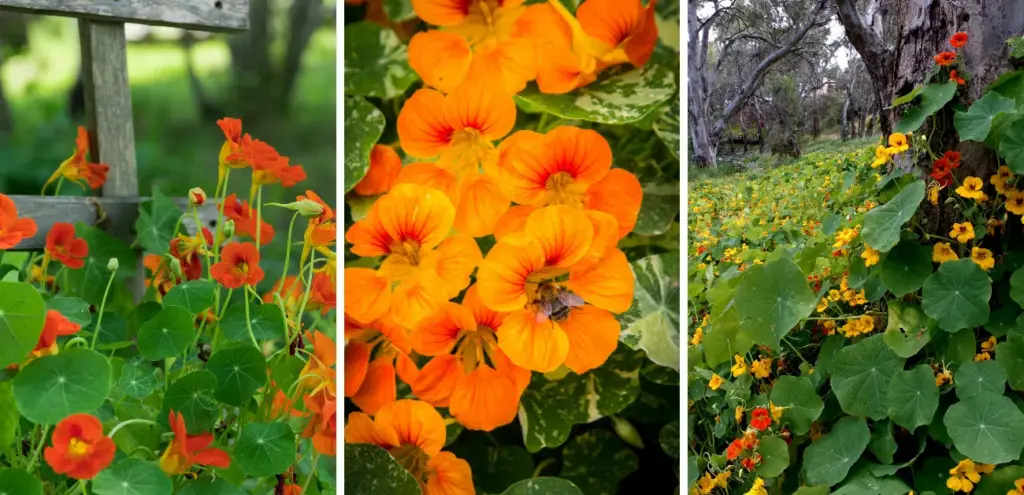
If you’re looking for something beautiful and low-maintenance, nasturtium fits the bill. It thrives in poor soil, tolerates neglect, and produces cheerful blooms in vibrant shades of orange, red, yellow and cream.
Whether you grow it as a ground-cover, trailing over containers or climbing a trellis, it adds color and life easily.
4. Culinary & Medicinal Value
In the kitchen, nasturtium adds flavor, color and interest. Think vivid flower garnishes, peppery leaves in salads, pickled pods on cheese boards.
Medicinally, its compounds show antibacterial, antifungal and immune-supporting properties. While not a substitute for medical treatment, it’s a wonderful garden-to-plate-to-wellness plant.
5. Natural Antibiotic Properties
Nasturtium contains natural compounds that show strong antibiotic activity. When consumed fresh, it supports the body’s natural defenses, making it a powerful garden-grown health booster.
6. Supports Respiratory Health
The plant has long been used in traditional herbal practices to soothe mild respiratory discomfort. Its leaves and flowers can be used in teas or fresh preparations to support easier breathing.
7. Helps Improve Skin Health
Because of its antibacterial nature, crushed nasturtium leaves may help calm minor skin irritations. Gardeners often use it as a gentle herbal aid on small cuts, scrapes or insect bites.
8. Boosts Hair Growth Naturally
Nasturtium has compounds that stimulate circulation. Hair rinses made from the leaves and flowers have been used traditionally to encourage healthier, stronger hair.
9. Attracts Pollinators to Your Garden
Its vivid, nectar-rich blooms attract bees, butterflies and hoverflies. This increases pollination for nearby fruiting vegetables and flowering plants, improving overall garden productivity.
10. Helps Prevent Soil Erosion
Trailing varieties spread across the soil and create a natural living mulch. This helps protect exposed soil from heavy rain, heat and erosion.
11. Excellent Living Mulch for Vegetable Beds
Dense nasturtium foliage shades the soil, helping maintain moisture and reduce weed pressure. This benefits vegetables that like cooler, shaded roots such as lettuce or spinach.
12. Perfect for Beginner Gardeners
Nasturtium is extremely forgiving. Even if you forget to water it or plant it in poor soil, it still grows well, making it ideal for new gardeners learning their rhythm.
13. Works Beautifully in Containers and Hanging Baskets
Its trailing habit spills gracefully over pots, walls and baskets. Just one or two plants can transform a balcony or window box into a colourful display.
14. Self-Seeding for Effortless Future Gardens
Once established, nasturtium drops seeds that sprout the following season with almost no effort. This creates a consistent splash of colour year after year without replanting.
15. Safe, Chemical-Free Pest Control Option
Because nasturtium attracts pests away from your vegetables, you can reduce or eliminate the need for chemical pesticides. It supports a cleaner, more natural garden ecosystem.
Uses & Benefits of Nasturtium
| Use Area | Specific Benefit | Key Note |
|---|---|---|
| Edible leaves & flowers | Peppery flavour, vibrant colour | Harvest early for best flavour |
| Seed pods (pickled) | Caper-like condiment | Use unripe pods; pickle for longer use |
| Companion plant / trap crop | Reduces pests on veggies, attracts beneficial insects | Plant alongside cabbages, brassicas, vines |
| Garden ornament | Bold colours and shapes, ground-cover or trailing habit | Tolerates poor soil, neglect-friendly |
| Medicinal properties | Vitamin C, antibiotics-like action, immune support | Use fresh; moderate consumption |
How to Grow Nasturtium Successfully?
To get the most from nasturtium, here’s how to grow it like an expert gardener who keeps it easy and effective.
1. Planting Time & Location
Choose a spot with full sun if you want lots of flowers; in hotter climates partial shade is acceptable, though blooms may reduce. Soil doesn’t have to be rich—in fact, too much fertility encourages leaves at the expense of flowers.
2. Sowing Seeds or Transplanting
Sow seeds directly after the last frost. Space plants based on their habit: trailing types can spill over walls or containers, bush types work well in borders. Keep soil lightly moist until established.
3. Soil & Watering
Well-draining soil is key. Nasturtium dislikes heavy, soggy ground. Water regularly initially, then allow moderate dryness between watering—yet don’t let the plant suffer.
4. Maintenance
Dead-heading spent flowers encourages new blooms and reduces self-seeding if you prefer a controlled display. In containers feed lightly once or twice with a balanced feed. Avoid rich fertilizer.
How to Use Nasturtium in the Kitchen & Garden?
In the Garden:
- Plant as a border companion with brassicas and cucurbits to distract pests.
- Let trailing varieties cascade from containers or walls for instant colour.
- Allow some plants to self-seed to fill gaps easily next year.
In the Kitchen:
- Toss flowers into salads, soups, or use as edible decoration on cakes.
- Roll bright leaves around soft cheese or use instead of lettuce in sandwiches.
- Harvest young seed pods and pickle them in vinegar for a tangy caper alternative.
As a Medicinal Support:
- Use leaves or flowers fresh in salads for their vitamin and phytonutrient benefit.
- A tea made from fresh blossoms can serve as a mild soothing remedy (check suitability if pregnant or on medication).
- Apply crushed leaves on minor cuts or to soothe insect bites (clean and rinse area first).
Tips & Important Points to Remember
- For best flavor, harvest leaves early in the day; heat can increase their peppery intensity.
- Avoid planting in overly fertile soil if flowering is your main goal; fertility shifts growth to leaves.
- If using for pest control, plant nasturtium near vulnerable crops (e.g., brassicas, cucurbits) early in the season.
- When eating any part of the plant, be sure no chemical treatments (pesticides/herbicides) were applied.
- Although hardy, nasturtium cannot tolerate hard frosts—treat as an annual in cooler climates.
With everything from vibrant colour, edible goodness, garden protection and wellness support, nasturtium is more than a pretty face in the flower bed. It is a true multi-purpose plant that rewards your care in multiple dimensions.
Whether you plant it for food, for flowers, for pest defense or for a splash of garden magic, you’ll quickly discover why it’s a favorite among gardeners who love function as much as beauty.