Few plants are as underestimated and yet as versatile as white clover (Trifolium repens). Growing low in lawns, meadows and even cracks along walkways, this creeping legume is often dismissed as a weed — but it quietly offers a wealth of benefits for your garden, your soil, and even your health.
In this expert-yet-easy guide you’ll discover what white clover is, why it matters, how to use it, and how to manage it.
Whether you’re looking to enrich your soil, attract pollinators, forage for wild edibles or simply adopt a more sustainable lawn, white clover packs serious value.
What is White Clover (Trifolium repens)?
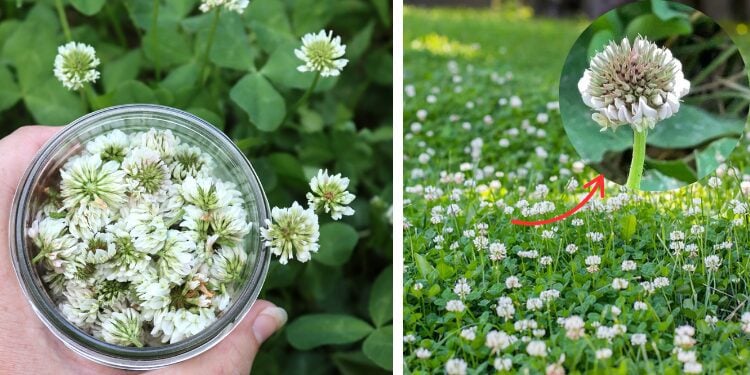
White clover is a perennial plant belonging to the legume family (Fabaceae). Native to parts of Europe and Central Asia, it has naturalised worldwide and shows up in lawns, pastures, and wild spaces.
Key features:
- Leaves: Typically three-part (trifoliate) leaves, often with a faint pale “V” or crescent-mark on each leaflet.
- Flowers: Globular heads of small white (sometimes pink-tinged) florets.
- Growth habit: Creeping stems (stolons) that root at nodes, forming a ground-hugging mat.
- Size: Generally 3-10 inches tall in lawn situations, though the tolerance and height vary with variety.
- Bloom time: Late spring through summer, in many temperate regions.
Because it spreads by stolons and by seed, it can fill in bare spots in lawns or pastures. And because it’s a legume, it brings one special gift to the garden: nitrogen-fixing roots.
Why White Clover Matters: The Benefits

White clover’s value goes far beyond “just weed”. Here are the major benefits, clearly explained:
1. Soil Health Superhero
As a legume, white clover forms symbiotic relationships with rhizobia bacteria in root nodules. These bacteria pull nitrogen from the air and convert it into forms plants can use.
The result: improved nitrogen levels in soil, less need for synthetic fertilizer, and stronger growth for nearby plants.
It also helps with soil structure: the creeping habit and root network improve aeration, reduce compaction and support microbial life.
2. Lawn-friendly Ground Cover
If you view your lawn as more than turf, white clover makes a compelling partner. It tolerates some mowing, stays green with less input, resists drought better than many grasses, and reduces bare patches and weeds.
For those looking to reduce water use, fertilizer, or mowing frequency, a lawn blended with white clover offers a smart alternative.
3. Pollinator Magnet
The little white flower heads are attractive to bees, butterflies, and other beneficial insects. By keeping white clover in your lawn or garden, you boost nectar and pollen availability.
In an era when pollinators need support, this is a meaningful contribution.
4. Edible and Medicinal Uses
Yes — the leaves and flowers of white clover are edible, and the plant has been used in traditional herbal remedies. It contains vitamins A and C, trace minerals, flavonoids and other compounds.
In folk use, it has been employed for mild detoxification, skin‐health applications, respiratory relief and more.
5. Ecological and Sustainable Choice
By requiring less fertilizer, less mowing, adapting to poorer soils and supporting beneficial insects, white clover aligns with sustainable garden design.
If you’re seeking lower-maintenance green spaces or lawn alternatives, it ticks many boxes.
Key Characteristics of White Clover vs. Grass Lawn
| Feature | White Clover (Trifolium repens) | Typical Turf Grass |
|---|---|---|
| Nitrogen fixing | ✔ Fixes nitrogen naturally via root nodules | ✘ Depends on added fertilizers |
| Soil conditions | Tolerant of poorer, compacted soils; spreads into bare spots | Often needs good fertility and soil health |
| Water / fertilizer needs | Lower input: less fertilizer, less irrigation in dry spells | Higher input: often needs watering and fertilising |
| Growth habit | Creeping stolons, forms mat, lower height | Variable height, higher mowing needed |
| Pollinator value | High: many accessible flowers | Often low: turf grasses have fewer flowers |
| Maintenance | Can require less mowing and care | Requires regular mowing and upkeep |
| Edible/medicinal value | Leaves & flowers edible; traditional medicinal uses present | Generally no edible or medicinal value |
How to Use White Clover in Your Garden or Lawn?

Here’s how to make the most of this plant, whether you want to integrate it into a lawn, use it as ground cover, or harvest it for culinary or herbal use.
For Lawns
If you’d like to allow or encourage white clover in your lawn, you can overseed with clover seed, reduce fertilizer with high nitrogen content (which favors grass only), mow less frequently and allow the clover to bloom a bit.
You’ll end up with mixed turf that stays greener longer and supports pollinators.
For Soil Improvement
Use white clover as a cover-crop or living mulch. In vegetable gardens or borders, letting clover fill in bare patches helps enrich the soil and suppress weeds.
For Foraging and Herbal Uses
Harvest young leaves and fresh flowers (in areas free of herbicide/pesticide). They can be added raw to salads (though flavor is mild), steeped into teas, used as components of wild-edible mixes or processed into salves/poultices.
For Wild Garden or Meadow Style Lawns
Allow white clover to dominate or co-dominate in spots, reduce mowing height and frequency, and enjoy a lawn that behaves more like a natural meadow with ecological benefit.
How to Identify and Harvest Safely?

Identification: Look for the trifoliate leaves (three leaflets) with a pale mark near the base. The flower heads are white (sometimes tinged with pink) and globe‐shaped. The plant creeps via stems that root at nodes.
Where it grows: Lawns, pastures, roadsides, meadows, open grassy areas.
Harvest timing: Young leaves early in season for best flavour. Flowers when fully open but before browning for maximum nutrient value.
Safety/foraging tips:
- Avoid areas recently treated with herbicides or heavy traffic/pet use.
- Wash thoroughly.
- Take only what you need; leave plenty for wildlife and soil benefit.
- Introduce slowly into diet; if allergic to legumes, proceed with caution.
Medicinal & Culinary Highlights

Though not a high‐potency medicinal herb, white clover has a decent profile of traditional uses and edible value.
Edible uses
Young leaves and flower heads can be tossed into salads, blended into smoothies or steeped for a light herbal tea. Flowers offer mild sweetness and a novelty appearance.
Herbal uses
In folk herbalism, white clover has been used for:
- Detoxification support (blood/lymph system)
- Mild expectorant and respiratory relief
- Anti-inflammatory topical applications (e.g., poultice for minor cuts or rashes)
- General wellness teas with vitamin and mineral benefit
Precautions
- If you take blood-thinning medication or have hormone-sensitive conditions, consult a healthcare professional since some components may interfere.
- Avoid harvesting from contaminated sites or near roads with heavy pollution.
- Always introduce new wild herbs gradually.
When Might You “Not” Want White Clover?
While white clover is broadly beneficial, there are scenarios where you might choose to limit or exclude it:
- If you prefer a perfectly uniform, high‐maintenance fine turf grass lawn (clover gives a more “wild” look).
- In high foot-traffic sports lawns where creeping stolons might not hold up well.
- If pets or children are constantly using a lawn area and you prefer bare turf.
- If you favour plants that prefer highly alkaline or dry conditions where clover may struggle.
Final Thought
White clover is much more than just a “weed in the lawn”. It is a nitrogen-fixing, soil-enriching, pollinator-attracting, edible and medicinal plant quietly working beneath your feet.
Whether you welcome it into your lawn, use it as ground cover, forage it for wellness, or simply admire its hardiness, it offers a rich array of benefits.
If you’re ready to shift your perspective and see your patch of clover not as unwanted but as valuable, you’ll unlock new potentials in your garden and landscape.
Next time you spot the little white flowered mats in your lawn, take a moment: you’re looking at a powerhouse plant that’s been hiding in plain sight.
Embrace the clover. Let it grow. Let it nourish your soil, feed your pollinators, offer you wild edibles and connect you to a simpler, more ecological gardening style.