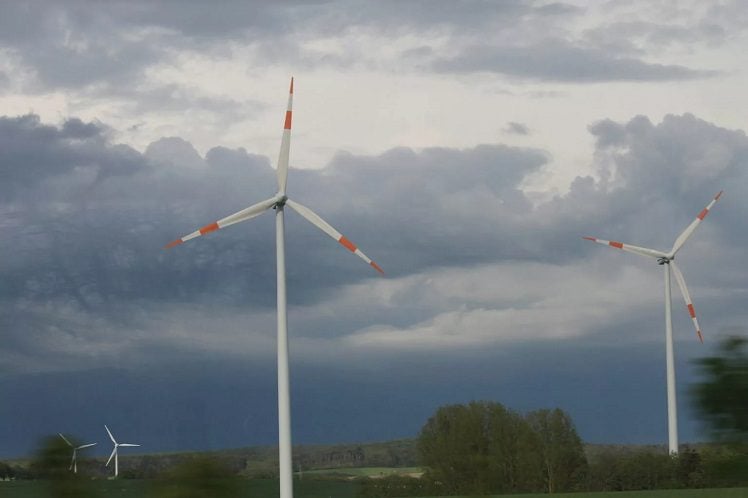
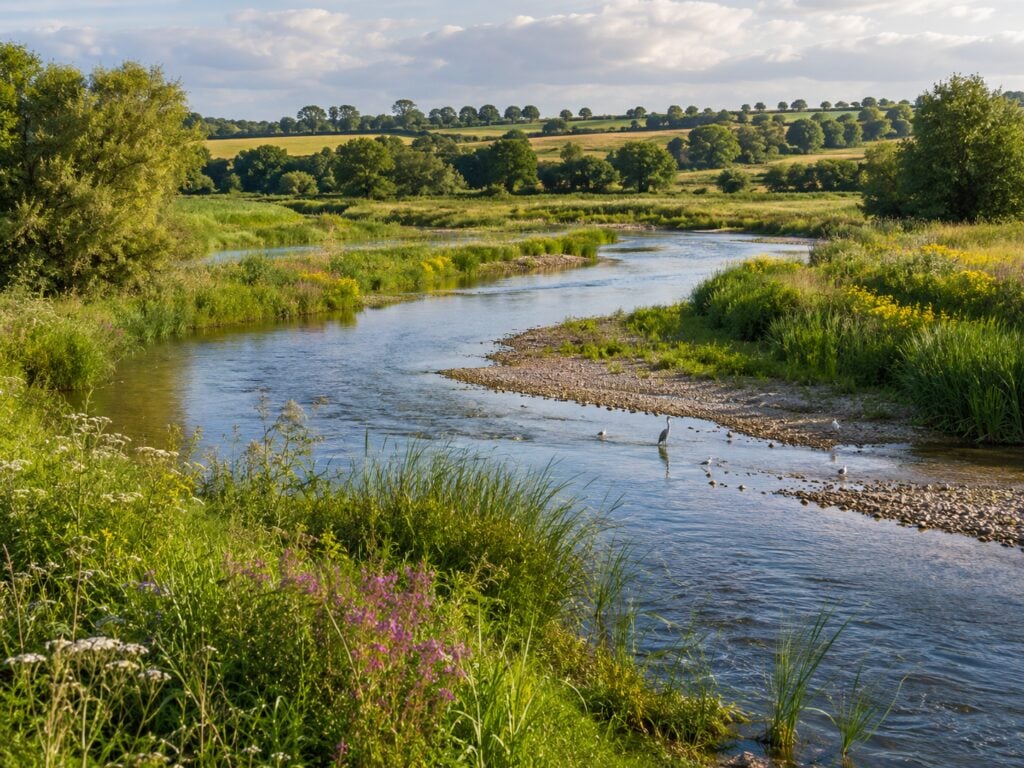
No AI system can replace water, trees, or wildlife once they are lost forever. Technology can generate images, answer questions, process information, and make everyday tasks easier, but it cannot rebuild a destroyed ecosystem with the push of a button. That is why I believe the growth of artificial intelligence must be discussed alongside the environmental cost of the infrastructure that supports it.
Data centers keep the internet, cloud services, streaming platforms, online banking, and modern AI running. They are essential to digital life, but some facilities require enormous amounts of electricity and cooling water. The real problem begins when companies choose locations without properly protecting nearby communities, local water supplies, forests, farmland, and wildlife habitats.
I am not against technological progress. I use digital tools, depend on online services, and understand how valuable AI can be. But I do not believe progress should mean draining local water sources or clearing valuable natural land. Technology should improve life without quietly damaging the places people and animals depend on.
Why Data Centers Need So Much Power?
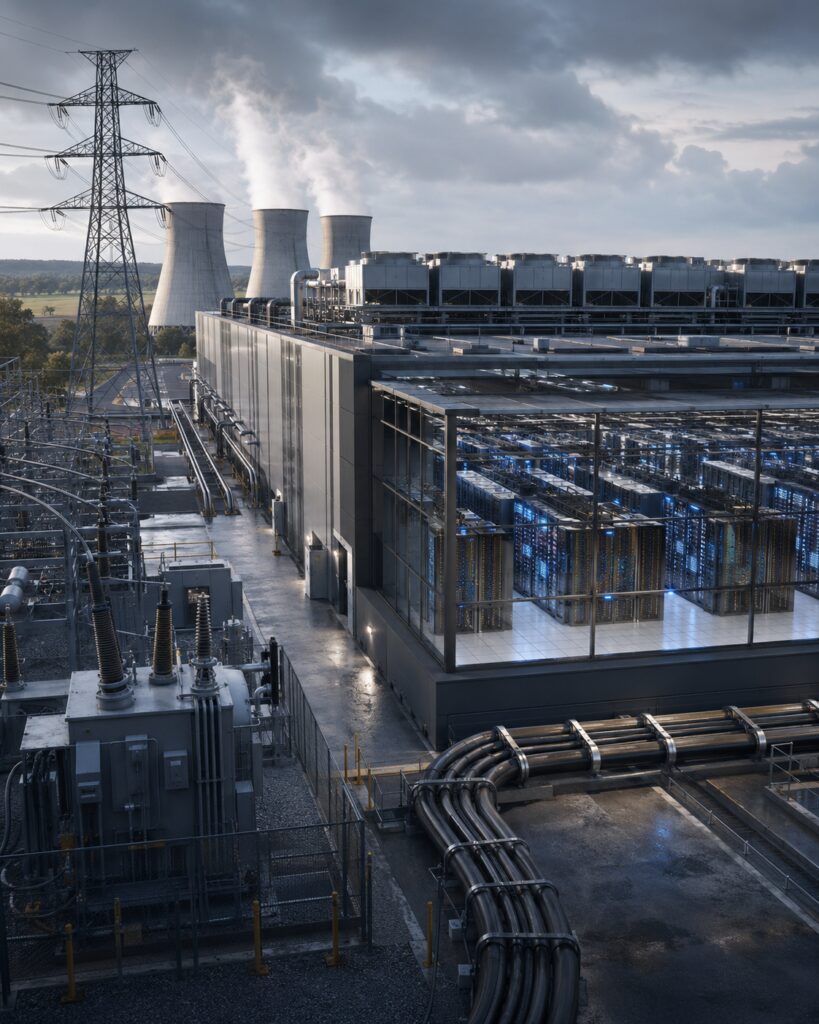
A data center may look like an ordinary industrial building from the outside, but inside it can contain thousands of computer servers running day and night. These machines store information, process online requests, support cloud services, and carry out the complex calculations used by AI systems. Because the servers operate constantly, they require a reliable supply of electricity.
The more powerful the computing system, the more energy it may consume. Training large AI models can involve many specialized processors working continuously for long periods. Even after a model is trained, running it for millions of users still requires electricity.
I think this part is easy to overlook because digital services feel almost invisible. When I send a message, store a photo online, or ask an AI tool a question, I do not see the physical machines completing the task. Yet every digital action depends on real infrastructure somewhere.
The source of the electricity matters. A data center powered largely by renewable energy may have a different environmental impact from one that depends heavily on fossil fuels. That is why companies should not only report how much electricity they use, but also explain where that power comes from.
My personal tip is to look beyond claims such as “energy efficient.” Efficiency is useful, but a very large facility can still consume a huge amount of power even when its equipment is newer and more efficient.
Why Cooling Water Is So Important?
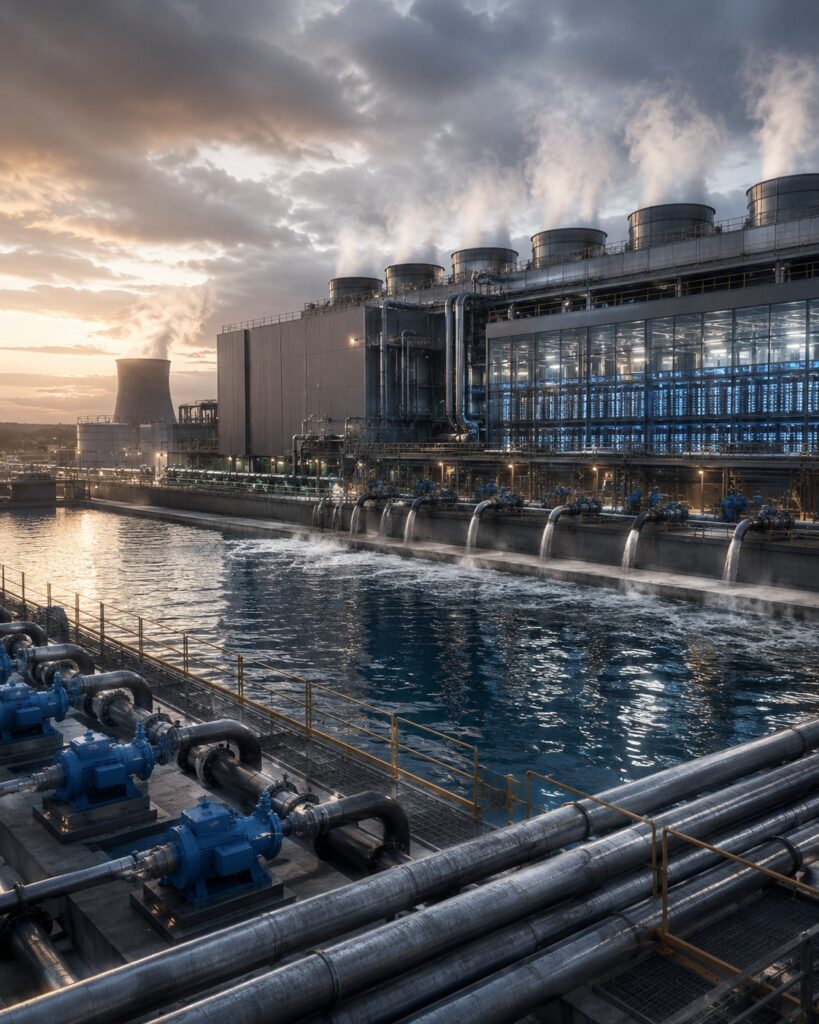
Computer servers generate heat while they operate. If that heat is not controlled, the equipment can slow down, fail, or become damaged. Data centers therefore need cooling systems that keep the machines at safe temperatures.
Some cooling systems rely heavily on water. The water may absorb heat directly or support cooling towers that release heat into the air. In hot or dry areas, demand can be especially high because the facility must work harder to maintain safe temperatures.
This becomes a serious concern when a data center competes with homes, farms, hospitals, and natural habitats for limited water.
Water use is not just a technical issue. It affects real people. A local community may already be dealing with drought, falling groundwater levels, or restrictions on household and agricultural use. Adding a large industrial facility can increase pressure on the same supply.
I believe companies should clearly explain how much water a proposed facility may use during normal operation and during the hottest parts of the year. Average annual numbers alone may hide periods of especially high demand.
My personal advice for residents near proposed developments is to pay attention to where the water will come from. A promise to use “recycled water” sounds positive, but it is still important to ask how much will be available and whether that supply is reliable.
Choosing the Wrong Location Can Create Lasting Damage
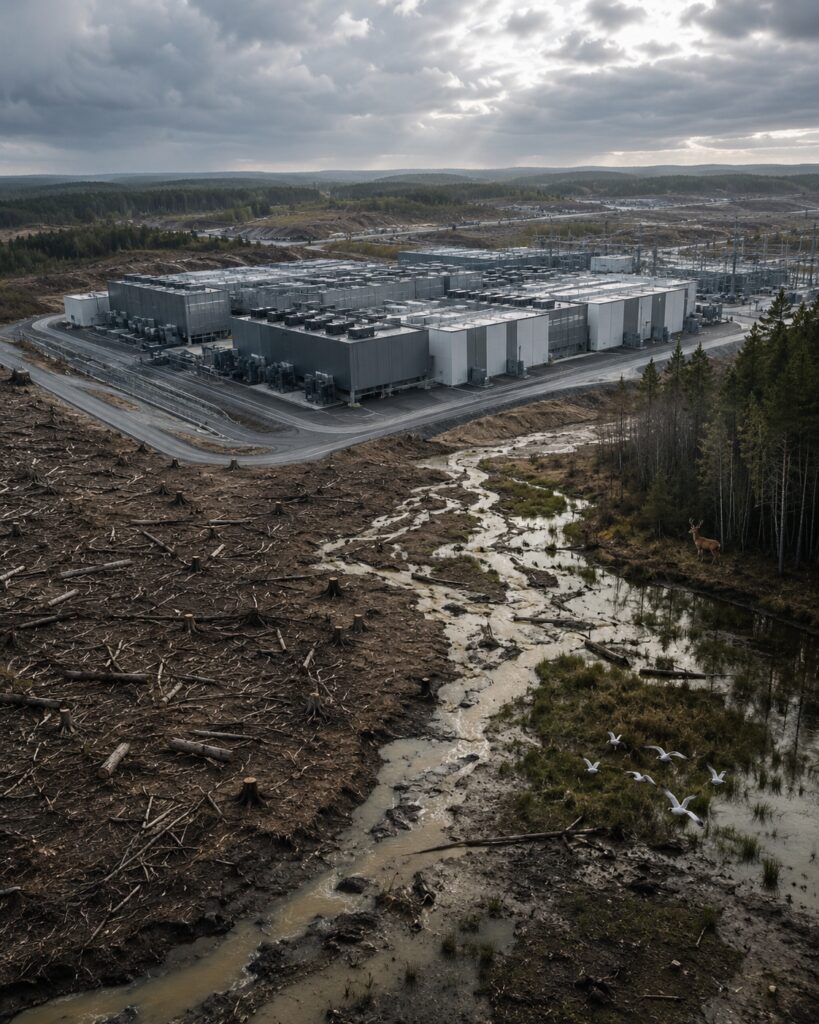
Location is one of the most important decisions in data center development. A facility placed in a water-rich area with strong renewable energy access may create fewer environmental risks than one built in a drought-prone region or beside a sensitive habitat.
Unfortunately, companies may choose locations based mainly on cheap land, tax incentives, available power, or proximity to network infrastructure. Those factors matter to business, but they should not be the only considerations.
Building a large facility may require clearing trees, leveling land, constructing roads, and installing power lines. These changes can divide wildlife habitats and disturb migration routes. Noise, artificial lighting, and increased traffic may also affect nearby animals.
Once mature trees are removed or wetlands are damaged, restoration can take decades. In some cases, the original habitat may never fully return.
This is why I believe environmental reviews should happen before construction begins, not after problems appear. A company should be able to show that it considered less harmful locations and avoided areas with high ecological value.
A useful personal rule is to be cautious whenever a development is described as “empty land.” Land that appears empty to people may still provide food, shelter, breeding space, or a travel corridor for wildlife.
Local Communities Should Not Carry the Hidden Cost
Data centers can bring investment, construction work, and tax revenue. Supporters often highlight those benefits, and they can be meaningful. However, communities also need an honest picture of the possible long-term costs.
A facility may increase demand on electricity networks, water systems, roads, and emergency services. Nearby residents may experience more traffic, noise, or pressure on local land. In some areas, people may worry that industrial water use could affect household wells or farming.
I do not think communities should be expected to accept environmental risk simply because a project is connected to advanced technology. Residents deserve clear information and a real role in the decision.
Public meetings should happen early enough for community feedback to influence the project. Technical reports should also be written in language ordinary people can understand.
My personal tip is to look for specific commitments rather than broad promises. “We care about sustainability” is not the same as publishing water limits, energy sources, habitat protections, and emergency plans.
Communities should also ask who will be responsible if conditions change. A project that appears manageable during a wet year may become more difficult during a severe drought.
Efficiency Helps, but It Is Not Enough
Technology companies often improve the efficiency of their equipment. Newer servers may complete more work with less electricity, and improved cooling systems may reduce water consumption. These changes are important and should continue.
However, efficiency alone does not automatically reduce the total environmental impact.
If demand for AI and cloud services grows faster than efficiency improves, total electricity and water use can still rise. This is sometimes called a rebound effect: each individual task becomes more efficient, but the number of tasks grows so much that overall consumption increases.
I see this as one of the biggest challenges in conversations about sustainable AI. A company may honestly report that its systems are more efficient while also expanding the number and size of its data centers.
That is why total resource use matters as much as efficiency per task.
Companies should report both. They should explain how much energy and water each service uses more efficiently, while also showing whether the company’s overall consumption is rising or falling.
Without that wider view, sustainability claims can sound more impressive than they really are.
Better Data Centers Are Possible
The environmental risks are real, but they are not unavoidable. Data centers can be designed and operated more responsibly when companies make sustainability a priority from the beginning.
Facilities can be located away from water-stressed regions and sensitive ecosystems. They can use renewable electricity, recycled water, closed-loop cooling systems, and designs that reduce the need for mechanical cooling.
Waste heat may also be reused in some locations to warm nearby buildings or support industrial processes. This will not work everywhere, but it shows that heat does not always need to be treated only as waste.
Companies can also protect surrounding land, restore damaged habitats, and create wildlife corridors. These measures should be based on scientific assessments rather than simple landscaping around the building.
I believe the best projects are those that set measurable limits before construction. For example, a company might commit to a maximum level of freshwater use, a specific share of renewable power, and permanent protection for nearby habitat.
Progress becomes more trustworthy when people can measure it.
What Consumers Can Do?
Individual users do not choose where most data centers are built, but we are not completely powerless. The services we use and the companies we support help shape demand.
I try to avoid unnecessary digital waste, such as storing many duplicate files or generating large amounts of content I do not need. These actions may seem small, but millions of people making more thoughtful choices can reduce some demand.
Consumers can also support companies that publish clear environmental reports and set serious water, energy, and land-use targets. Transparency should be rewarded.
I also think it is helpful to question the idea that every product needs AI. Some applications provide real value, while others add computing demand without offering much practical benefit.
The goal is not to stop using technology. It is to use it more intentionally and expect better behavior from the companies providing it.
Progress Should Not Mean Permanent Loss
AI may help scientists analyze ecosystems, improve weather forecasts, monitor wildlife, or design more efficient systems. Those benefits are exciting. But they do not excuse environmental damage caused by poorly planned infrastructure.
No computer model can recreate an ancient forest exactly as it was. No cloud service can bring back a species after extinction. No AI assistant can restore water that has been permanently removed from an aquifer.
That is why I believe digital progress must respect physical limits.
Data centers should be built where water, electricity, communities, and habitats can be protected. Companies should be transparent, governments should set strong standards, and local residents should have a real voice.
Technology should grow, but not by draining local water or clearing valuable natural land. The smartest future is not one with the most powerful AI at any cost. It is one where innovation and nature can survive together.