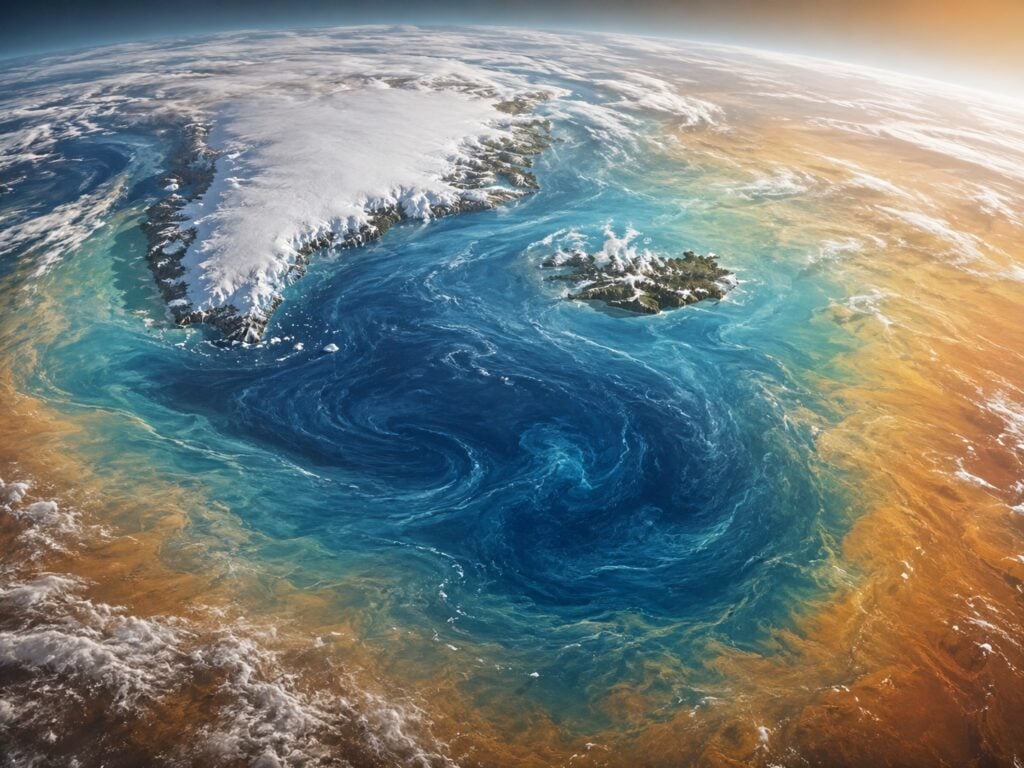
When I hear “El Niño,” I think about how connected our planet truly is. A change in ocean temperatures in the Pacific can influence weather patterns, storms, agriculture, and daily life around the world.
In 2026, NOAA reported that El Niño has developed, with forecasts suggesting it could strengthen and become a very strong event during the winter months.
For me, El Niño is a reminder that understanding climate patterns helps us prepare.
We may not control the weather, but better knowledge can help communities, farmers, and families make smarter decisions.
What Exactly Is El Niño and Why Does It Matter?
El Niño is not a storm, hurricane, or single weather event. It is a natural climate pattern that begins in the tropical Pacific Ocean and affects the global climate system.
NOAA defines El Niño as the warm phase of the El Niño-Southern Oscillation (ENSO). It occurs when sea surface temperatures along the equatorial Pacific become at least 0.5°C warmer than average for several months.
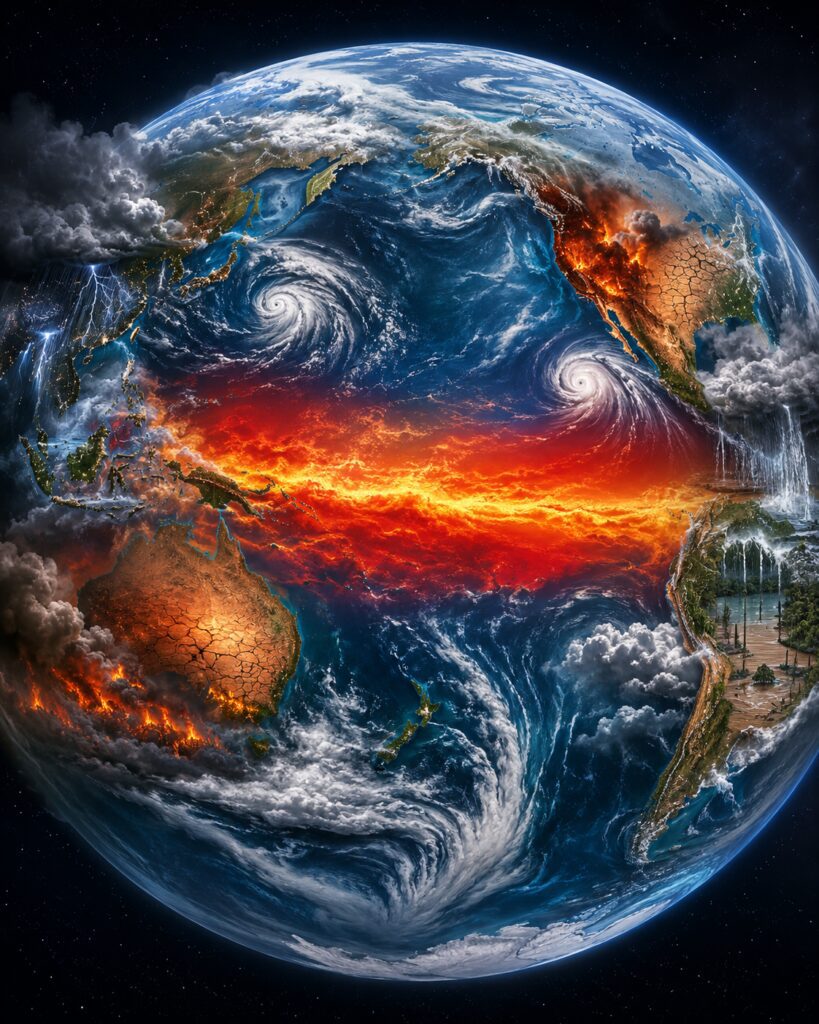
But temperature alone is not enough. Scientists also watch the atmosphere above the ocean, especially a large air circulation pattern called the Walker Circulation.
Normally, strong winds move warm surface water toward the western Pacific.
During El Niño, those winds weaken, allowing warmer water to shift east toward South America. This changes the interaction between the ocean and atmosphere, influencing weather patterns around the world.
I find this fascinating because it shows how connected Earth’s systems are. The ocean is not separate from the weather above us. It helps shape the conditions we experience every day.
How El Niño Could Change Winter Weather in the United States?
What interests me most about El Niño is how it can reshape winter weather patterns. A stronger El Niño can shift the jet stream, bringing more storms, rain, and snowfall to parts of the southern U.S., while some northern areas may experience warmer and drier conditions.
But I always remember that every El Niño is different. It does not predict exact weather for every city.
Instead, it helps scientists understand which conditions are more likely and allows communities to prepare better.
Why Coastal Communities Are Watching El Niño Closely?
For people living near the coast, El Niño is a reminder that changing weather patterns can create bigger risks. Warmer ocean conditions and shifting climate patterns can increase the chance of coastal flooding, especially when combined with high tides.
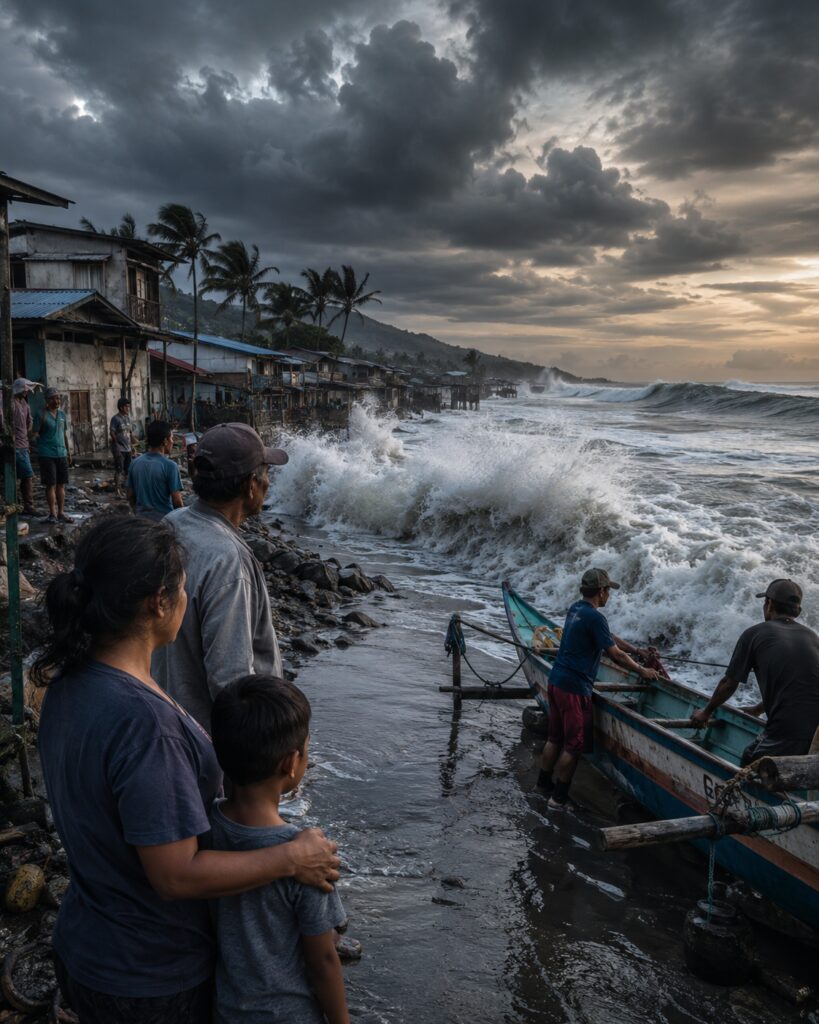
What stands out to me is that preparation can make a real difference.
While El Niño is a natural event, stronger risks can be reduced through better drainage, protected wetlands, emergency plans, and staying informed about local forecasts.
El Niño Does Not Only Affect Weather
The effects of El Niño extend far beyond land. When Pacific Ocean temperatures change, marine ecosystems can also be affected. Warmer waters can cause fish and other ocean animals to change their normal behavior.
Some warm-water species may move farther north, while colder-water species may move into deeper or cooler areas.
These changes can influence feeding patterns, reproduction, survival rates, and fishing communities that depend on healthy oceans.
Past El Niño events have also been linked to increased harmful algal blooms along the U.S. West Coast. These blooms can affect marine animals, water quality, and coastal economies.
This is one reason why monitoring El Niño is about more than predicting rain or temperature. It helps scientists understand how an entire ecosystem may respond.
A Better Way to Monitor El Niño
Scientists are constantly improving how they track climate patterns. In 2026, NOAA officially adopted a newer measurement system called the Relative Oceanic Niño Index (RONI) to help monitor El Niño and La Niña events.
Previously, scientists mainly relied on the Oceanic Niño Index (ONI), which compares ocean temperatures using a fixed 30-year average.
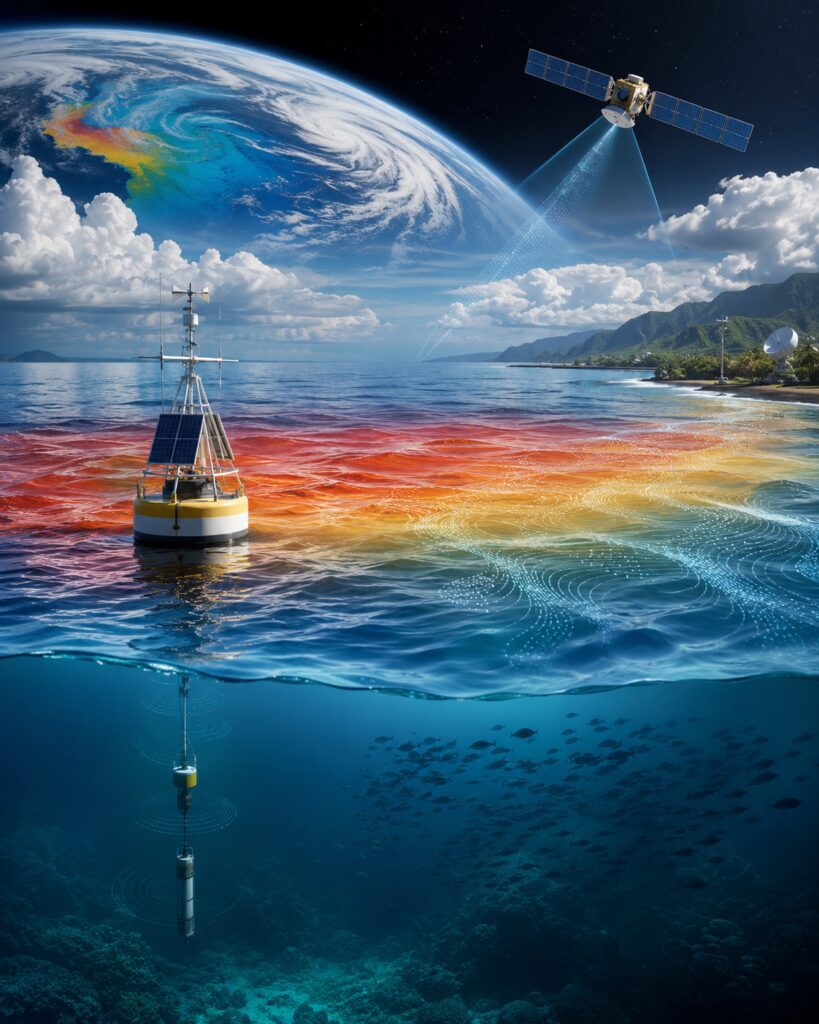
RONI uses a changing baseline that updates over time. NOAA researchers believe this approach better reflects modern ocean conditions and provides more useful information about how the atmosphere may respond.
To me, this improvement shows why climate science continues to evolve.
Scientists are not simply collecting data; they are constantly improving the tools they use to understand a changing planet. Better information means better preparation.
How I Personally Prepare During Major Climate Events?
When I hear about a developing El Niño, I do not think about panic. I think about preparation. My first tip is to follow reliable weather information instead of relying only on social media predictions.
Climate events are complicated, and oversimplified information can create unnecessary fear. My second tip is to understand local risks. El Niño affects different regions differently.
Someone living near the coast may need to think about flooding, while someone inland may need to prepare for drought or changing temperatures.
My third tip is to remember that preparation starts before extreme weather happens. Checking emergency supplies, understanding local alerts, and knowing community resources are small steps that can make a big difference.
Climate patterns like El Niño are natural parts of Earth’s system, but being informed helps us respond better.
What This El Niño Means for the Future?
The return of El Niño is another reminder that our climate system is constantly moving and changing. While scientists can now monitor these patterns better than ever, there are still uncertainties.
Weather depends on many factors, and El Niño is only one piece of a much larger puzzle. Still, early warnings give communities valuable time to prepare.
For me, the biggest lesson from this event is that understanding nature helps us live better with it.
The ocean, atmosphere, weather, and ecosystems are all connected. When one part changes, other parts respond.
El Niño is not something we can control, but it is something we can understand. And the more we understand these natural patterns, the better prepared we become for whatever weather comes next.