I used to think of climate change as a problem that belonged to the future. But now, it is showing up in the choices we make every day, from the price of groceries to the safety of our communities.
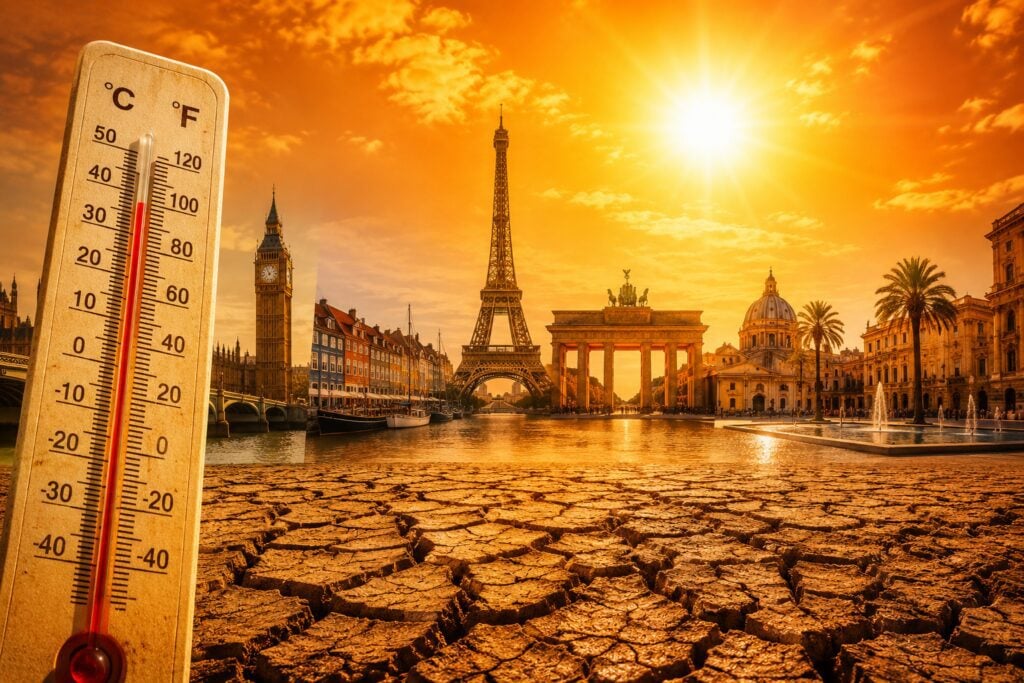
The possibility of crossing the 1.5°C warming threshold by 2030 is a wake-up call. The biggest concern is not just the temperature number, but what comes with it: stronger heatwaves, rising seas, extreme weather, and growing pressure on our food and energy systems.
To me, this is a reminder that the future is not something we simply wait for. It is something we are shaping with every decision we make today.
The World Is Facing a Four-Year Climate Countdown
The 1.5°C climate target once felt like a distant warning, but new research suggests we may reach that limit much sooner than expected.
What worries me is not only that the planet is warming, but that the pace is speeding up. Scientists estimate Earth is already around 1.37°C warmer than pre-industrial levels, with current trends pointing toward crossing 1.5°C by around 2030.
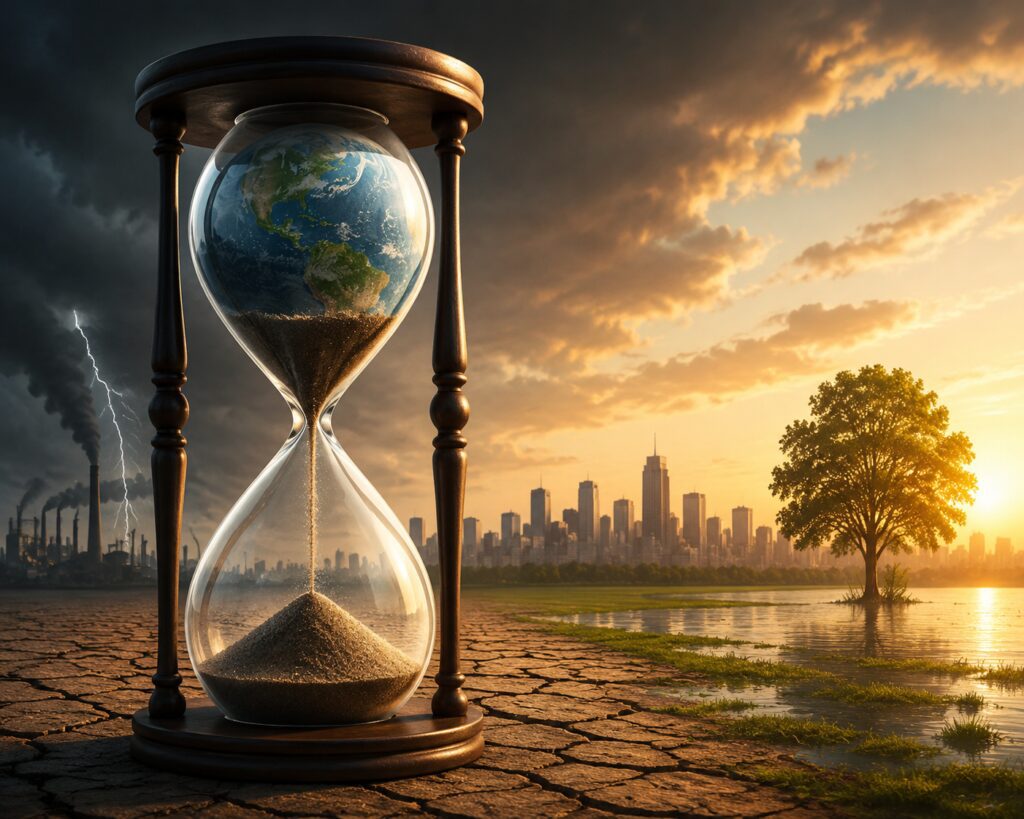
The remaining carbon budget feels like a countdown. We still have choices to make, but the time to act is becoming smaller. For me, this is a reminder that climate change is not just a future problem.
It is a challenge unfolding right now.
What Crossing 1.5°C Could Mean for Daily Life?
Climate thresholds can sound technical and disconnected from ordinary life. Most people do not experience the planet’s average temperature directly.
We experience climate change through hotter homes, damaged roads, expensive food, water restrictions, canceled flights, power outages, and higher insurance costs.
At 1.5°C of warming, severe heatwaves are expected to affect a much larger share of the global population. Estimates suggest that around 14 percent of people worldwide could experience extreme heat at least once every five years.
For families, this could mean more days when children cannot safely play outside. For construction workers, farmers, delivery drivers, and other outdoor workers, extreme temperatures could make normal working hours dangerous.
Hotter weather also increases the demand for air conditioning. This can raise household electricity bills while placing additional pressure on local power grids.
During major heatwaves, overloaded grids may struggle to provide reliable electricity at the exact moment communities need cooling the most.
There are practical steps I believe households can take now. Improving ventilation, using curtains to block direct sunlight, planting shade trees, checking air conditioners before summer, and learning the warning signs of heat exhaustion can make homes safer. These actions will not solve climate change, but they can reduce immediate risks.
Food and Water Could Become Less Predictable
Climate change does not only change the weather outside. It can also change what appears on our grocery bills. A warmer planet can bring heavier floods, longer droughts, and unpredictable conditions that make farming more difficult.
What stands out to me is how connected everything is.
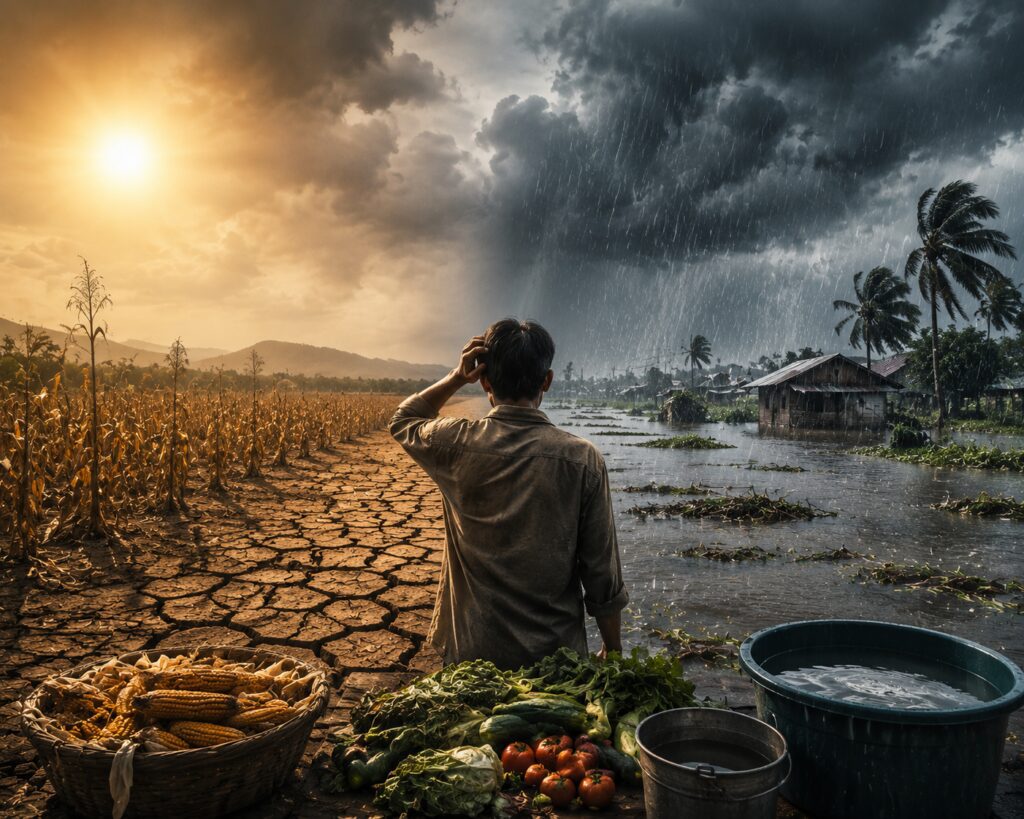
A drought or failed harvest in one part of the world can affect food prices and supplies thousands of miles away.
For me, this is a reminder that resilience starts at home. Reducing waste, saving water, supporting local farmers, and being prepared with basic supplies are small steps that can help us handle a changing climate.
Coastal Communities and Oceans Face Growing Pressure
The consequences of 1.5°C warming will also be highly visible along coastlines. Rising seas can turn unusually high tides into regular flooding events.
Over time, saltwater may damage roads, homes, drainage systems, farmland, and freshwater supplies.
Coral reefs face an even more severe threat. At 1.5°C of warming, scientists project that approximately 70 to 90 percent of coral reefs could disappear.
Coral reefs are not only beautiful underwater environments. They provide habitats for marine life, support fishing communities, attract tourism, and help reduce the force of waves reaching coastlines.
As reefs decline, fish populations and local economies may suffer. Coastal communities may also lose an important natural barrier against storms and erosion.
People living near the coast can begin by understanding local flood risks, reviewing evacuation routes, protecting important documents, and checking whether their insurance covers flooding.
Local governments must do much more by strengthening drainage, protecting wetlands, limiting unsafe coastal construction, and preparing infrastructure for rising seas.
Every Fraction of a Degree Still Matters/ima
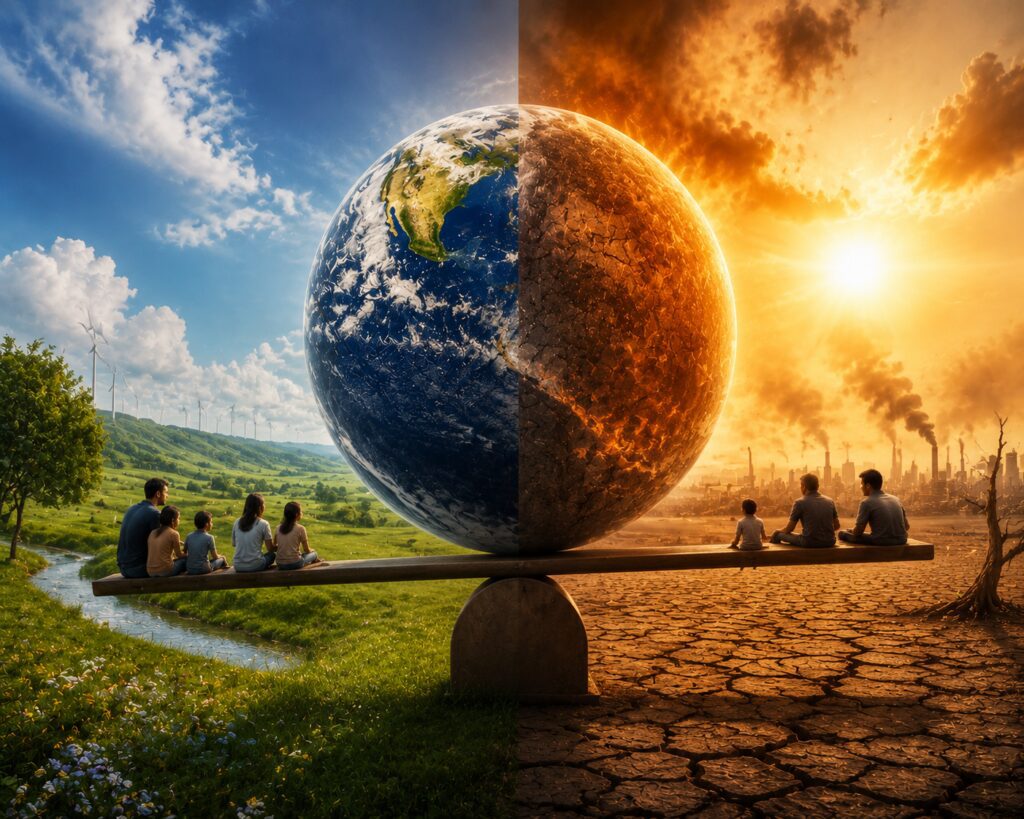
Crossing the 1.5°C threshold can feel like a point of no return, but I see it differently. It is not a moment when everything suddenly collapses. It is a warning that every additional fraction of warming brings greater risks.
The difference between 1.5°C and 2°C may seem small, but the impact on heatwaves, coral reefs, sea levels, and communities could be massive.
For me, this is why climate action still matters. Even if we cannot undo every change, every reduction in emissions can help limit future damage and protect more people.
Individual Choices Matter, but Governments and Corporations Must Lead
Personal environmental choices are useful, but individuals cannot carry the entire responsibility for a global industrial problem. Fossil fuels—including coal, oil, and gas—produce the majority of global greenhouse gas emissions and almost all carbon dioxide emissions.
Using less electricity, recycling, driving less, and reducing waste are positive habits.
However, individual action cannot replace major changes to energy systems, transportation, construction, agriculture, and heavy industry. Large corporations and governments have far greater power to reduce emissions at scale.
Governments can end unnecessary fossil fuel subsidies, invest in renewable energy, improve public transportation, require cleaner buildings, and create legally binding limits on industrial pollution.
Corporations must also move beyond voluntary climate promises. Businesses should be required to publish accurate emissions data, reduce pollution across their supply chains, and pay for environmental damage instead of transferring the costs to taxpayers and local communities.
As individuals, one of our most powerful actions is to stay informed and use our voices.
We can support responsible businesses, contact elected representatives, participate in local planning decisions, and vote for policies that protect communities from climate risks.
The Next Four Years Must Not Be Wasted
The possibility of permanently crossing 1.5°C by 2030 should not be treated as another frightening headline that disappears after a few days. It should be understood as a clear demand for faster action.
The effects of climate change are already visible. Crossing the threshold could make those disruptions more intense, more expensive, and more difficult to manage. Still, the future is not completely decided.
We may no longer be able to protect the world from every consequence, but we can prevent many conditions from becoming worse. We can protect vulnerable communities, strengthen infrastructure, improve emergency planning, expand clean energy, and reduce the pollution driving further warming.
For me, the most important message is simple: missing one climate target does not give humanity permission to stop trying. Every year matters. Every policy matters. Every fraction of a degree matters. The four-year countdown is not only a warning about what could be lost. It is also a reminder that the decisions made today will determine how safe, affordable, and livable the future becomes.