When I think about farming, I rarely see it as a choice between crops and animals. I see it as a balancing act. Farmers have to produce food, earn a living, care for their land, adapt to changing weather, and meet the expectations of society—all at the same time.
That is why the UK government’s new Farming Roadmap 2050 immediately caught my attention.
Published by the Department for Environment, Food and Rural Affairs (DEFRA), the roadmap lays out a long-term vision for English farming over the next 25 years. Among its many ideas is encouraging more diversification into lower-emission crops such as oilseeds, lentils, beans, and other pulses. The document also notes that growing consumer demand for plant-based foods may create new business opportunities for farmers.
Supporters see this as a necessary step toward a more sustainable food system. Critics argue it overlooks the realities of raising livestock and managing land that simply cannot be converted into crop fields.
Personally, I think both sides raise important points. The real challenge is not deciding whether crops are better than livestock. The challenge is finding a farming system that can feed people, protect nature, and still allow farmers to make a decent living.
Why the UK Wants Farming to Change?
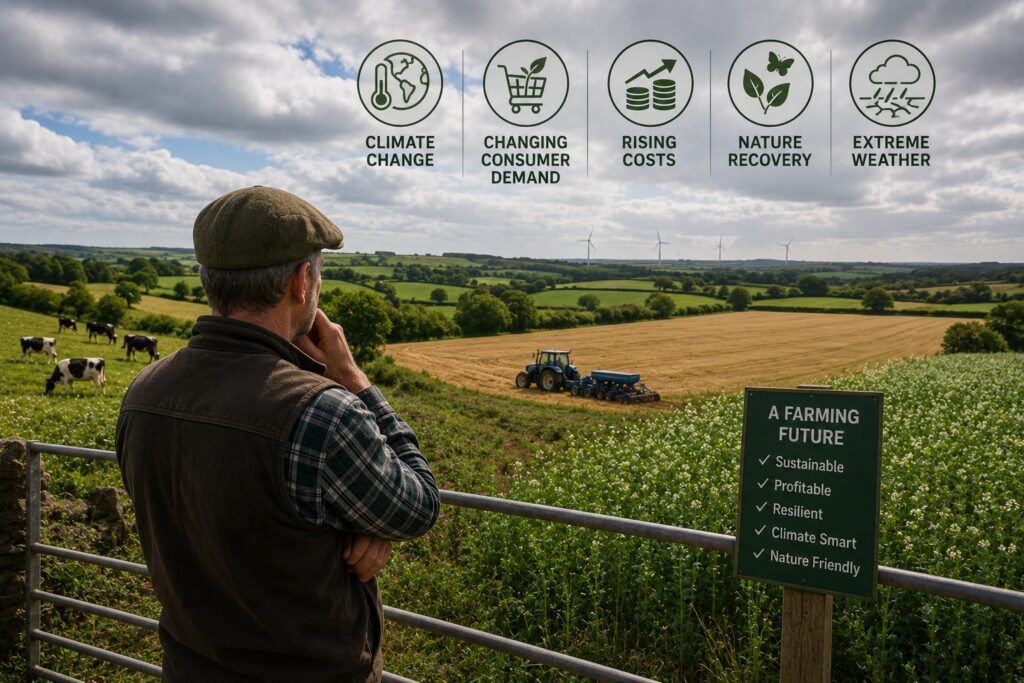
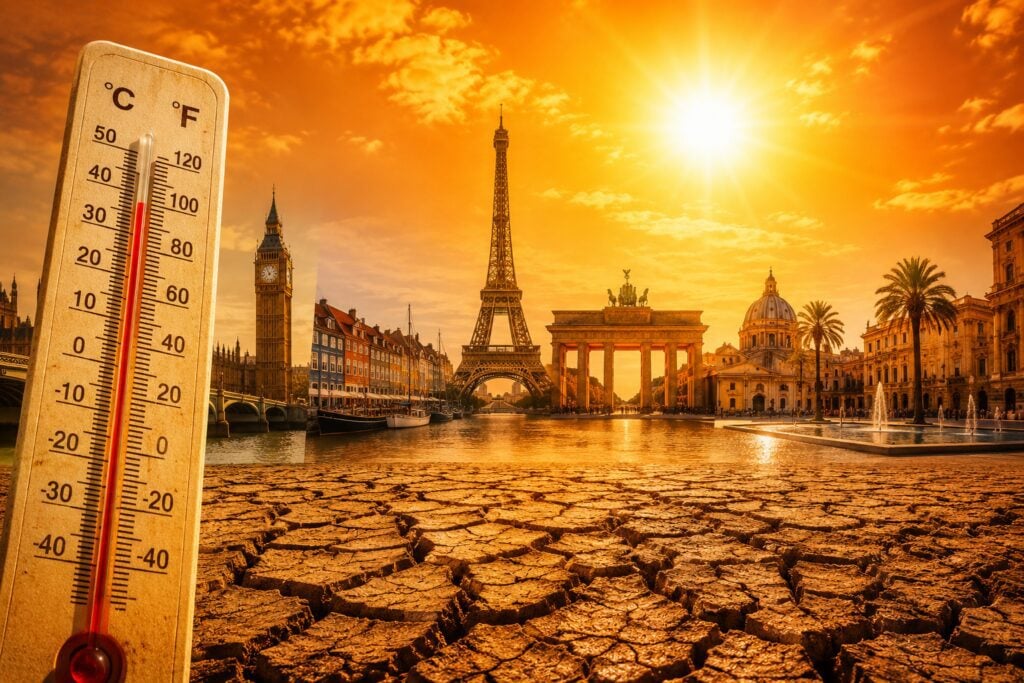
Agriculture today faces pressures that previous generations of farmers never imagined. Climate change is bringing more floods, droughts, heatwaves, and unpredictable growing seasons. Farmers also face rising production costs, changing consumer preferences, and increasing pressure to reduce greenhouse gas emissions.
These challenges are exactly why the Farming Roadmap was created. Rather than focusing only on the next harvest, it provides a long-term framework that aims to make English farming more profitable, productive, sustainable, and resilient by 2050. One section encourages diversification. Instead of relying entirely on traditional farming systems, some farms may choose to expand into crops like lentils, peas, beans, and oilseeds. This does not mean every livestock farm is expected to disappear.
Instead, the roadmap recognizes that different farms have different strengths, and future demand for plant-based foods could provide additional income opportunities. I think this is an important distinction because headlines often make it sound as though the government wants every farmer to stop raising animals tomorrow. That is not what the roadmap actually says.
Why Pulses Are Getting More Attention?
Many people hear the word “pulses” and immediately think of soup. In reality, pulses include lentils, peas, chickpeas, and many types of beans. They have become increasingly popular because they are nutritious, affordable, and naturally rich in protein. From an environmental perspective, pulses also offer several advantages.
Unlike many other crops, legumes can naturally fix nitrogen from the atmosphere, reducing the need for synthetic fertilizers. That can lower production costs, improve soil health, and reduce greenhouse gas emissions associated with fertilizer manufacturing. Growing different crops also helps diversify farm rotations, which can improve soil structure and reduce pest pressure over time.
As someone who enjoys learning about agriculture, I find this fascinating because it shows that sustainability is not only about producing less pollution. Sometimes it is also about improving how farming systems work naturally. That said, environmental benefits alone do not guarantee a successful business. Farmers still need reliable markets, suitable land, stable prices, and practical ways to harvest and sell these crops.
Why Many Livestock Farmers Disagree?
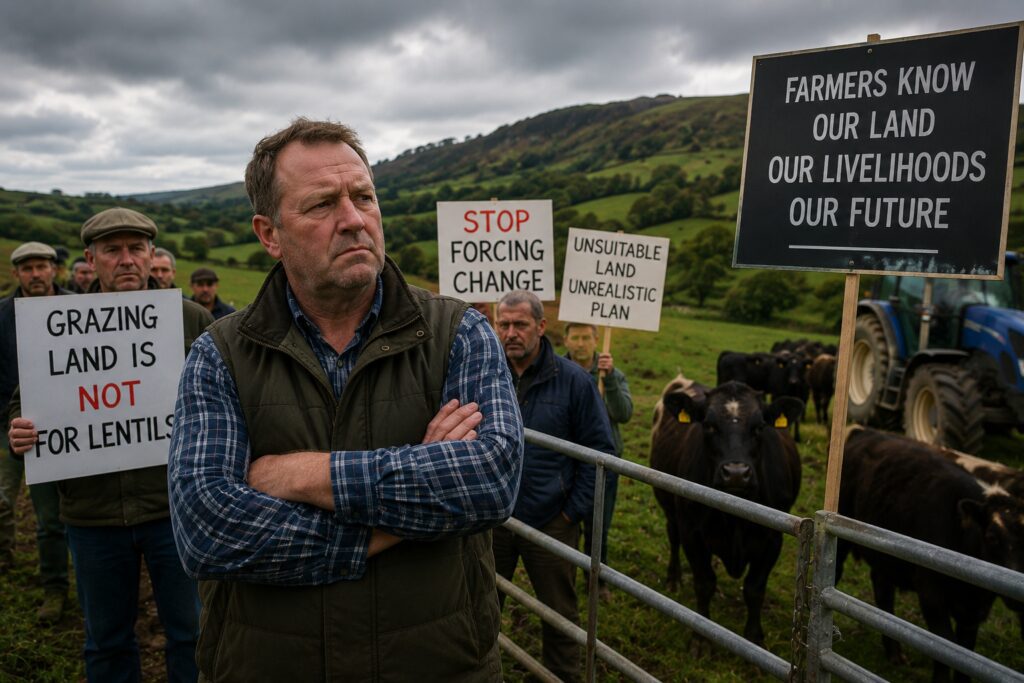
The strongest criticism came quickly from livestock producers.
National Farmers’ Union chief executive Tom Bradshaw said the roadmap contains ambition but lacks enough practical support and funding to help farmers achieve its goals. Berkshire cattle farmer Henry Graham argued that converting pasture into lentil fields would simply not work on much grazing land because of wet soils, rivers, and unsuitable growing conditions.
I understand this concern. Not all farmland is interchangeable. Some fields are excellent for growing cereals or pulses. Others are steep, rocky, frequently flooded, or naturally better suited to grazing sheep and cattle. If policymakers overlook these differences, even good environmental ideas can become unrealistic.
My personal rule whenever I read agricultural policy is simple: always ask whether the proposal fits the land itself. Nature usually has the final say.
Climate Goals and Food Security Must Work Together
One reason this debate has become so intense is that it involves two priorities that sometimes appear to compete. On one hand, governments want agriculture to reduce emissions and protect biodiversity. On the other hand, countries also want reliable domestic food production.
The Farming Roadmap repeatedly emphasizes that food production remains farming’s primary purpose while also encouraging better soil management, improved water use, nature recovery, and resilience against climate change.
I actually think this balance is the most interesting part of the document. Too often, discussions become “food versus environment.” But healthy soils, clean water, pollinators, and stable weather are not separate from food production. They are part of food production. Without healthy ecosystems, farms eventually become less productive anyway.
The Biggest Challenge Is Funding
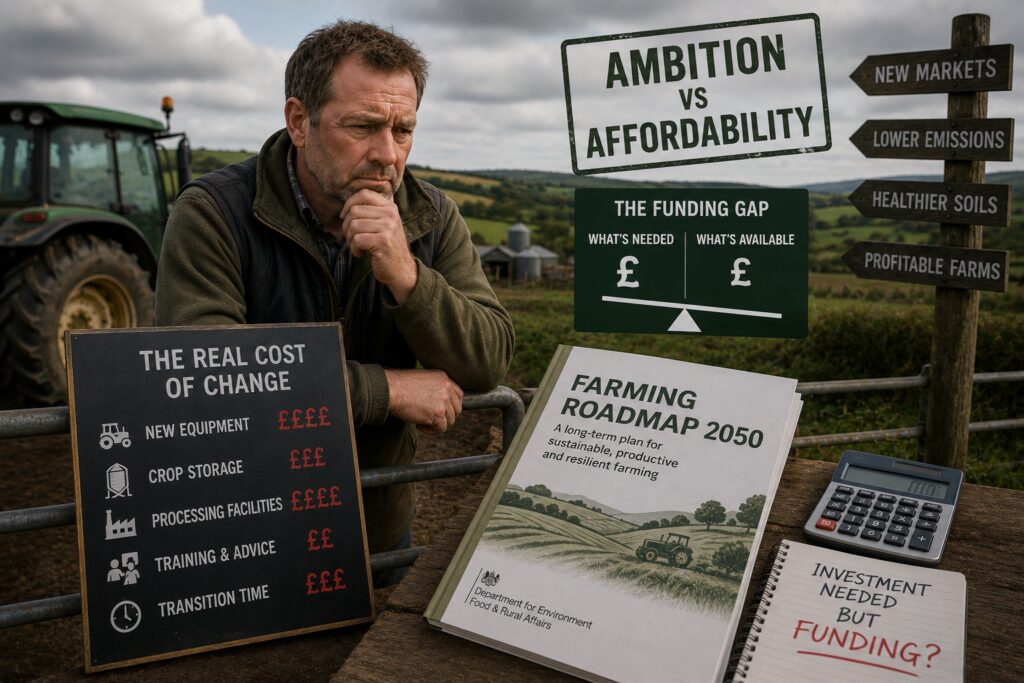
Ideas are often easier than implementation. Several environmental organizations welcomed the roadmap’s direction but questioned how much funding would actually be available.
Sustain praised the long-term vision while noting the absence of significant new financial commitments. Greenpeace UK also described the direction as encouraging but argued that farmers need meaningful investment if they are expected to make major changes.
I think this may become the deciding factor. Changing farming systems can require new machinery, different storage facilities, fresh marketing channels, specialized equipment, training, and several years of adjustment.
Those investments are expensive. If governments want farmers to reduce risk, they may also need to share some of that risk. Otherwise many businesses simply cannot afford to experiment.
Every Farm Is Different
One lesson I have learned from reading about agriculture is that there are very few universal solutions. A livestock farm in the hills of northern England faces completely different conditions from an arable farm in eastern England. Some farms may successfully introduce lentils alongside existing crops.
Others may improve sustainability by planting hedgerows, restoring wetlands, improving grazing management, reducing fertilizer use, installing renewable energy, or adopting regenerative farming techniques. All of those changes can improve resilience without requiring the complete removal of livestock. Personally, I prefer flexible policies over rigid ones.
The best farming systems usually combine scientific research with local knowledge rather than forcing every farm to follow the same model.
Consumers Also Shape Farming
Farmers respond to markets just as much as government policy. If consumers increasingly buy plant-based products, farmers may naturally grow more pulses. If demand for responsibly produced meat remains strong, livestock farming will continue to play an important role. In other words, the future of farming will not be decided only by politicians.
It will also be influenced every time people shop for groceries. One personal habit I recommend is paying more attention to where food comes from. Buying seasonal produce, reducing food waste, supporting local farmers when possible, and choosing products produced responsibly all send signals through the food system. Individual choices may seem small, but millions of consumers making similar decisions can influence agricultural markets.
This Debate Is Really About the Future of Farming
I don’t believe the question is whether livestock farming should disappear. Nor do I think the answer is simply growing more lentils. The larger question is how farming can remain profitable while producing enough food in a changing climate. That answer will almost certainly include multiple approaches.
Some farms will specialize in livestock. Others will expand crop production. Many will combine both while adopting technologies and management practices that improve soil health, reduce emissions, conserve water, and strengthen resilience.
The Farming Roadmap sets out an ambitious vision, but even the government acknowledges that the journey will evolve over time and depend on continued collaboration with farmers and the wider food system.
Looking Beyond the Headlines
When I first read about farmers being encouraged to grow lentils instead of livestock, it sounded like a simple policy shift. The more I learned, the more complicated—and more interesting—it became. This is not really a debate about lentils. It is a debate about climate resilience, food security, rural livelihoods, consumer demand, biodiversity, and how agriculture should evolve over the next generation.
Some proposals will work well. Others may need adjustment. Some farms will embrace change quickly, while others will move more gradually. That is probably how lasting agricultural transitions have always happened. For me, the most important lesson is that successful farming policy should not force nature or farmers into unrealistic expectations.
Instead, it should create enough flexibility that every farm can find the path that works best for its land, its community, and its future. The roadmap starts that conversation. Whether it becomes real progress will depend not only on government promises, but also on practical support, farmer innovation, and society’s willingness to value both the food we eat and the people who produce it.