A coastline can change owners on paper, but its oldest relationships run far deeper than property lines.
California is preparing to return 136 acres around Blues Beach in Mendocino County to Kai Poma, a Native-led nonprofit representing three Pomo Tribal communities. Once completed, it will become the first transfer of Caltrans-managed land to a Native-led organization.
To me, this is far more than a land transaction. It is a meaningful step in the Land Back movement, returning stewardship to communities whose connection to this coastline began long before modern boundaries were created.
The most powerful change is not simply who holds the deed. It is who will care for the land, protect its history, and help shape its future.
A Coastline with a Much Older Story
A coastline can look untouched while carrying generations of stories beneath its beauty.
Blues Beach is more than cliffs, ocean, and wildlife. For Pomo communities, it holds traditional food and medicine sources, spiritual places, family memory, and cultural knowledge tied to the land.
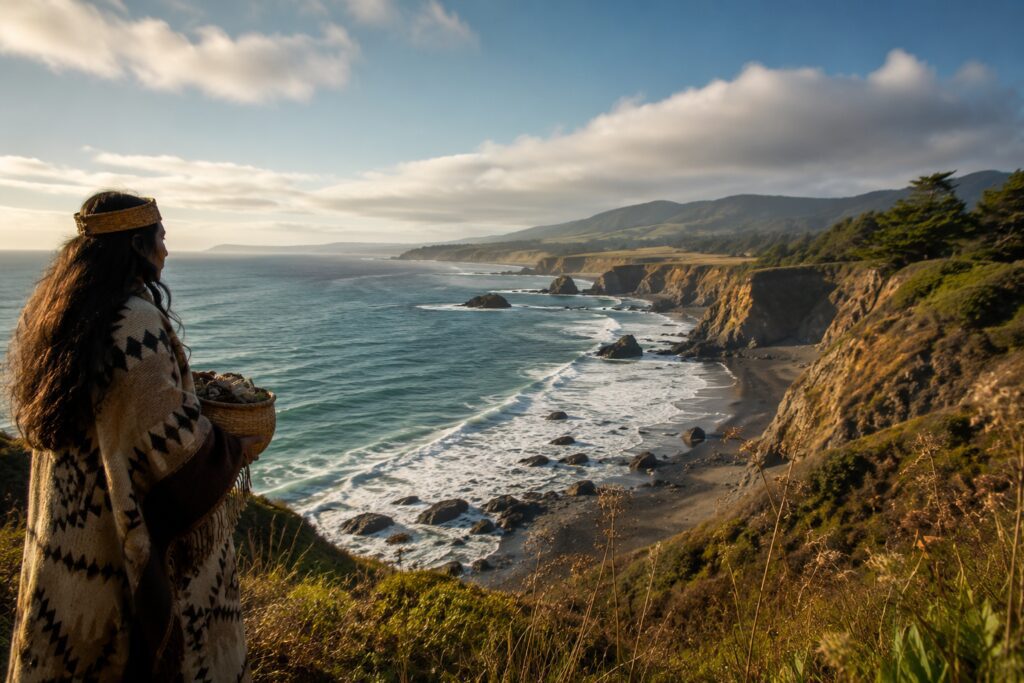
California acquired the property in the 1960s, but its future is now shifting toward Indigenous ownership. Kai Poma, created by three Tribal Nations with ancestral ties to the region, is expected to permanently own and manage the 136 acres.
To me, that distinction matters. Consultation allows communities to speak, but ownership gives them lasting authority to protect, restore, and pass the land forward.
These cultural practices are not symbols of the past. They are living relationships. Returning Blues Beach means giving those relationships the space and security to continue.
Land Back is About Stewardship, Not Exclusion
Land Back does not always close a gate. Sometimes it changes how we walk through it.
The Blues Beach transfer will return 136 coastal acres to Indigenous stewardship while preserving public access and preventing commercial development.
Vehicle access will close during the transition, but visitors are still expected to reach the beach on foot.
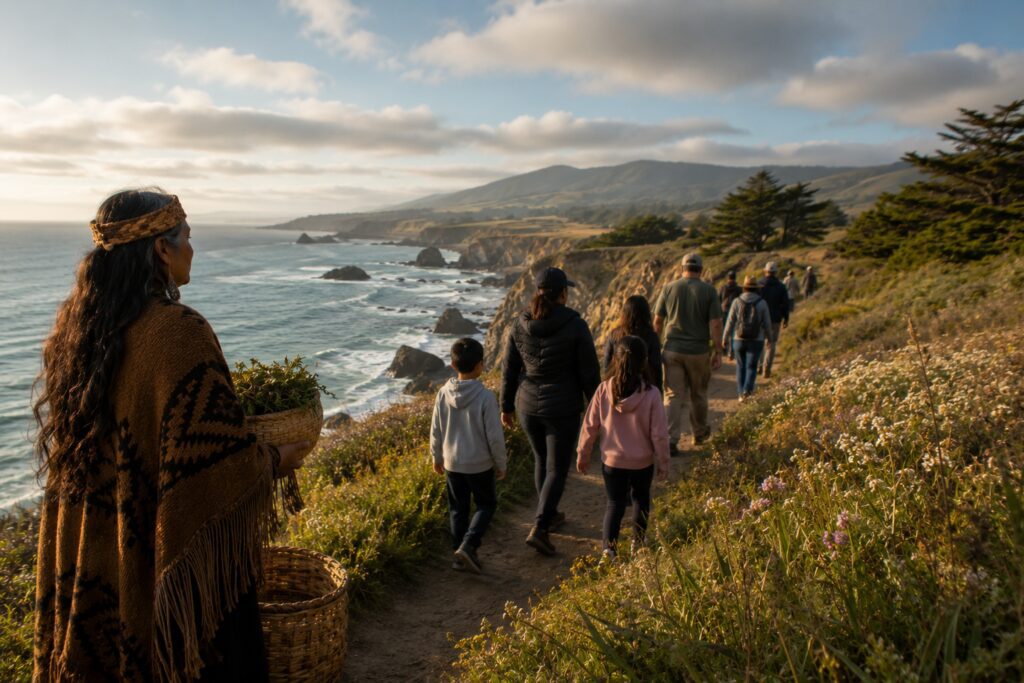
To me, this shows that Indigenous ownership and public access do not have to compete. What changes is the responsibility attached to visiting.
Access is not entitlement. Entering culturally important land means respecting its history, staying on designated paths, leaving plants and cultural objects untouched, and following Tribal guidance.
Land Back is not simply about who may enter. It is about who has the authority to protect the place—and whether visitors are willing to arrive with humility.
Why Indigenous Stewardship Can Help Nature?
A landscape can protect wildlife and carry culture at the same time. At Blues Beach, those responsibilities are inseparable.
Kai Poma plans to restore sensitive habitat, protect cultural resources, and continue traditional relationships with the land. Because commercial development is prohibited, the 136-acre coastline also gains stronger long-term protection.
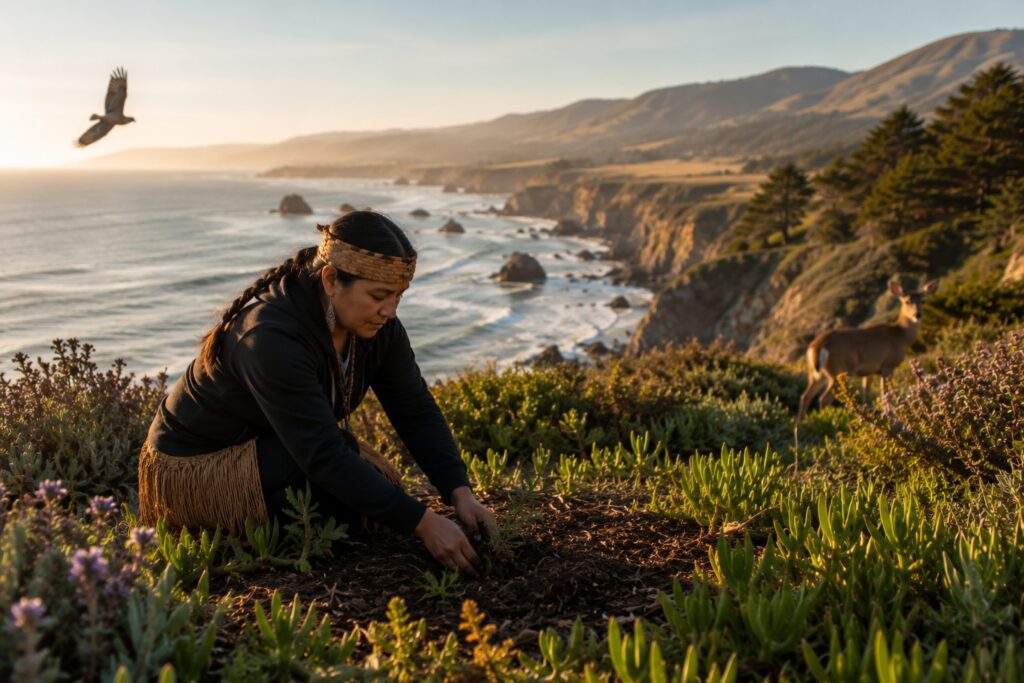
To me, this is what Indigenous stewardship makes clear: conservation is not only about preserving scenery. It is about protecting the relationships, knowledge, and responsibilities connected to a place.
That is why I try to look beyond acreage. I ask what lives there, whose history remains there, and what could disappear if the land is poorly managed. Those questions turn conservation from a statistic into something deeply human.
A Historic Transfer Built Through Cooperation
Historical repair becomes real when it moves from promises into laws, deeds, and permanent ownership.
The Blues Beach transfer required years of negotiation between Kai Poma, Tribal Nations, state agencies, legislators, and regional partners. Together, they worked through boundaries, environmental protections, public access, and long-term management.
To me, that is what makes the process so encouraging. Land return is not only an inspiring idea. It can become a practical policy with clear rules and lasting results.
The project also offers a lesson for other governments. When public land is no longer needed, the first question should not always be who will pay the most.
It should also be whose homeland it is, what history it carries, and whether returning it could create greater cultural and environmental value.
One Return Within a Larger Movement
The Blues Beach transfer is part of a broader effort in California to restore ancestral lands, expand Tribal co-management, and improve access to traditional territories.
More than 100,000 acres have reportedly been returned through state-supported conservation programs, with millions more targeted for Indigenous stewardship.
But to me, success cannot be measured only in acres. The deeper questions are whether Tribal Nations are involved from the beginning, given decision-making power, supported with long-term funding, and able to protect cultural practices beyond one political term.
Large numbers may attract attention. Lasting authority, trust, and responsibility are what make land return meaningful.
What This Story Asks of the Rest of Us?
Land return may be decided in government offices, but respect begins with how ordinary people see the land beneath their feet.
Most of us will never sign a property deed, but we can learn whose ancestral territory we live on, support Native-led conservation, and listen when Tribal communities explain why a place matters. We can also question projects that treat culturally important landscapes as empty land waiting for development.
To me, one of the most important changes is asking who gets to tell the story. Indigenous people should not appear only in the past. Their leaders, organizations, and conservation work are actively shaping the future.
We may not control land policy, but we can choose whose voices we value—and whether we support the people still caring for these places today.
A Return of Responsibility
Some relationships with land are not created by ownership. They survive even after ownership is taken away.
The return of Blues Beach recognizes that Kai Poma is not beginning a new connection to this coastline. It is restoring one that has existed for generations.
When the deed is recorded, more than property will change hands. Cultural authority, responsibility, and long-term care will return to communities whose history is rooted in the land itself.
To me, that is what Land Back can mean in practice: not erasing history, but responding to it honestly. At Blues Beach, repair will look like protected habitat, continued traditions, responsible public access, and Indigenous stewardship guiding the future.
This is not only a victory for Native communities. It is a better way to protect land that all future generations will depend on.