Some environmental stories are about protecting a forest, cleaning a river, or saving wildlife habitat. Others are about correcting a relationship with the land itself. The return of 165 acres in Wisconsin to the Ho-Chunk Nation brings all of these ideas together.
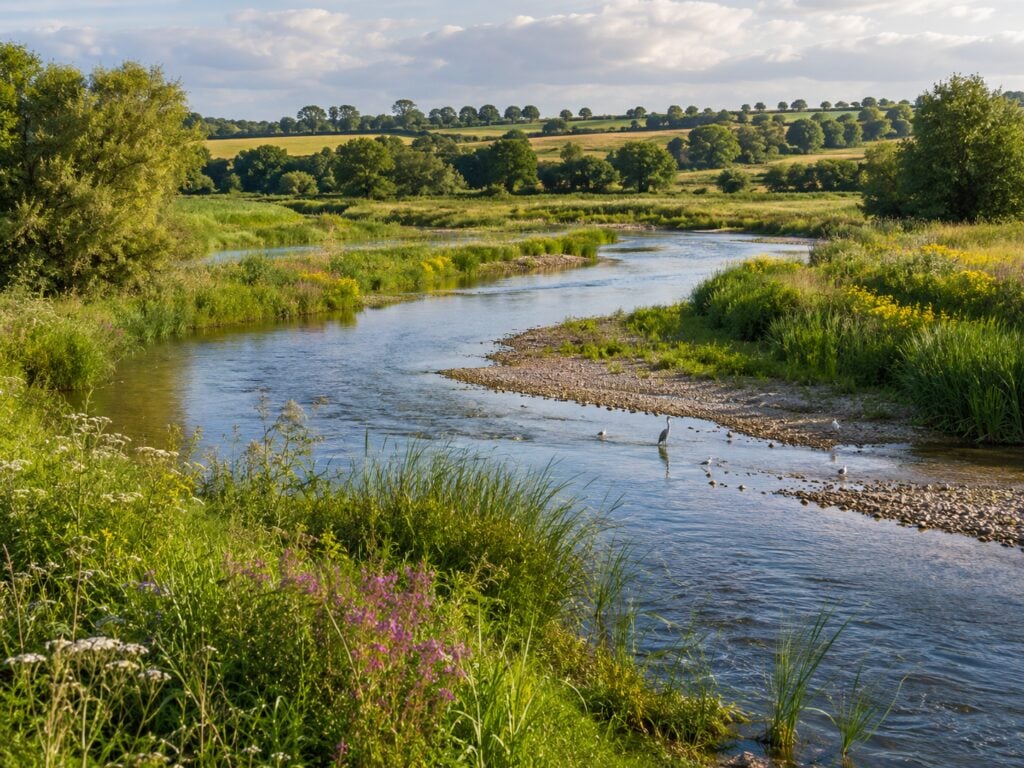
The property lies southeast of Madison near the Yahara River, Lower Mud Lake, and Lake Waubesa. It contains wetlands, woods, shorelines, archaeological sites, and ancient burial mounds connected to generations of Ho-Chunk history.
Dane County approved spending $6.41 million from its Conservation Fund to purchase and permanently protect the land. The county’s plan includes placing a conservation easement on the property and transferring it to the Ho-Chunk Nation, allowing the Nation to own, manage, and care for the landscape over the long term.
To me, this is more than a land transaction. It is a powerful example of how cultural justice and conservation can support each other.
A Landscape Filled with Living History
The 165-acre Herro property includes wetlands, woodlands, culturally important plants, and shorelines along the Yahara River, Lower Mud Lake, and Lake Waubesa.
It also contains archaeological sites and ancient burial mounds connected to the Ho-Chunk people.
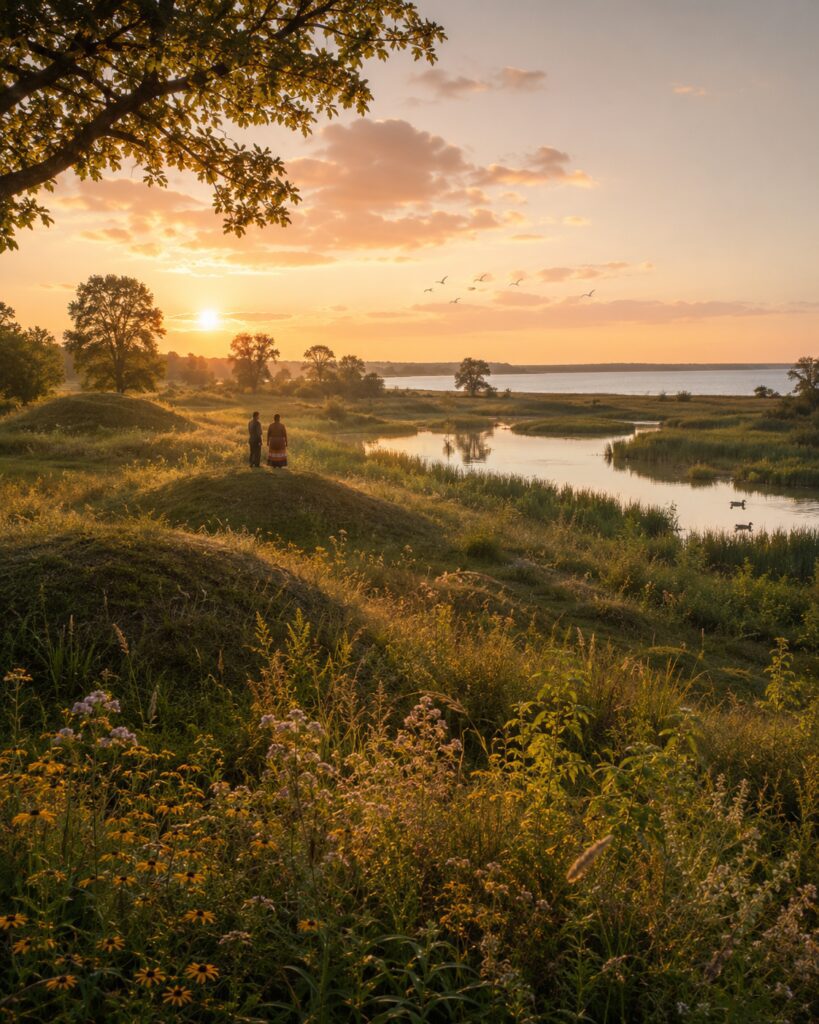
These places are not simply historical artifacts. They are sacred landscapes tied to ancestors, identity, ceremony, and responsibility.
To me, that is why protection must go beyond avoiding physical damage. A burial mound cannot be separated from the water, soil, plants, and homeland surrounding it.
Respecting these places also means respecting the Ho-Chunk people’s continuing authority and relationship with the land.
Why Ownership Changes Everything?
For years, some Ho-Chunk citizens had to ask private landowners for access to culturally important sites. The transfer of the Herro property changes that. With full ownership, the Ho-Chunk Nation can protect, manage, and care for the land without depending on temporary agreements or another owner’s approval.
To me, that permanence is what makes this story so powerful.
Access can be revoked, but ownership creates lasting authority and security for future generations.
Land Back does not always mean excluding others. It can involve ownership, co-management, conservation agreements, or protected cultural access. At its heart, it means restoring Indigenous responsibility and decision-making power over ancestral lands.
The Return is a Responsibility, Not a Gift
The language used to describe land return matters. Calling it a gift can suggest that Indigenous Nations are receiving something that never belonged to them.
Ho-Chunk leaders have instead emphasized responsibility: responsibility to protect the ancestors, maintain cultural relationships, care for the land, and pass it forward in good condition.
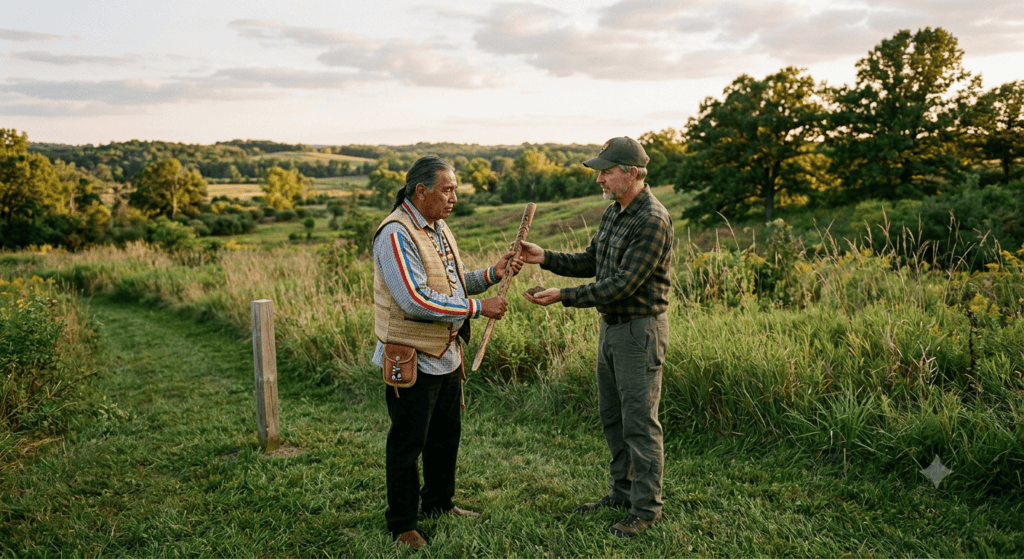
That perspective changes the story. The Ho-Chunk Nation is not simply receiving a valuable piece of real estate. It is taking on the work of stewardship.
That work may include monitoring burial sites, protecting wildlife habitat, managing invasive species, caring for native plants, maintaining public or educational access, and responding to environmental changes.
Long-term land care requires staff, knowledge, funding, planning, and patience. It is not passive ownership.
Personally, I find this understanding of ownership meaningful. Modern property systems often focus on what an owner is permitted to take, build, sell, or control.
Indigenous stewardship frequently adds another question: What does the land require from us? That is a lesson wider society can learn from.
Conservation Protections Will Remain in Place
Protecting sacred land means protecting more than the ground beneath it. It means protecting every relationship connected to that place.
Before the Herro property is transferred, Dane County plans to place a permanent conservation easement on it with Groundswell Conservancy. This would limit commercial development while preserving the land’s ecological, cultural, and public value.
The Ho-Chunk Nation would still own and manage the property, but the easement would help ensure that future decisions do not destroy what makes the land meaningful.
To me, this approach matters because culture and nature cannot be separated here. Burial mounds belong to the surrounding soil and water. Wetlands connect to the Yahara River.
Native plants carry traditional knowledge, while waterways support wildlife and nearby communities.
Protecting one feature while damaging everything around it would miss the point. True preservation protects the whole living landscape.
Healthy Wetlands Benefit the Whole Region
The Herro property lies within the Lower Mud Lake Natural Resource Area, where wetlands, woods, shorelines, and waterways support one connected system.
Wetlands can slow runoff, reduce erosion, trap sediment, improve water quality, and provide habitat for fish, birds, insects, and amphibians.
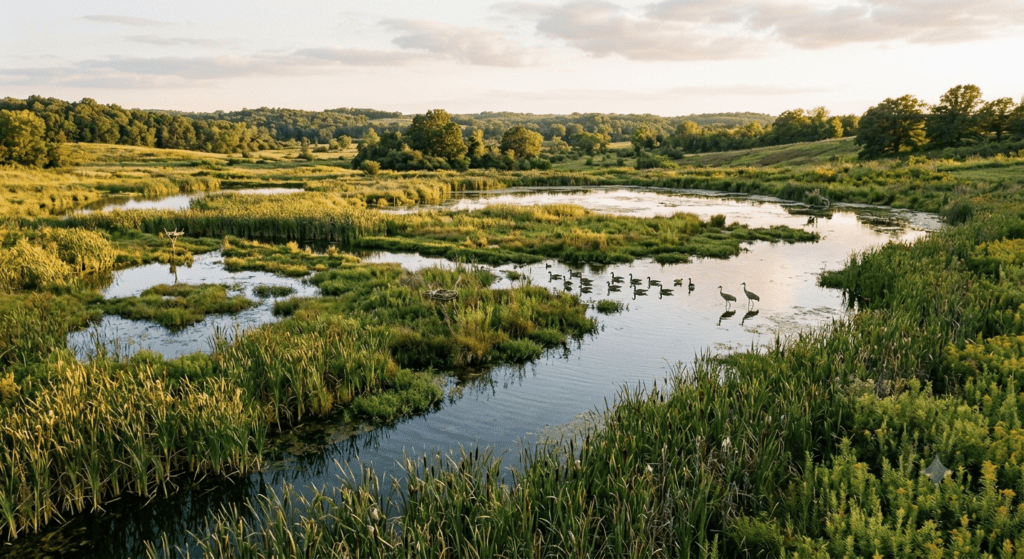
To me, protecting this land is both cultural justice and an investment in public well-being. Healthy wetlands strengthen the entire watershed, including communities far beyond the property itself.
A simple first step is learning where water flows in your own neighborhood. Once we understand those connections, conservation no longer feels distant. It becomes something that protects our homes, water, and future.
Indigenous Knowledge Will Remain Connected to the Land
Land is also a place where knowledge is practised. Recent reporting on the property highlighted the importance of plants as medicine and the way knowledge about them can be passed from one generation to another.
When communities maintain access to ancestral land, young people can learn directly from elders, cultural specialists, plants, waterways, and seasonal changes.
This kind of learning cannot be fully replaced by photographs or written descriptions.
A young person can read the name of a medicinal plant in a book. But standing beside it, learning when it grows, how it should be gathered, and why it deserves respect creates a deeper relationship.
The same is true for burial sites, waterways, food traditions, and ecological knowledge. When land is lost, knowledge may become harder to practice and pass on. When land returns to Indigenous stewardship, those relationships have more room to continue.
We should also remember that traditional ecological knowledge is not public property for outsiders to collect freely. It belongs to living communities and should be approached with respect, permission, and proper recognition.
Public Access and Cultural Respect Can Coexist
The conservation agreement is expected to preserve educational access, offering people opportunities to learn about the landscape while protecting its sensitive features. That balance will require care.
Public access should never mean unlimited access to every location. Burial mounds and sacred places may need boundaries, seasonal restrictions, or guidance from the Ho-Chunk Nation.
Visitors should follow the Nation’s rules rather than assuming every culturally significant place is available for recreation, photography, or exploration.
A simple personal rule is to treat sacred landscapes as we would want others to treat the resting places of our own ancestors. Stay on designated paths. Do not climb burial mounds.
Never remove stones, plants, or archaeological materials. Avoid posting precise locations of vulnerable sites online, and learn from Indigenous-led sources whenever possible.
Respectful education can build understanding. Careless tourism can cause new harm.
What This Land Back Story Teaches Us?
This project shows that protecting nature and returning Indigenous stewardship do not have to compete. Dane County is using conservation funding to protect a culturally and environmentally significant landscape.
Groundswell Conservancy is helping secure permanent safeguards. The Ho-Chunk Nation will bring cultural authority, generational knowledge, and long-term responsibility to the land.
Each partner plays a different role, but the Ho-Chunk Nation’s ownership is central. I believe that distinction is important. Indigenous people should not be invited only as advisers after every major decision has already been made.
Genuine partnership includes authority, ownership, resources, and the ability to determine how ancestral places are cared for.
This project may also offer a model for other counties, conservation organizations, and governments.
They can identify culturally significant land, work directly with Tribal Nations, use conservation tools creatively, and return stewardship rather than merely placing Indigenous history on an informational sign.
Returning the Land Protects the Future
Some land is not simply returned. It is reconnected to the people, memories, and responsibilities that have always belonged to it.
The return of these 165 acres honors Ho-Chunk ancestors, protects wetlands and waterways, and gives future generations a place they can visit, learn from, and care for.
The land is not being preserved as a piece of the past. It is becoming part of a living future.
To me, that is what makes this story so hopeful. Sacred places connect culture, identity, nature, and responsibility. Once those connections are destroyed, they may never be fully restored.
This transfer is about more than ownership. It is about who can protect the ancestors, teach the next generation, and ensure the land remains alive long after we are gone.