Wildlife loss is not happening somewhere far away. It reaches our kitchens, our water, our health, and the future our children will inherit.
According to WWF’s Living Planet Report, monitored wildlife populations have declined by an average of 73 percent since 1970, with freshwater species experiencing the steepest losses.
Habitat destruction, pollution, climate change, invasive species, and unsustainable resource use continue to weaken ecosystems worldwide.
To me, these numbers are not only about disappearing animals. They are about the natural systems that provide clean water, healthy soil, breathable air, food, and protection from disease.
The crisis is serious, but fear alone will not help.
Understanding our dependence on nature can lead to better choices and stronger action. Protecting wildlife is not separate from protecting people. It is part of the same responsibility.
Wildlife Loss is Closer to Home Than It Seems
Biodiversity loss does not stay in distant forests or beneath faraway oceans. It eventually reaches our food, water, health, and daily lives.
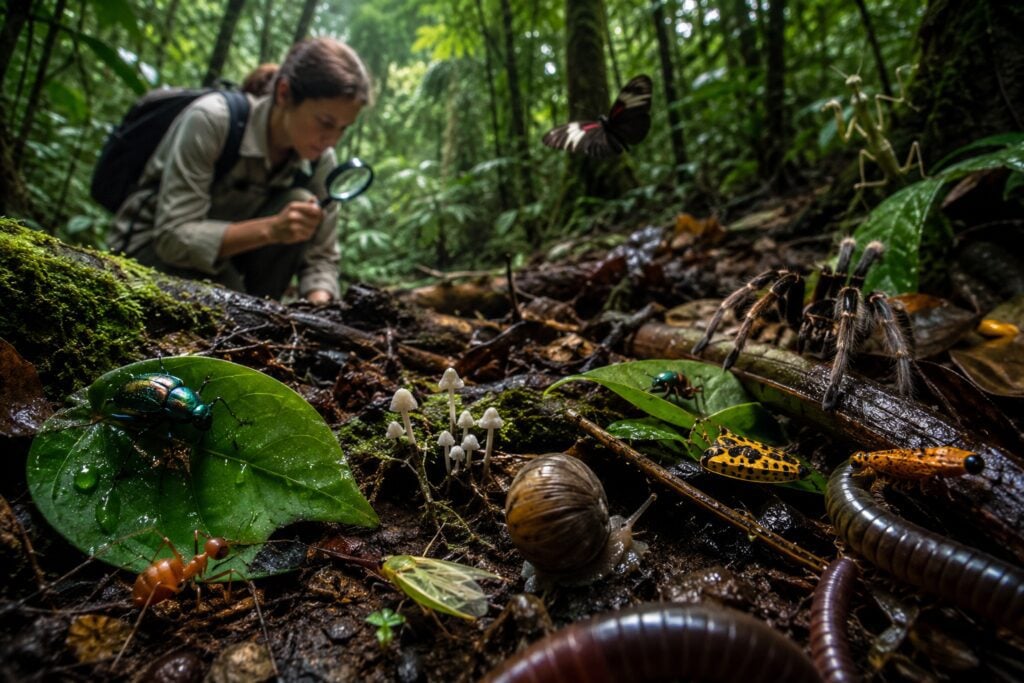
Every species plays a role. Pollinators support crops, wetlands filter water, forests regulate climate, and predators help keep ecosystems balanced. We may not notice the work of one insect, bird, or plant, but the system becomes weaker as more of them disappear.
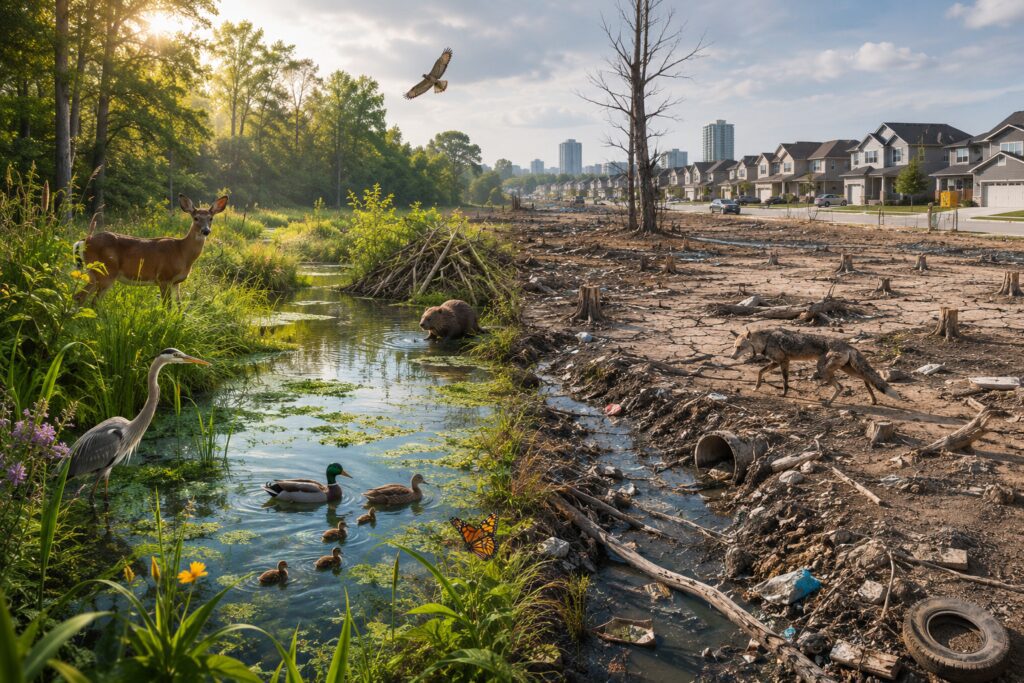
I often think of nature like the human body.
One damaged part may be manageable, but when too many systems begin failing, the whole body struggles.
To me, that is why biodiversity matters. Protecting nature is not only about saving rare species. It is about keeping the living systems that quietly protect us functioning.
The Main Forces Driving Nature’s Decline
Wildlife is not disappearing because of one isolated problem. Several pressures often happen together, making it harder for ecosystems to recover.
A forest may be cleared while nearby rivers are polluted. A coral reef may face rising ocean temperatures while also being damaged by plastic waste and overfishing.
1. Habitat Destruction
Forests, wetlands, grasslands, and coastlines are often cleared for farms, roads, mining, housing, and industry.
Even when some habitat remains, roads and buildings can divide it into isolated fragments, cutting animals off from food, mates, and migration routes.
To me, habitat loss is not only about fewer wild places. It is about breaking the connections wildlife needs to survive.
I try to support products and companies that use land more responsibly. One purchase will not stop habitat destruction, but millions of choices can influence what businesses protect, replace, or destroy.
2. Climate Change
Climate change is not only changing the weather. It is rewriting the conditions that life depends on.
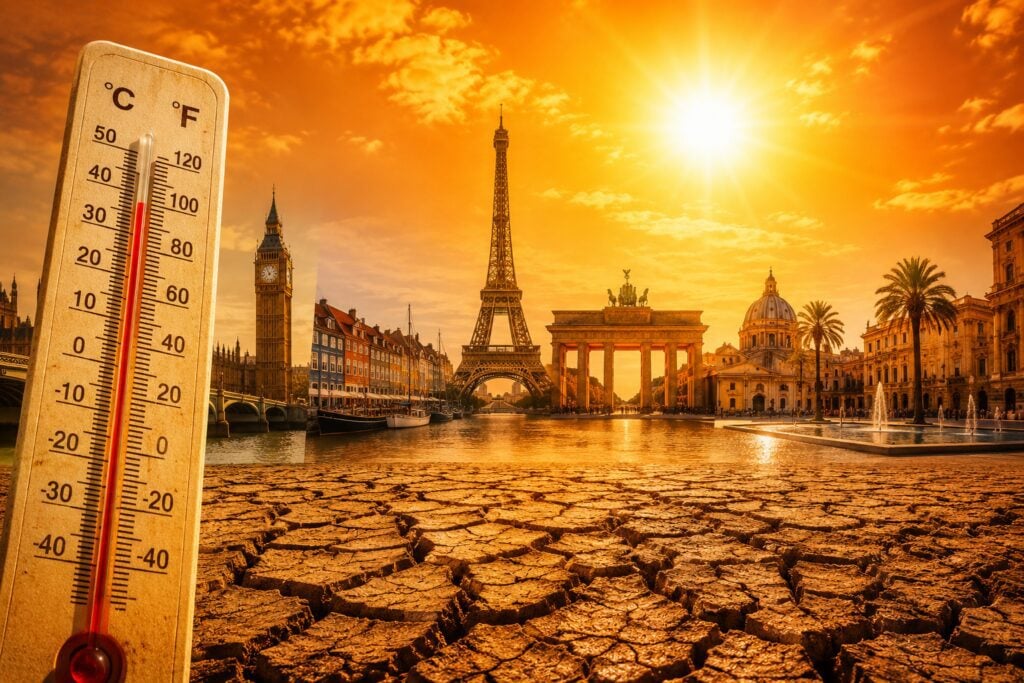
Rising temperatures are shifting migration routes, breeding seasons, rainfall, and food supplies. Coral reefs bleach, Arctic animals lose sea ice, and longer droughts weaken forests, wetlands, farms, and water systems.
These changes do not stop with wildlife. They reach our fisheries, crops, communities, and daily lives.
To me, climate action feels less overwhelming when it becomes practical.
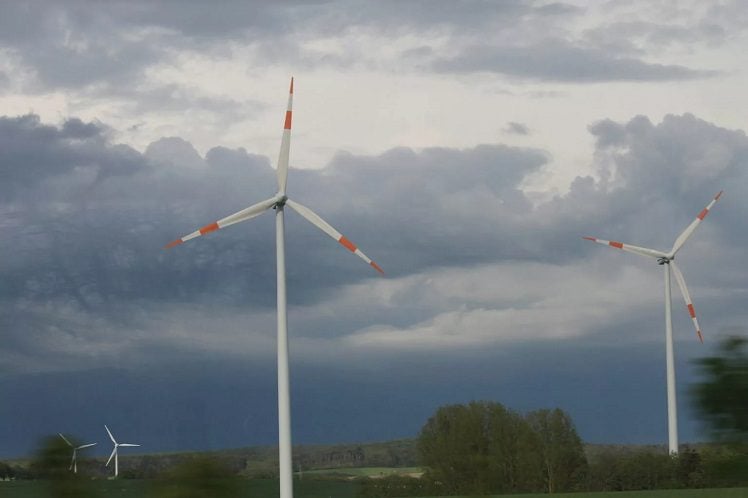
Using energy wisely, wasting less food, driving less when possible, and supporting cleaner energy policies may seem small. But when millions of people move in the same direction, small actions become part of a much larger change.
3. Pollution
Pollution travels farther than most of us realize. Plastic discarded on land may eventually reach rivers and oceans.
Pesticides can harm insects that pollinate crops. Industrial chemicals may build up in fish and other animals. Fertilizer runoff can create low-oxygen areas in lakes and coastal waters where aquatic life cannot survive.
Humans are exposed to many of the same pollutants through food, water, and air.
One habit I recommend is reducing unnecessary single-use plastics.
I also encourage people to dispose of medicines, batteries, chemicals, and electronic waste properly rather than placing them in ordinary household trash.
4. Unsustainable Resource Use
Nature can renew many resources, but only when we allow enough time for recovery. Overfishing removes fish faster than populations can reproduce. Excessive logging destroys mature forests.
Illegal wildlife trade pushes vulnerable animals closer to extinction. Unsustainable hunting can disrupt food chains and ecological balance.
When choosing seafood, wood products, or other natural resources, I try to look for credible sustainability certifications. It is not always possible to make a perfect choice, but informed decisions are better than ignoring the problem entirely.
How Biodiversity Protects Human Health?
Sometimes protecting nature begins with recognizing that our health has always depended on it.
Healthy ecosystems support clean water, nutritious food, pollinators, fertile soil, and balanced wildlife populations. When habitats are destroyed, animals may move closer to farms and cities, increasing opportunities for disease to spread between species.
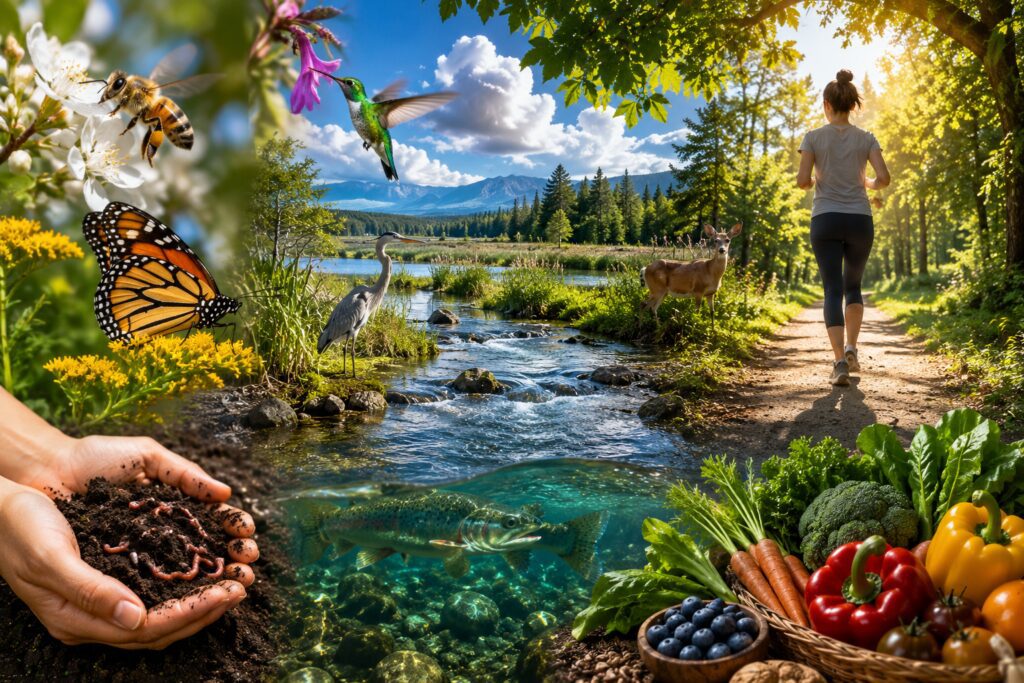
Nature also supports mental well-being. A walk through a park, time spent gardening, or simply sitting beneath a tree can reduce stress, encourage movement, and give the mind space to recover.
To me, time in nature is not a luxury. It is part of preventive health. It cannot replace medical care, but it can strengthen the daily conditions that help both our bodies and minds stay well.
Freshwater Wildlife is Facing the Steepest Losses
Freshwater may cover only a small part of Earth, but it carries an enormous share of life—and supports ours too.
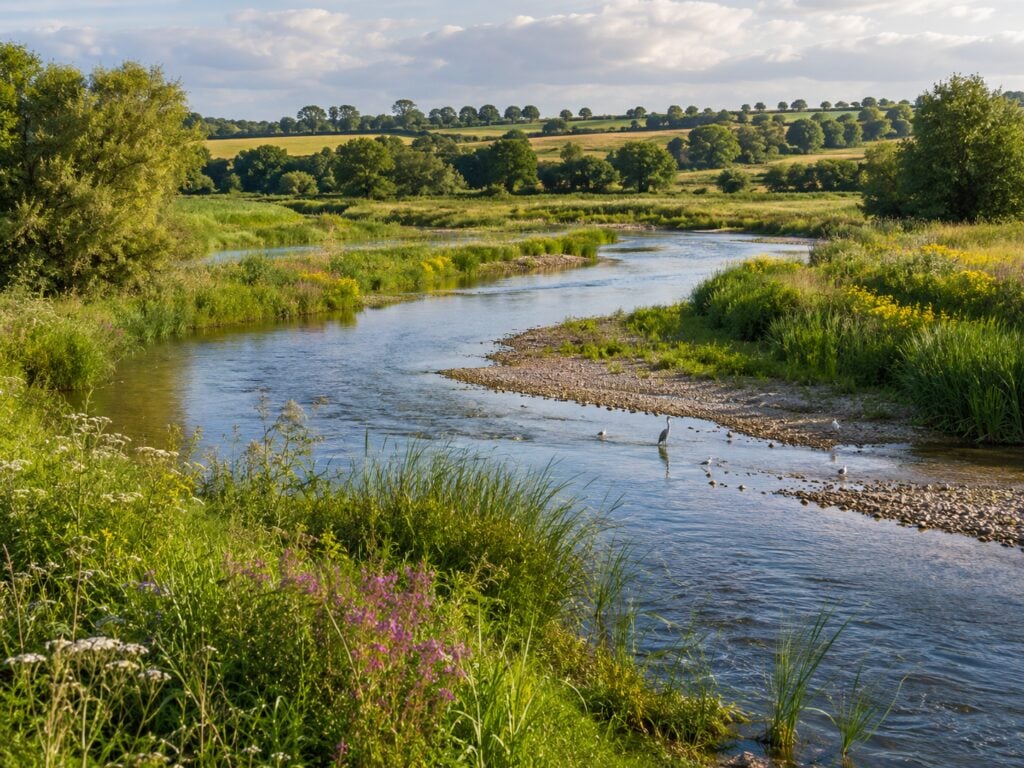
Rivers, lakes, wetlands, and streams provide drinking water, food, irrigation, flood protection, and natural filtration. Yet dams, pollution, overuse, and climate change are placing these ecosystems under growing pressure.
Freshwater species are especially vulnerable because they often have nowhere else to go. When waterways decline, people feel the consequences through higher treatment costs, weaker crops, and greater flood damage.
To me, protecting freshwater begins close to home. What we pour down a drain can eventually reach a river.
Avoiding harmful chemicals, joining cleanups, and supporting wetland restoration may seem simple, but these choices help protect the water systems that protect us.
Small Choices Can Create Wider Change
Reducing food waste saves land, water, and energy. Native flowers support pollinators. Avoiding unnecessary pesticides protects helpful insects, while responsibly sourced seafood can reduce pressure on marine ecosystems.
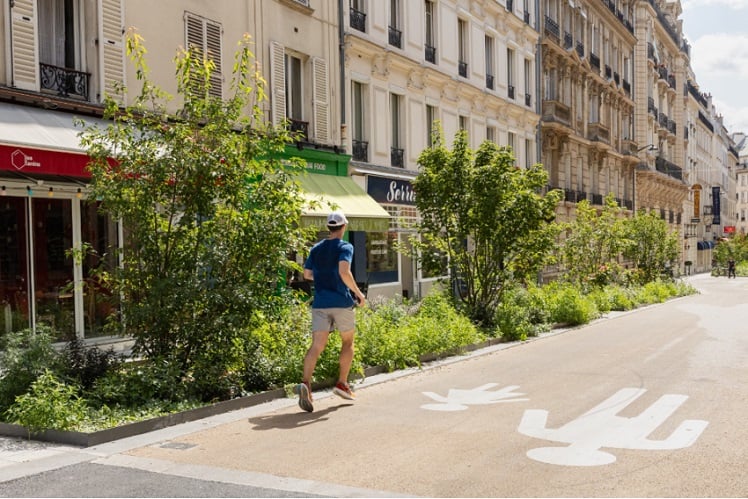
Even a balcony or small garden can become a refuge for wildlife.
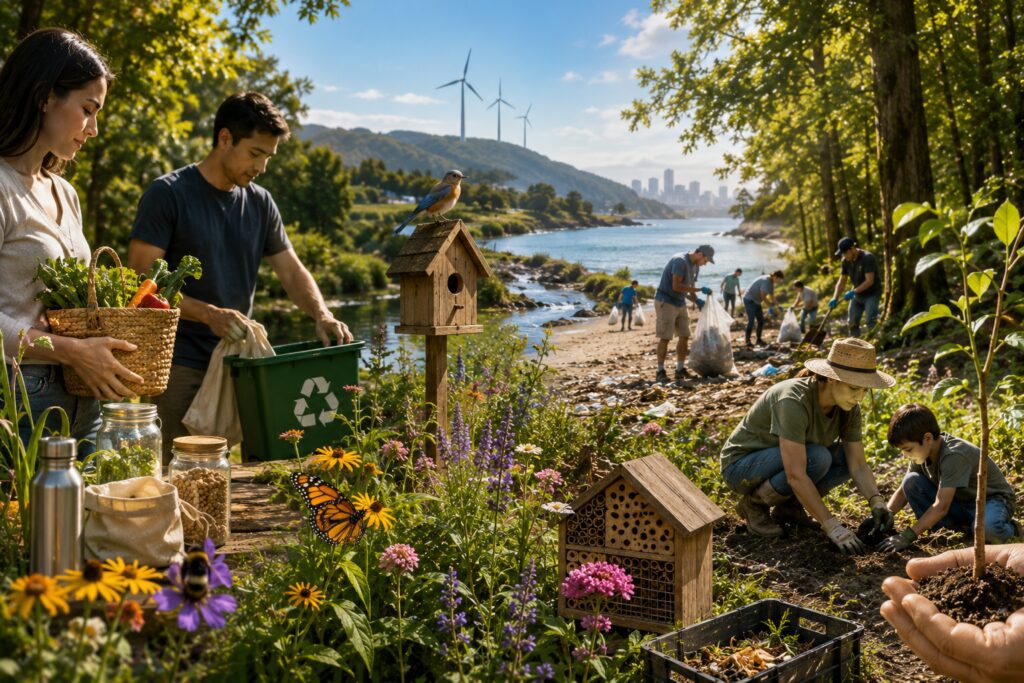
To me, consistency matters more than trying to do everything at once. I would rather choose one or two realistic actions and keep doing them than make ambitious promises that quickly disappear.
Individual choices become more powerful when they spread through families and communities. A cleanup, restoration project, donation, or message to a local representative can turn personal concern into collective action.
Nature’s Health Reflects Our Own
Clean air, safe water, healthy food, fertile soil, pollinators, and stable oceans all support our lives. When ecosystems weaken, the effects eventually reach us through rising costs, disease, heat, floods, and food shortages.
But nature can recover when habitats are protected and given time to heal.
To me, conservation is not a luxury. It is an investment in our health, our economy, and the future we leave behind.
My Personal Prescription
Wildlife decline can make us feel powerless, but guilt is not the only possible response.
I try to focus on what I can influence: spending time outdoors, reducing waste, planting native species, protecting water, and supporting responsible products, organizations, and policies.
To me, caring for nature and caring for ourselves are not separate goals. Healthy ecosystems support nutritious food, clean water, safer communities, and stronger mental well-being.
One thoughtful action may feel small, but enough small ripples can change the direction of something much larger.