For years, bats have been seen as creatures of dark caves and remote forests. But New York’s bat population is changing that perception by showing how wildlife can adapt even in one of the busiest cities in the world.
Urban parks, gardens, and green spaces have become important habitats where bats can hunt, rest, and survive. These often misunderstood animals also play a vital role by controlling insect populations and supporting healthier ecosystems.
This story reminds me that protecting nature is not always about creating distant wilderness. Sometimes, it means making room for wildlife in the places we already share.
Cities Are Becoming Unexpected Homes for Bats
Urban environments are usually associated with traffic, buildings, noise, and artificial lights. Because of this, many people assume cities are too harsh for wildlife.
However, researchers are finding that some animals are becoming experts at navigating these human-made landscapes. Bats are one surprising example.
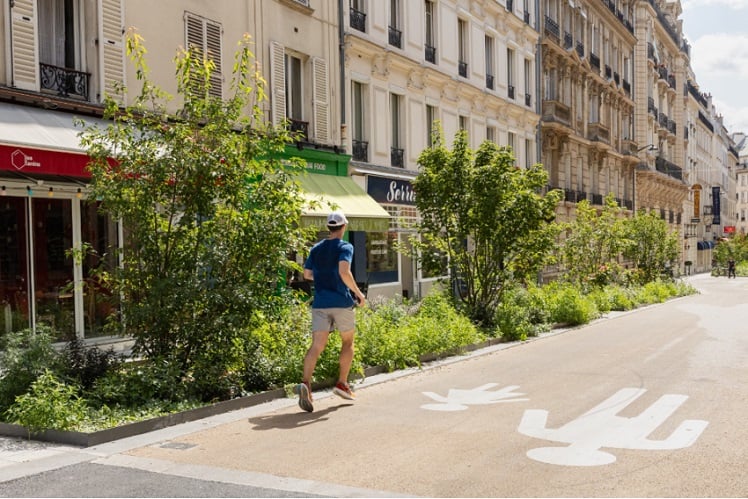
Scientists studying bats in New York City have discovered several species using urban green spaces as important habitats. Parks, tree-lined streets, gardens, and green roofs provide places where bats can search for food and move safely through the city.
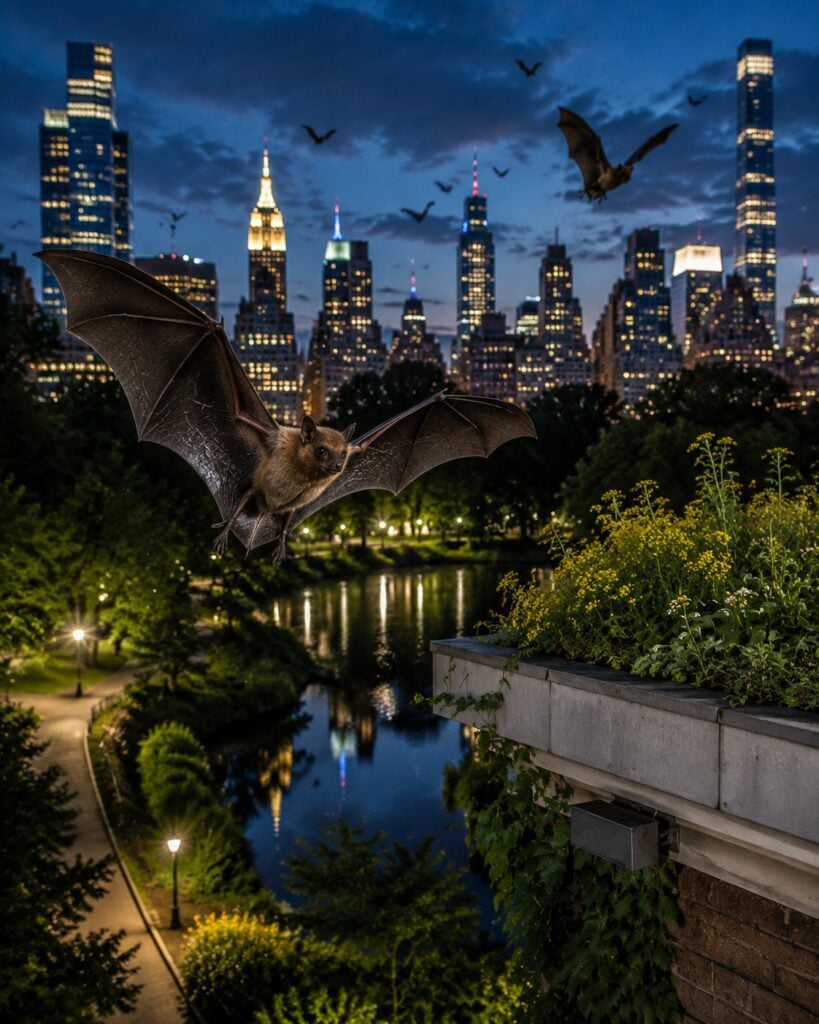
Some research has found that bat activity in certain urban areas can be similar to what scientists observe in rural environments. This means that a city filled with millions of people can still provide valuable opportunities for wildlife.
The reason is simple: bats do not need huge open spaces everywhere. They need access to food, shelter, and safe areas to travel.
Many city parks contain insects that bats feed on. Trees provide resting areas. Water sources such as ponds and rivers attract insects, creating natural feeding zones for these nighttime hunters.
I find this especially interesting because it changes how we think about cities. A city is not just concrete and buildings. It can also become a living ecosystem if nature is included in urban planning.
Why Bats Are Important for Urban Ecosystems?
Bats often receive unfair attention because of myths and misunderstandings. Some people associate them only with darkness or fear. However, these animals play an extremely valuable role in maintaining balance in nature.
One of their most important jobs is controlling insect populations.
A single bat can consume large numbers of insects during a night of hunting. This includes many insects that can become pests for gardens, agriculture, and communities.
By naturally reducing insect numbers, bats provide a form of biological pest control. This helps reduce the need for chemical pesticides, which can benefit both wildlife and human health.
For gardeners and homeowners, having bats nearby can actually be helpful. Instead of seeing bats as unwanted visitors, people can recognize them as natural partners that support healthier environments.
Bats also contribute to ecosystems in other ways. In many parts of the world, bats help pollinate plants and spread seeds, allowing forests and plant communities to regenerate.
Even though city-dwelling bats may not perform every ecological role found in tropical environments, their presence still shows how connected urban areas are with natural systems.
How Some Bats Are Adapting to City Life?
One of the most fascinating parts of this research is understanding how bats adjust to urban challenges. Cities create many difficulties for wildlife. There is artificial lighting, constant human activity, limited green space, and noise pollution.
Yet some bat species appear to have developed strategies that allow them to survive.
For example, bats can use parks and green corridors to move between feeding areas. Green roofs and planted spaces can provide additional habitat in places where natural landscapes have disappeared.
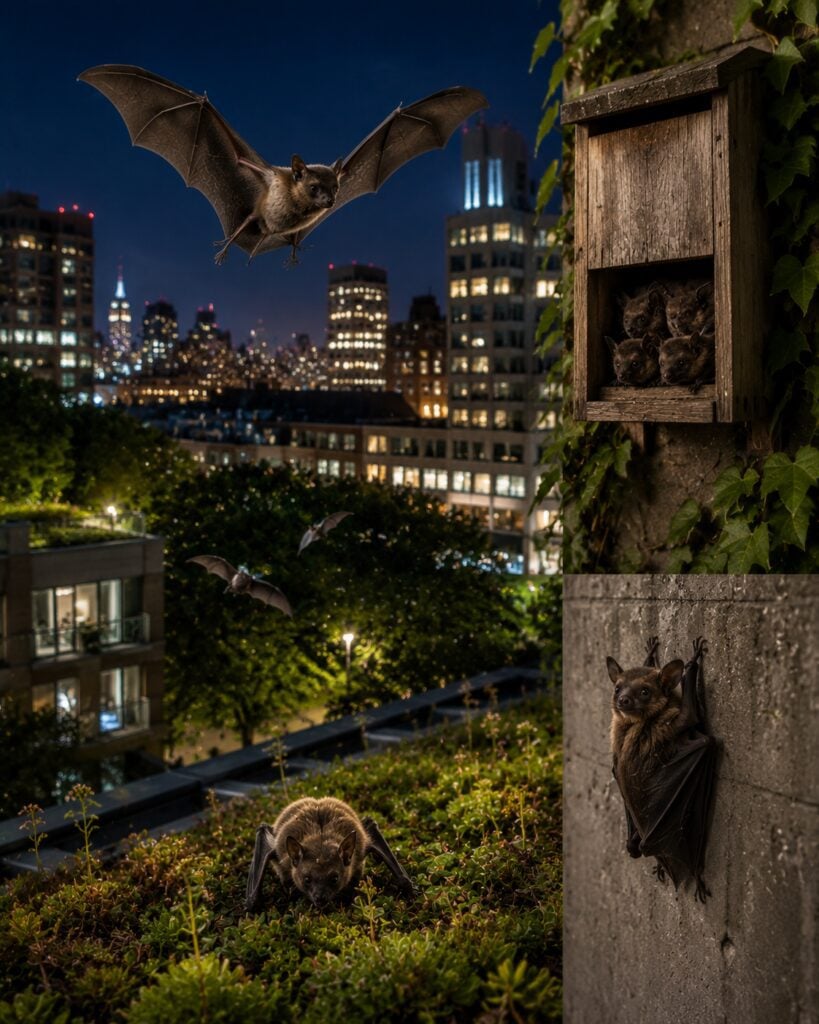
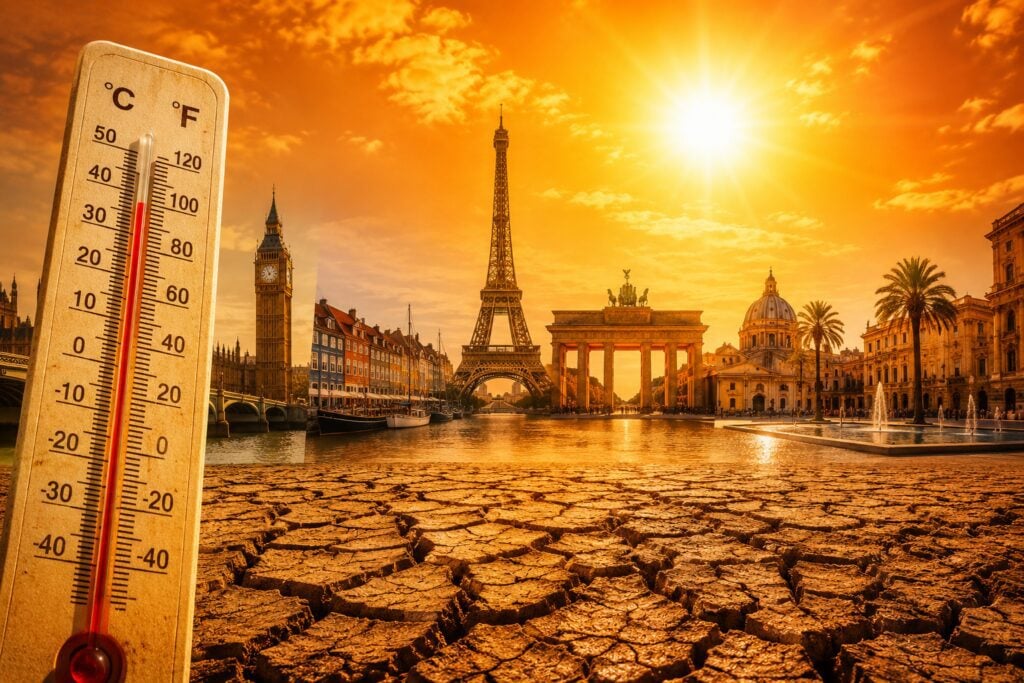
Some bats may also benefit from warmer urban temperatures. Cities often create “heat islands,” where buildings and roads hold heat and make urban areas warmer than surrounding regions.
For certain species, these warmer conditions may provide advantages during colder months.
Researchers are also studying whether some urban bats experience different levels of disease pressure compared with rural populations.
One disease that has severely affected bats in North America is white-nose syndrome. This fungal disease has caused major declines in many bat populations, especially in the northeastern United States.
Scientists are investigating whether some city-dwelling bats may be less affected by this disease because of differences in behavior, habitat use, or survival strategies. There are still many questions to answer, but these discoveries show how adaptable wildlife can be.
What Green Spaces Mean for Wildlife Survival?
The success of bats in cities highlights a bigger lesson about urban development: small natural spaces can make a huge difference. A single park may seem insignificant compared with a massive city, but for wildlife, these areas can become important survival zones.
Trees, native plants, ponds, gardens, and green roofs can create connections between different habitats. These connections allow animals to move, find food, and reproduce.
I believe this is one of the most practical ways people can support wildlife without making dramatic lifestyle changes.
You do not need to live near a forest to help nature. Planting native flowers, keeping outdoor lights lower at night, creating insect-friendly gardens, and protecting existing green spaces can all support local wildlife.
For homeowners, adding native plants can attract insects, which then provides food for animals such as birds and bats. Reducing unnecessary pesticide use can also help protect the small creatures that form the foundation of many ecosystems.
Even city residents living in apartments can contribute by supporting urban parks, community gardens, and conservation projects.
How People Can Help Protect Urban Bats?
Although bats are showing impressive adaptability, they still face many threats. Habitat loss, climate change, pollution, and disease continue to affect populations around the world.
The first step in protecting bats is changing the way we see them. Instead of viewing bats as scary animals, we can understand their role as important members of the ecosystem.
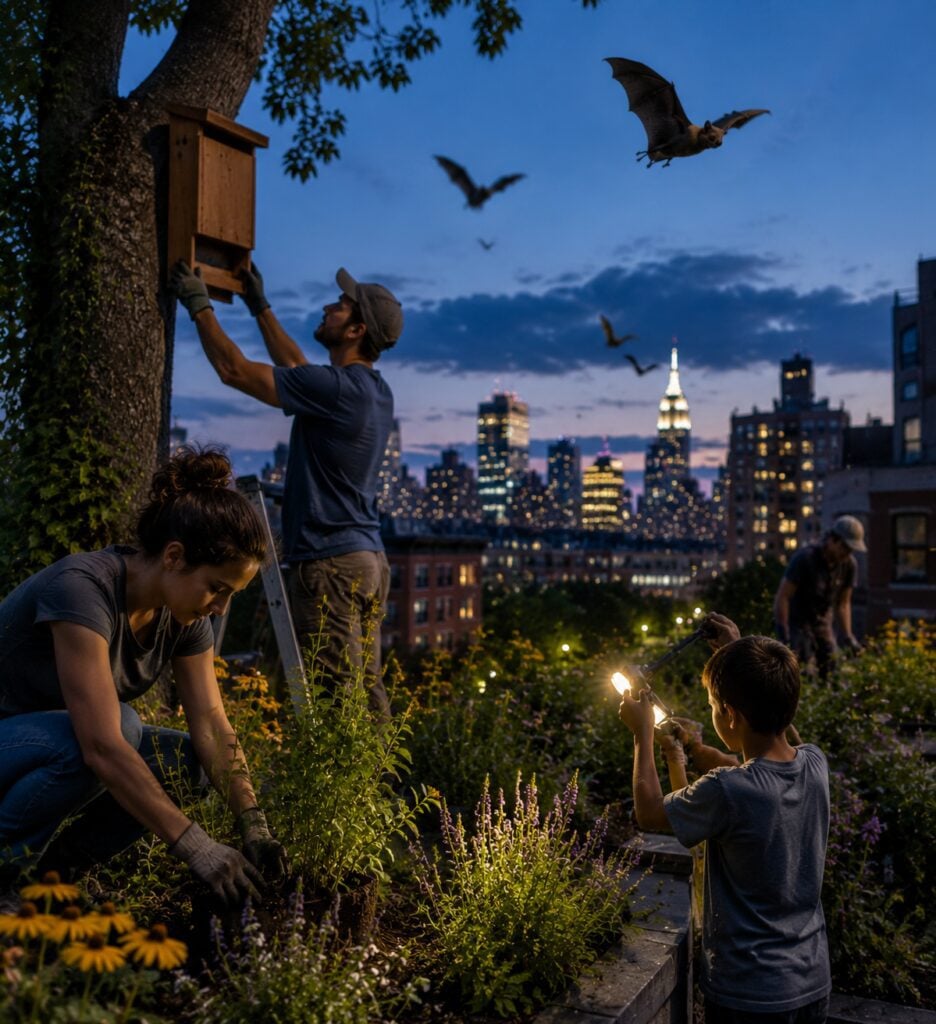
People can help by protecting mature trees, preserving natural areas, and supporting wildlife-friendly city planning. Communities can also install bat boxes in suitable locations to provide additional shelter.
Reducing unnecessary nighttime lighting is another important action. Many animals rely on natural darkness for movement and feeding. Excessive artificial light can interfere with wildlife behavior.
Education is also powerful. When more people understand the benefits bats provide, there is less fear and more support for conservation. I think stories like New York’s urban bats are important because they show that humans and wildlife do not always have to compete for space.
With thoughtful choices, cities can become places where both can thrive.
The Future of Wildlife May Include More Cities
The discovery of bats thriving in New York is more than an interesting animal story. It represents a larger shift in how scientists understand wildlife adaptation.
As cities continue to grow, the relationship between humans and animals will become increasingly important. Urban areas will need to become more wildlife-friendly if we want ecosystems to remain healthy.
Bats are showing us that nature can be surprisingly resilient. They are finding opportunities in places many people thought were impossible.
For me, the biggest lesson is simple: wildlife is not always somewhere far away. Sometimes it is flying above our streets, living in our parks, and quietly helping our communities every night.
Protecting nature does not always require leaving cities behind. Sometimes, it starts by making room for nature exactly where we are.