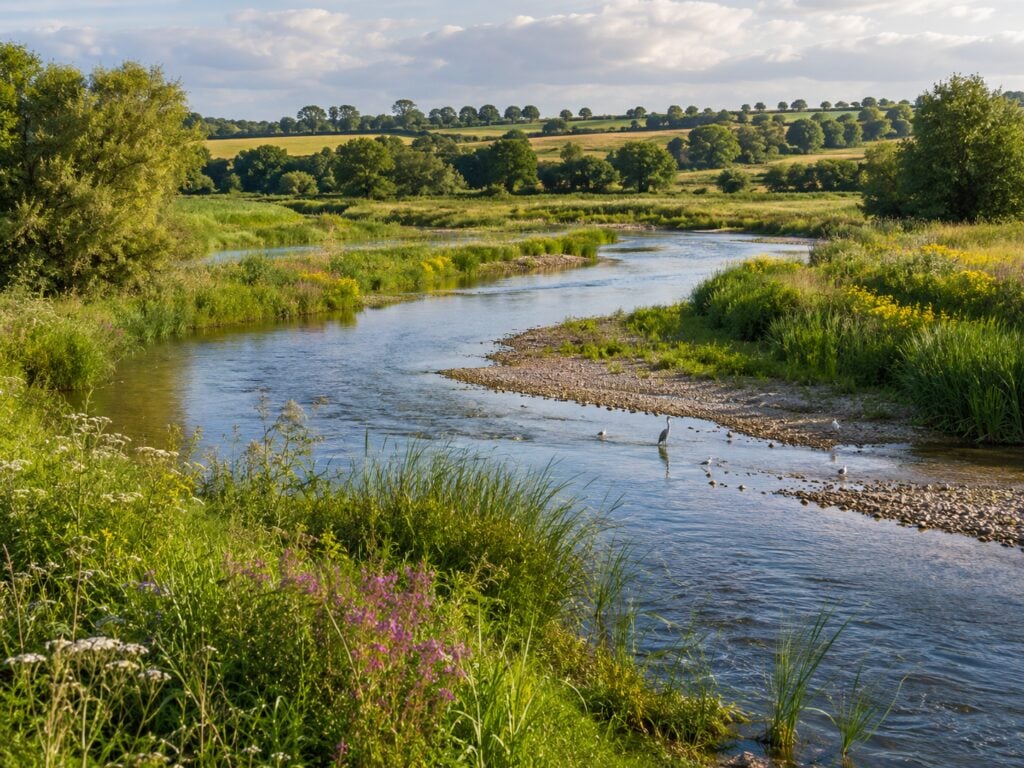
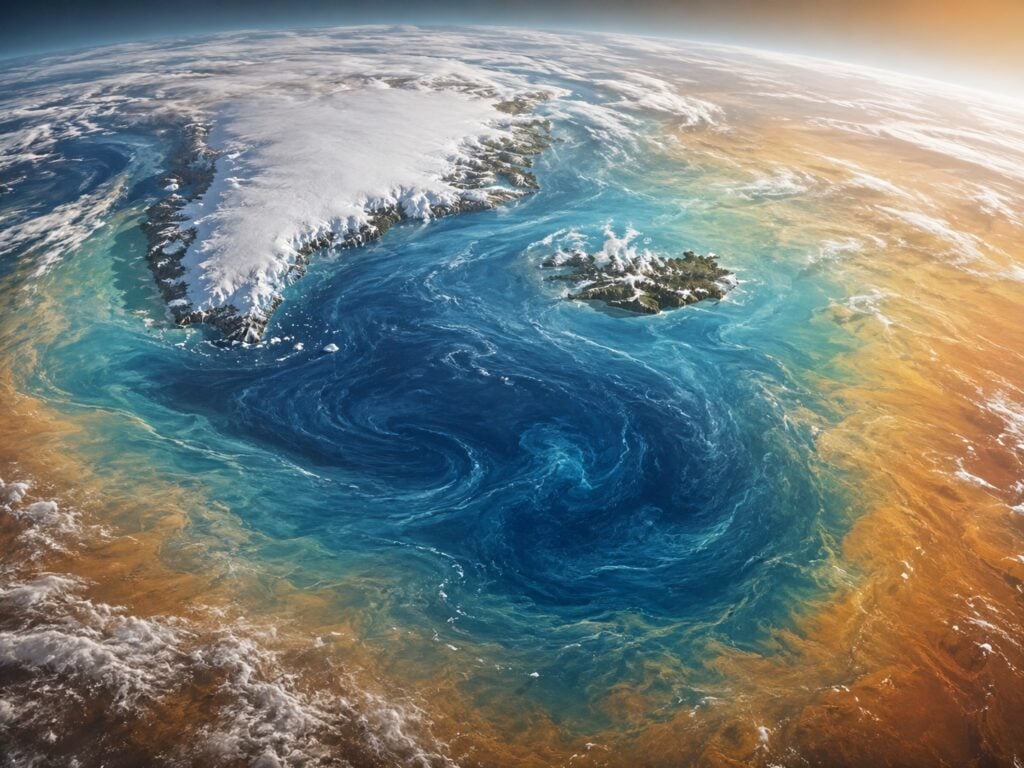
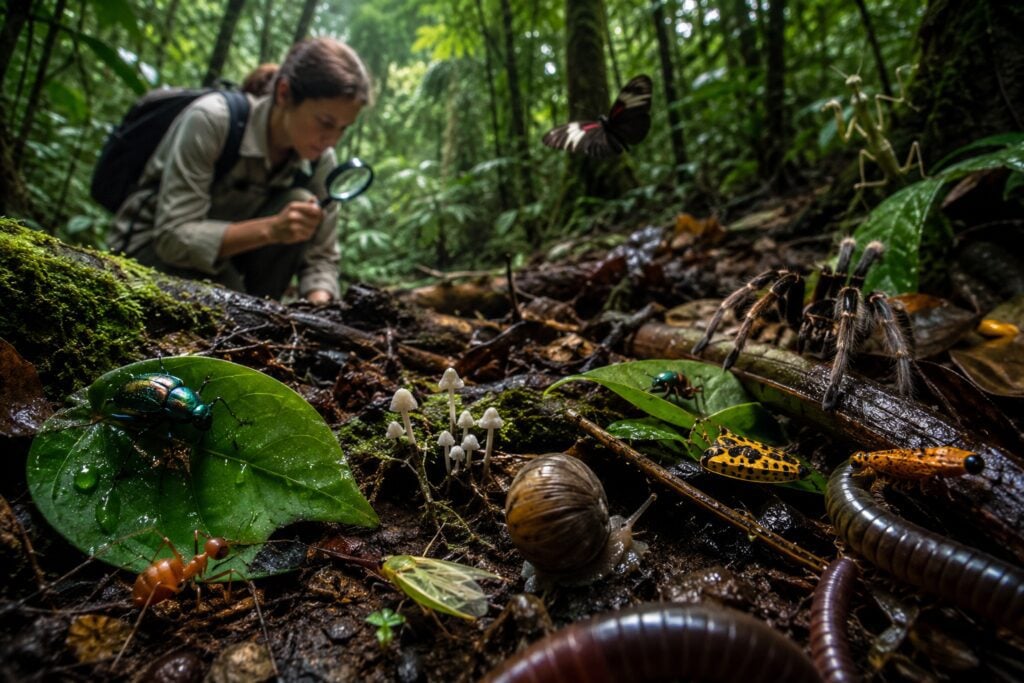
I used to think protecting endangered animals was mainly about saving individual species. But the more I learn, the more I see that it is also about protecting the forests, rivers, and habitats they depend on.
A recent change to endangered species protections has raised concerns that damaging critical habitats could become easier for industries like logging, mining, and large-scale development.
What worries me most is that losing a habitat often means losing the foundation of survival.
When animals lose their homes, the impact can spread beyond wildlife and affect the ecosystems that provide clean water, natural resources, and balance for people too.
Why Habitat Protection Matters More Than People Realize?
When most people think about endangered species, they often imagine rare animals that exist somewhere far away. However, the survival of these animals depends on something very simple: having a safe place to live.
A habitat provides everything an animal needs. It provides food, shelter, breeding areas, protection from predators, and the conditions necessary for raising the next generation.
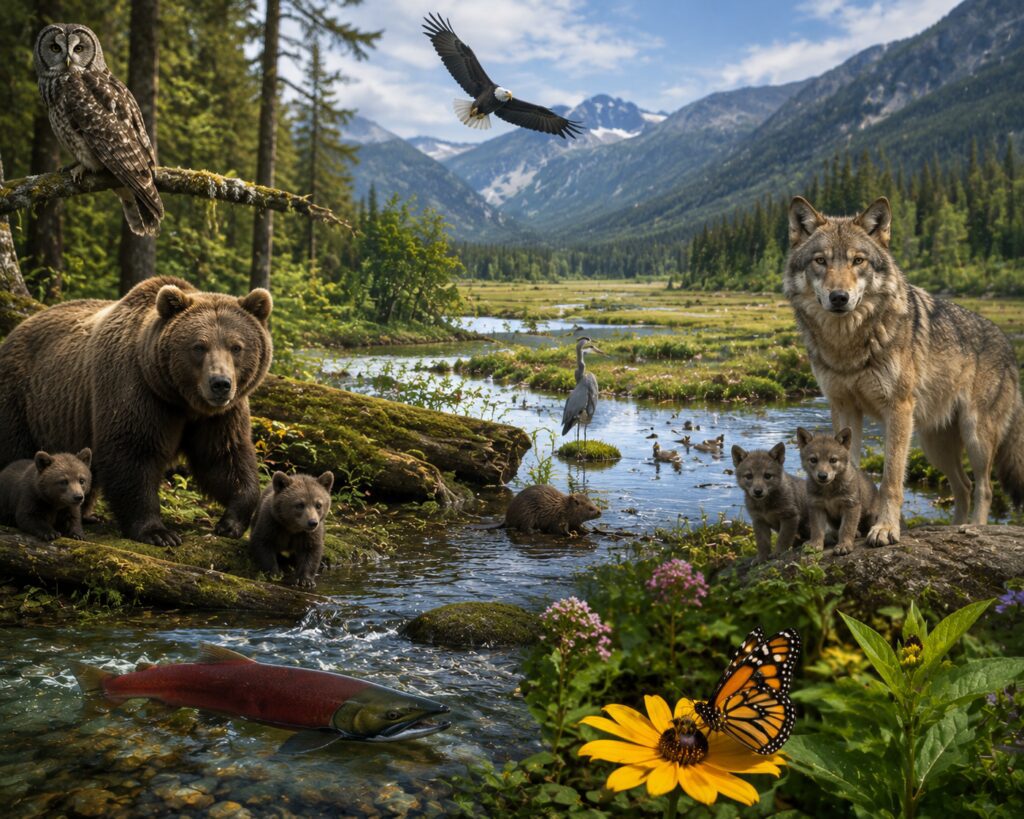
A spotted owl cannot survive without old-growth forests. Atlantic salmon cannot complete their life cycle without healthy rivers. Florida panthers need large connected areas of wilderness to hunt and reproduce.
Without habitat protection, even strong laws against directly harming animals may not be enough. An animal does not need to be captured or killed to disappear.
Destroying the place where it lives can create the same result over time.
I think this is one of the most important lessons in conservation: protecting wildlife means protecting ecosystems.
A forest is not just a collection of trees. It is a living network of plants, animals, insects, water systems, and microorganisms working together. When one part of that system disappears, many other species can suffer.
What the Endangered Species Act Previously Protected?
The Endangered Species Act has been one of America’s strongest environmental laws since it was created in 1973. Its purpose is to protect species facing extinction and help endangered populations recover.
One important part of the law involved the definition of “harm.” For decades, federal agencies interpreted harm to include significant habitat destruction or modification.
This meant that activities damaging critical habitats could face restrictions if they threatened endangered species. The protection played an important role in preventing further decline of vulnerable animals.
In previous legal cases, including one involving the northern spotted owl, the Supreme Court supported the idea that protecting habitat is essential for protecting species.
Removing this interpretation changes the balance between conservation and development. Supporters of the rule change argue that it reduces restrictions on land use and makes it easier for economic projects to move forward.
However, conservation scientists argue that weaker habitat protections could accelerate biodiversity loss. The challenge is finding a balance between human development and protecting the natural systems that support life.
Industries Could Gain More Freedom to Develop Wildlife Areas
One of the biggest concerns surrounding this decision is how it may affect land use across the country. Critical habitats often overlap with areas valuable for economic activities. Forests may contain valuable timber.
Underground areas may contain minerals or fossil fuel resources. Open landscapes may be attractive locations for infrastructure projects.
Without strong habitat protections, conservation groups fear that more endangered species could lose the places they depend on. Logging, mining, drilling, and construction are not automatically harmful activities.
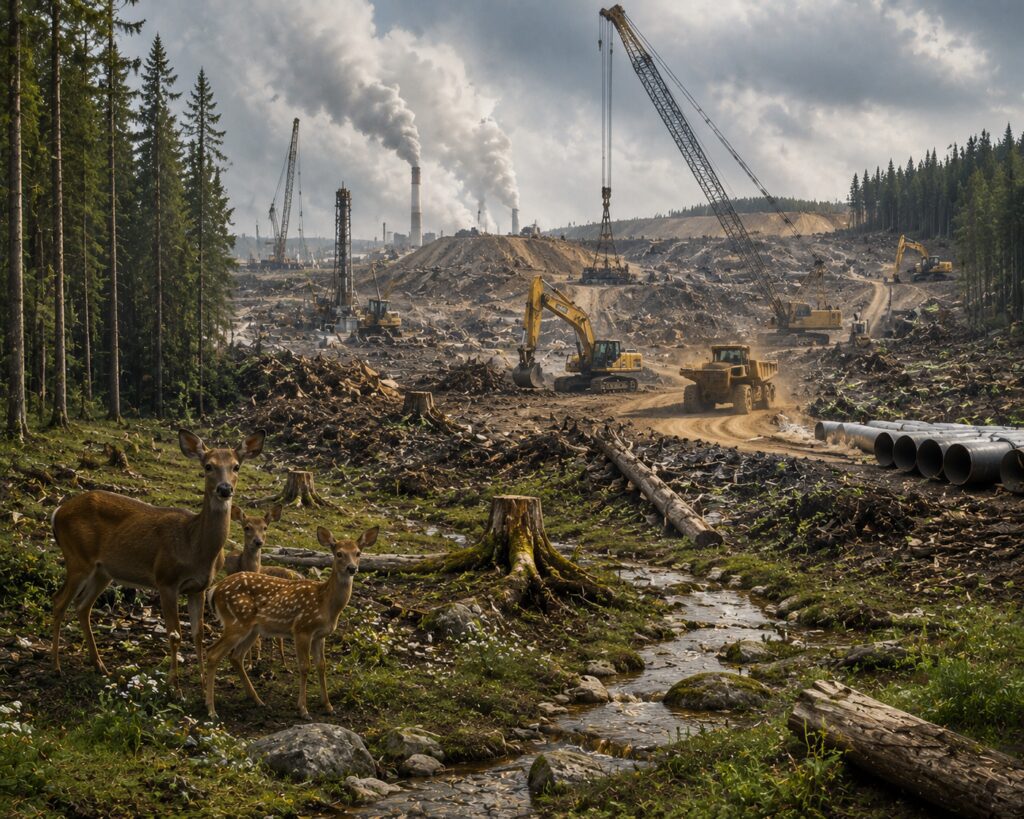
Many communities rely on these industries for jobs and economic stability. However, responsible development requires careful planning and strong environmental standards.
The problem begins when short-term economic benefits are prioritized while ignoring long-term environmental costs. Healthy ecosystems provide services that are difficult to replace.
Forests help clean air, regulate water, reduce flooding, and store carbon. Rivers support drinking water and agriculture. Wetlands protect communities from storms.
Destroying these systems can create costs that appear years later. In my view, environmental protection should not be seen as an obstacle to progress. The goal should be creating development that allows communities to grow while ensuring nature can continue supporting future generations.
America Is Facing a Growing Wildlife Extinction Crisis
Scientists around the world have warned that biodiversity loss is accelerating. Many species are declining because of habitat destruction, climate change, pollution, invasive species, and overexploitation.
Habitat loss remains one of the biggest threats.
When forests are divided by roads, farms, or buildings, animals lose the ability to move freely.
Smaller populations become more vulnerable to disease, climate changes, and natural disasters. This problem does not only affect rare animals. Wildlife plays an important role in maintaining healthy ecosystems that humans depend on.
Pollinators such as bees and butterflies support food production. Predators help maintain balanced ecosystems. Wetland species help protect water quality. The disappearance of one species can create unexpected consequences throughout the environment.
I believe one of the biggest mistakes people make is thinking that extinction is only a problem for nature lovers. In reality, biodiversity is connected to human survival.
A healthier planet supports healthier communities.
What Individuals Can Do to Support Wildlife Protection?
Large environmental decisions are often made by governments and corporations, but individuals still have meaningful ways to help protect wildlife. One simple action is supporting conservation organizations that protect habitats and restore ecosystems.
Many groups work on wildlife rehabilitation, land preservation, habitat restoration, and environmental education.
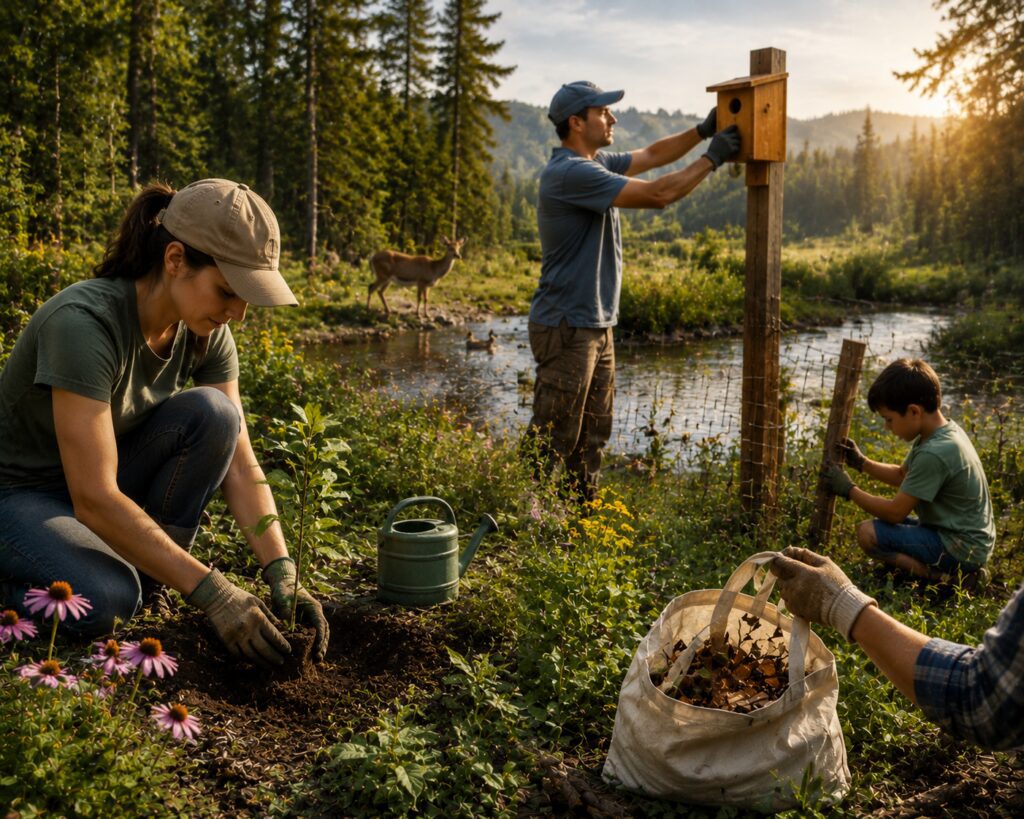
People can also make everyday choices that reduce pressure on nature. Buying sustainable products, reducing waste, planting native plants, avoiding unnecessary pesticide use, and supporting responsible companies can all contribute to healthier ecosystems.
Creating wildlife-friendly spaces at home is another practical step. Planting native flowers can help pollinators. Keeping natural areas in gardens can provide shelter for insects and birds.
Reducing chemical use can protect soil and water.
Education is also powerful. Sharing accurate information about endangered species can help more people understand why habitat protection matters. Small actions may seem limited compared with government decisions, but public awareness often influences larger changes.
Protecting Wildlife Means Protecting Our Future
The removal of endangered species habitat protections represents a major shift in how America approaches wildlife conservation. While economic development is important, the loss of natural habitats can create consequences that cannot easily be reversed.
Once a species disappears, it cannot simply be brought back. Once an ecosystem is destroyed, restoration can take decades or may never fully succeed.
For me, the most important takeaway is simple: animals cannot survive without homes.
Protecting wildlife is not only about saving beautiful creatures. It is about protecting the natural systems that make human life possible.
The choices made today will shape what future generations inherit. A world with fewer forests, fewer species, and damaged ecosystems is not just a loss for nature. It is a loss for everyone.
Conservation and development do not have to be enemies. But progress must include responsibility. Protecting the places where wildlife lives is one of the most important investments we can make for the future.