A river can be restored with machines, but its deepest healing begins with people who have never stopped belonging to it.
For the Stillaguamish Tribe of Indians, restoring the Stillaguamish River is not simply an environmental project. It is about protecting a homeland, rebuilding salmon habitat, and renewing cultural relationships carried across generations.
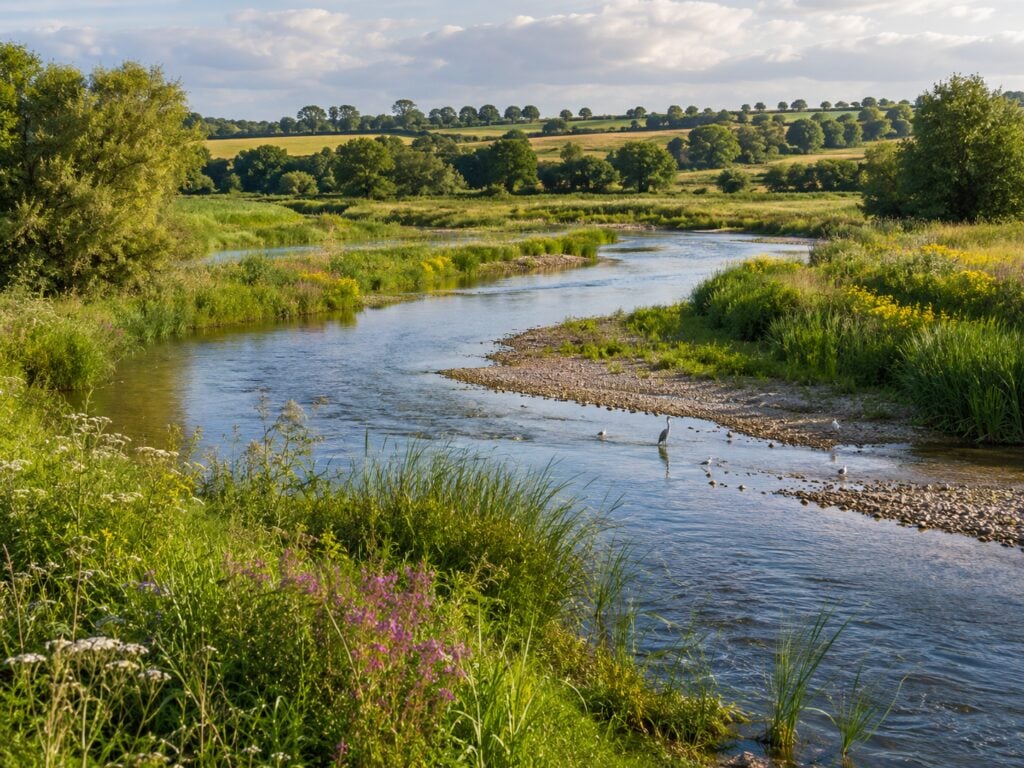
Over the past 15 years, the Tribe has invested about $12 million to acquire nearly 2,000 acres of former farmland near the river’s mouth. Much of this land was once tidal wetland and natural floodplain before levees, drainage systems, and agriculture reshaped it.
Now, the Tribe is reconnecting the land with the river and allowing natural processes to return.
To me, that is what makes this work so powerful. Healthy wetlands support salmon, birds, wildlife, nearby communities, farmers, and people living downstream. When Indigenous Nations restore their homelands, they are not protecting only their own future. They are rebuilding ecosystems that sustain everyone.
The River Has Always Been Part of Tribal Life
For the Stillaguamish Tribe, the river has long provided food, transportation, gathering places, and cultural knowledge. Salmon are not only a resource. They are part of Tribal identity, tradition, and the relationship between people and their homeland.
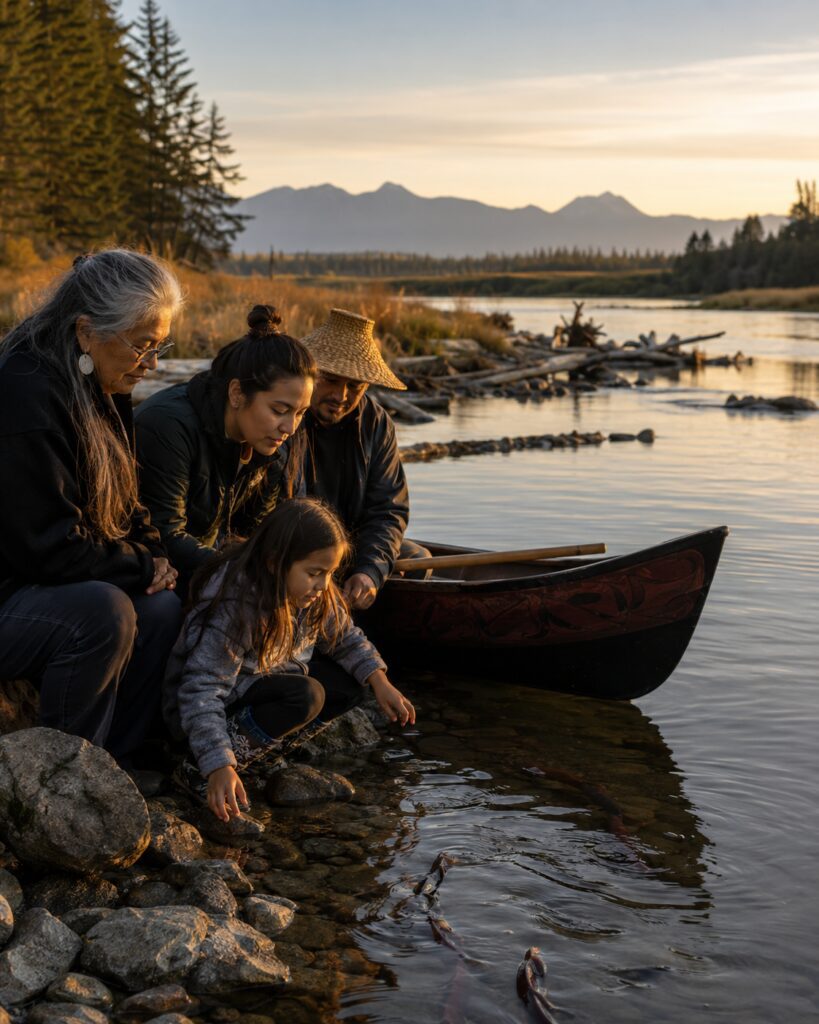
When the river is damaged, the loss reaches far beyond declining fish numbers. It can weaken ceremonies, traditional foods, family knowledge, community health, and the connection younger generations have with the land.
To me, this is what makes Indigenous-led restoration so powerful. It does not simply repair habitat. It restores relationships.
The Stillaguamish River is not an empty space to manage—it is a living homeland filled with stories, obligations, and connections worth carrying forward.
How the Estuary Was Changed?
The river did not lose its wetlands all at once. They disappeared behind levees, drained fields, and channels cut off from the tides.
Beginning in the late 1800s, much of the Stillaguamish River’s lower floodplain was converted into farmland. Agriculture expanded, but vital estuary habitat was lost.
For young Chinook salmon, these wetlands are essential. They provide calm, food-rich places to rest, grow, and prepare for life in the ocean. Without them, salmon may reach the sea smaller and less likely to survive.
To me, this restoration is not about undoing history. It is about rebuilding the natural connections that both wildlife and nearby communities still depend on.
A river needs room to move, and salmon need places to grow.
Buying the Land Made Restoration Possible
Over 15 years, the Stillaguamish Tribe invested about $12 million to acquire nearly 2,000 acres near the river’s mouth. Each parcel required funding, negotiation, legal work, and patience, but together they created the space needed to reconnect wetlands and restore the floodplain.
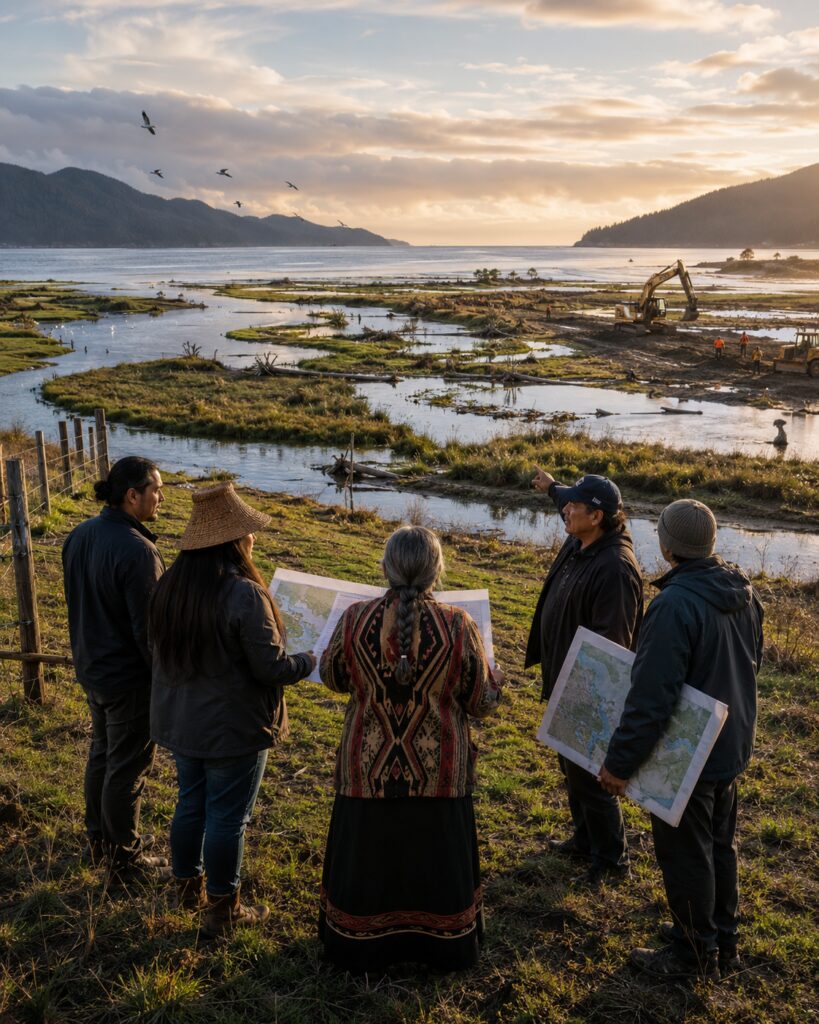
To me, this is what long-term conservation looks like. One land purchase may seem small, but many connected decisions can eventually transform an entire river system.
Rivers do not recover on political timelines. Meaningful restoration requires people willing to plan, invest, and remain committed for decades.
Restoring Wetlands Gives Young Salmon a Better Chance
Restored tidal wetlands can provide threatened Chinook salmon with shallow channels, slower water, vegetation, food, and protection from predators. These nursery habitats allow juvenile fish to become stronger before entering Puget Sound and the Pacific.
Restoration cannot remove every threat salmon face, but it can improve one critical stage of their journey.
To me, that is what makes this work so hopeful. When wetlands return, they do not help salmon alone. Birds, insects, shellfish, amphibians, and countless other species benefit as the entire estuary begins coming back to life.
Wetlands Can Improve Water Quality Naturally
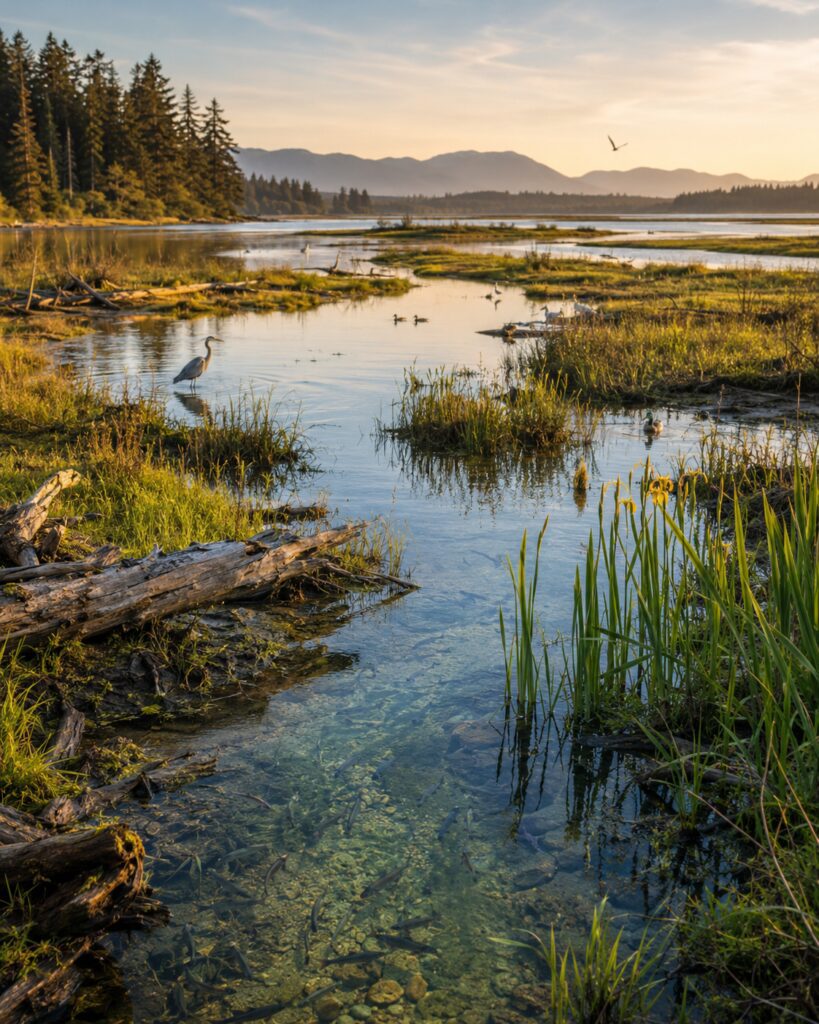
Sometimes the safest way to manage a river is to stop forcing it into a narrow path.
Wetlands slow water, trap sediment, and help filter some nutrients and pollutants before they travel downstream. During heavy rain, they also give floodwater room to spread instead of rushing immediately toward homes and communities.
They cannot prevent every flood, but they can reduce pressure on levees and improve conditions for fish and wildlife.
To me, the lesson is simple: flood protection should not rely only on higher walls. In the right places, giving a river more space can be safer, more natural, and more sustainable than trying to control every drop.
Restoration Can Support People as Well as Wildlife
A wetland is not empty land waiting to be developed. It is infrastructure built by nature.
The Stillaguamish project shows that restoring ecosystems can protect both people and wildlife. Healthy wetlands improve water quality, reduce flood pressure, support salmon, and strengthen local communities and economies.
Salmon recovery also supports Tribal, commercial, and recreational fisheries, along with tourism, food systems, and river-based jobs. The benefits may take time, but they can last for generations.
To me, restoration is not a choice between nature and people. Wetlands, forests, and floodplains perform essential work every day. They store water, filter pollution, protect soil, and provide habitat—and unlike concrete, they can grow stronger as they recover.
Indigenous Stewardship Brings a Long-Term Perspective
Restoring a river requires more than technical skill. It requires the patience to care for a place beyond one lifetime.
The Stillaguamish Tribe’s leadership reflects generations of responsibility to the river, its salmon, and future communities. Wetlands, channels, and fish populations may take years to recover, so restoration cannot end when construction is finished.
To me, the strongest projects combine scientific tools with Indigenous knowledge. Data can measure water flow, sediment, and fish survival, while generations of observation provide deeper context about seasons, species, and the land.
These approaches are not opposites. Together, they create restoration that is more informed, respectful, and built to last.
What Other Communities Can Learn?
Every river has its own story, but successful restoration often begins with the same question: are we protecting isolated sites, or rebuilding the whole system?
The Stillaguamish project shows the value of planning early, reconnecting habitats, and involving Indigenous Nations from the beginning—not after major decisions have already been made. Their sovereignty, knowledge, and long relationship with the river should help guide the work.
For me, one simple step is learning which watershed I live in. From there, we can support restoration groups, reduce chemical runoff, respect habitat closures, and pay closer attention to development near wetlands.
Personal actions cannot replace strong policy, but they can build the public support that healthier rivers need.
Restoring a Homeland Helps Restore Balance
A river’s recovery does not stop at the water’s edge. Its benefits flow through entire communities.
The Stillaguamish Tribe is restoring historic wetlands, reconnecting the floodplain, and creating vital habitat for young Chinook salmon. The work can also improve water quality, support wildlife, and reduce flood risk.
But to me, its deepest meaning is cultural. Restoring the river is an act of caring for a homeland that has sustained Tribal communities for generations.
The landscape may never return exactly to its past, but restoration can still create a healthier future. When Indigenous Nations protect their homelands, they also protect fish, water, wetlands, and communities far beyond Tribal boundaries.
Healthy rivers benefit everyone—just as their waters continue flowing outward.