
I used to throw away kitchen scraps without thinking twice. Vegetable peels, fruit leftovers, even used tea bags all ended up in the trash. Over time, I realized how much waste I was creating and how little of it was actually necessary.
That was when I discovered the concept of a worm tower, and honestly, it changed the way I garden completely.
A worm tower is one of the simplest composting systems I have ever used. It is clean, low maintenance, and incredibly effective.
Instead of dealing with messy compost piles or worrying about smell, I now let nature do the work underground. The best part is that my plants are healthier than ever.
What Is a Worm Tower and Why I Chose It?
When I first heard about a worm tower, I was curious about how something so simple could make such a big impact.
A worm tower is basically a vertical composting system made from a pipe buried in your garden soil. You add kitchen scraps into the pipe, and worms come in through small holes to eat the waste.
As they digest it, they produce nutrient-rich castings that spread into the surrounding soil.
I chose this method because it solves multiple problems at once. It reduces household waste, improves soil quality, and requires almost no maintenance.
Unlike traditional compost piles, there is no turning, no smell, and no large space needed.
From my experience, it’s perfect for raised beds, small gardens, or even urban spaces where composting can feel complicated.
The Simple Materials I Used
Before building my worm tower, I gathered everything I needed, and surprisingly, it was very minimal. I used a PVC pipe about 50 centimeters long. The diameter was wide enough to hold a good amount of scraps but still easy to install.
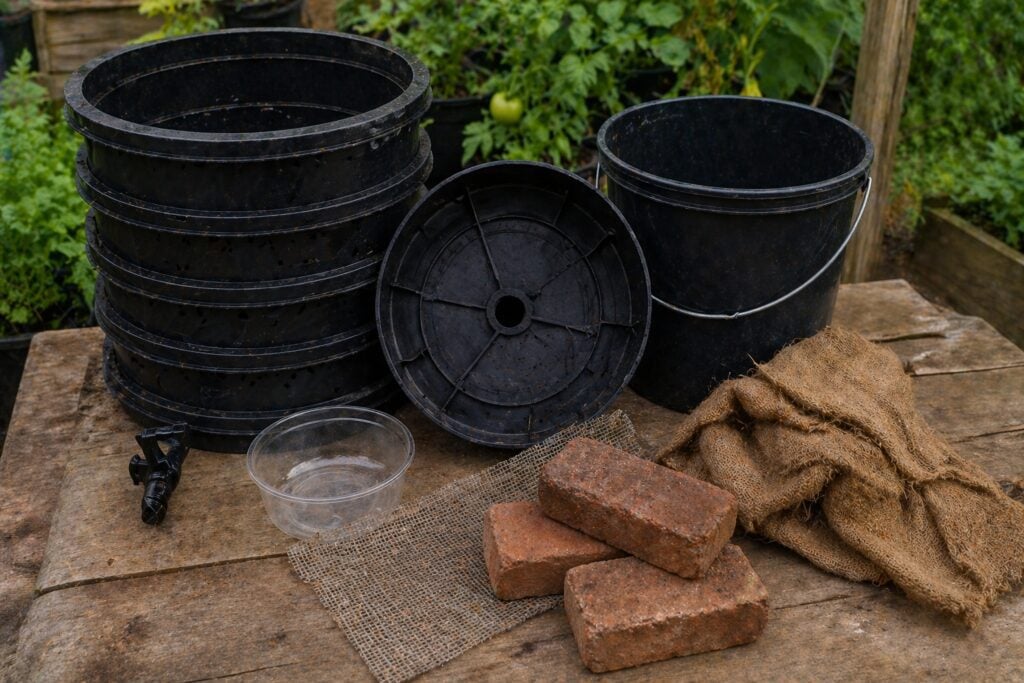
I also prepared a drill with a 10 millimeter bit to create holes along the pipe.
The holes are important because they allow worms to enter and exit freely. I spaced them evenly around the pipe to ensure nutrients would spread in all directions.
Other than that, I used basic tools like a measuring tape and gloves. That’s all it took to get started.
How I Built My Worm Tower Step by Step?
The first time I built my worm tower, I expected it to be complicated, but it turned out to be surprisingly easy. I started by marking the pipe and drilling holes along its sides.
I made sure the holes were not too big, just enough for worms to pass through. Then, I dug a hole in my garden bed deep enough so that most of the pipe would sit underground, leaving only about 10 centimeters above the soil.
Once the pipe was in place, I packed soil around it to keep it stable.
I placed a simple cover on top to keep pests out while still allowing air circulation.
What I liked most about this process was how quick it was. In less than an hour, I had a working compost system installed right in my garden.
How the Worm Tower Works Underground?
When I first added kitchen scraps into the worm tower, I didn’t see immediate results, but the magic happens below the surface.
Inside the pipe, organic waste like vegetable peels, fruit scraps, and tea bags begins to break down. Worms are naturally attracted to this food source and enter through the holes in the pipe.
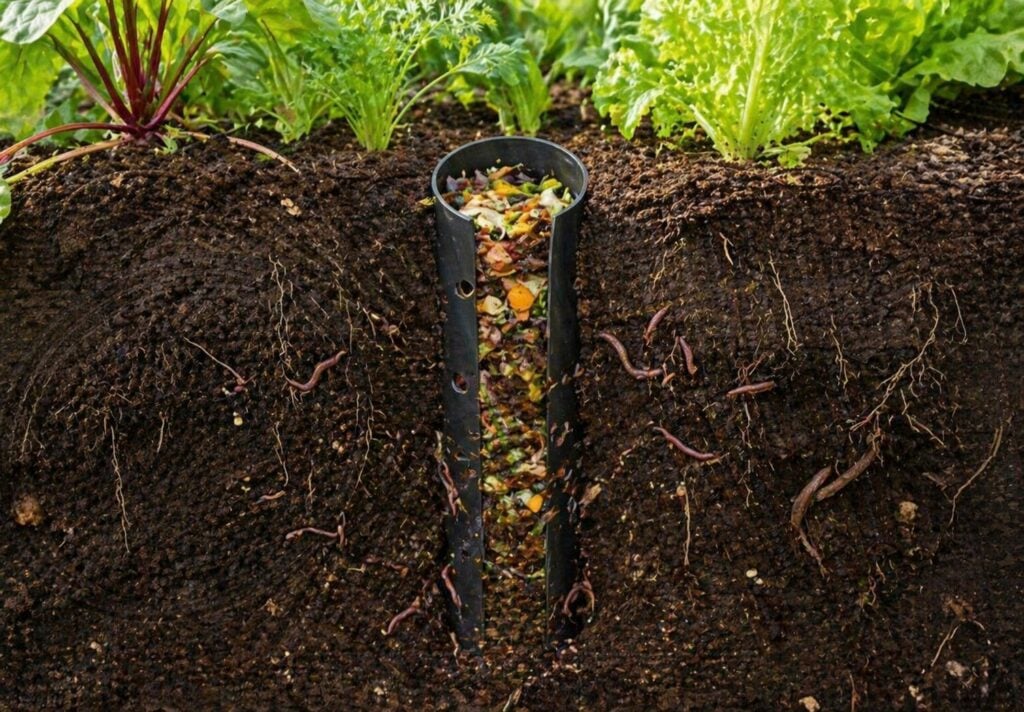
As they eat the scraps, they produce castings, which are essentially nutrient-rich waste that plants love. These castings spread into the surrounding soil, improving its structure and fertility.
What amazed me was how evenly the nutrients distributed themselves. Instead of concentrated compost in one area, the worms carried the benefits directly to plant roots.
The Role of Worms in Soil Health
Before using a worm tower, I underestimated how important worms are for a healthy garden.
Worms are natural soil engineers. As they move through the soil, they create tunnels that improve aeration and water flow. This helps plant roots grow deeper and stronger.
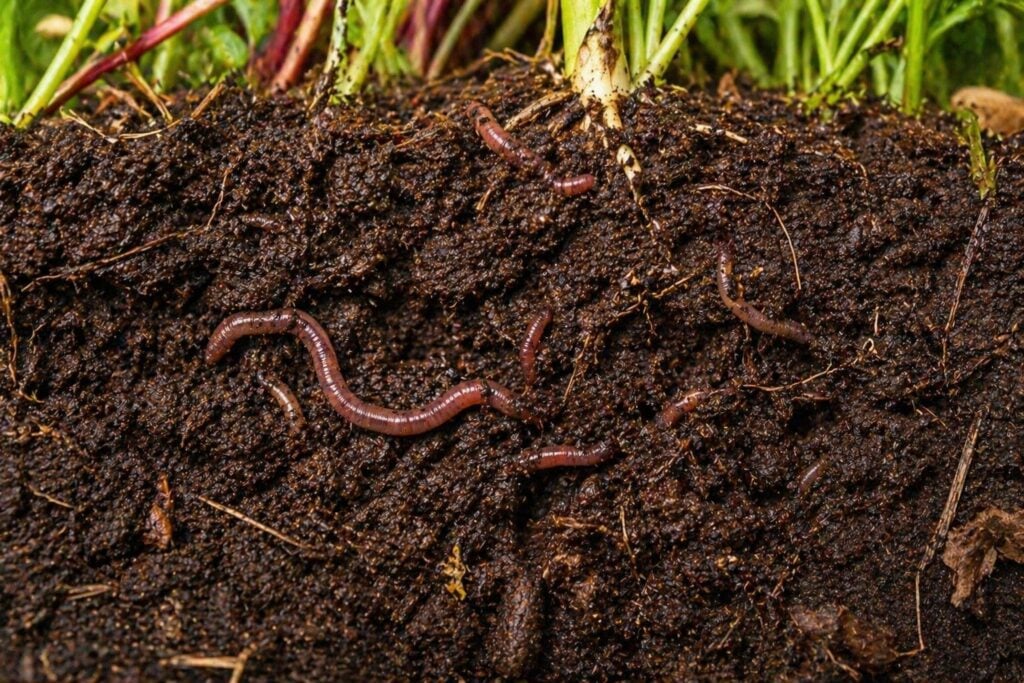
Their castings are packed with essential nutrients like nitrogen, phosphorus, and potassium. These nutrients are released slowly, providing a steady supply for plants over time.
From my experience, plants near the worm tower always look healthier, greener, and more productive compared to other areas in the garden.
What I Put Into My Worm Tower?
At the beginning, I wasn’t sure what types of waste were suitable for the worm tower.
I started with simple kitchen scraps like vegetable peels, fruit leftovers, and used tea bags. These break down easily and attract worms quickly.
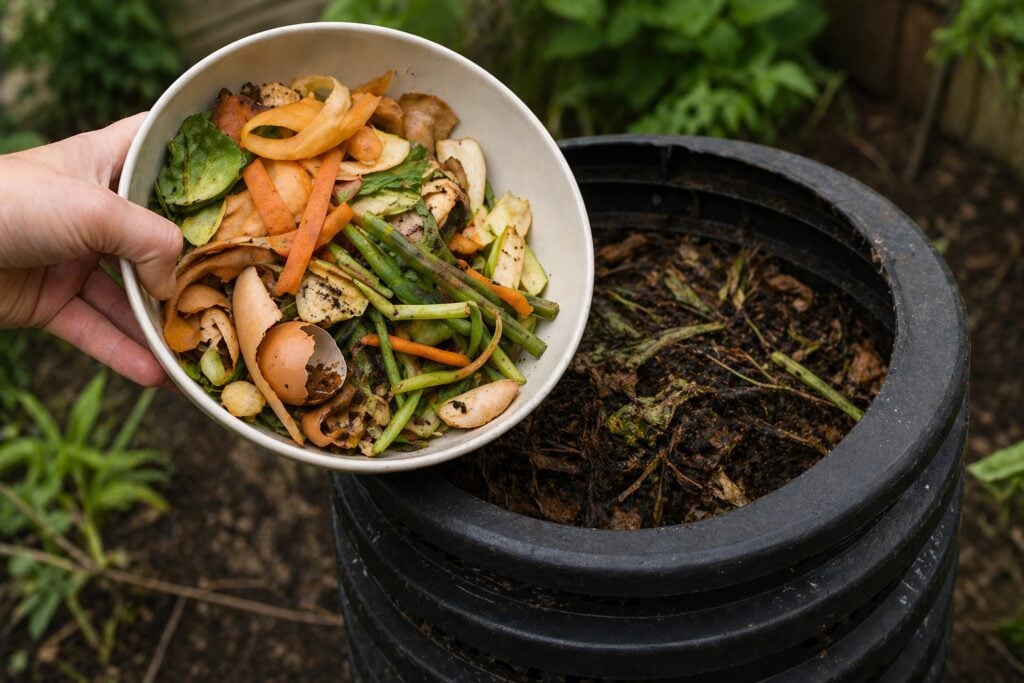
Over time, I learned to avoid certain items like meat, dairy, and oily food because they can create odors and attract pests. Keeping the inputs clean and organic made a big difference in maintaining a healthy system.
I also make sure to cut larger scraps into smaller pieces. This helps them decompose faster and makes it easier for worms to consume them.
The Benefits I Noticed in My Garden
After a few weeks of using the worm tower, I began to notice clear improvements in my garden.
The soil became darker and richer, which is a sign of increased organic matter. Plants grew faster and produced more leaves and fruits. Even watering became more efficient because the soil retained moisture better.
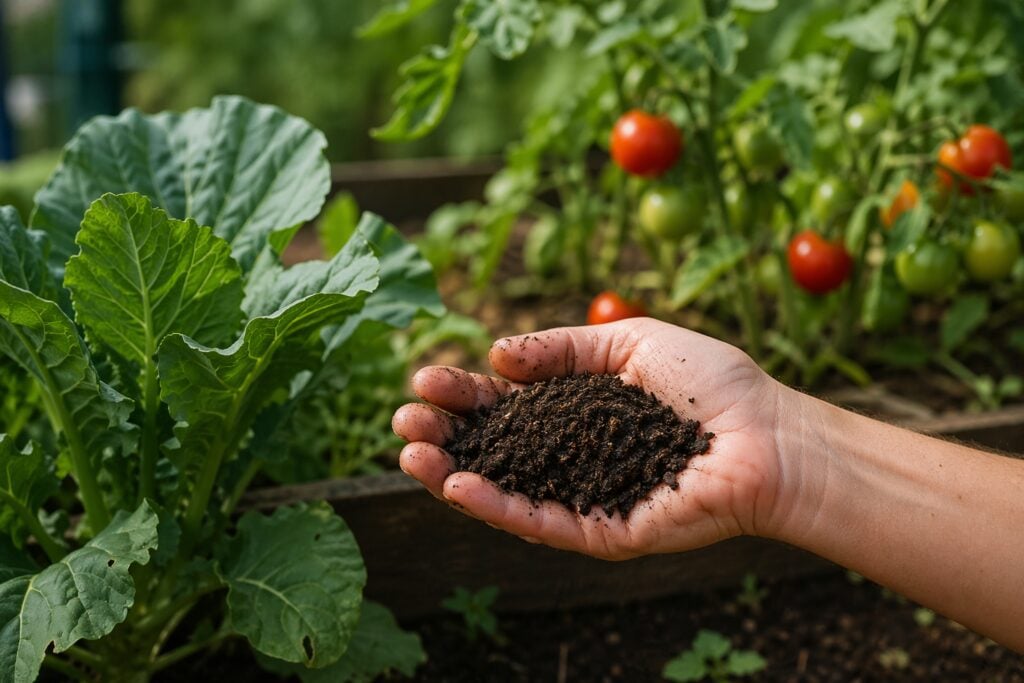
One of the biggest benefits for me was the reduction in waste. Instead of throwing away kitchen scraps, I was turning them into something valuable. It felt rewarding to see how a simple system could create such a positive impact.
Why This System Has Almost No Smell?
One of my initial concerns was whether the worm tower would smell bad, especially since it involves decomposing waste. But in reality, I found that it produces little to no odor when used correctly.
This is because the waste is buried underground and processed quickly by worms.
The key is balance. I avoid overfilling the tower and make sure there is enough airflow. Covering the top also helps keep everything contained. Compared to traditional compost bins, this method is much cleaner and more discreet.
Tips I Learned From My Experience
After using the worm tower for some time, I picked up a few tips that made the system even more effective. First, I always keep the soil around the tower slightly moist.
Worms thrive in damp conditions, so this encourages them to stay active.
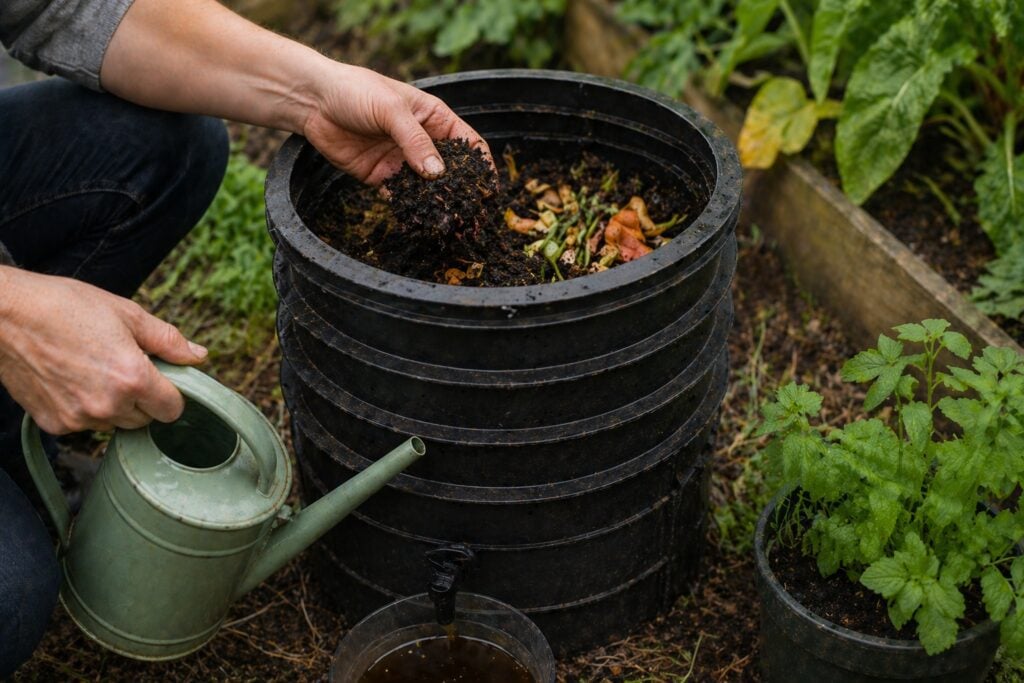
Second, I rotate where I add scraps inside the pipe. This helps distribute nutrients more evenly. Lastly, I check the tower occasionally to make sure it’s not clogged or overloaded.
A little attention goes a long way in keeping everything running smoothly.
Common Mistakes to Avoid
When I first started, I made a few mistakes that slowed down the process. One mistake was adding too much waste at once. This can overwhelm the system and reduce airflow.
Another mistake was placing the tower in poor soil. Worms need a healthy environment to thrive, so starting with decent soil conditions helps a lot. I also learned not to ignore the type of waste added.
Keeping it clean and organic makes the system much more efficient.
Why I Recommend Worm Tower Composting?
Looking back, building a worm tower was one of the best decisions I made for my garden.
It’s simple, affordable, and incredibly effective. You don’t need special skills or equipment to get started. Once installed, it works quietly in the background, improving your soil day by day.
For anyone looking to reduce waste and grow healthier plants, this method is a practical solution that delivers real results.
Final Thought
When I started my gardening journey, I never imagined that something as simple as a buried pipe could transform the way I grow plants.
The worm tower has helped me turn everyday kitchen waste into a powerful source of nutrition for my garden. It’s efficient, sustainable, and easy to maintain.
If you’re looking for a low effort way to improve your soil and reduce waste, I highly recommend trying this method. From my experience, once you see the results, you’ll never go back to traditional composting methods.


