
I’ve always loved gardening, but over the years, I realized that some of the messiest spots in my garden are actually the most important. What first felt untidy and chaotic is really a thriving ecosystem.
Insects, birds, and small animals rely on these areas for shelter and food. I leave bare soil, old stumps, and fallen leaves where they don’t interfere with paths.
Over time, I’ve watched life flourish in these spots. The messier corners often support the most activity and biodiversity. It’s amazing how letting a little disorder stay can create a garden that is vibrant, dynamic, and full of life.
I’ve learned to embrace the mess as part of the natural rhythm of the garden.
1. Leaf Litter Left in Place
When I first started gardening, I used to rake up every fallen leaf, fearing decay or mess. Then, I noticed frogs and beetles using leaf piles as shelter, especially during dry periods.
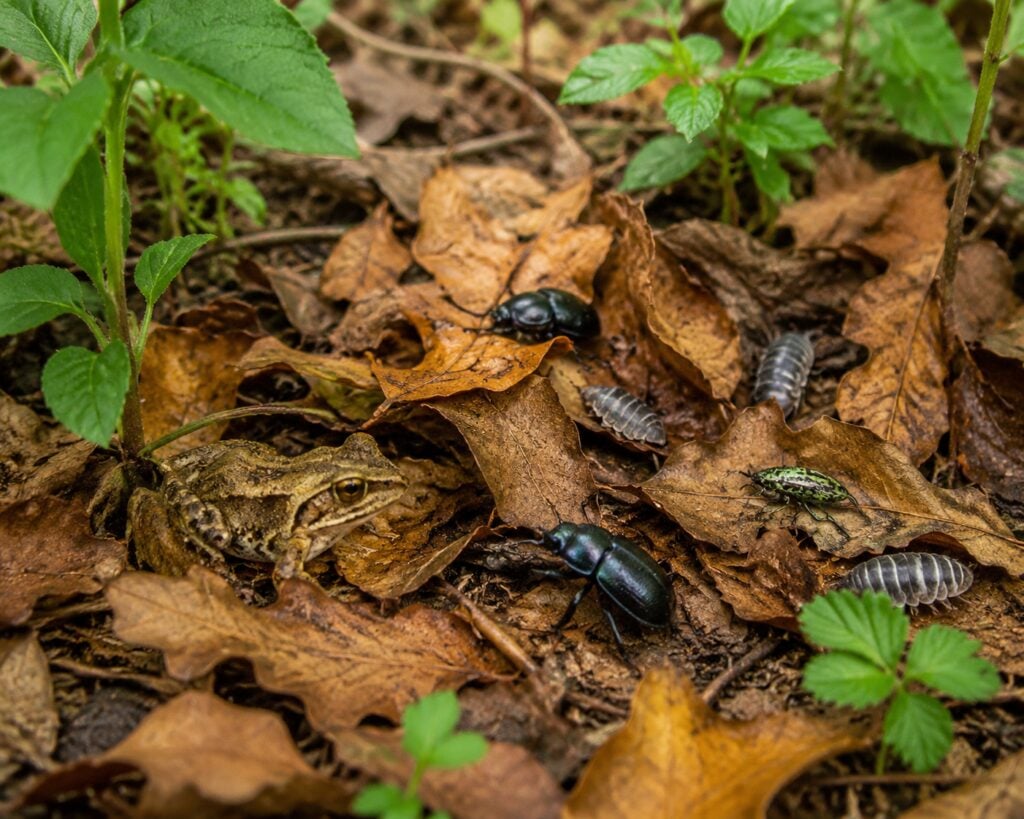
Even beneficial larvae, crucial for breaking down organic matter, thrived there.
Now, I leave leaf litter in certain spots intentionally, letting nature do the recycling while giving small creatures a safe haven.
2. Fallen Branches
I once pruned my trees and neatly stacked the branches for disposal, thinking it was tidier. But then I discovered woodlice, millipedes, and fungi colonizing the decaying branches.
Fallen wood is essential for breaking down organic matter into humus, enriching the soil.
I now strategically leave some branches scattered, creating microhabitats and adding nutrients over time.
3. Old Stump Left Standing
Old tree stumps used to feel like clutter I needed to remove immediately, but I soon realized they are far more than just remnants of past growth.
Stumps provide homes for beetles, fungi, and even insect-eating birds, creating a small ecosystem that quietly thrives in my garden.
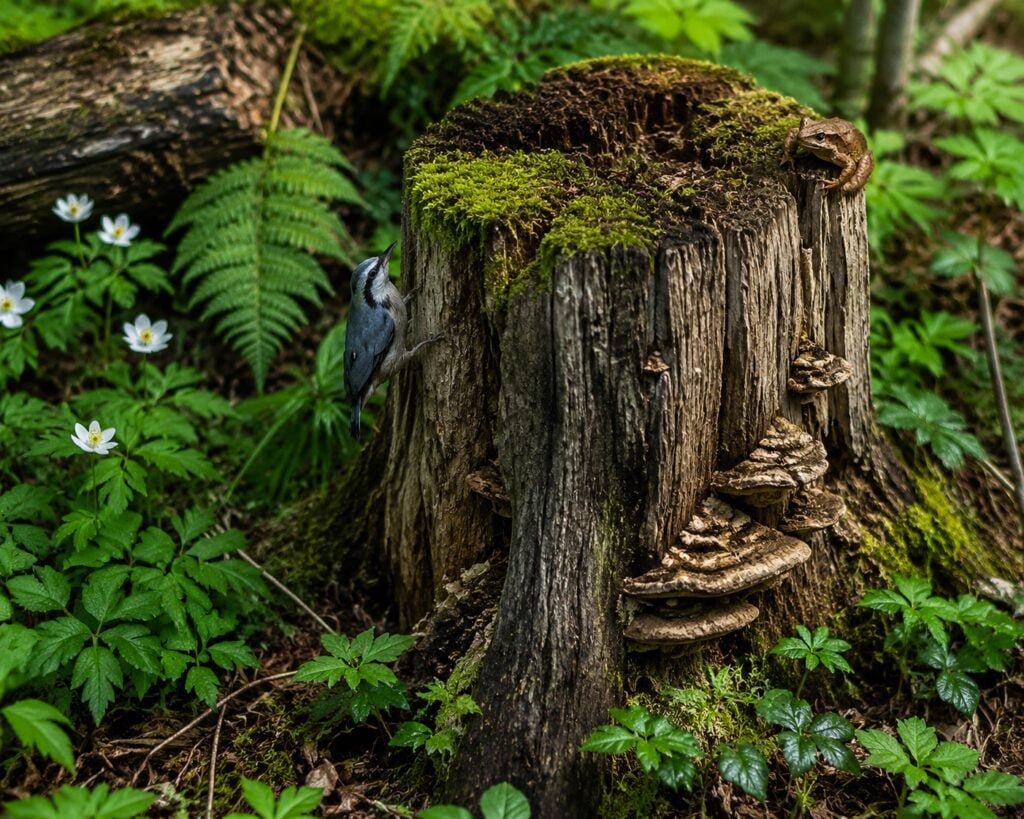
Instead of clearing every stump, I now leave selected ones in place, and it has become a joy to watch wildlife explore them daily. Beetles crawl across the surfaces, birds investigate every nook, and fungi slowly break down the wood, adding nutrients back to the soil.
Over time, these stumps have turned into living features, adding texture, life, and a sense of continuity to my outdoor space.
What once felt like a garden mess now feels purposeful, reminding me that even decaying wood can support a remarkable amount of life and become one of the most interesting, dynamic corners of the garden.
4. Uncut Border Grass
Tidy lawns have their appeal, but leaving border grass uncut has transformed my garden’s biodiversity. Shrews hunt among the taller grass, and pollinating insects find refuge here.
I now allow grassy edges to grow, which not only supports wildlife but also adds a soft, natural boundary to flower beds.
5. A Shallow Pond That Stays Wet
Instead of keeping it perfectly tidy, I let it stay slightly wild and wet. Birds now visit it daily. Frogs use it as a breeding spot. Helpful insects also come to drink and live around it.
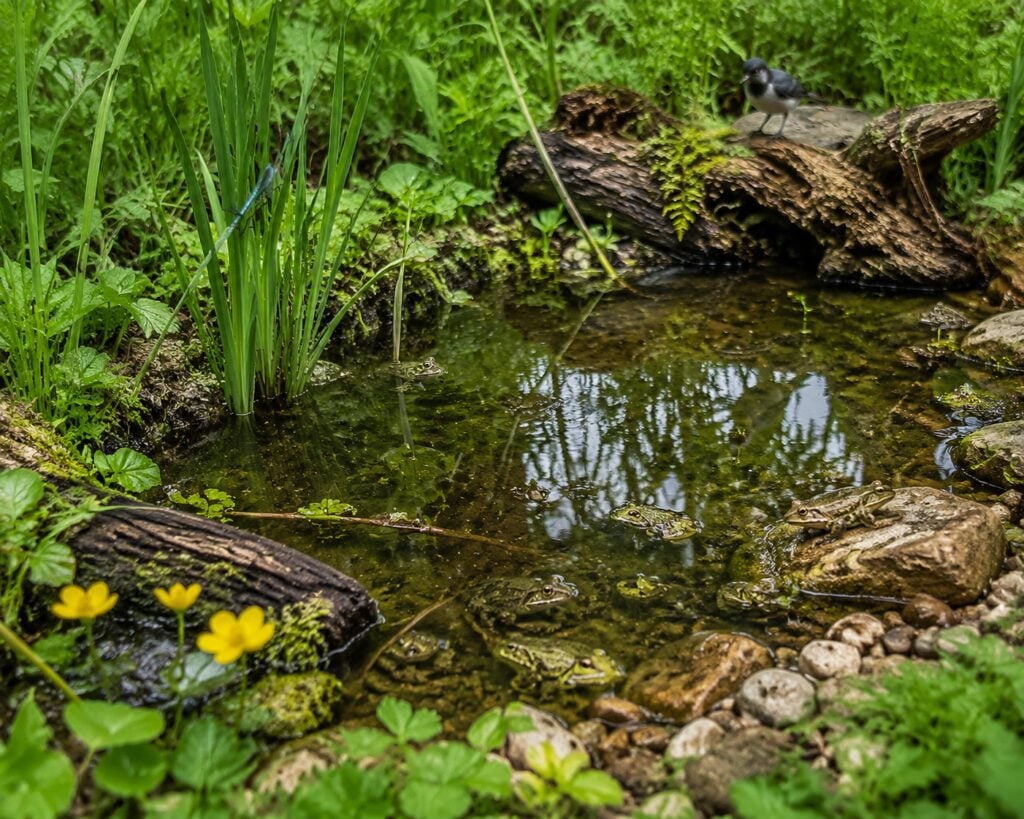
Over time, the pond became a hub of activity. It turned a simple feature into a lively part of my garden ecosystem. I learned that sometimes a little mess in the garden is actually a sign of life thriving.
Allowing nature to take its course creates a space that is dynamic, balanced, and full of unexpected beauty.
6. Stacked Rocks
I used to think rocks were purely decorative, but arranging them in small stacks created warm shelters for lizards and invertebrates.
Observing creatures navigate these small rock piles reminds me how even tiny features can support life. Now, I build mini rock habitats in strategic corners.
7. Bare Patch of Soil
Empty soil may look lifeless at first, but leaving bare patches in the garden can have surprising benefits for local pollinators and plant productivity.
I discovered that when I stopped covering or planting over every empty spot, solitary bees began building tiny nests in these bare areas, creating safe nesting grounds that supported their lifecycle.
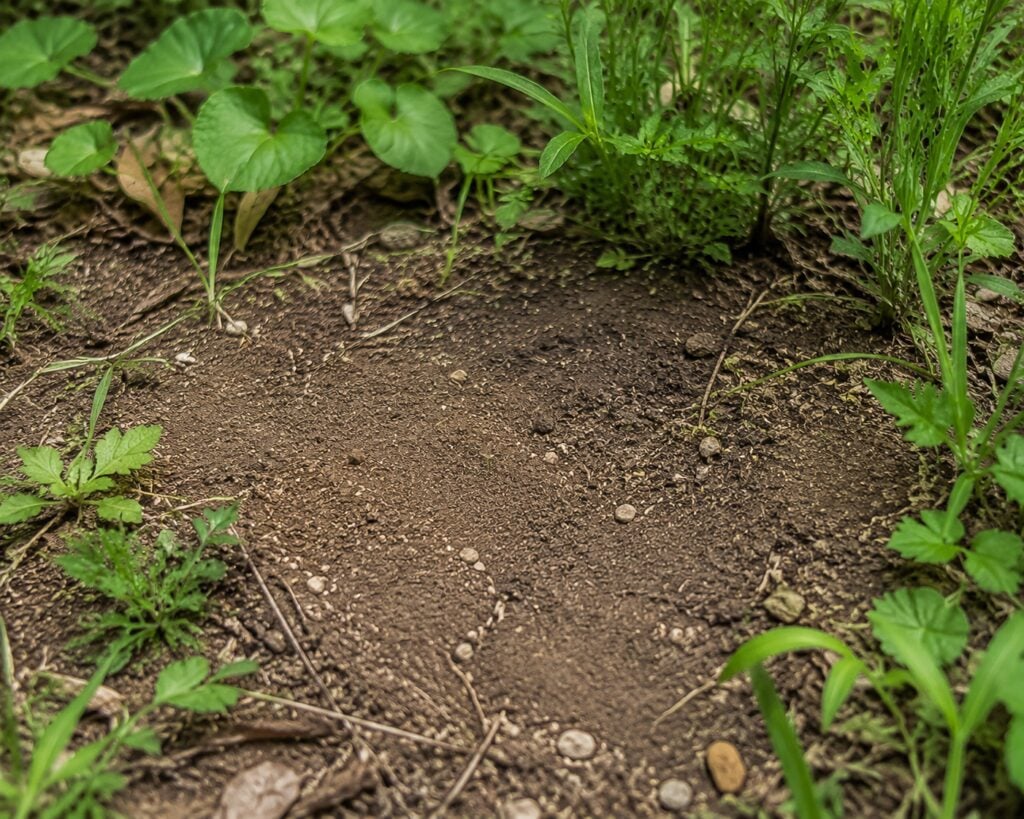
Over time, I noticed more bees visiting flowers and an increase in pollination throughout my garden.
This small, intentional decision to allow certain patches of soil to remain exposed not only helped maintain a healthy ecosystem but also dramatically improved the productivity and vibrancy of my plants.
It was a simple adjustment that reminded me that sometimes what looks like “mess” in a garden is actually a natural and essential part of a thriving ecosystem, providing shelter and support for important pollinators that quietly make the garden flourish.
8. Undisturbed Corner
A corner of my garden, long ignored, became a mini wildlife hotspot. Mixed microhabitats formed naturally—fallen logs, leaf litter, and overgrown plants all contributed. Birds nested, mice foraged, and insects thrived.
Allowing areas to remain undisturbed creates diversity in a concentrated space, supporting many species in a small footprint.
9. Spider Webs on the Fence
While many gardeners instinctively clear every inch of the garden, I now only remove webs if they interfere with pathways or everyday garden activities, fully appreciating the role they play in keeping insect populations in check.
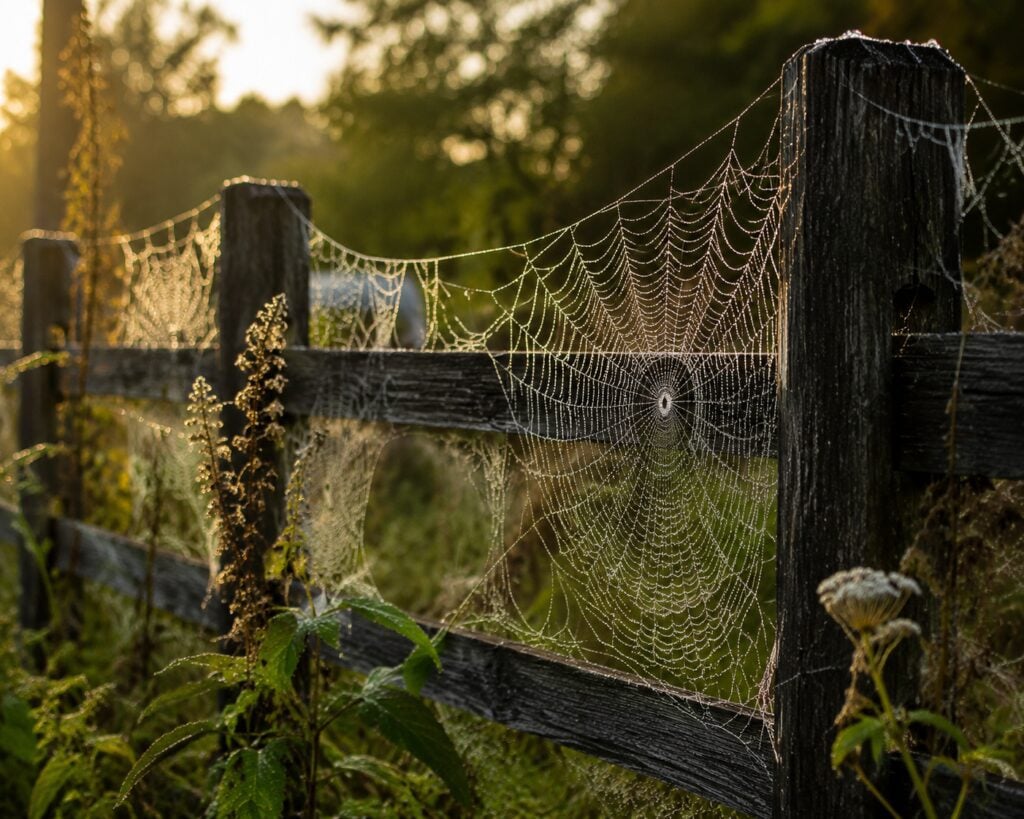
Spider webs are actually vital for maintaining a balanced ecosystem, capturing pests and preventing overpopulation of certain insects that could otherwise harm plants.
Allowing webs to remain in areas that don’t hinder movement not only supports beneficial insects but also adds a quiet, natural charm to the garden, reminding us that some “messy” corners are actually crucial parts of a healthy, thriving outdoor space.
By taking this approach, I can maintain functional garden areas while respecting the small, hardworking creatures that contribute to the ecosystem’s balance.
10. Fruit or Vegetables Left to Rot
I used to collect every fallen fruit, worried about pests. Over time, I noticed that decomposing fruits attract beneficial insects, birds, and even earthworms. These decomposed materials enrich the soil naturally.
I now designate small zones for fallen produce, letting it feed the garden in multiple ways.
Conclusion
If your garden looks perfectly tidy, you might be missing out on a lively ecosystem. Embracing these natural “messes” supports biodiversity, helps plants thrive, and attracts beneficial creatures.
My experience has taught me that sometimes, letting go of control creates a garden that is not only beautiful but also alive.
Nature thrives in gentle chaos, and the more I allow my garden to follow its rhythm, the more abundant and resilient it becomes.


