I used to think planting was simple. Dig a hole, drop the seed or bulb, cover it, and wait. But over time, I realized something surprising. One small detail, something many people overlook, can completely change the outcome of your harvest. That detail is planting depth.
After years of experimenting in my own garden, I noticed how the same plant could produce completely different results depending on how deep I planted it.
Bigger harvests, healthier plants, better storage quality, all of it often came down to just a few centimeters.
Why Planting Depth Matters More Than You Think?
When I first started gardening, I underestimated how sensitive plants are to their environment underground. What happens below the surface is just as important as what we see above.
Planting depth controls three critical factors. The first is moisture. Soil deeper down tends to hold water better, which helps roots stay hydrated. The second is temperature.
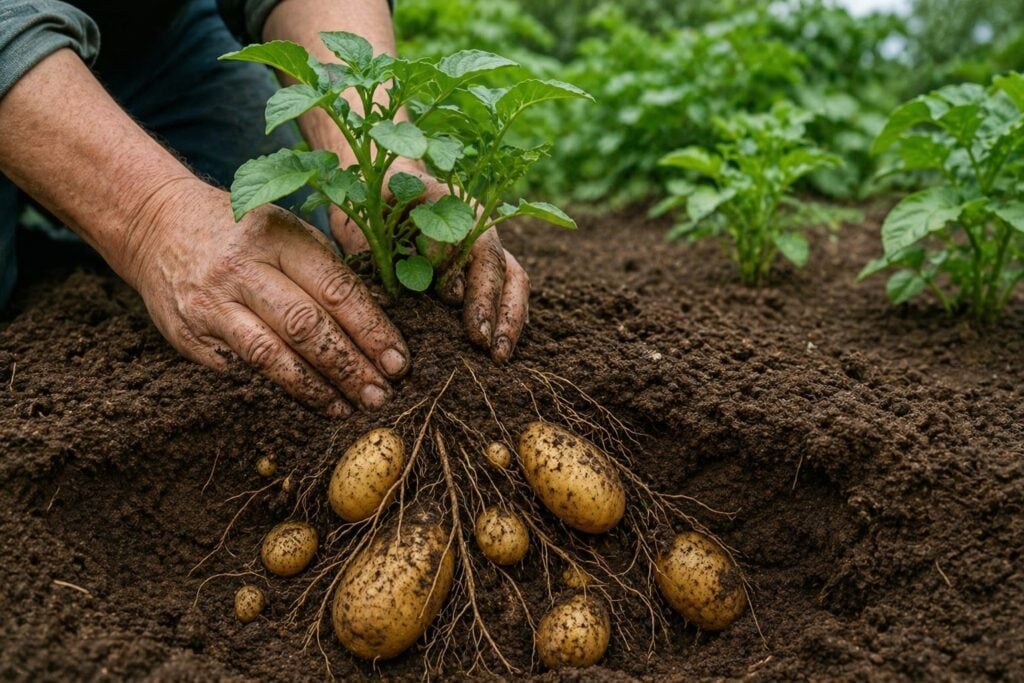
Deeper soil stays more stable, protecting roots from extreme heat or cold. The third is protection. Proper depth shields developing roots and tubers from sunlight, pests, and damage.
When these conditions are balanced, plants thrive. When they are not, problems appear quickly. I have seen stunted growth, misshapen roots, and even toxic development in crops that were planted incorrectly.
1. Potatoes
When I first grew potatoes, I made a common mistake. I planted them too shallow, thinking it would make harvesting easier. What I got instead was a disappointing and even unsafe result.
The Problem with Shallow Planting
When potatoes are planted too close to the surface, sunlight can reach the developing tubers. This exposure causes them to turn green. At first, I thought it was just a color issue, but it is actually more serious.
Green potatoes contain solanine, a toxic compound that can be harmful if consumed. Beyond safety concerns, shallow planting also leads to smaller yields and weaker plants.
I noticed that the plants themselves looked stressed. Leaves were thinner, and the overall growth felt limited. The soil simply could not provide enough stability or moisture at that level.
The Benefits of Proper Depth
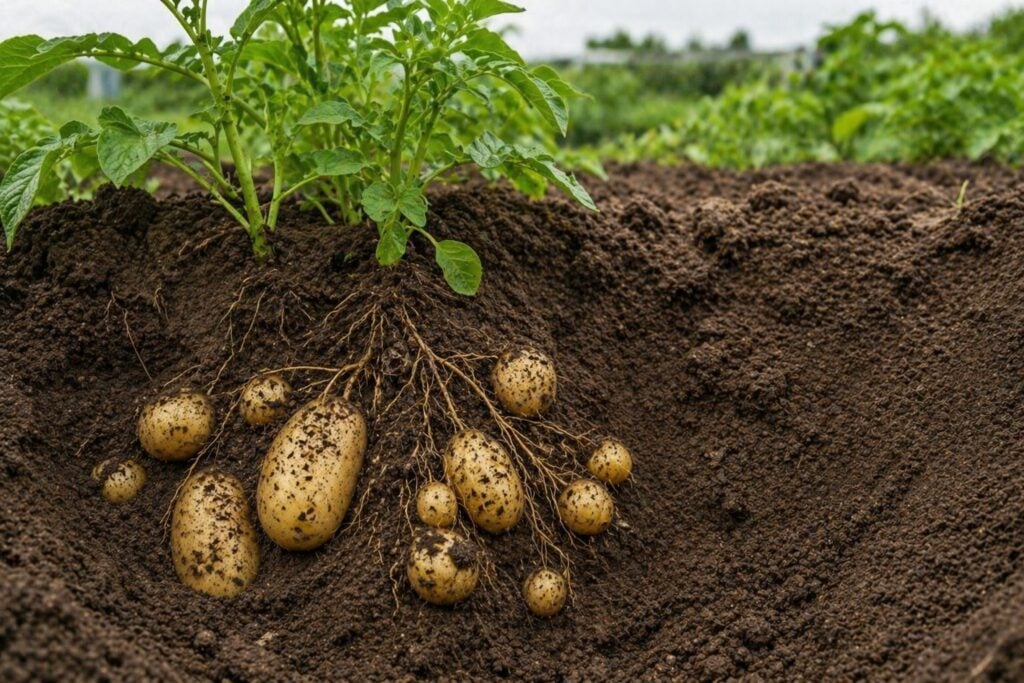
Once I adjusted my approach and planted potatoes deeper, everything changed. The recommended depth is around 10 to 15 cm, and I found this range to be ideal.
At this depth, the soil stays cooler and retains moisture better. The tubers develop fully, protected from light.
The result is a larger, healthier harvest.
The difference was obvious. Bigger potatoes, stronger plants, and no green discoloration. It was one of those moments that made me realize how powerful small adjustments can be.
2. Garlic
Garlic taught me a different lesson. Unlike potatoes, planting too deep can be just as harmful as planting too shallow.
When Garlic is Planted Too Deep?
At one point, I planted garlic cloves about 10 cm deep, thinking deeper would mean stronger roots. Instead, I ended up with small bulbs and weak cloves.
The plants struggled to push through the soil.
Growth was slow, and the energy that should have gone into bulb development was spent just trying to reach the surface.
The result was disappointing. Smaller garlic heads, less flavor, and poor storage quality.
The Ideal Depth for Garlic
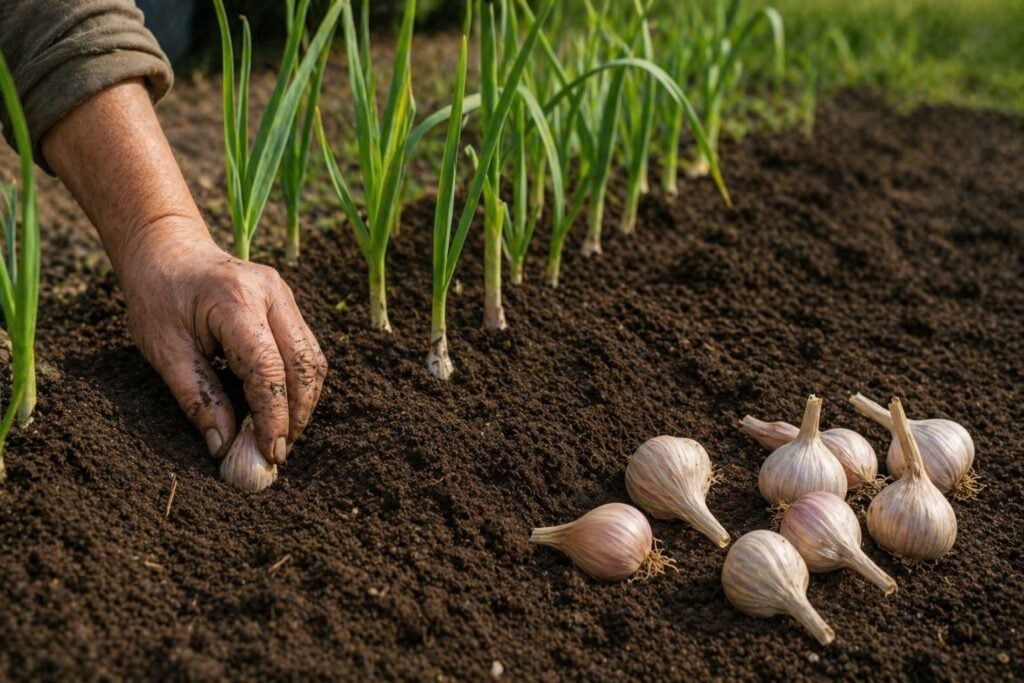
Through trial and error, I found that about 5 cm depth works best for garlic. At this level, the cloves are protected but still close enough to the surface to grow efficiently.
Once I switched to this depth, the improvement was immediate.
The bulbs grew larger, the cloves were fuller, and the overall quality was much better.
What I learned here is that each plant has its own preference. Going deeper is not always better. It is about finding the balance that supports natural growth.
3. Carrots

Carrots are another crop that clearly shows the importance of what happens underground.
The Problem with Shallow Soil
I remember growing carrots in soil that was only about 15 cm deep. The plants looked fine at first, but when I harvested them, the roots were twisted and misshapen.
Some carrots split into multiple branches. Others curled around small rocks or compacted soil.
They were still edible, but far from ideal.
This happens because carrots need space to grow downward. When they hit an obstacle, they change direction, resulting in irregular shapes.
The Power of Deep, Loose Soil
Once I prepared soil that was about 30 cm deep and made sure it was loose and free of obstacles, the difference was incredible.
The carrots grew straight, long, and smooth.
The quality improved, and they were much easier to harvest.
This taught me that planting depth is not just about how deep you place the seed. It is also about how deep and loose the soil is beneath it.
The Foundation of Healthy Growth
One of the biggest lessons I have learned is that soil stability plays a major role in plant development.
Stable soil maintains consistent moisture levels. It also keeps temperature fluctuations to a minimum. These conditions allow roots to grow without stress.
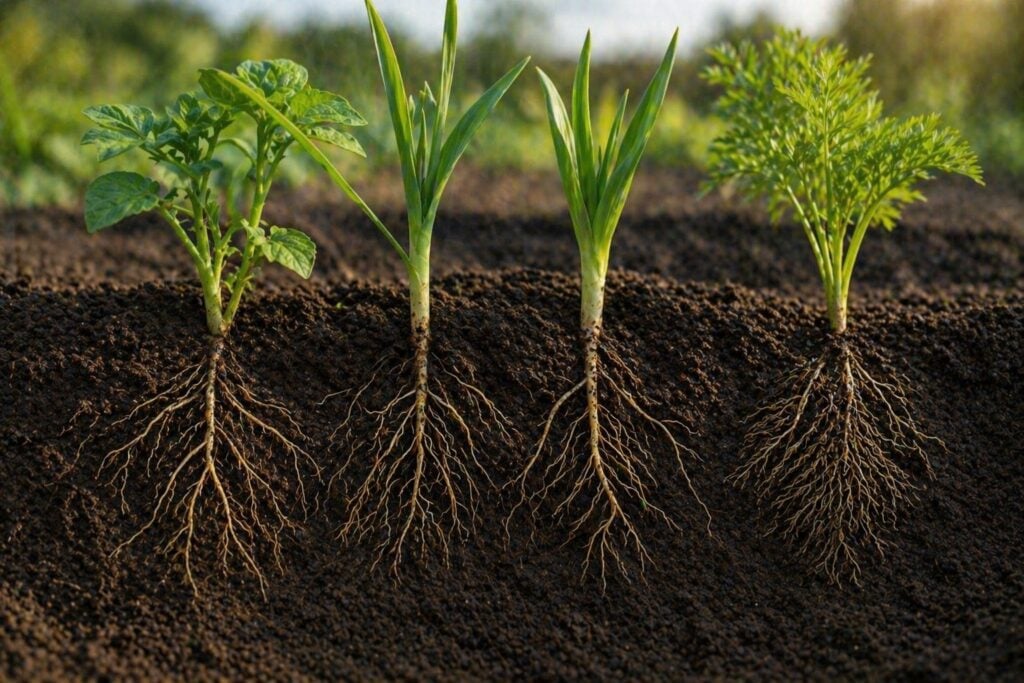
When soil is too shallow or compacted, it dries out quickly and heats up faster. This creates an unstable environment that limits growth.
By planting at the right depth and ensuring proper soil structure, you create a more balanced environment. This leads to healthier plants and better yields.
Common Mistakes I Used to Make
Looking back, I realize how many mistakes I made before understanding planting depth properly. One mistake was assuming all plants need the same depth.
This is not true. Each crop has its own ideal range.
Another mistake was ignoring soil preparation. Even if you plant at the right depth, poor soil structure can still cause problems. I also used to rush the process.
Digging quickly without measuring depth often led to inconsistent results. Once I slowed down and paid attention to these details, my garden improved significantly.
Practical Tips I Follow Today
Over time, I developed a simple approach that I now use for all my planting. First, I always check the recommended depth for each crop. This gives me a starting point.
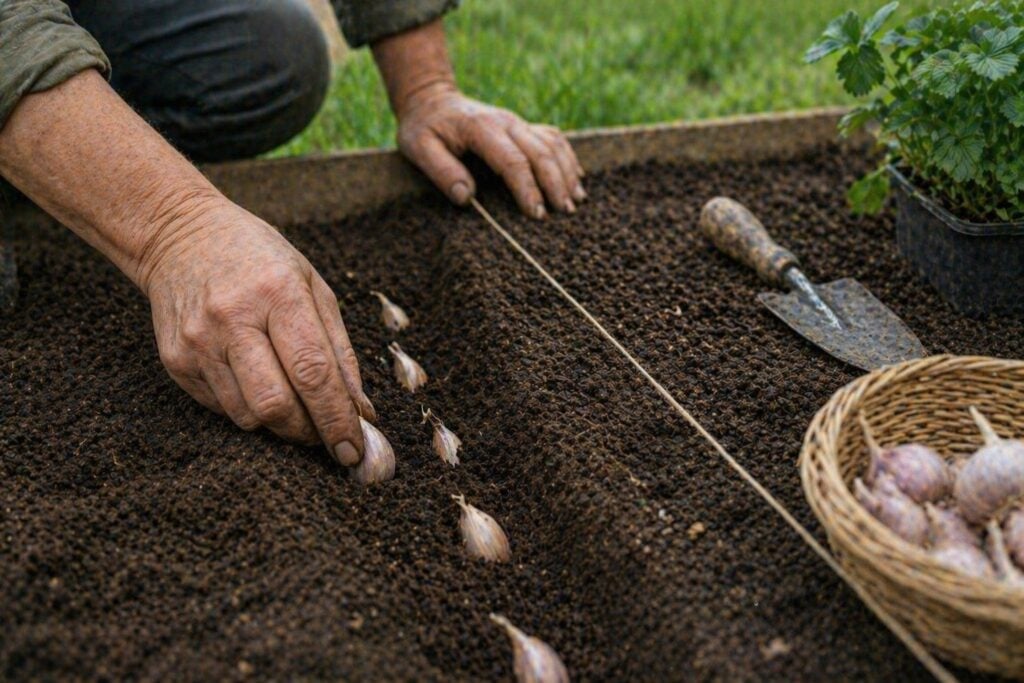
Second, I prepare the soil properly. I make sure it is loose, well drained, and free of large rocks. Third, I measure depth more carefully. Even a few centimeters can make a difference.
Fourth, I observe the results and adjust if needed. Gardening is always a learning process. These small habits have helped me grow more consistent and higher quality crops.
How You Can Apply This in Your Garden?
If you are just starting or want to improve your results, focusing on planting depth is one of the easiest changes you can make. Start by choosing one or two crops.
Apply the correct depth and observe how they grow. Compare the results with your previous attempts.
You do not need to change everything at once. Small improvements can lead to big results over time. I always remind myself that gardening is not about perfection. It is about learning and adapting.
Small Changes, Big Results
Looking back on my journey, planting depth is one of the most important lessons I have learned. It is a simple concept, but it has a huge impact.
From potatoes to garlic to carrots, the difference between poor and excellent harvests often comes down to just a few centimeters. By understanding how depth affects moisture, temperature, and protection, you can create better conditions for your plants.
If there is one thing I would recommend to any gardener, it is this.
Pay attention to what is happening below the surface. That is where real growth begins.