As a seasoned gardener, I’ve always found that certain plants respond better when they’re planted at the right time. Over the years, I’ve learned that following nature’s cues (like when flowers bloom) can help me know exactly when to plant my vegetables for the best results.
Today, I’ll share with you some old-fashioned garden wisdom on when to plant peas, carrots, beans, beets, and squash based on the natural timing of blooming flowers and fruits.
This method is not just practical; it’s a wonderful way to connect with the rhythm of nature and cultivate a thriving garden.
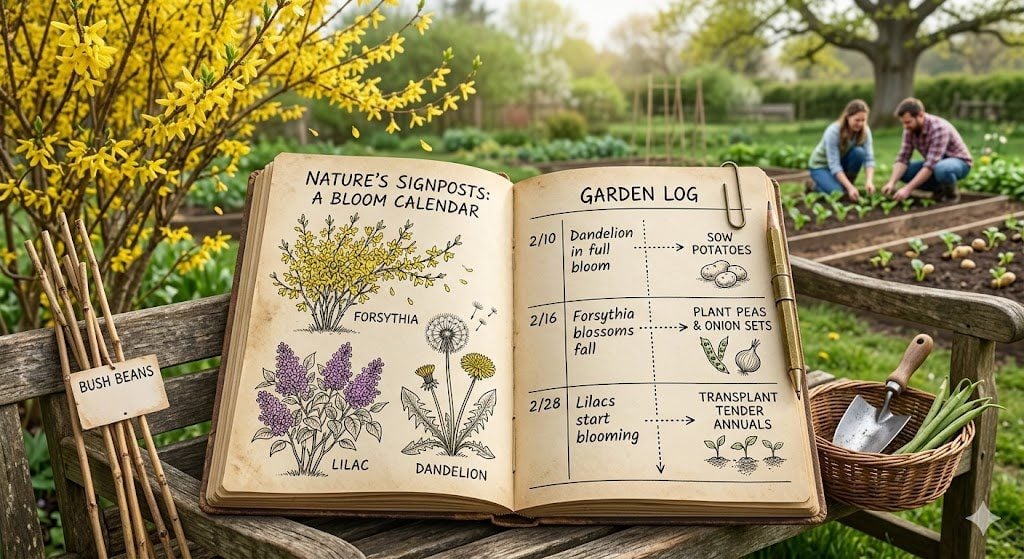
Plant Peas and Carrots When Dandelions Bloom
Dandelions are often considered weeds, but they actually have a lot of garden wisdom to offer. When I see the dandelions blooming in early spring, I know it’s time to plant peas and carrots.
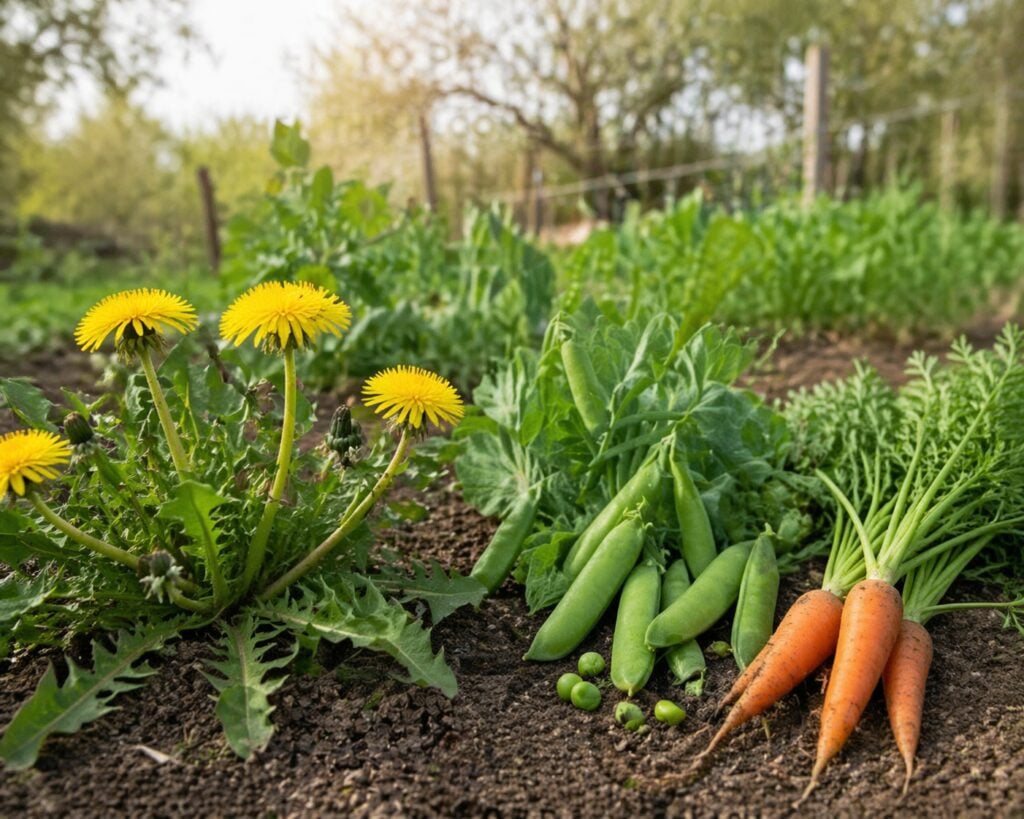
Dandelions are hardy and bloom early, signaling that the soil has warmed enough for crops like peas and carrots to thrive.
Why it works: Both peas and carrots are cool-season crops. Peas grow best when the weather is still a bit chilly, and carrots thrive in loose, cool soil. By planting them as soon as the dandelions bloom, I give them a jumpstart for a bountiful harvest later in the season.
Planting tip: Make sure to loosen the soil well before planting carrots, as they need space to grow long and straight. Peas will do well in slightly more compacted soil, but they need support, so consider adding a trellis.
Time to Plant Beans When Apple Blossoms Appear
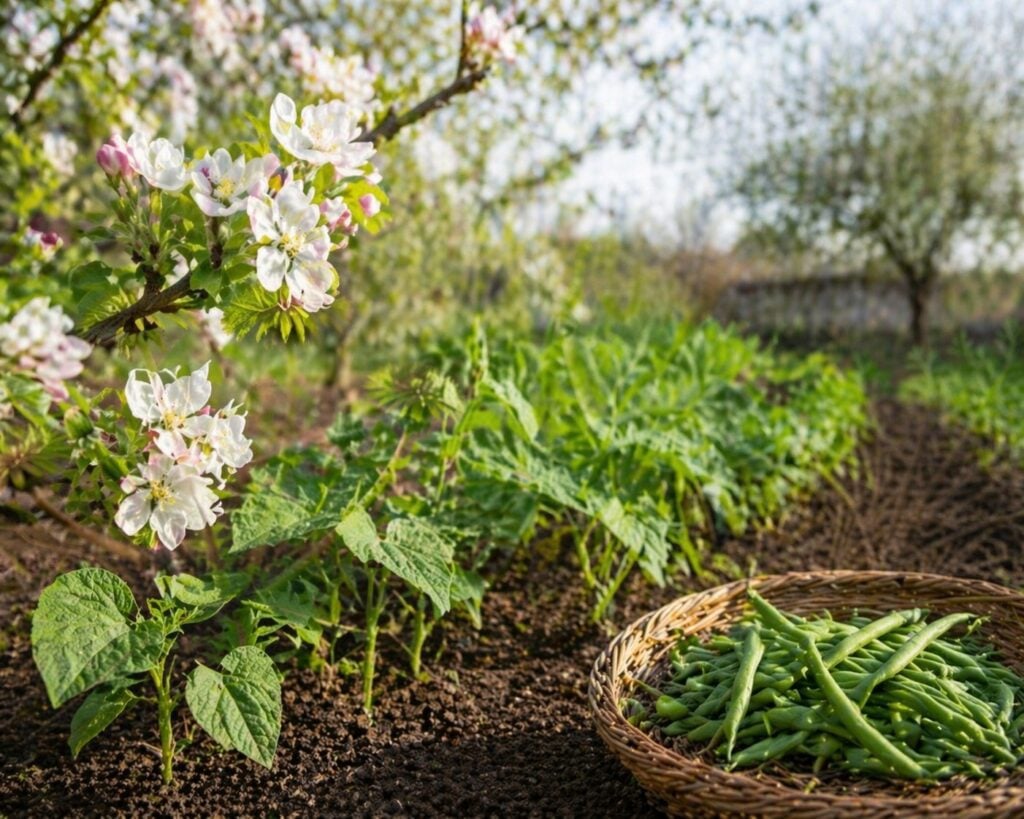
Apple blossoms are not just beautiful; they also mark the perfect time to plant beans. I’ve always relied on the appearance of apple blossoms in early spring to remind me that it’s time for bean planting.
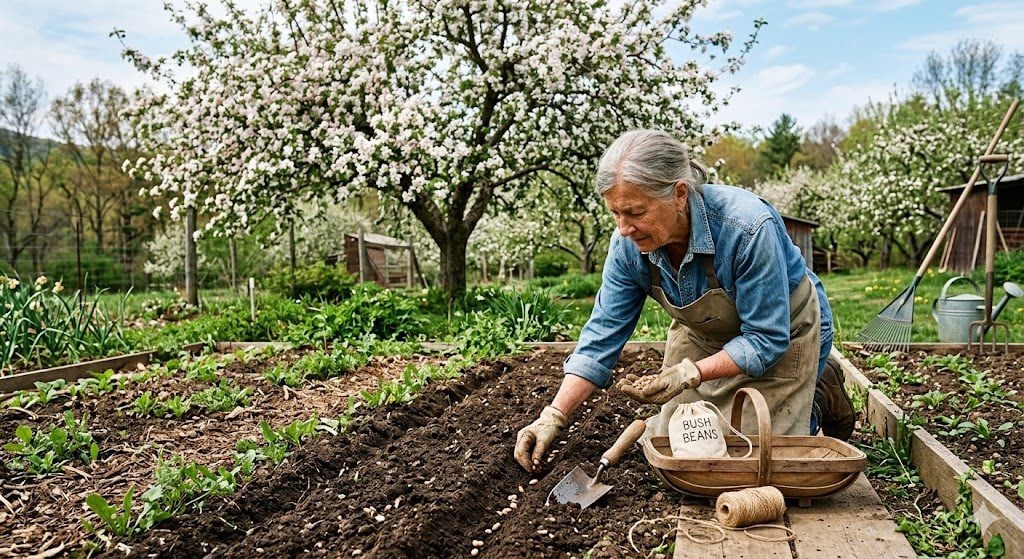
As apples begin to bloom, I prepare my garden for beans – whether it’s pole beans or bush beans, they all thrive when planted around this time.
Why it works: Beans are warm-weather crops that require both warmth and ample sunlight to grow properly. Apple trees bloom when the weather starts to warm, making it the ideal time for beans to grow without the risk of frost.
Beans also help fix nitrogen in the soil, improving soil health for subsequent crops.
Planting tip: Beans grow best in well-drained soil. If you’re growing pole beans, provide sturdy support like a trellis to help them grow upward. Bush beans need less support, but they still appreciate a bit of space for air circulation.
Beets Thrive After Lilacs Bloom
When I notice the lilacs in full bloom, I get excited because it’s time to plant beets. This old-fashioned garden wisdom never fails me. Lilacs signal that the frost has passed and the soil temperature is just right for beets, which are perfect for a late spring planting.
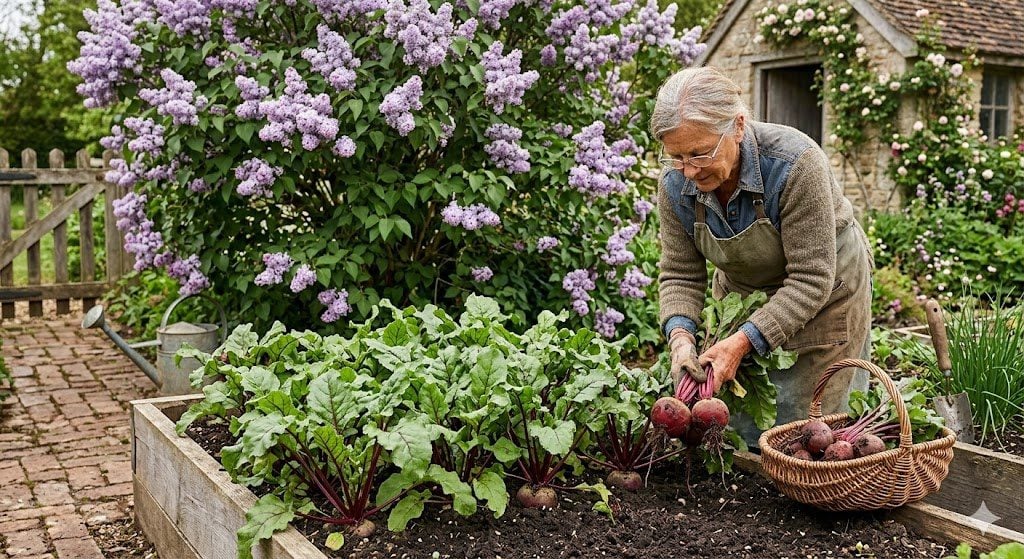
Why it works: Beets are root vegetables, and they prefer cooler temperatures for their roots to develop properly. Lilacs bloom when the weather is consistently warm enough for beets to grow well, but not so hot that it hinders their development.
Planting beets at this time ensures they have a strong start for summer harvest.
Planting tip: Beets do well in deep, well-drained soil. Space them about 2 inches apart to give them room to grow. If you’ve never tried thinning them, it’s important for beetroot quality to give them room to expand.
Squash Should Be Planted When Lilacs Start Fading
Lilacs may give us a glimpse of spring, but they also tell me when it’s time to plant squash. As the lilacs start to fade, I prepare my garden for a few types of squash; whether it’s summer squash or the hearty winter varieties like butternut or acorn squash.
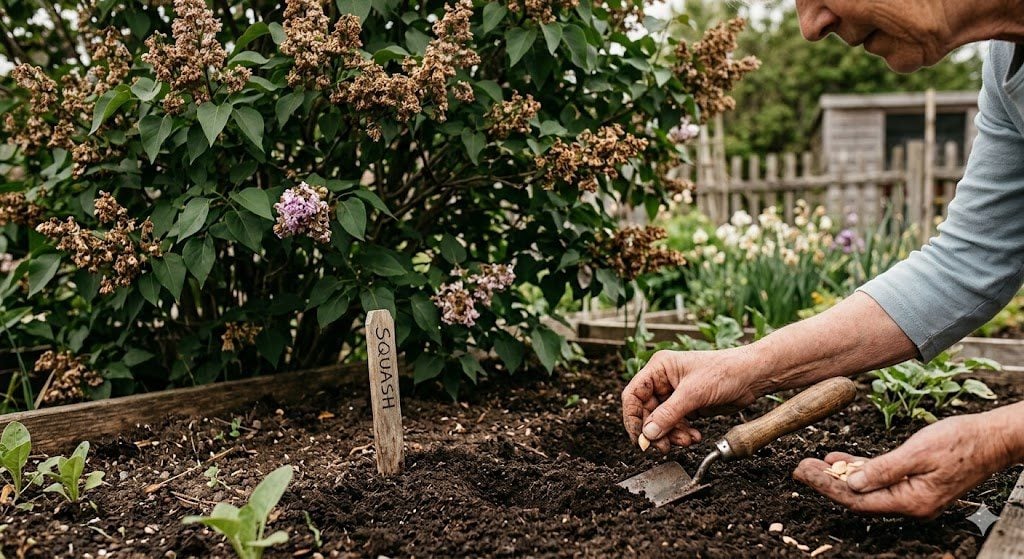
Why it works: Squash plants are warm-season vegetables that thrive in the heat of late spring and early summer. The fading of lilacs signals that the temperatures are ideal for squash, which needs lots of sunlight and warmth to produce its best fruit.
Planting tip: Squash plants need a lot of space, so make sure to plant them in rows or hills, leaving plenty of room for the vines to spread out. Consider planting them in a sunny, well-drained area of your garden.
Connecting the Dots Between Blooms and Garden Timing
While I’ve shared the best times to plant peas, carrots, beans, beets, and squash, I also wanted to offer some general gardening advice to ensure success.
Following the old-fashioned wisdom of planting when certain flowers bloom can truly transform your garden, but it’s also important to consider a few other key factors:
Soil health: Before planting anything, I always make sure to enrich my soil with compost or organic matter. Healthy soil is the foundation of a productive garden, and it gives all of your plants the nutrients they need to grow strong.
Watering: All plants need water, but the amount depends on the season and plant type. Cool-season crops like peas and carrots need consistent moisture, while warm-season crops like squash may need more water as the temperature rises.
Companion planting: Some plants grow better together than others. Beans, for example, pair well with squash as they enrich the soil with nitrogen, which benefits the squash plants.
Experiment with companion planting to boost plant growth and discourage pests naturally.
Embrace the Rhythm of Nature
Incorporating old-fashioned garden wisdom into my planting routine has truly changed the way I approach gardening.
By planting peas, carrots, beans, beets, and squash based on the blooming of flowers like dandelions, apple blossoms, lilacs, and squash flowers, I feel more connected to the natural rhythms around me.
I’ve found that these plants thrive in their own time, and it’s a beautiful reminder of how nature knows best.
Whether you’re a seasoned gardener or just starting out, I encourage you to try this approach. It’s simple, practical, and deeply rewarding to work with nature in this way.
So, the next time you see those dandelions blooming or the lilacs fading, take it as your cue to start planting, and watch your garden grow with the seasons.
Start Planting Now!
If you’re excited about these gardening tips and want to know more, leave a comment below and let me know what plants you’re growing this season.
Share your own gardening wisdom and let’s keep the conversation going! And don’t forget to share this article with friends who could use a little gardening inspiration.