I find it concerning that more juvenile Kemp’s ridley sea turtles are being discovered far north of their usual range, including Massachusetts and Atlantic Canada.
Changing ocean temperatures and shifting currents may be carrying these endangered turtles into colder waters where survival becomes much harder.
When temperatures suddenly fall, they can become cold-stunned. Their bodies slow down, leaving them too weak to swim, dive, find food, or escape danger.
For me, this story shows how climate changes can affect wildlife in ways that are not always obvious. It is not only about rising temperatures. It is also about how those changes can disrupt animal movements, habitats, and survival.
Scientists are now studying turtles like Lucky, a young Kemp’s ridley found stranded in Nova Scotia, to understand why these endangered animals are appearing in unexpected places and how conservation efforts can protect them.
The Unexpected Journey of Kemp’s Ridley Sea Turtles
Kemp’s ridley sea turtles are known as the smallest and one of the most endangered sea turtle species in the world. They are mostly found in the Gulf of Mexico and along parts of the Atlantic coast.
Unlike some sea turtles that travel across entire oceans, Kemp’s ridleys have a more limited range.
Their main nesting beach is Rancho Nuevo in Mexico, where thousands once gathered to lay eggs.
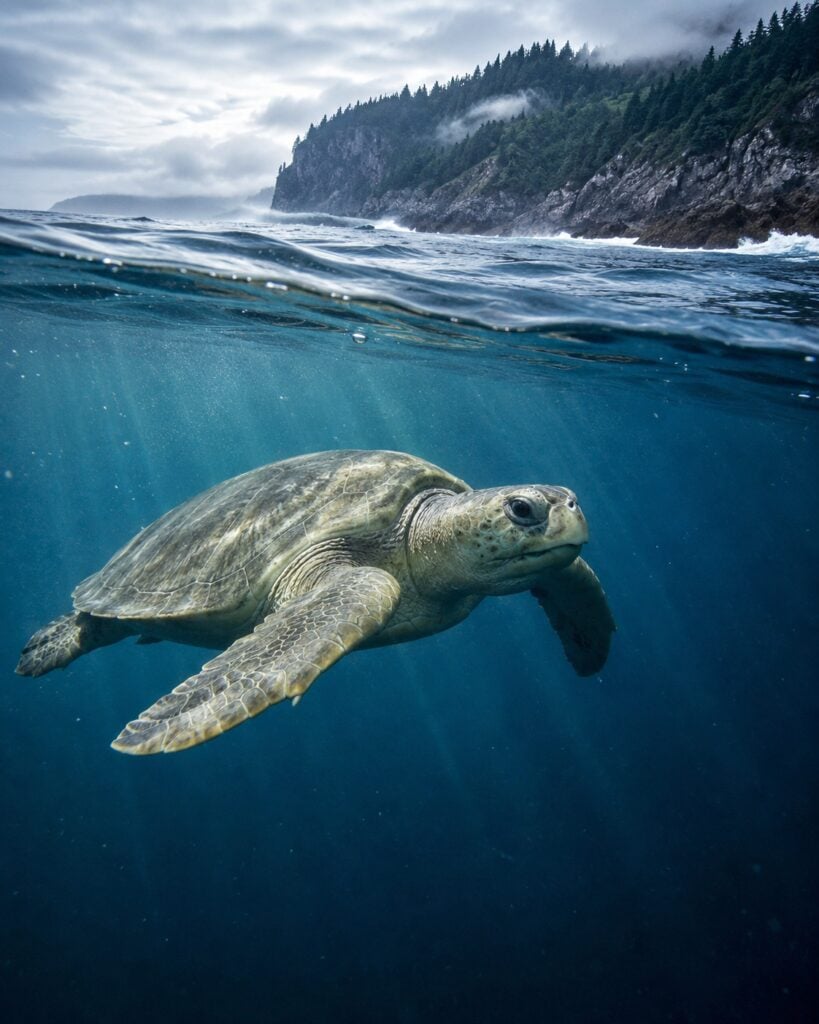
Today, their population has dramatically declined because of threats including accidental capture in fishing gear, habitat loss, pollution, climate-related changes, and disturbances during nesting seasons.
That is why scientists are paying close attention to the increasing number of juvenile Kemp’s ridleys appearing much farther north. Finding a turtle outside its normal range may sound like a positive sign at first.
It might seem like the species is expanding its territory.
However, scientists are concerned because these young turtles may not be reaching those areas intentionally.
Instead, changing ocean conditions and currents may be pushing them into environments where they are not prepared to survive.
I think this is an important reminder that seeing more animals in a new location does not always mean their population is recovering. Sometimes it is a sign that nature is changing in unexpected ways.
Why Are These Young Turtles Traveling North?
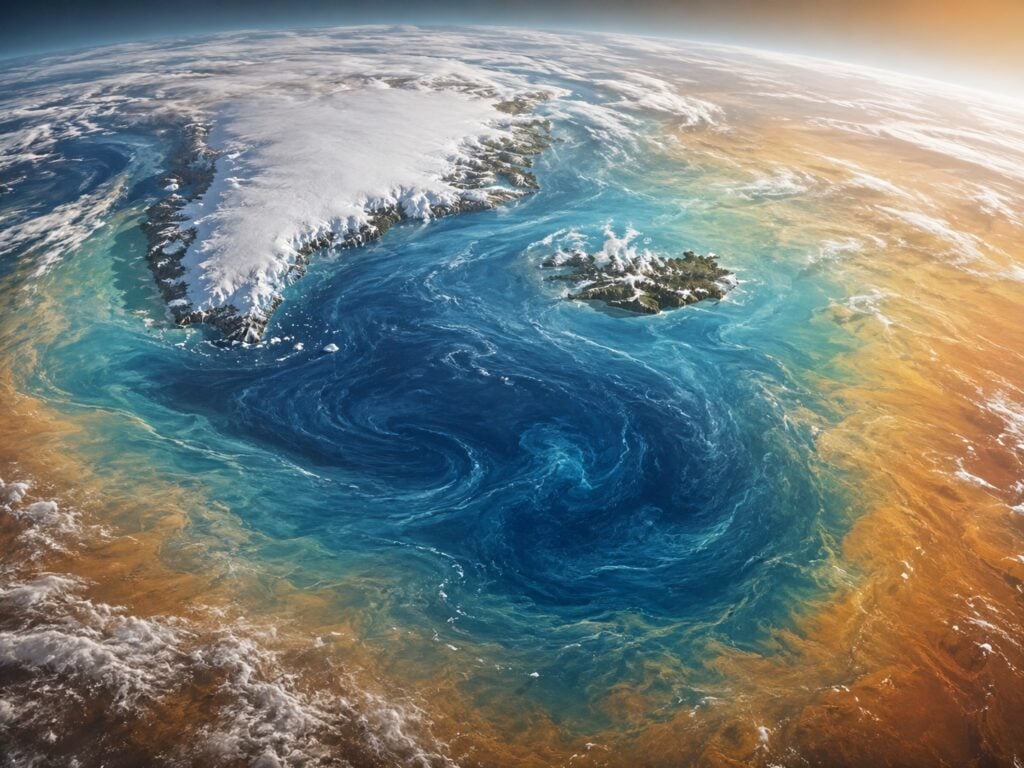
The ocean is constantly moving. Powerful currents transport warm water, nutrients, and marine animals across thousands of miles. For young Kemp’s ridley turtles, these currents can influence where they travel after entering the ocean.
As ocean temperatures shift, some currents may carry turtles farther north than they would normally go.
Scientists believe warming ocean conditions may be contributing to this unusual movement.
Juvenile turtles that once remained in warmer regions may now find themselves drifting into colder northern waters. The problem appears when seasons change.
A young turtle may survive warmer months in northern waters, but when temperatures suddenly fall, its body cannot function normally. Sea turtles are reptiles, meaning they depend on their environment to regulate their body temperature.
When the water becomes too cold, their metabolism slows down. They become weak, unable to swim properly, and may float near the surface or wash ashore.
This condition is called cold stunning.
My personal tip when reading wildlife news is to look beyond the headline. A surprising animal sighting can tell us something important about environmental changes happening beneath the surface.
Cold Stunning: A Serious Threat to Young Sea Turtles
Cold stunning is one of the biggest dangers facing juvenile sea turtles that travel too far north. When turtles become cold-stunned, they often appear lifeless.
They may stop moving, lose the ability to feed, and become vulnerable to predators or harsh weather.
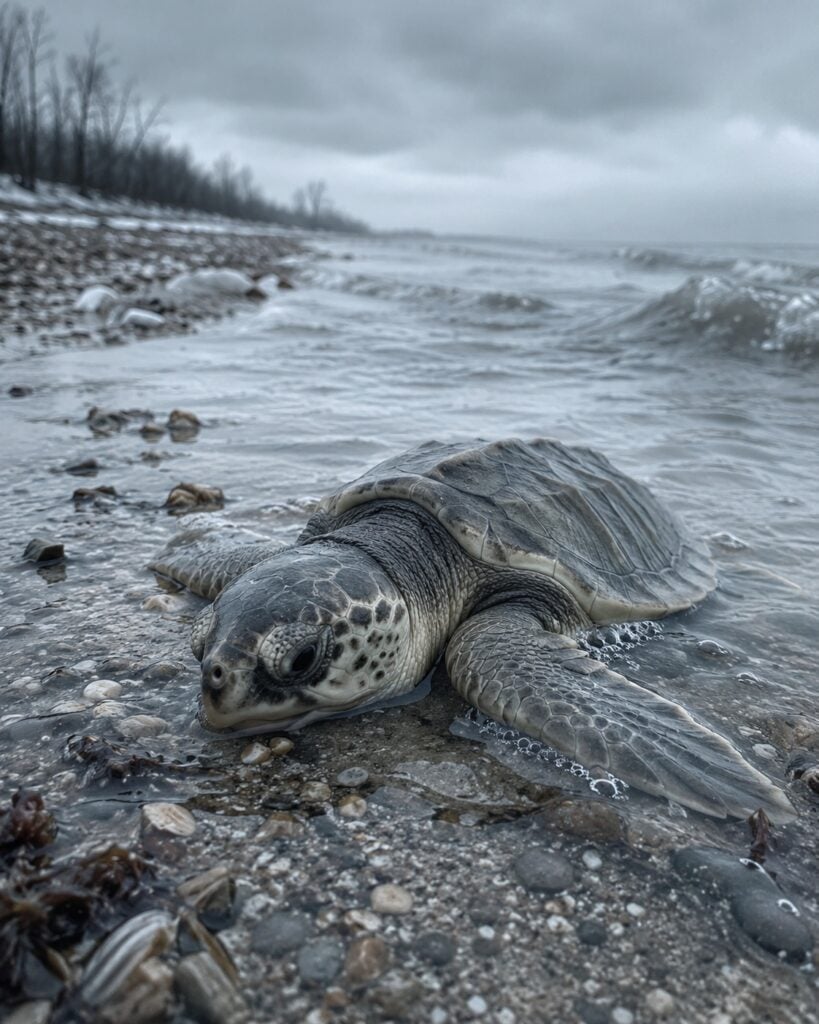
Fortunately, rescue organizations and rehabilitation centers have developed methods to save many stranded turtles. Rescuers carefully warm the turtles, provide medical treatment, monitor their recovery, and slowly prepare them to return to the ocean.
One example is Lucky, a juvenile Kemp’s ridley turtle discovered on a beach in Nova Scotia. After being rescued, Lucky spent months recovering in rehabilitation before eventually being released into warmer waters near the Bahamas.
Stories like Lucky’s are inspiring because they show how human intervention can make a real difference.
However, rescue is only part of the solution. Scientists want to understand why these turtles are ending up in dangerous conditions in the first place.
The goal is not only to save individual turtles but also to prevent future generations from facing the same risks.
What Scientists Hope to Learn From Lucky and Others?
Every rescued turtle provides valuable information. Researchers can study the turtle’s size, health, genetics, movement patterns, and migration history.
Some turtles may also receive tracking devices that allow scientists to follow their movements after release. These studies help answer important questions:
Are ocean currents changing?
Are juvenile turtles traveling differently than they did in the past?
Are warmer waters allowing them to survive farther north temporarily?
Are cold-stunning events becoming more common?
Understanding these patterns can help conservation teams predict where turtles may appear and prepare rescue efforts before large numbers become stranded.
I believe this type of research is a great example of how science and compassion work together. Saving one turtle may seem small, but the information gained can help protect thousands more.
Protecting an Endangered Species Requires Many Solutions
Kemp’s ridley sea turtles have already faced decades of challenges. Conservation programs have helped the species recover from dangerously low numbers, but they remain critically endangered.
Protecting them requires action in many areas. Fishing regulations can reduce accidental capture. Protecting nesting beaches can improve hatchling survival.
Reducing ocean pollution can create healthier marine environments.
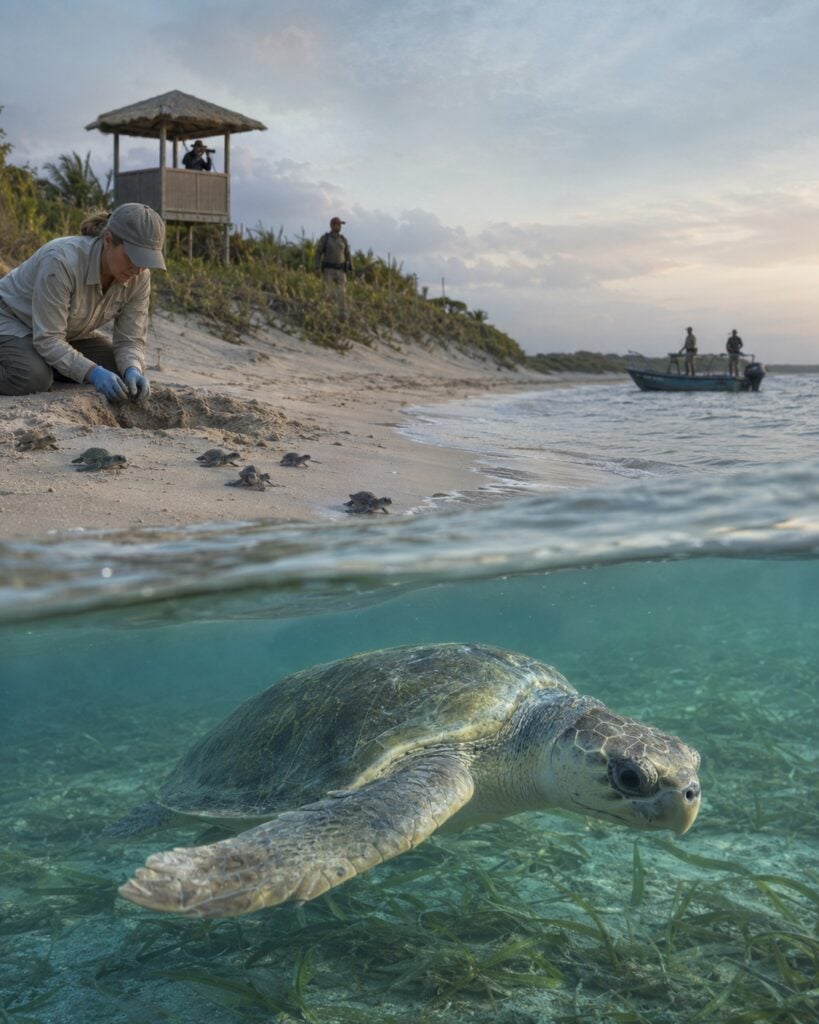
Climate change is another major challenge because it affects ocean temperatures, currents, food availability, and nesting conditions.
For ordinary people, protecting sea turtles may feel difficult because we are far away from the ocean. But small choices still matter.
Reducing plastic waste, supporting sustainable seafood choices, keeping beaches clean, and supporting marine conservation organizations can all contribute to healthier oceans.
My personal advice is to focus on consistent actions rather than trying to solve everything at once. Environmental protection works because millions of small choices add up.
Why This Turtle Mystery Matters?
The unusual journey of Kemp’s ridley sea turtles is more than a story about a few stranded animals. It is a sign that the ocean is changing. Animals depend on specific conditions to survive.
When temperatures, currents, and habitats shift, even species that have existed for millions of years must adapt quickly.
The challenge is that many endangered species do not have enough time to adjust. That is why monitoring and research are so important. Scientists cannot protect wildlife effectively without understanding what is happening.
The story of Lucky gives us hope because it shows what is possible when people work together. A turtle that was once stranded and unable to survive cold waters was given another chance.
A Second Chance for Kemp’s Ridley Sea Turtles
The future of Kemp’s ridley sea turtles is still uncertain, but conservation efforts continue to give them hope.
Scientists are studying unusual movements, rescue teams are saving stranded turtles, and organizations are working to protect their habitats.
For me, Lucky’s story represents something bigger than one turtle’s survival. It represents the importance of paying attention when nature sends us warning signs.
The ocean is changing, and animals are responding in ways scientists are still learning to understand.
By protecting marine habitats, supporting research, and making responsible choices, we can help give endangered sea turtles a better chance. Sometimes saving a species begins with saving one small turtle.