A rare undeveloped corner of California’s Big Bear Lake could soon change forever. Environmental groups are racing to raise $10 million to protect 63 acres of shoreline from housing development.
The land is also closely tied to Jackie and Shadow, the famous bald eagles watched by millions. Their story is a powerful reminder that conservation works best before wild places disappear, not after.
A Rare Piece of Undeveloped Land at Big Bear Lake
Big Bear Lake has changed dramatically since it was created in the late 1800s. What was once a forest-covered valley became a mountain destination filled with ski resorts, restaurants, vacation homes, and year-round communities.
Today, most of the lake’s shoreline is surrounded by some type of development.
While the area attracts visitors from across the country, the growth has also reduced the amount of untouched habitat available for wildlife.
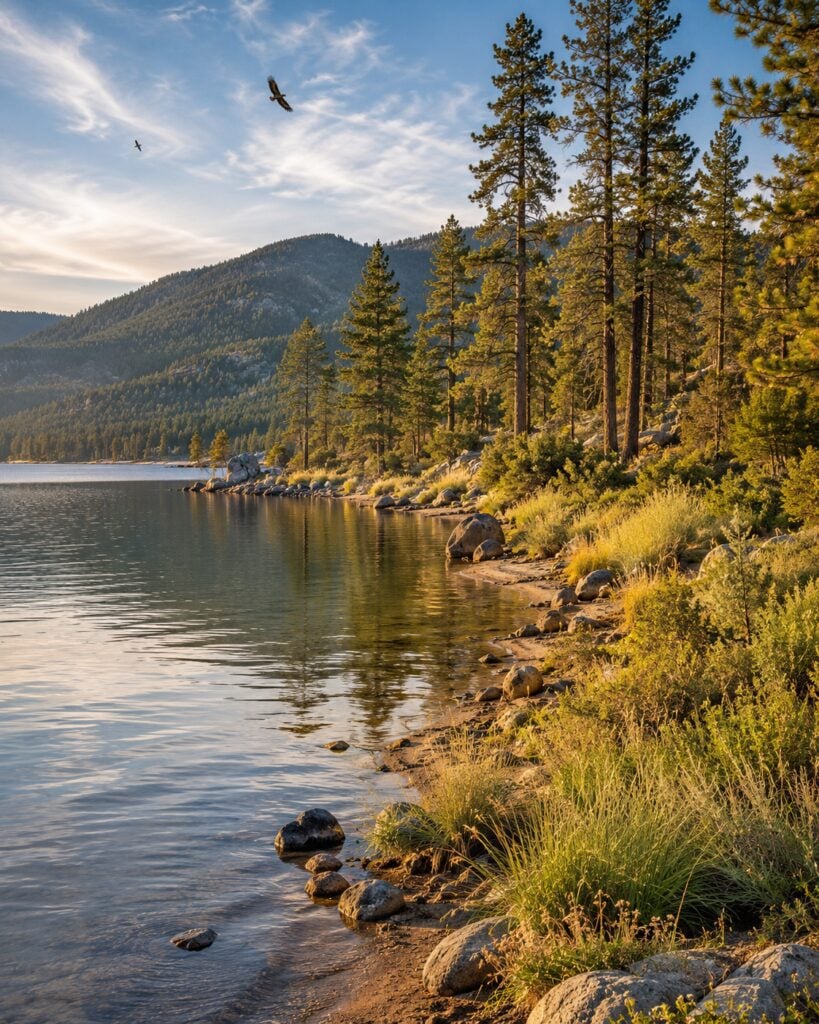
That is why the 63-acre property near Fawnskin is considered so important. Located along the quieter north shore of Big Bear Lake, this land sits between the lake and the San Bernardino National Forest.
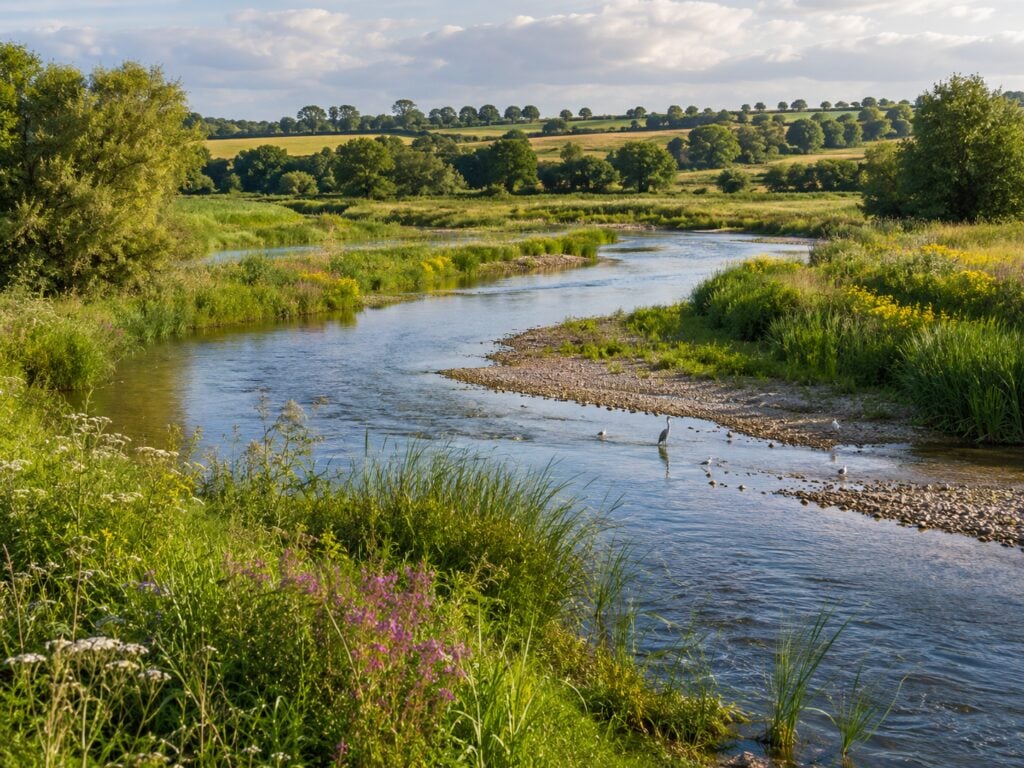
Unlike many areas around the water, it still provides open space, trees, and natural shoreline.
Developers have been interested in building homes on this property since the 1980s. Over the years, several proposals have been introduced, reduced, reviewed, challenged, and delayed because of environmental concerns and community opposition.
The latest proposal included plans for 50 homes and a marina.
However, conservation groups believe this remaining undeveloped shoreline provides something that is becoming increasingly rare: a safe place for wildlife.
I think this situation highlights an important question many communities face: when almost everything has already been developed, how much remaining natural space are we willing to lose?
Jackie and Shadow: The Eagles That Inspired Millions
The fight to protect this land became even more meaningful because of two bald eagles who call Big Bear Valley home.
Jackie and Shadow are the only known full-time resident bald eagles in the area. Their nest, located less than a mile from the proposed development site, has become famous through 24/7 livestreams operated by Friends of Big Bear Valley.
Millions of viewers have followed their journey, watching them raise chicks, survive harsh winters, search for food, and teach their young how to fly.
For many people, including myself, wildlife stories like this create a deeper connection. These animals stop feeling like distant creatures in a documentary.
They become part of our daily lives.
The concern from conservation advocates is that the proposed development could disturb the eagles’ natural behavior.
The property is an important area where Jackie and Shadow perch, hunt, and search for food. Bald eagles rely on specific trees as hunting and observation points. These locations are not random. The birds choose them because of their position, height, visibility, and access to nearby water.
Construction noise, increased human activity, and more boats near
the shoreline could potentially affect how the eagles use this habitat.
My personal tip when learning about wildlife protection is to remember that animals do not only need a place to live. They need a place where they can behave naturally.
The $10 Million Conservation Challenge
The San Bernardino Mountains Land Trust and Friends of Big Bear Valley are now working together to purchase the property and permanently protect it. The groups entered a purchase agreement with the property owner, but they must raise $10 million by the deadline to complete the deal.
As of mid-July 2026, the fundraising campaign had collected about $4.5 million, meaning there is still a significant gap to close.
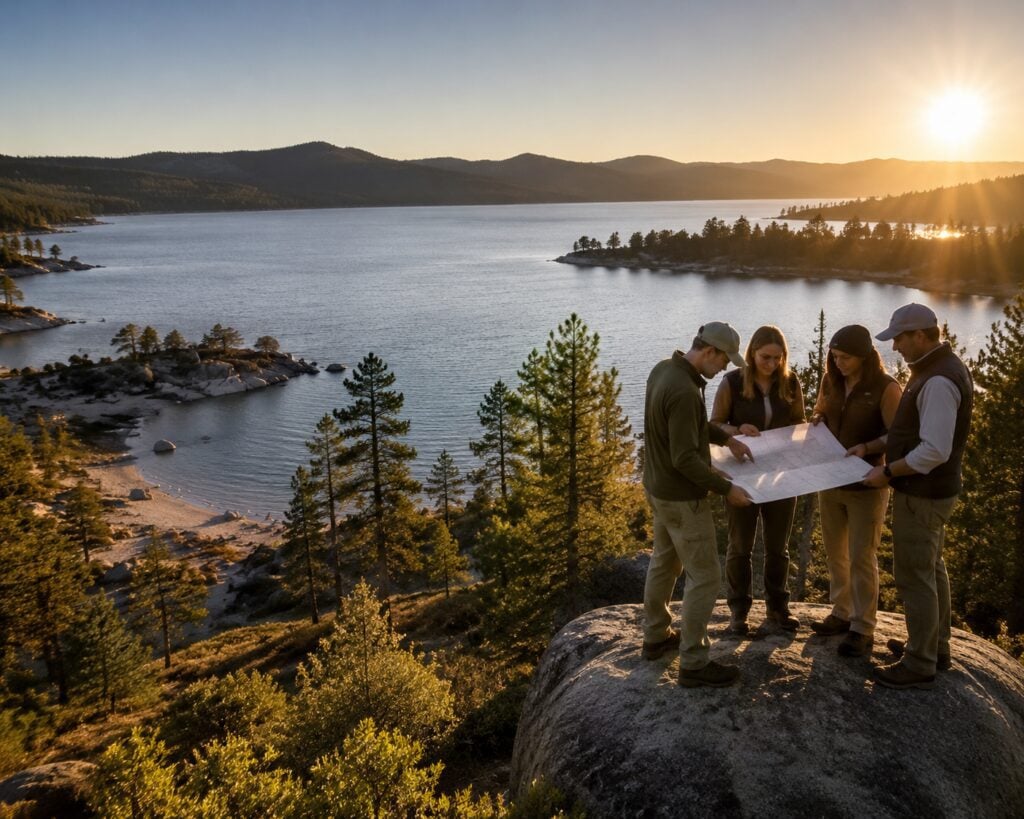
The challenge is enormous, but supporters believe the effort is worth it because this may be one of the last opportunities to protect undeveloped shoreline around Big Bear Lake.
If successful, the land would remain protected instead of becoming another residential development. I believe conservation projects like this show that protecting nature often requires community involvement.
Governments, nonprofits, businesses, and individuals all have a role to play. Saving a landscape is rarely done by one person. It usually happens because thousands of people decide that a place matters.
A Long Debate Between Development and Conservation
The debate surrounding this property has lasted for more than 40 years. The original development plans from the 1980s were much larger, with proposals for more than 100 residential lots.
Over time, the plans were reduced to the current proposal of 50 homes.
Developers have argued that the project has been carefully designed to reduce environmental impacts. The current plan includes conservation areas, protected habitat zones, and restrictions on development directly along the shoreline.
Environmental groups, however, believe the remaining open space is too valuable to replace.
This debate is not unique to Big Bear Lake. Communities everywhere face similar choices: Should undeveloped land become housing, businesses, and infrastructure, or should it remain protected for wildlife and future generations? There is no simple answer.
People need homes, but nature also needs space.
For me, the most important part is finding solutions that consider both human needs and environmental responsibility.
Why Protecting Natural Spaces Matters?
It can be easy to underestimate the value of one undeveloped piece of land. After all, it may look like only trees, water, and empty space. But these areas provide essential benefits.
Natural shorelines help protect water quality, support wildlife, reduce erosion, and provide habitats for countless species.
They also give communities places to experience nature and reconnect with the outdoors.
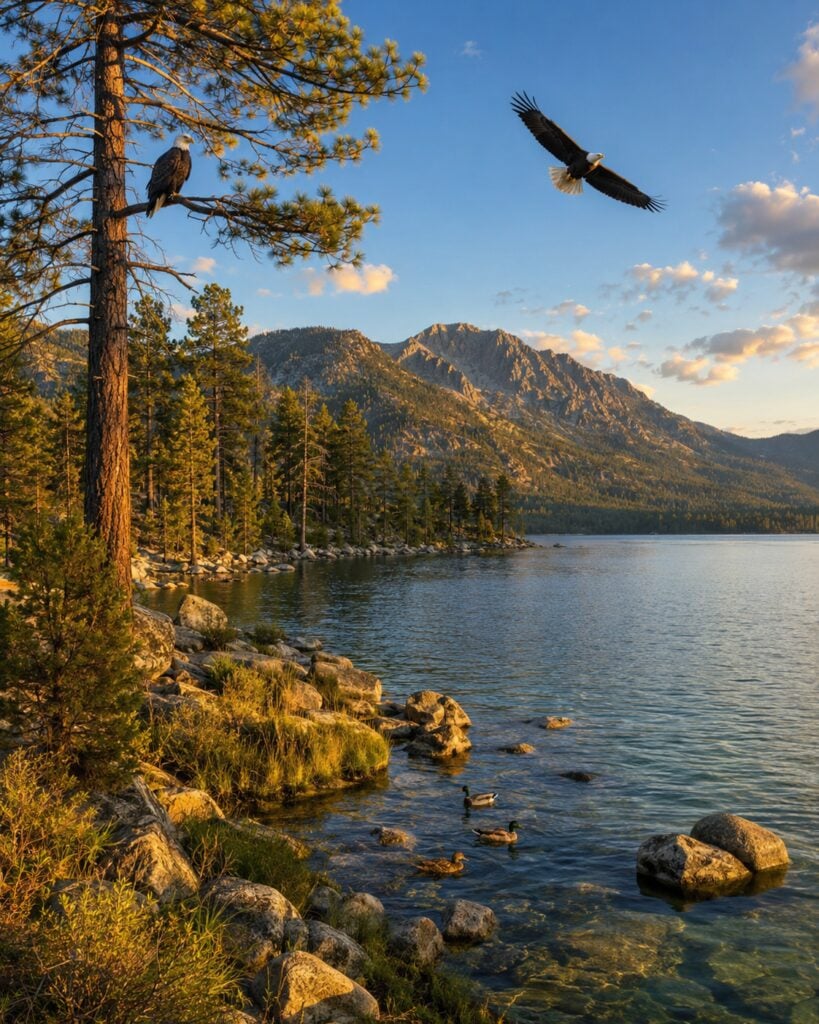
For wildlife like bald eagles, these spaces can determine whether populations continue to grow or slowly disappear. I often think of undeveloped land as a savings account for the future. Once it is gone, it is extremely difficult and sometimes impossible to recreate. Protecting land today gives future generations the opportunity to experience the same forests, lakes, and wildlife that we enjoy now.
How People Can Support Conservation Efforts?
Not everyone can donate millions of dollars or participate directly in land protection, but small actions can still make a difference.
Supporting trusted conservation organizations, sharing accurate information, respecting wildlife areas, and choosing responsible tourism options all contribute to protecting natural places.
When visiting areas like Big Bear Lake, simple choices matter. Staying on designated trails, keeping distance from animals, reducing waste, and respecting local rules help protect fragile ecosystems.
I also believe education is one of the most powerful tools. Many people only care about protecting places once they understand why those places matter.
Stories like Jackie and Shadow’s remind us that conservation is not just about animals. It is about preserving the landscapes that support entire ecosystems.
A Decision That Could Shape Big Bear Lake’s Future
The future of this last undeveloped shoreline at Big Bear Lake remains uncertain. A $10 million fundraising campaign is underway to protect the land forever, while supporters continue working to secure the purchase agreement.
Whether this effort succeeds or not, the story has already created an important conversation about growth, wildlife, and the value of untouched spaces.
For me, Jackie and Shadow represent something bigger than two bald eagles. They represent the connection between people and the natural world.
The choices we make today will decide what remains tomorrow.
Protecting this shoreline is not only about saving a piece of land.
It is about protecting a place where wildlife can continue to thrive and where future generations can still experience the beauty of a wild California landscape.